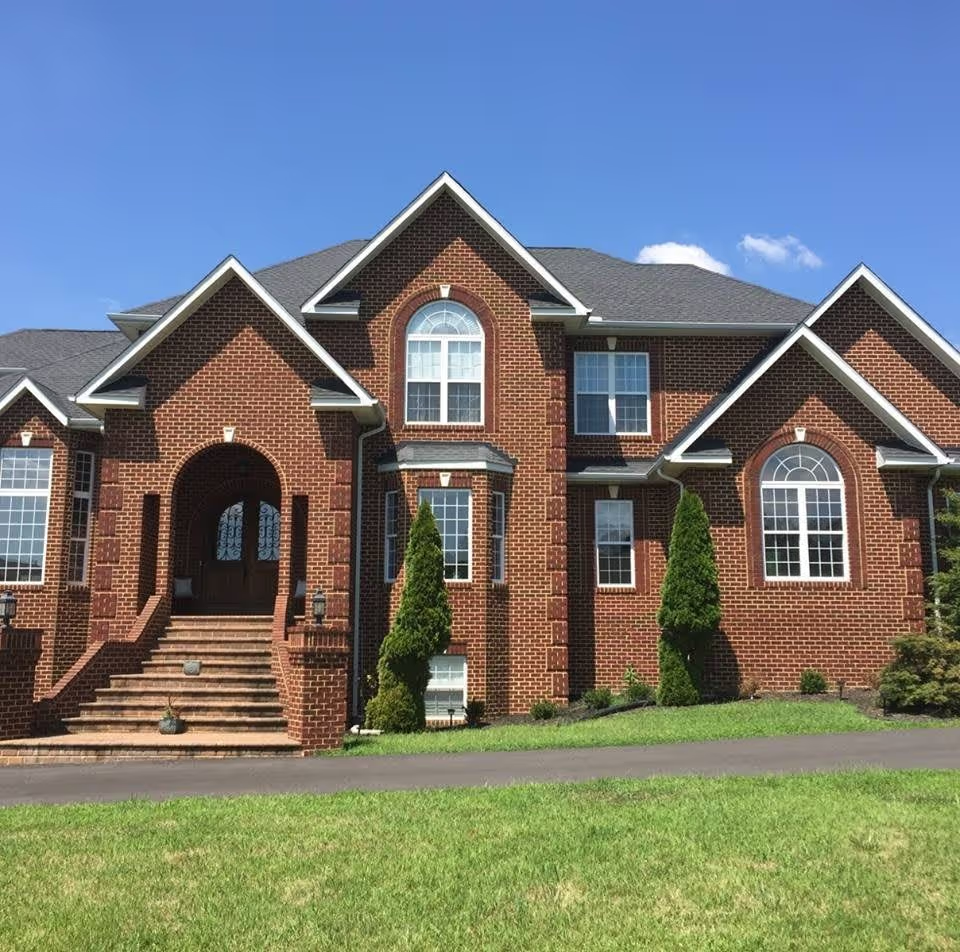
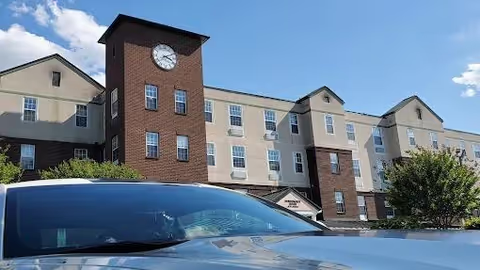
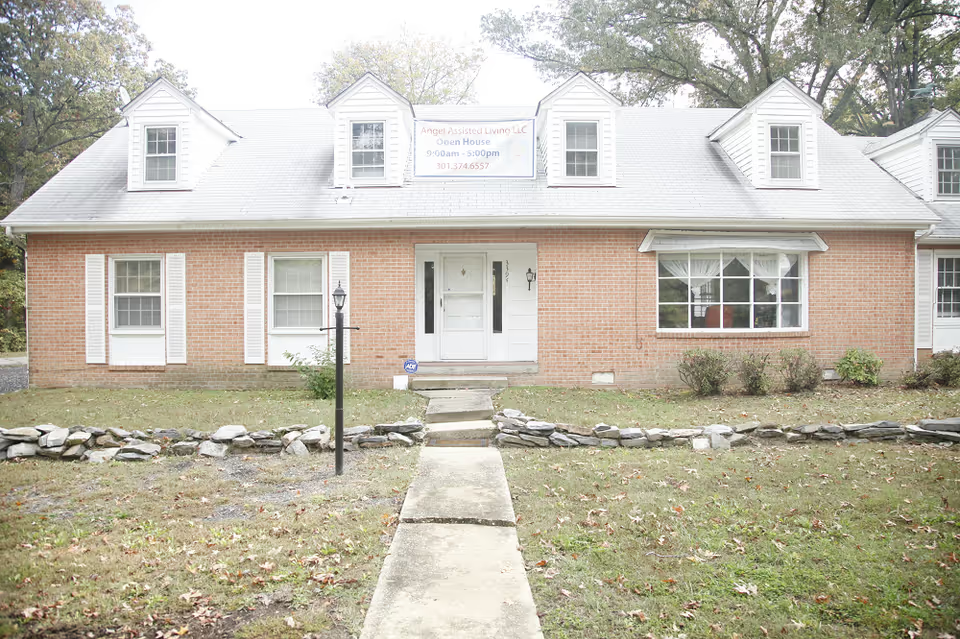
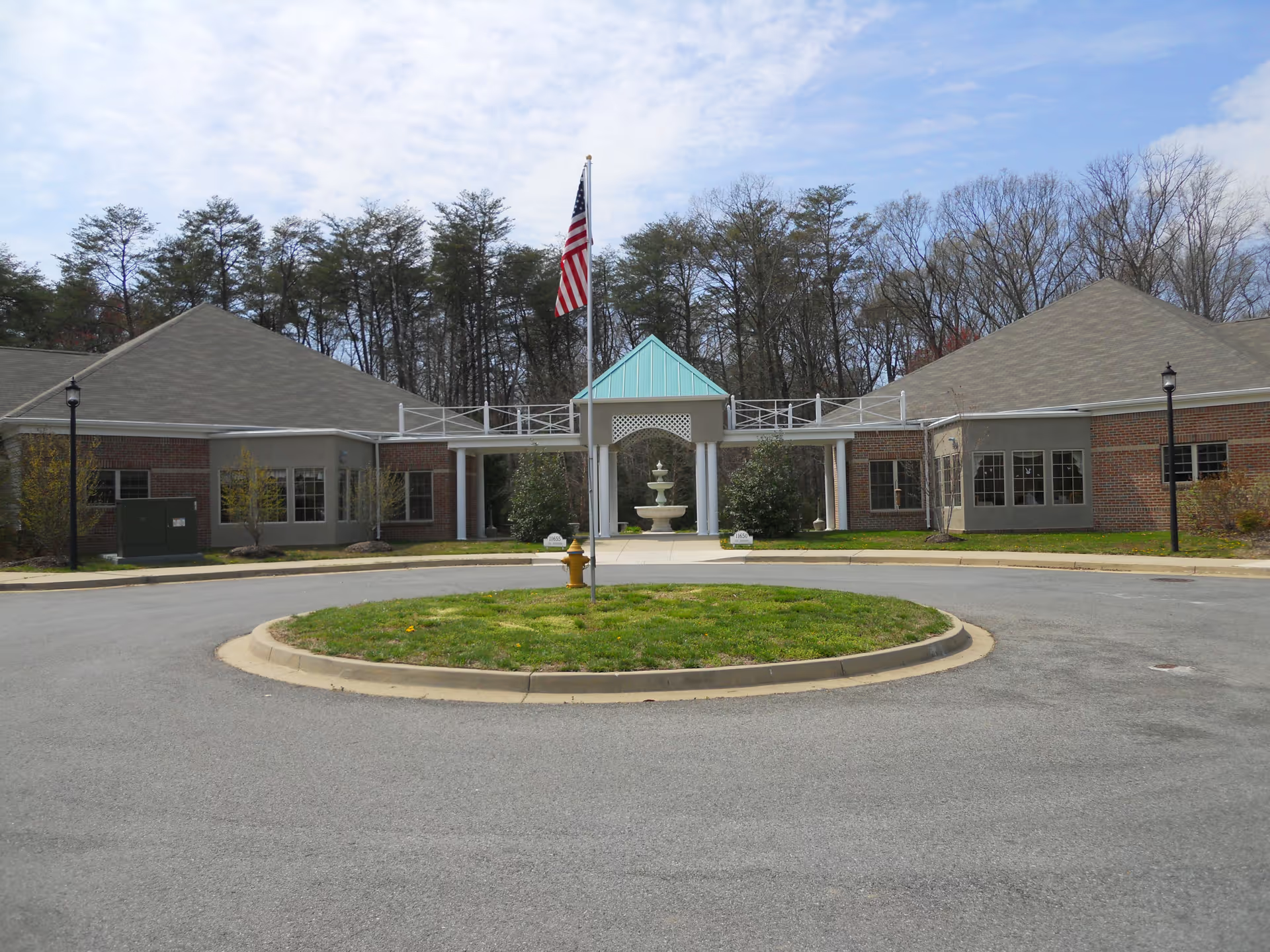
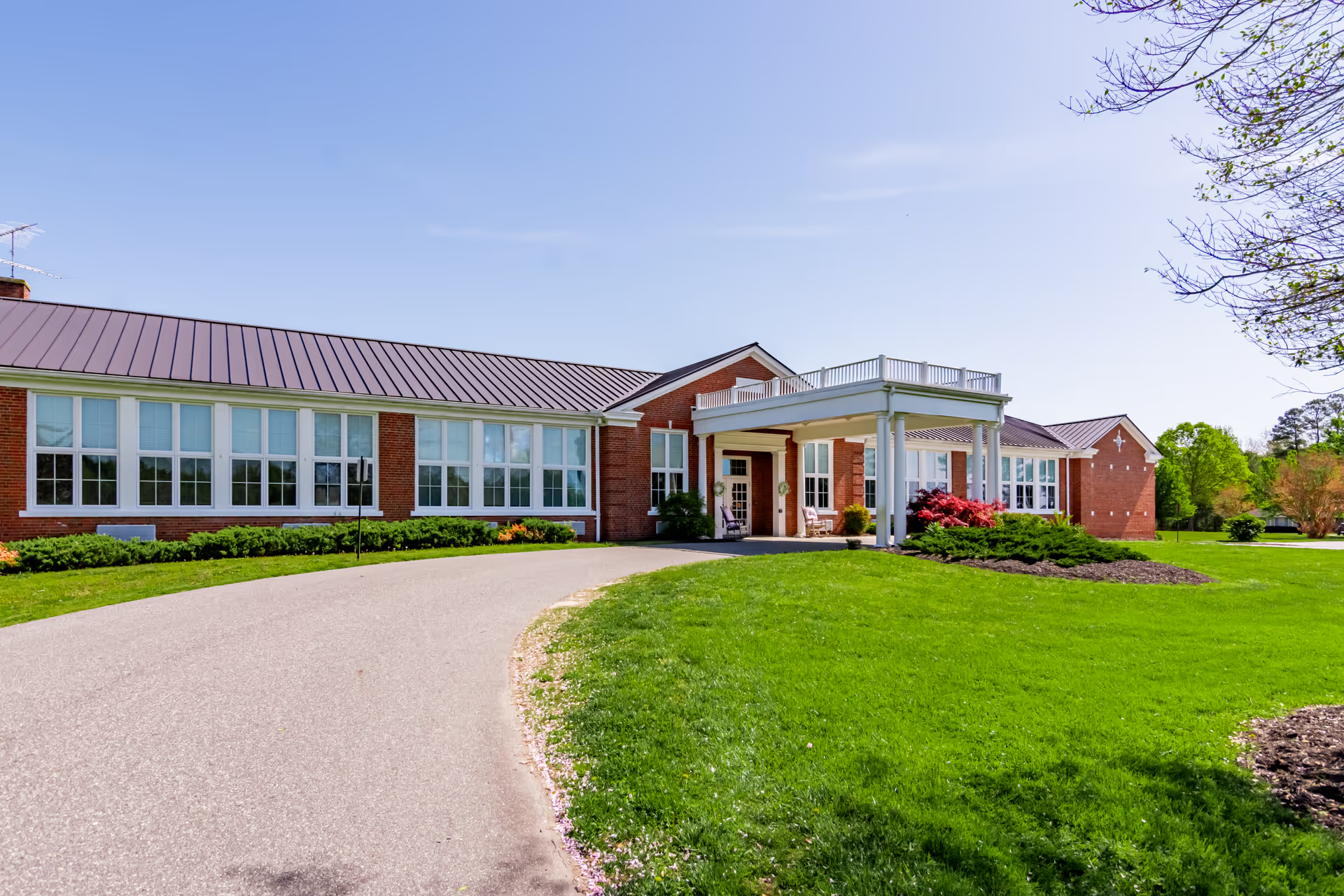
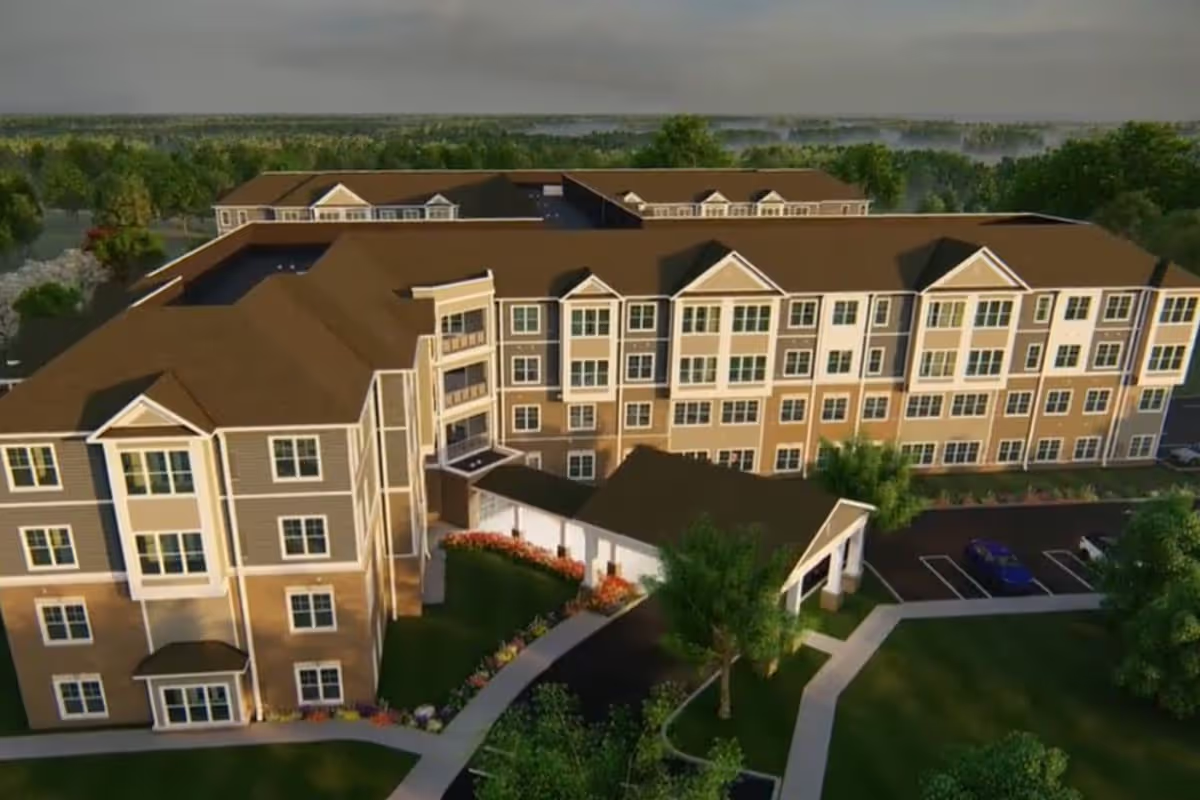
Discovery Commons at Wildewood elicits a mixed but clearly patterned set of impressions. Many reviewers emphasize the physical environment and hospitality features: the community is widely described as attractive, newly renovated, and resort‑like, with bright, well‑kept common areas, outdoor gathering spaces (courtyard, front porch, gazebo, fire pit), a bistro, and private rooms with en‑suite bathrooms. Families and residents frequently praise concierge and leadership visibility, on‑site ancillary services (beautician, podiatry), and regular visits from medical providers, which contribute to a sense of convenience and clinical access.
Staff quality and day‑to‑day caregiving are often named as strengths. Numerous comments describe staff as kind, compassionate, and attentive; long‑tenured caregivers and activity personnel are credited with creating a family‑like atmosphere and individualized interactions. Activity programming, outings, and family‑inclusive events receive positive mention, and many reviewers note engaging social events, fitness classes, music, and trips. The dining program is also commonly praised for meals made from scratch, pleasant presentation, and accommodating picky eaters, although quality consistency is not uniform.
Counterbalancing those positives are recurring operational concerns that prospective families should evaluate closely. Staffing stability and clinical coverage are principal issues: reviewers point to high staff turnover, understaffing tied to pay and long hours, and gaps in licensed nursing availability and oversight. These workforce challenges are associated with variable responsiveness to calls for assistance, delays in attending to residents, and inconsistencies in personal‑care tasks such as oral/denture hygiene.
Safety‑and‑compliance themes appear in several accounts. Some families described lapses in safety monitoring and documentation, and there are mentions of serious clinical incidents and infections; a subset of reviews referenced regulatory deficiencies and even legal action. While such allegations appear less frequently than general praise for the staff and facilities, they indicate the need to review state inspection records, incident logs, and the facility’s incident‑response processes before admission.
Other operational observations include variability in meal‑service continuity when kitchen staffing changes, and activity programming that may not match the needs of younger, more physically active residents. Communication and administrative transparency — including clarity around contracts and adherence to agreed terms — emerged as another area for scrutiny.
Taken together, the pattern is one of a well‑appointed, activity‑oriented community with many strengths in hospitality and relational caregiving, tempered by concerns about clinical staffing stability, consistency of personal‑care practices, safety monitoring, and administrative transparency. Prospective residents and their families would benefit from focused questions during tours: current staffing ratios and licensed‑nurse coverage, recent state inspection findings, protocols for personal‑care and oral hygiene, camera and safety‑monitoring policies, food‑service continuity plans, and examples of how the community addresses family concerns and contract questions. These targeted inquiries can help clarify whether the environment’s many strengths align with an individual’s clinical and oversight needs.