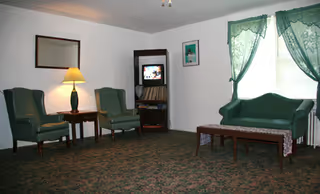
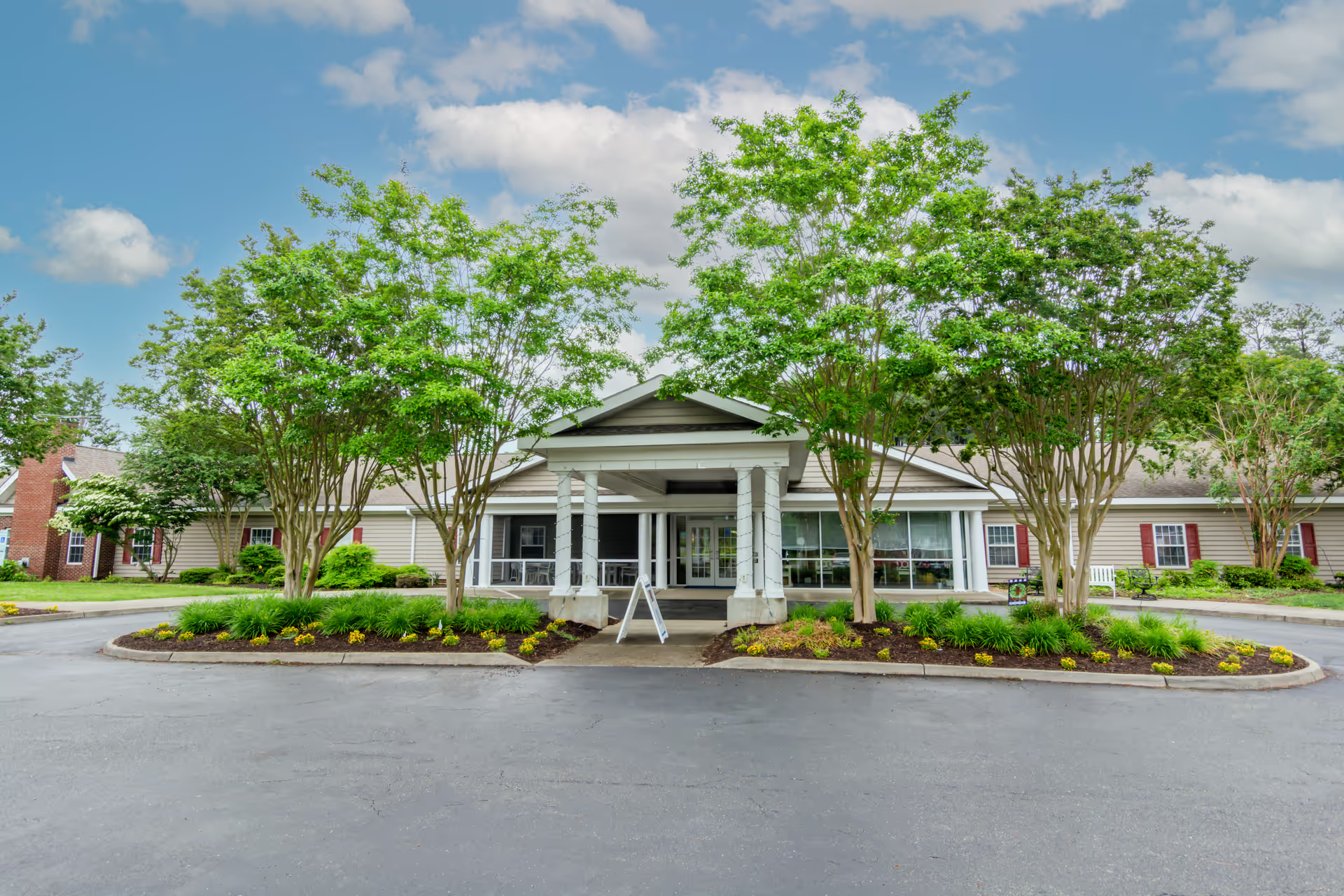
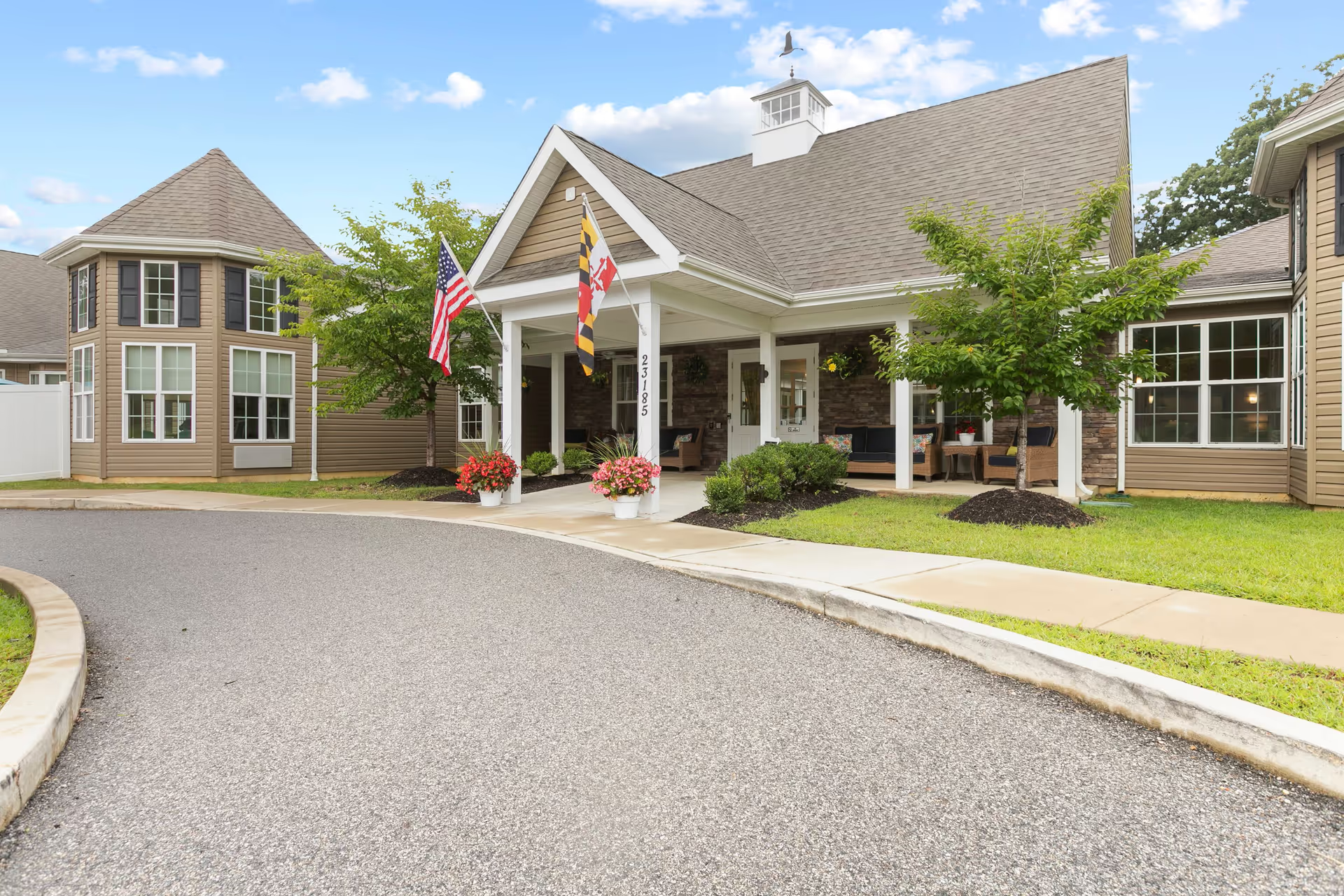
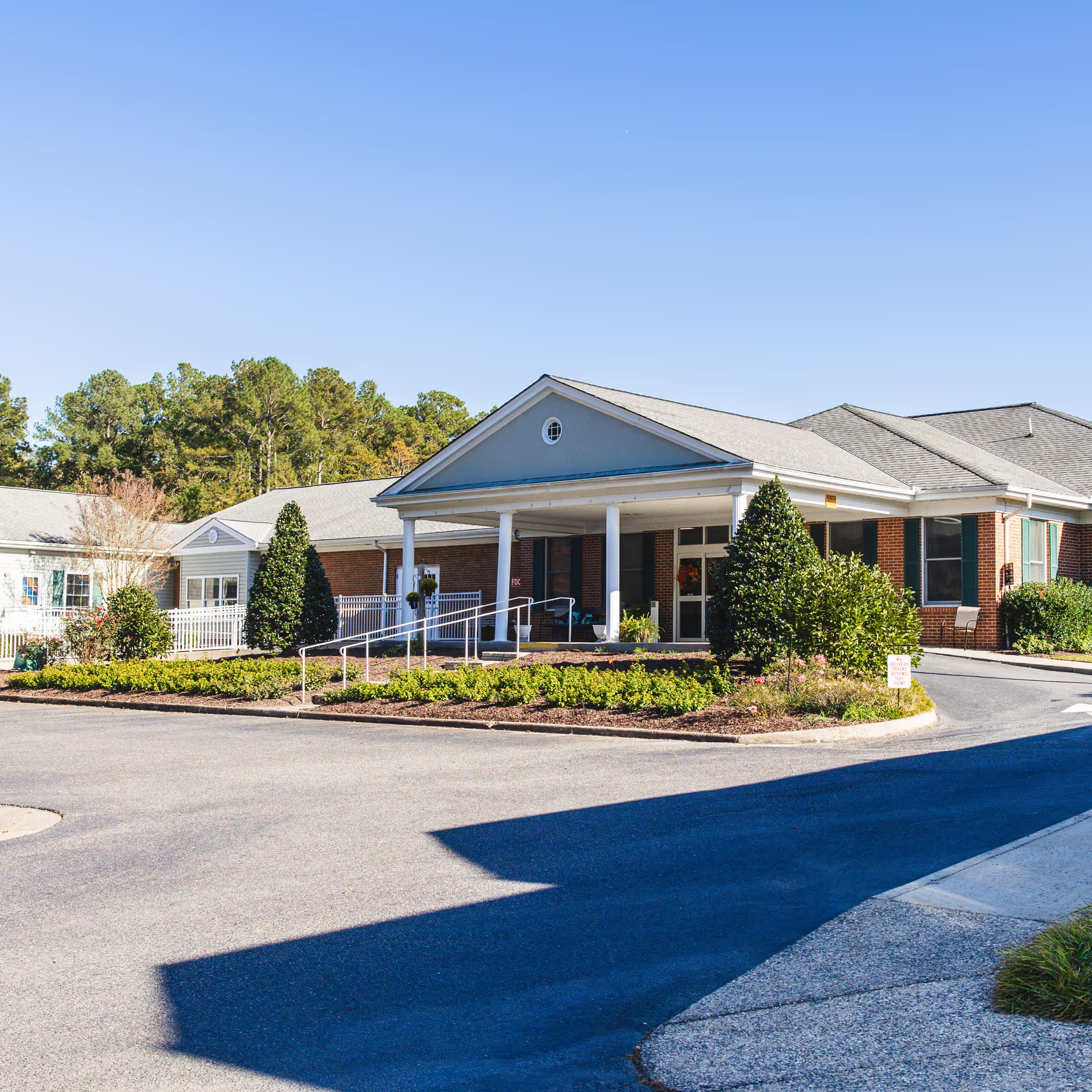
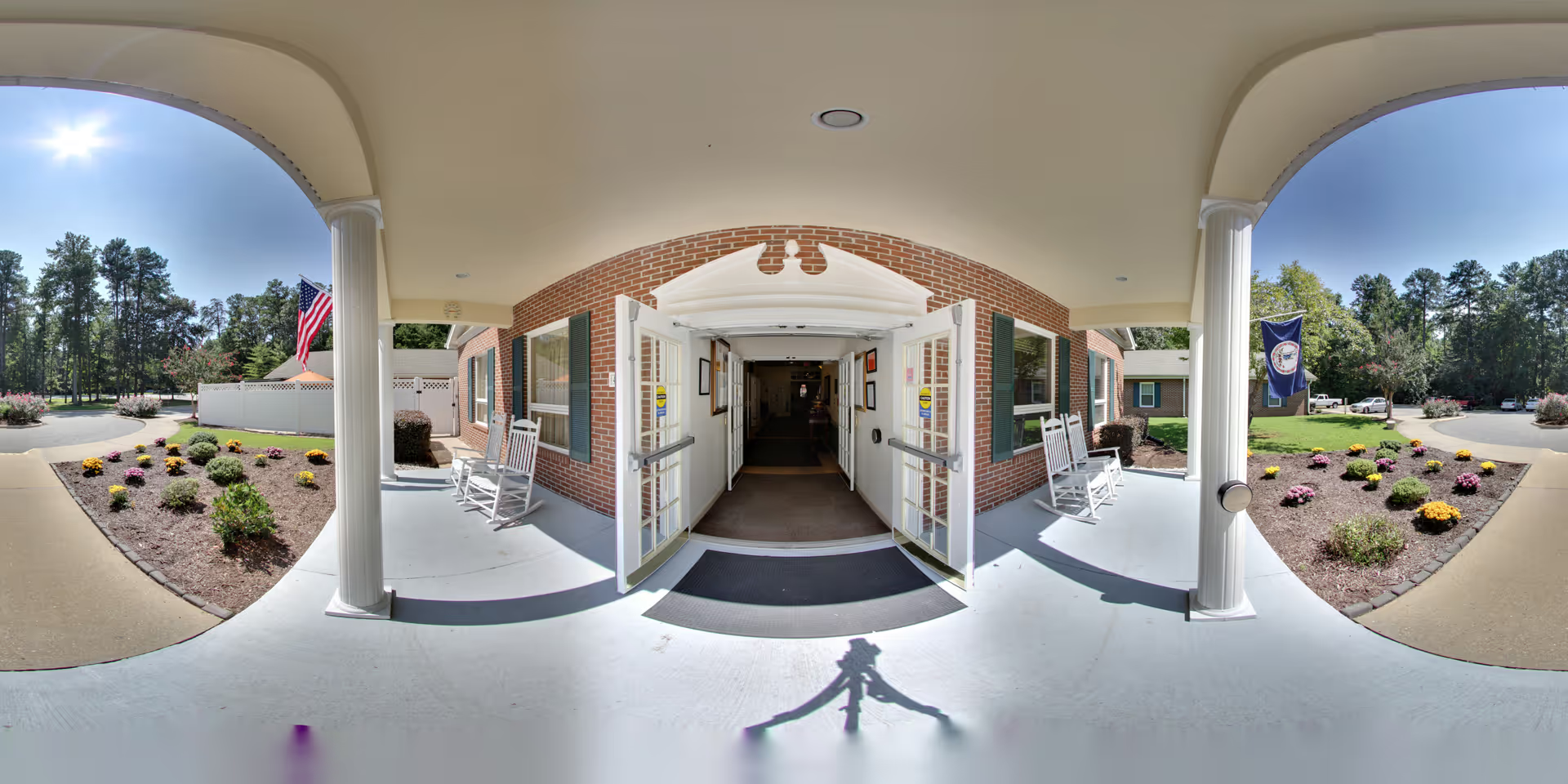
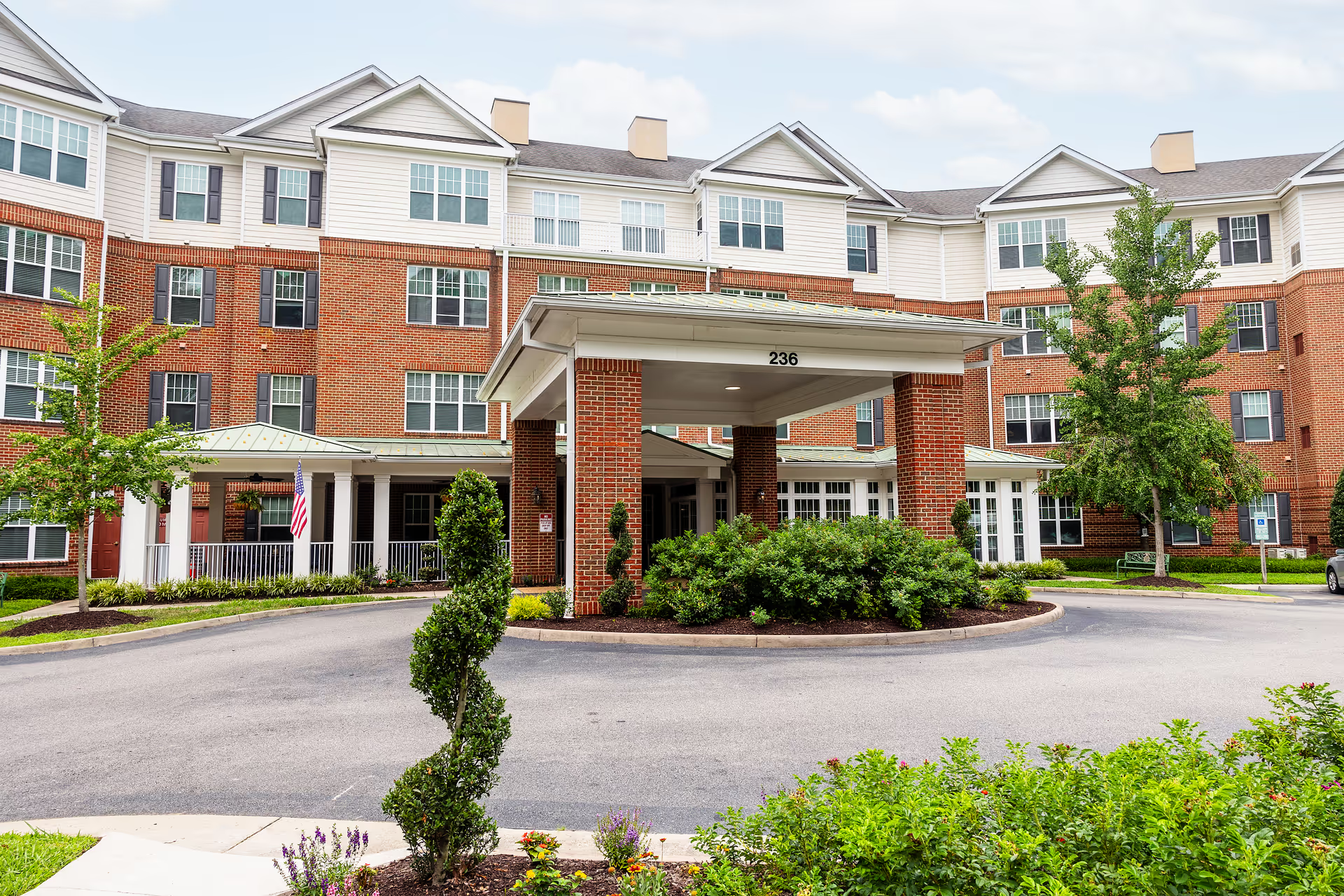
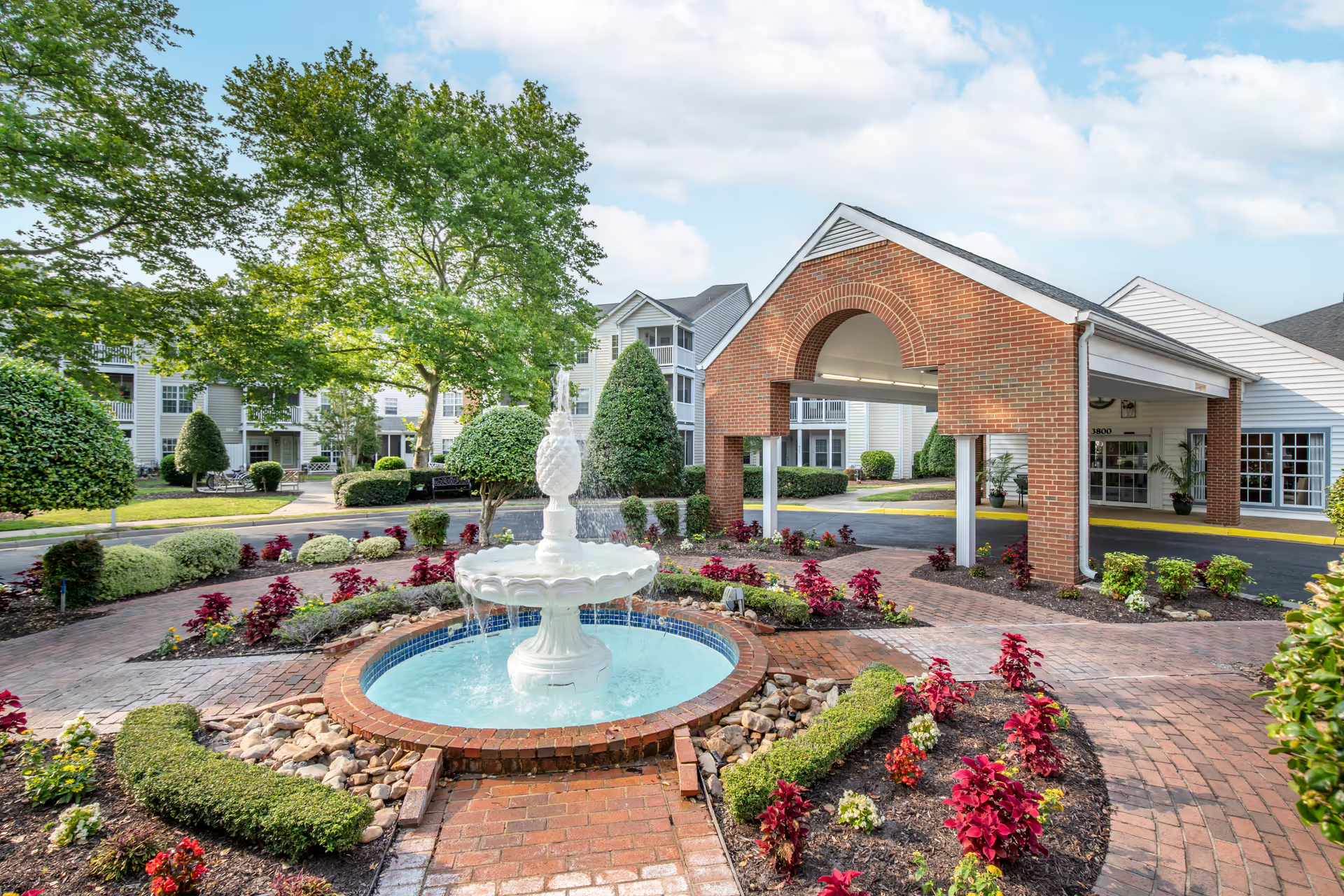
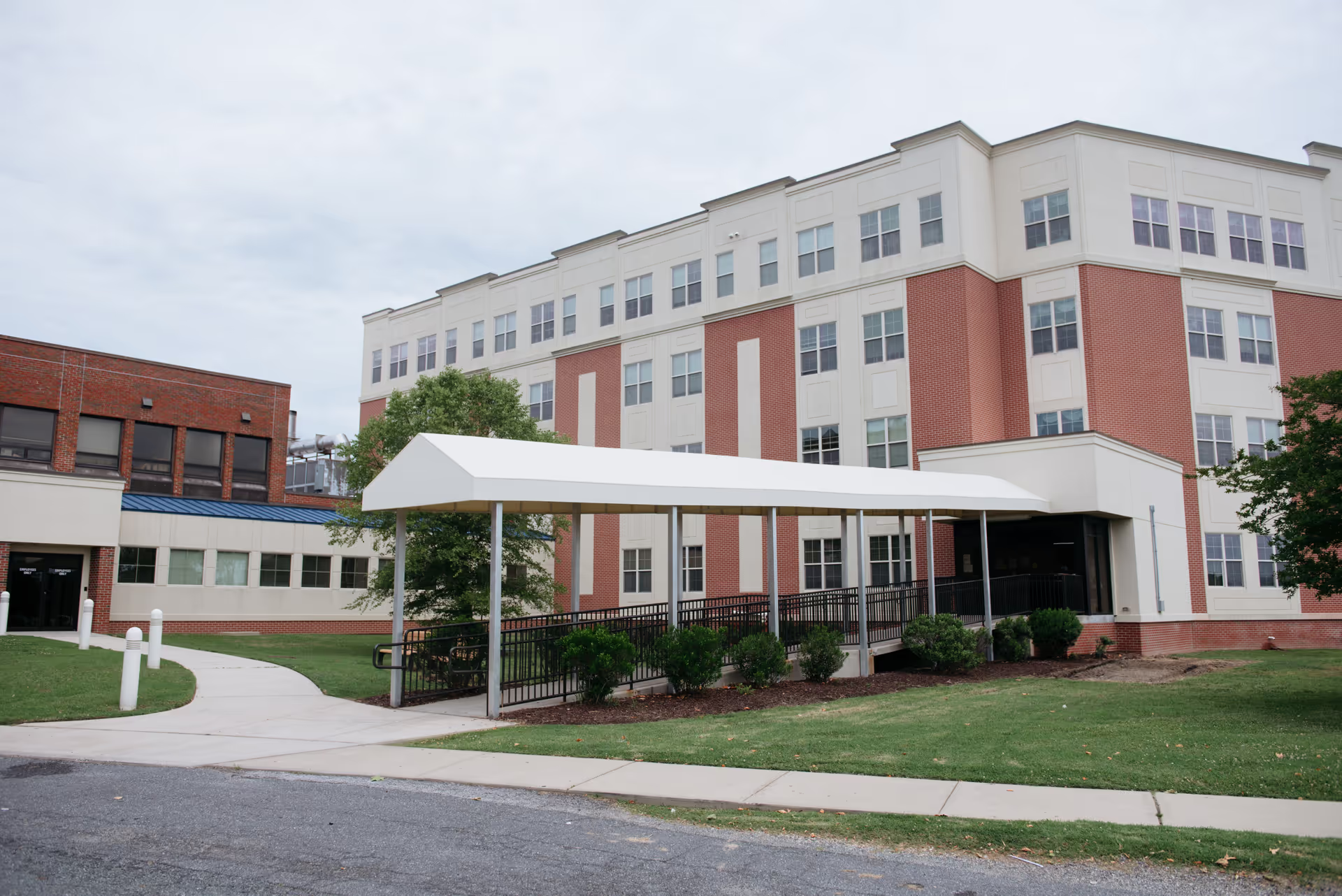
Commonwealth Senior Living at Farnham presents as a well-appointed, campus-style continuing-care community with a number of operational strengths. Reviewers consistently highlight a compassionate, stable caregiving team and attentive nursing staff, including long-tenured employees and a director of nursing noted for clinical oversight. The campus model—independent living, assisted living, and memory care on one site—offers residents access to cross-level resources, visiting physicians, 24/7 nursing coverage, hospice support, and convenient services such as a salon and on-site medical attention. Apartments and common areas are frequently described as spacious, bright, and well maintained, and the grounds and gardens are considered attractive and calming.
Dining and daily living services are a mixed picture. The facility offers on-site meal service, pleasant dining rooms, and an explicit farm-to-table/local-produce focus. Many families praised fresh-tasting, home-style meals and organized meal planning. At the same time, there are consistent comments about variability in food quality and concerns about nutritional adequacy for some residents, including unintended weight loss; some residents and family members expressed disappointment when farm-to-table expectations were not consistently met. Meal availability also appears to differ by housing type (for example, villa units having fewer included meals), so prospective residents should confirm the specific meal plan for their unit.
Activities and amenities are notable strengths for residents who are ambulatory and engaged: reviewers mention an active calendar, day trips, holiday events, game rooms, pool and bridge tables, workout facilities, and a warm, home-like social atmosphere. However, programming appears less suitable for residents who are bedbound or have very limited mobility; families reported a need for more targeted offerings and support for less-mobile residents. Housekeeping, sanitation, and odor-control practices were generally positive but uneven across units, with some mentions of limitations in weekend cleaning coverage and localized sanitation concerns. Prospective residents should inquire about housekeeping schedules and unit-specific practices.
Operational patterns to investigate during a visit include admissions and tour coordination (some reviewers found tours disorganized), accessibility for larger mobility devices (doorway widths and scooter access), exterior lighting and parking-lot safety, and perceived value relative to pricing. A few families noted communication gaps with leadership or desire for more clinical experience at the management level; others praised improvements in responsiveness and added services after management attention. Overall, the community receives repeated praise for its caregiving culture, medication management, and end-of-life support, but families should tour the specific unit, review meal plans and staffing schedules (including weekend coverage), and assess mobility/accessibility and sanitation protocols before deciding.