Overall assessment: Reviews reflect a highly mixed picture. Many families and patients praised clinical rehabilitation, therapy staff, and day-to-day caregivers for being compassionate, attentive, and effective at returning residents home. At the same time, a recurring set of operational shortcomings—centered on sanitation, medication handling, staff conduct, property management, and facility upkeep—were described often enough to represent systemic concerns for prospective residents and families.
Care and clinical responsiveness: Therapy services (physical and occupational) and the facility’s rehabilitation program receive consistent positive feedback for clinical skill, individualized mobility strategies, and successful discharge outcomes. Attentive CNAs and several named nurses and therapists were highlighted for compassionate, hands-on care. Conversely, there are repeated concerns about medication delays, canceled or missed pain prescriptions, slow physician notification for clinical changes, and episodic long waits for assistance. These issues have been associated with falls, wound-care concerns, and transfers to acute care in some accounts. Families should ask about on-site clinical coverage, medication-administration protocols, and escalation procedures when evaluating placement.
Staff and communication: Staff-level experiences are polarized. Many reviewers describe kind, invested caregivers, strong rapport between therapy and families, and helpful administrative coordinators who smooth transitions. Other accounts describe inconsistent communication tone, perceived rudeness, and examples of staff conduct that undermined trust. There are mentions of high staff turnover and short-staffing as contributors to delayed assistance and uneven resident supervision. Prospective families should inquire about staffing ratios, turnover rates, complaint handling, and avenues for raising concerns.
Dining and activities: The facility’s activities program is a clear strength for many residents: regular social events, crafts, bingo, birthday celebrations, singing and dancing, and occasional pet visits contribute to social engagement. Culinary staff were praised in numerous reviews for taking pride in meals and preparing favored items. At the same time, other reviewers cited inconsistent food quality, small portions, and irregular snack availability. Ask to sample menus, review meal-service routines, and observe activity schedules during a visit.
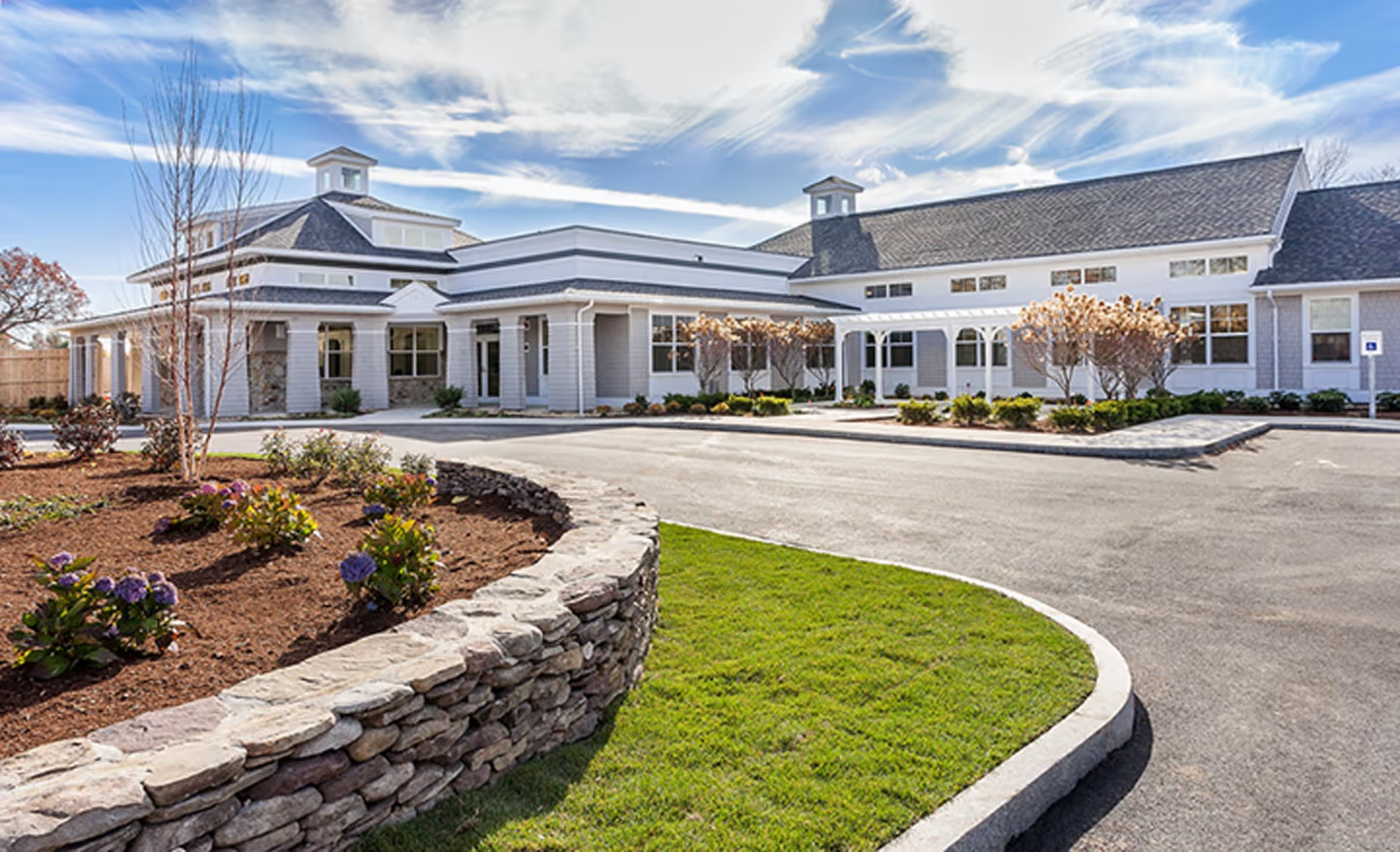
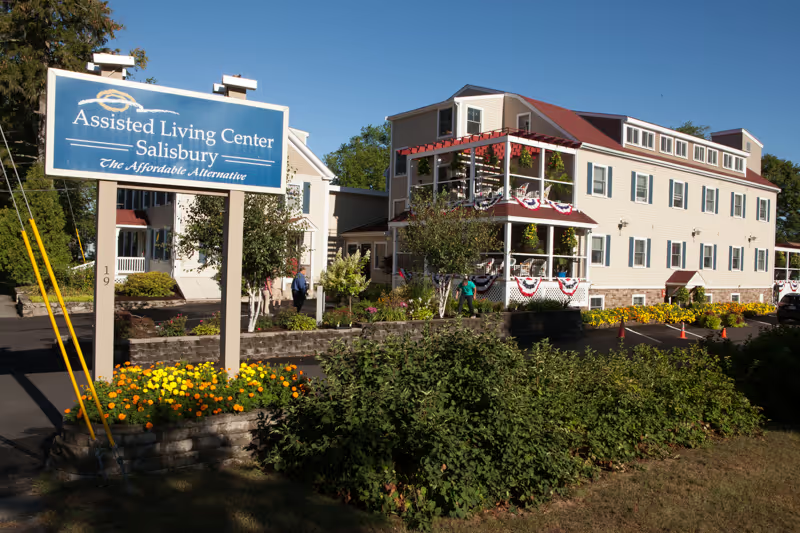
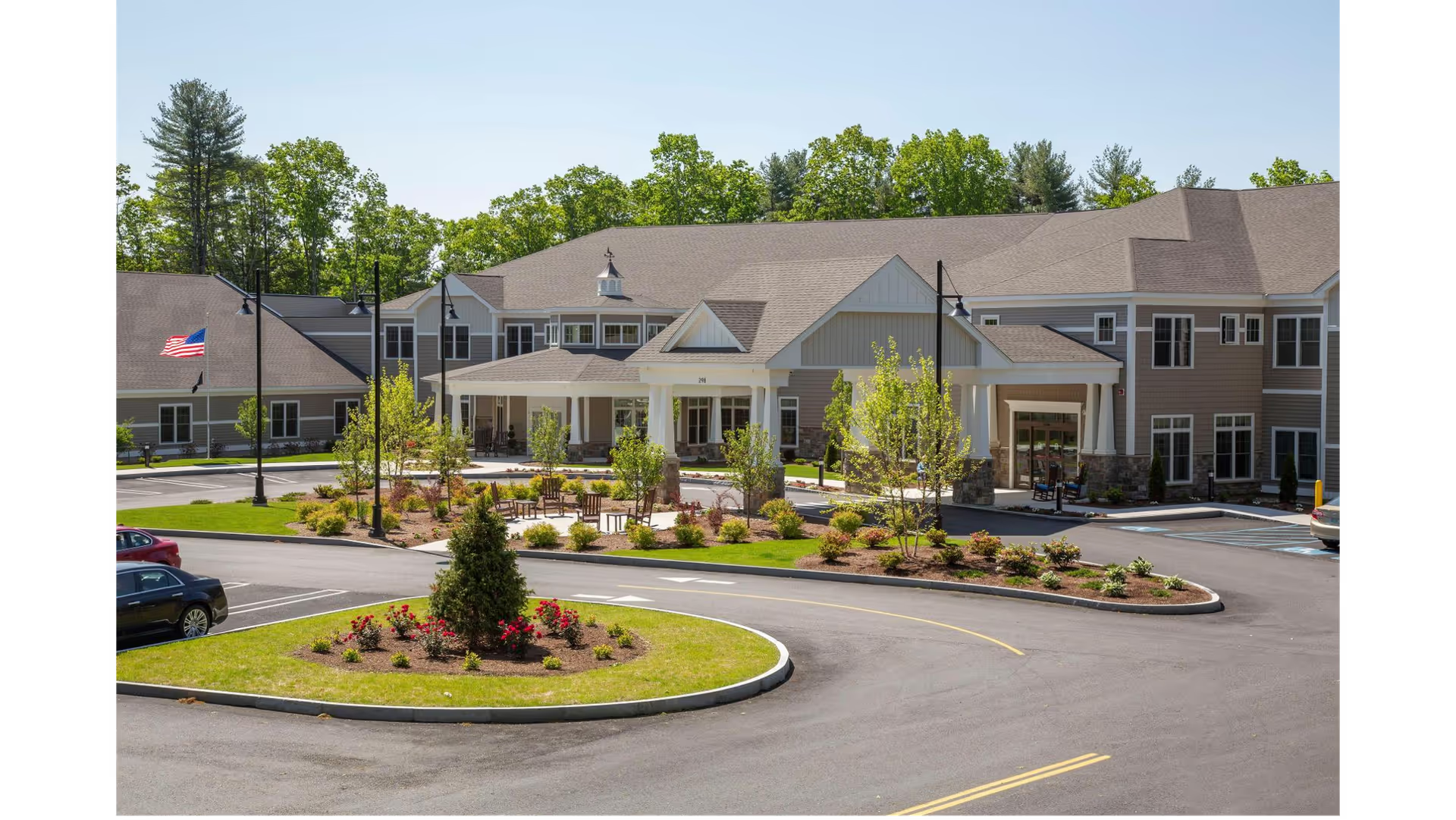
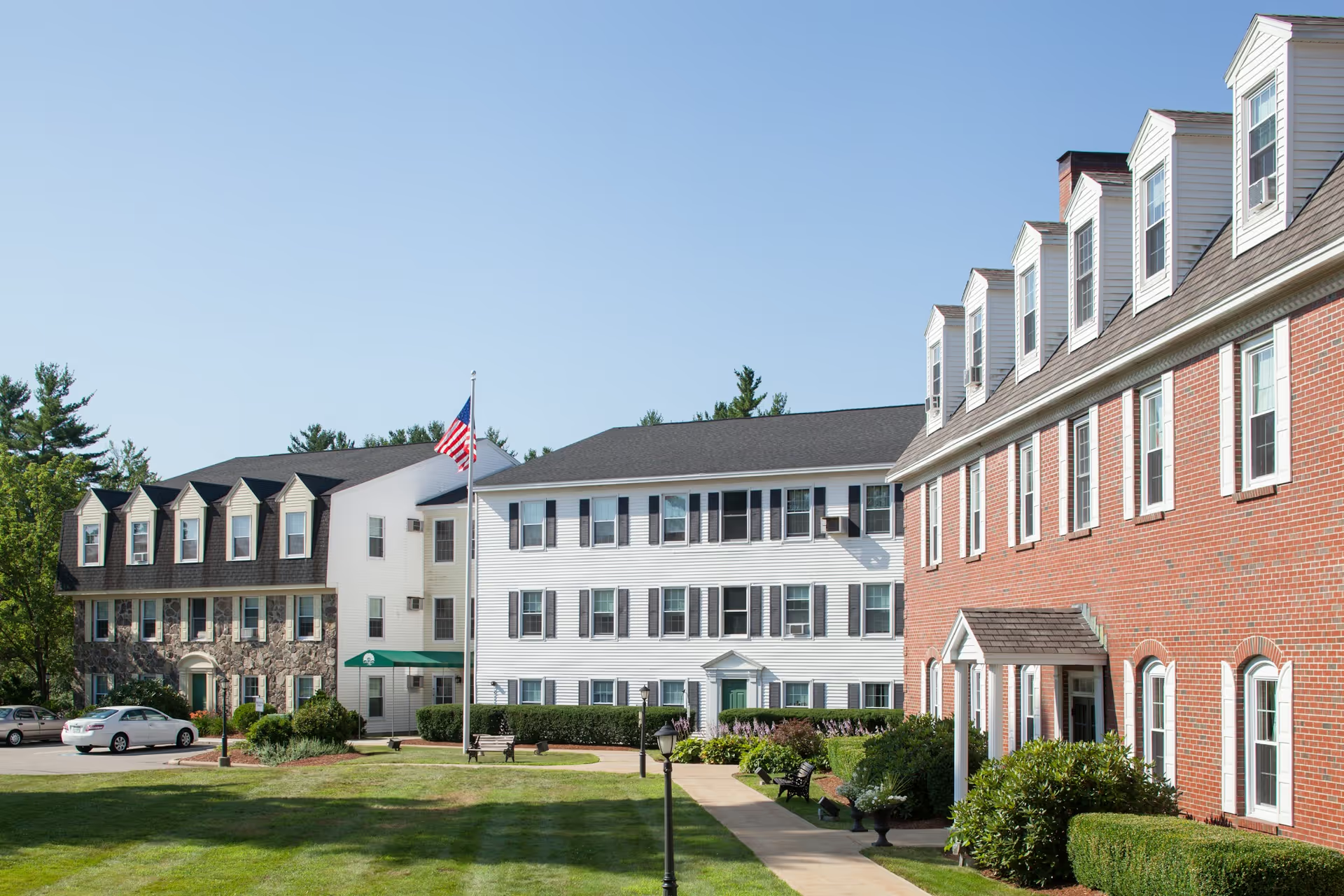
Facilities, housekeeping, and property security: Descriptions of the physical plant vary: some families report clean, spacious areas, pleasant outdoor spaces, and comfortable rehab rooms; others describe dated furnishings, sanitation issues, odor concerns, sticky floors, and maintenance problems such as broken beds. A notable pattern involves mishandling of personal belongings and failures in property controls—lost or incompletely returned items were a common complaint. Bathroom privacy and security (locks/door functionality) and general maintenance responsiveness were also identified as weaknesses. Confirm housekeeping schedules, property-handling policies, maintenance request turnaround, and bathroom privacy arrangements before placement.
Management and notable patterns: Reviewer sentiment toward leadership is divided. Several accounts praise administrators and coordinators for being resident-focused and responsive; other accounts describe poor complaint resolution, heavy-handed administrative responses, and inadequate follow-through. A few reviews raise serious allegations, including property loss and financial disputes; such claims merit verification through facility management and, if warranted, regulatory records. Some reviews indicate improvement under new management or ownership—prospective families should ask about recent leadership changes and any resulting quality-improvement initiatives.
Guidance for families: Maplewood appears to deliver strong rehabilitative care for many patients and offers an active social program, but there are recurring operational concerns that affect safety perception and family trust. When considering this facility, families should tour multiple times, meet therapy and nursing leaders, review current staffing and medication-administration protocols, observe cleanliness and dining at meal times, ask about property safeguards, and request documentation of incident response and regulatory history. Documenting conversations and following up in writing can help families evaluate whether the facility’s strengths align with an individual’s clinical and personal priorities.