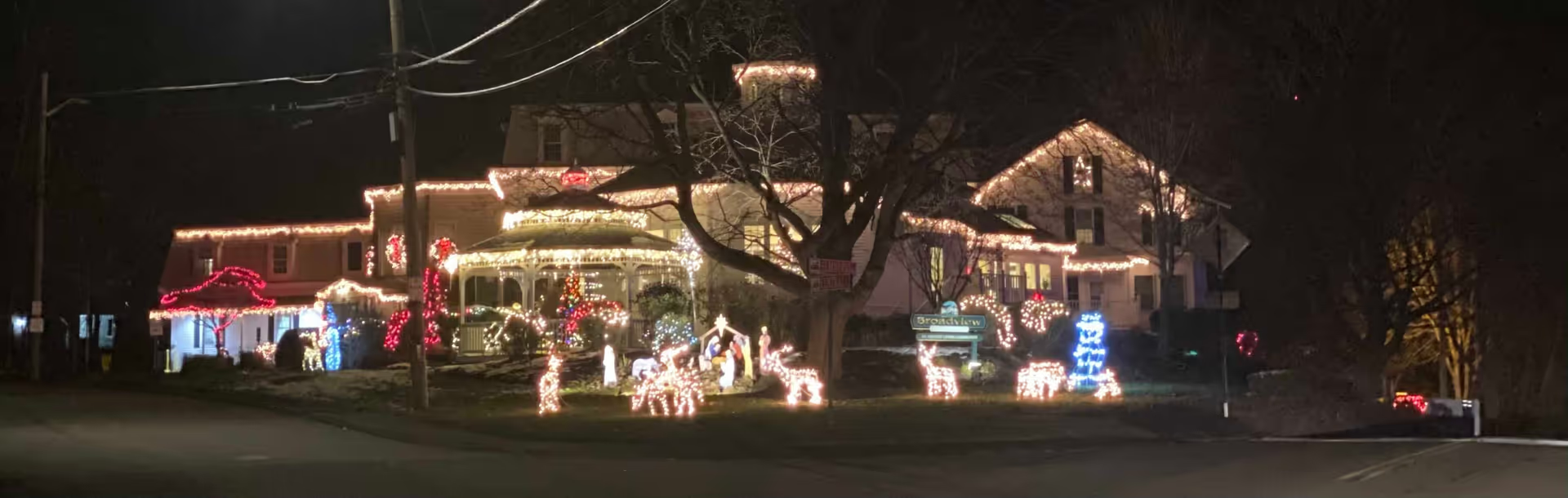
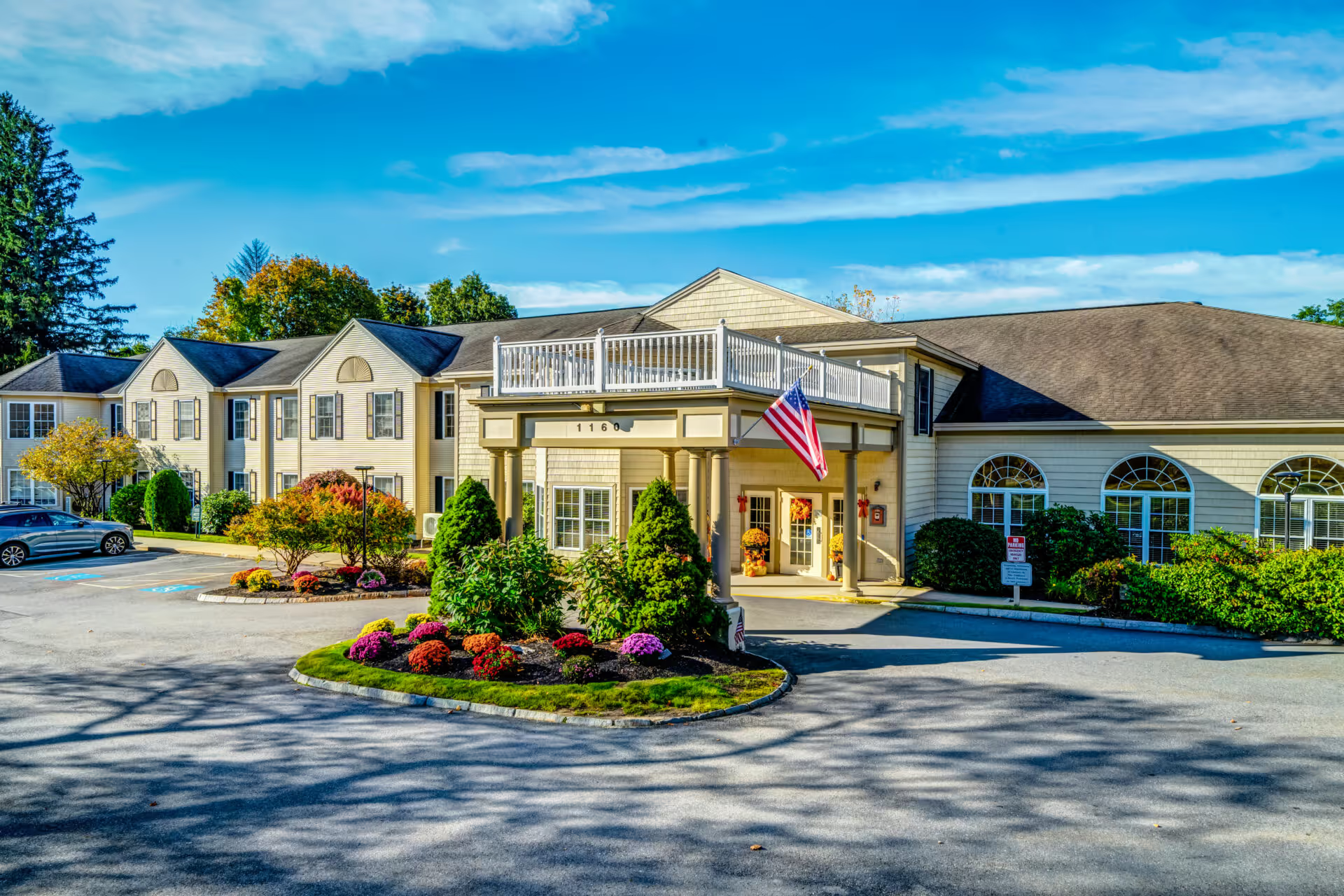
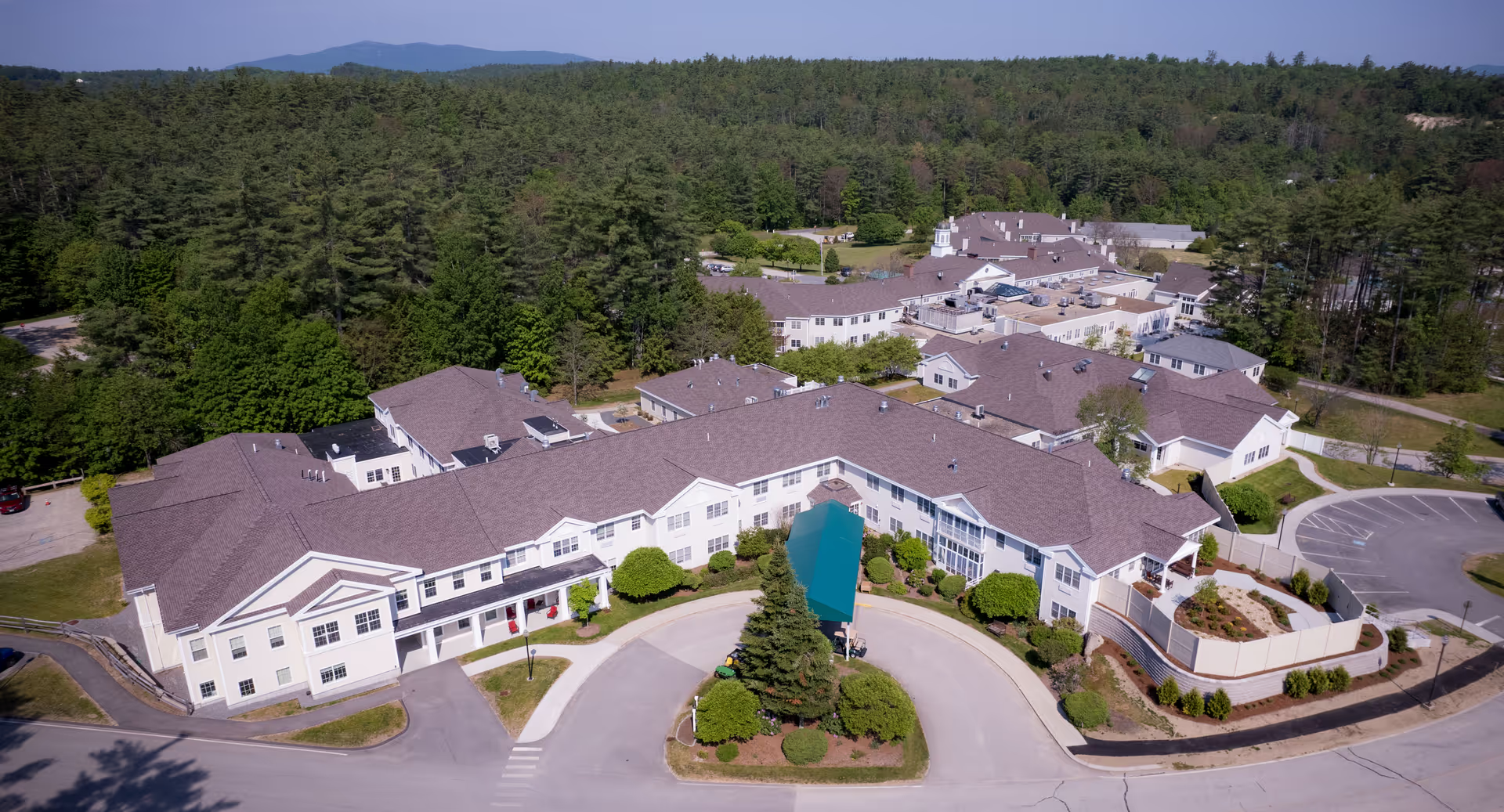
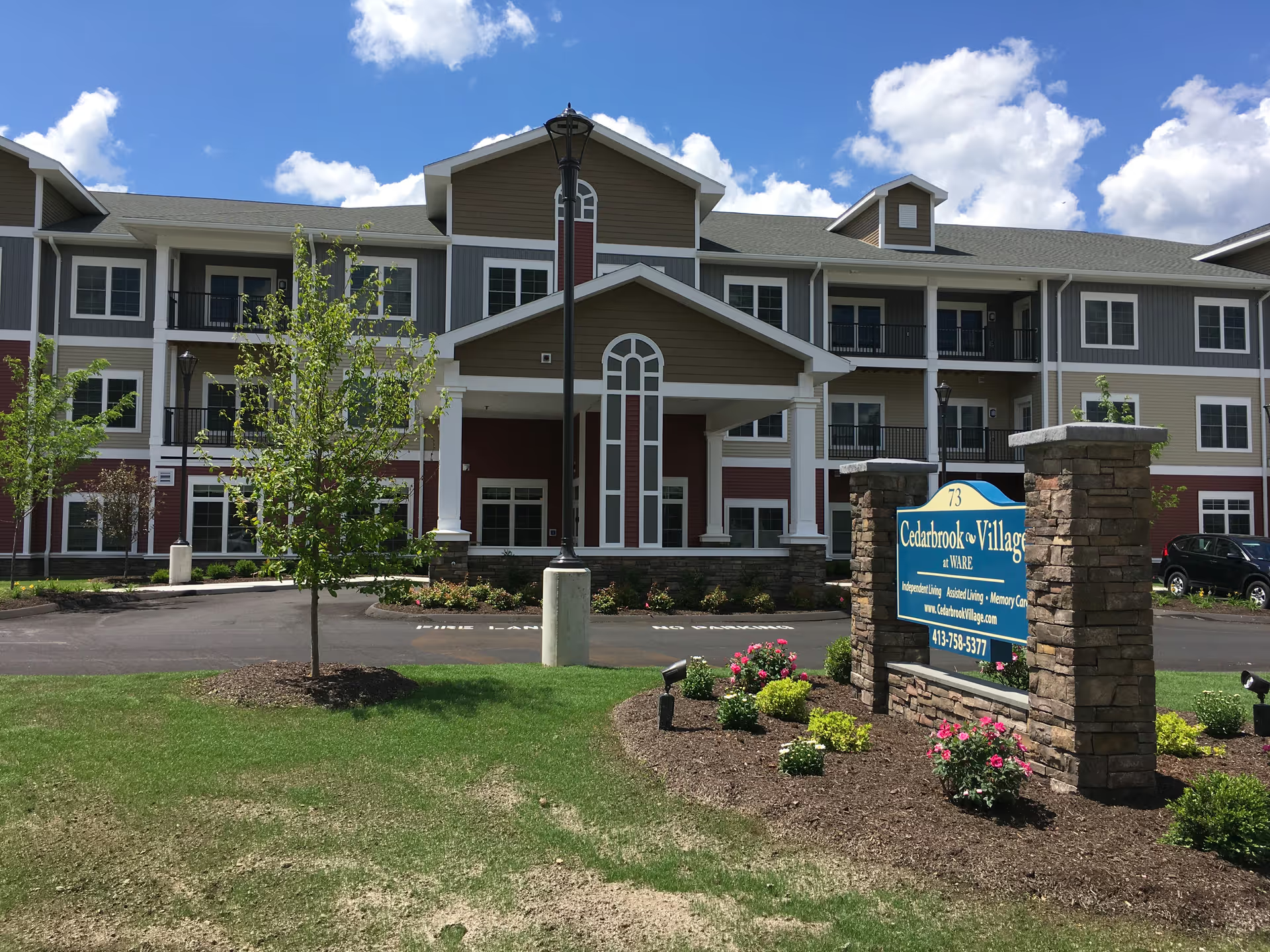
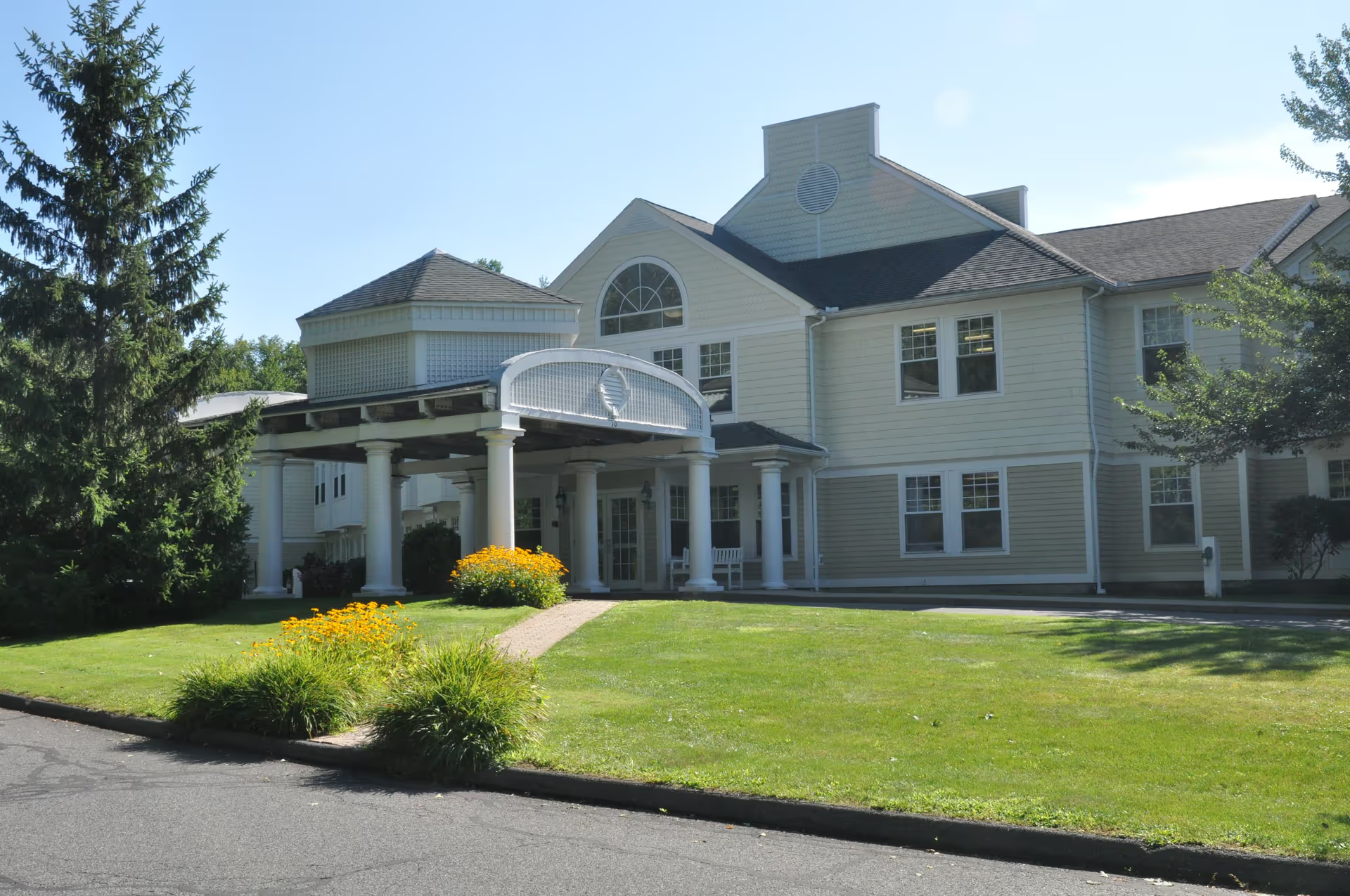
The reviews paint Applewood Home for Elders as a facility with a strong residential feel and numerous quality-of-life strengths. Many families describe a warm, familiar staff and a home-like environment that is clean, well-maintained, and seasonally decorated. Common areas are described as comfortable and inviting — with features such as a fireplace, piano, large windows, and plentiful seating — and the grounds are noted for being scenic and peaceful, with an outdoor patio that supports outdoor time.
Care and staffing are frequently praised: reviewers emphasize compassionate, attentive caregiving, personalized touches, and visible teamwork. Several accounts highlight staff who go above and beyond, an owner who is engaged, and supportive assistance during transitions. These comments suggest dependable day-to-day responsiveness for general assisted-living needs and strong interpersonal relationships between staff and residents.
The facility’s activity program and dining receive positive mention. Reviewers note a range of activities — craft room projects, jigsaw puzzles in common spaces, movies in the day room, seasonal entertainment and musical offerings — that support social engagement and resident interests. Dining is described positively in multiple comments, and individual rooms are characterized as spacious and comfortable.
Despite the generally favorable impressions, there are serious concerns flagged about memory-care and safety. At least one reviewer raises an allegation of significant shortcomings in memory-care operations, describing inadequate supervision and unsafe roaming behavior. These accounts indicate potential gaps in memory-care programming and resident monitoring that could present safety risks for people with cognitive impairment. Relatedly, reviewers point to potential weaknesses in how the facility investigates and resolves critical incidents and communicates about them.
Taken together, the pattern suggests a facility that offers a warm, activity-rich, and well-kept environment for many assisted-living residents, with a staff culture that families often find supportive. However, those considering placement for someone with memory impairment should seek targeted information about memory-care staffing ratios, wandering-prevention protocols, incident-reporting procedures, and recent regulatory or inspection history. Confirming how the facility documents, investigates, and follows up on serious incidents will be important for families focused on cognitive-care safety and oversight.