CareOne at Essex Park elicits a polarized set of impressions. Many families and clinicians praise the facility's therapy services and a cohort of compassionate direct-care staff: physical and occupational therapy are repeatedly described as skilled and effective, and numerous reports cite successful short-term rehabilitation leading to safe discharge home. Multiple reviewers also describe individual nurses and aides who provide attentive, personalized care; housekeeping and common-area maintenance are frequently viewed as strengths, contributing to an overall orderly appearance.
At the same time, a consistent theme is variability in operational reliability. Communication gaps between staff, families, and outside providers recur across accounts: families describe delayed or absent updates, unclear discharge dates, and difficulty reaching social-work and administrative contacts. Management responsiveness is uneven; some families report timely executive or director-level availability while others encounter unreturned calls or delayed meetings. Administrative communication systems, including phone and fax processes, are described as unreliable, which can complicate insurance, transfer, and coordination tasks.
Staffing and clinical-practice issues appear connected to many of the negative patterns. Reviewers describe staffing shortages and frequent use of temporary agency personnel, which correlates with inconsistent call-light response times, variability in personal-care assistance, and missed or delayed medication administration in some cases. Clinical monitoring and medication timeliness are areas of reported concern; families note instances where symptoms were not escalated promptly and where medication or therapy schedules were inconsistent. There are also reports indicating gaps in dementia-unit training and supervision, and operational lapses such as unsecured movement-control protocols that suggest the need for strengthened resident-safety processes.
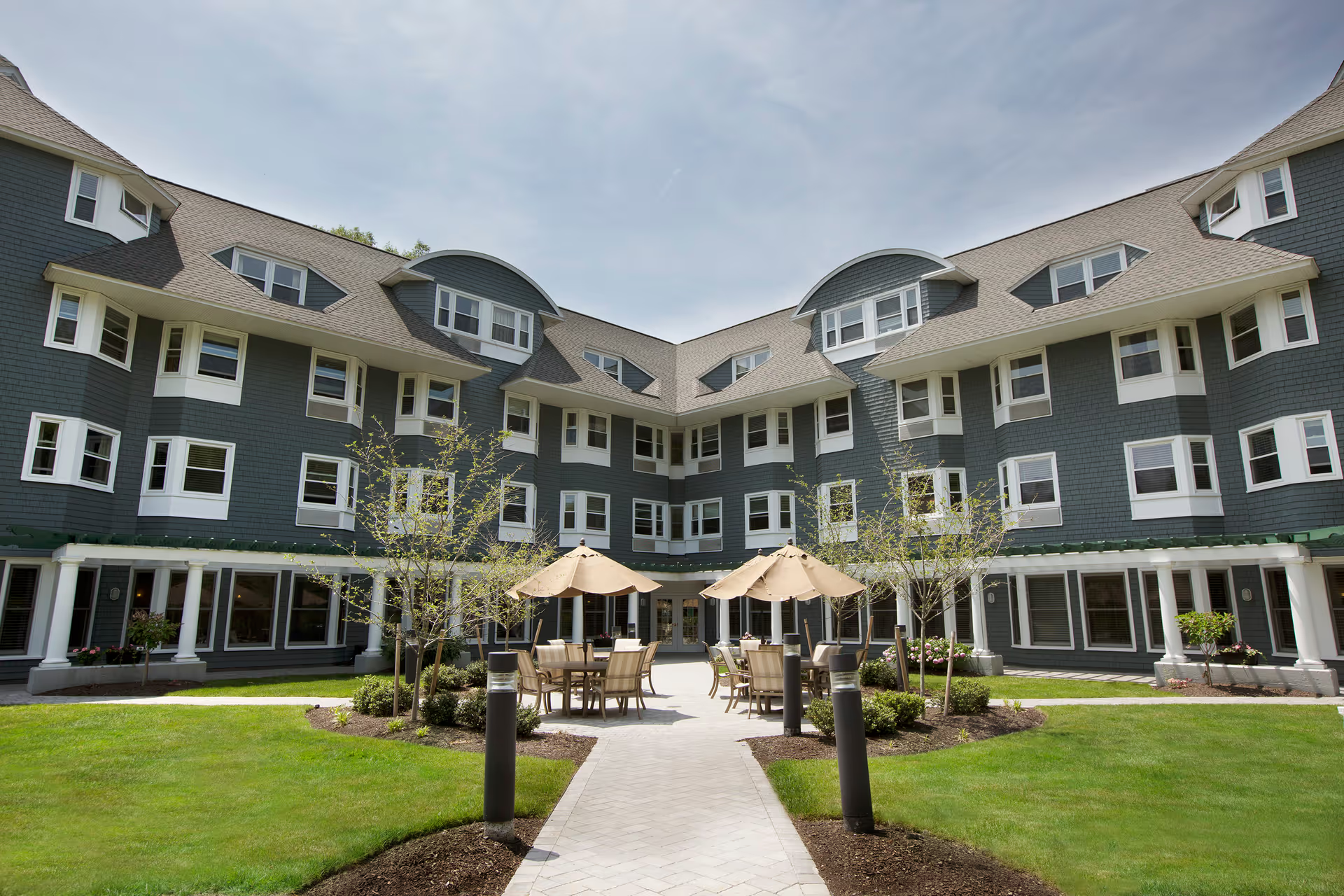
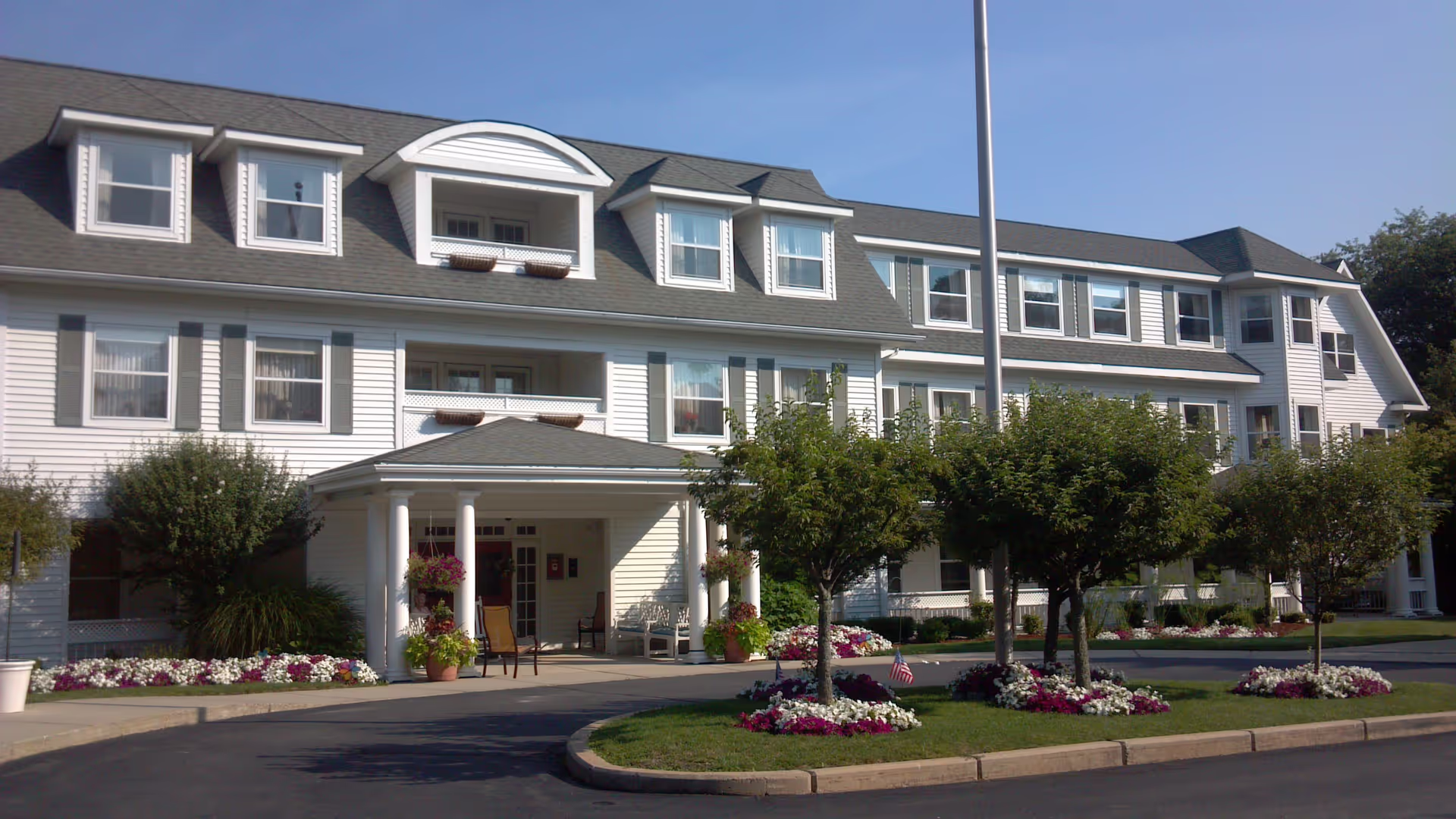
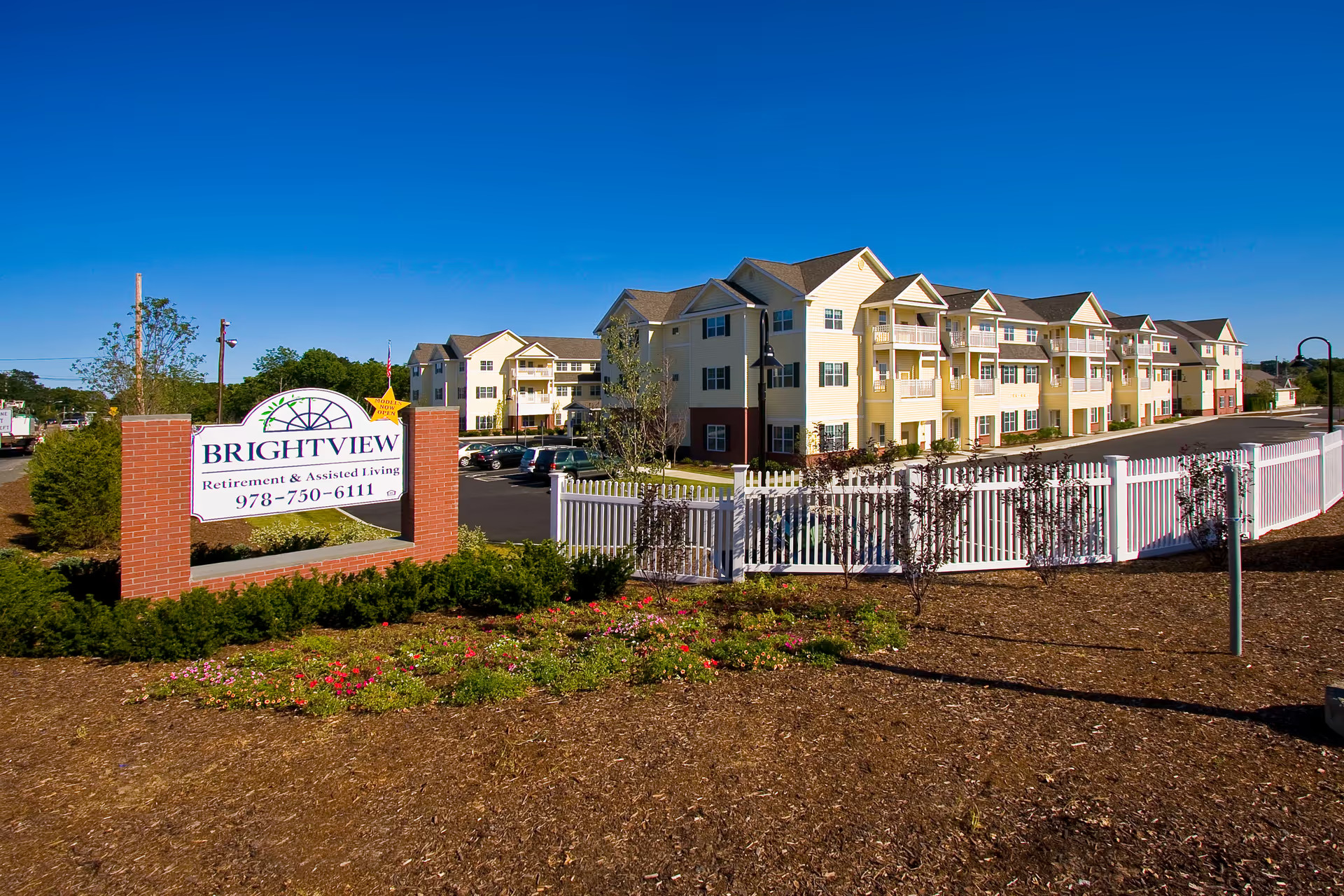
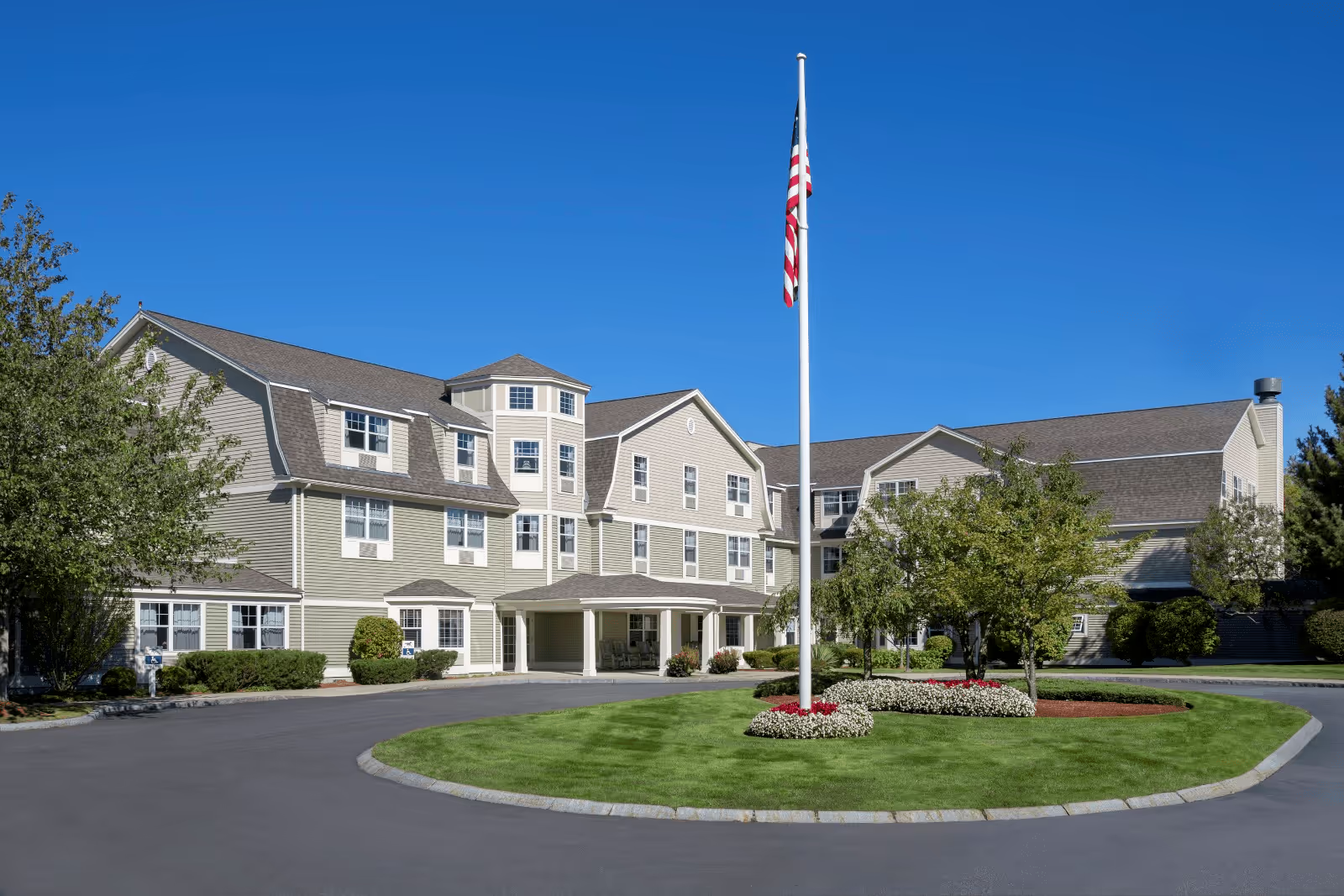
Facility services show mixed performance. The therapy and activity programs are generally praised for frequency and engagement, but dining quality is inconsistent: some reviewers find meals satisfactory while others cite limited protein choices and unpalatable offerings. The building is described as clean and well-maintained overall, yet reviewers note older infrastructure in places — small bathrooms, crowded halls with equipment, and localized odor or sanitation concerns that warrant attention.
Several reviewers raised serious concerns about property and financial handling, including missing personal items and funds directed to third parties; these matters are significant and characterized here as allegations that merit formal review. Other major patterns include inconsistent end-of-life planning and family notification practices, and isolated reports of clinical incidents that families felt were poorly managed. These issues coexist with strong pockets of clinical and personal-care excellence, which suggests that quality is uneven across units and shifts rather than uniformly high or low.
For prospective residents and families: the facility demonstrates clear strengths in rehabilitation services, many dedicated nurses and aides, and an engaged therapy and activities program. However, please plan for variability in communication, administrative responsiveness, and some aspects of clinical oversight. When evaluating placement, request written protocols for medication administration, advance-care planning and health-care proxy encouragement, property and financial handling procedures, staffing ratios for the anticipated unit and shift, and direct contact pathways for escalation. Those steps will help clarify whether the facility's strengths align with your care priorities and whether operational risks identified by other families have been mitigated.