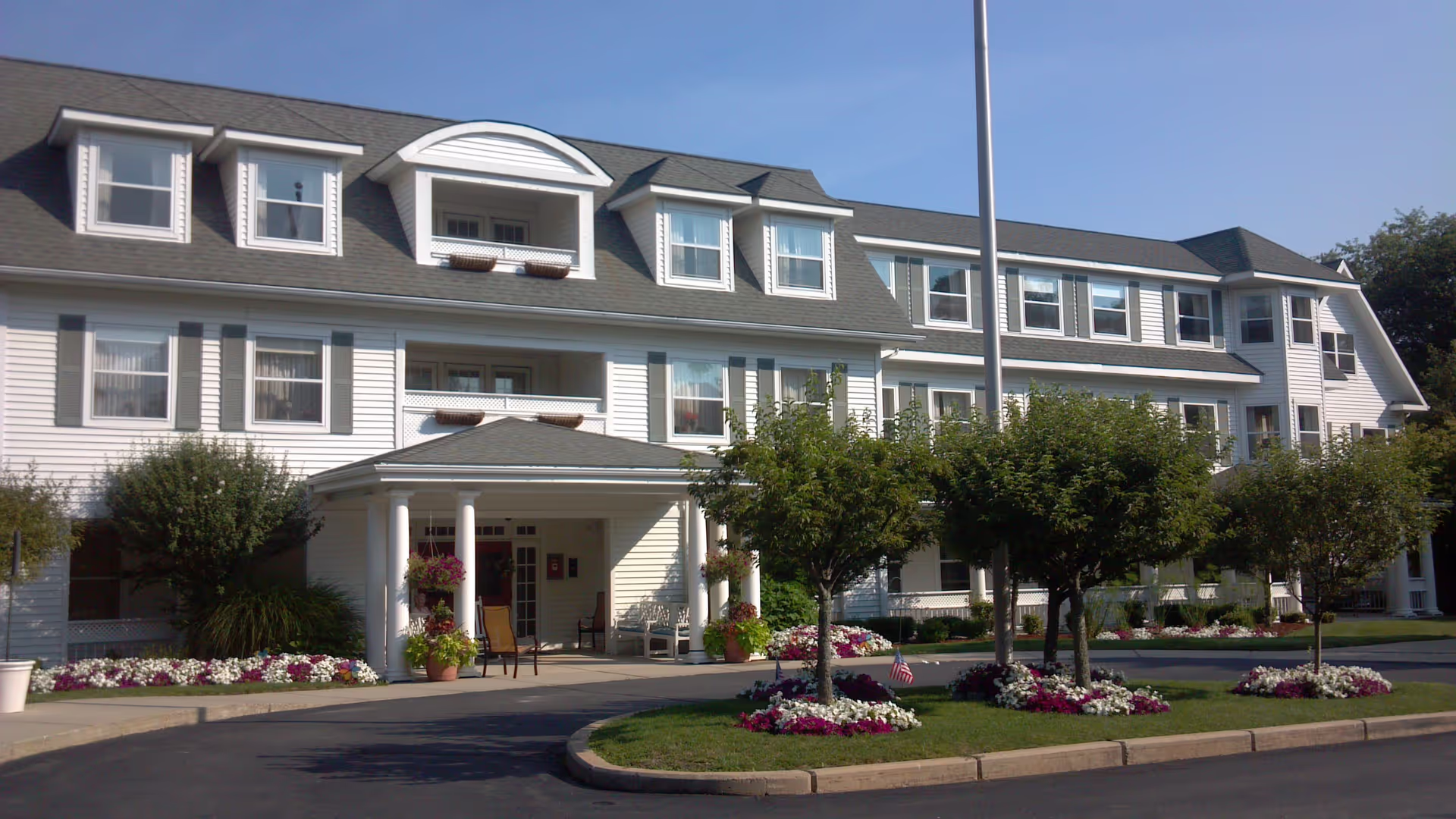
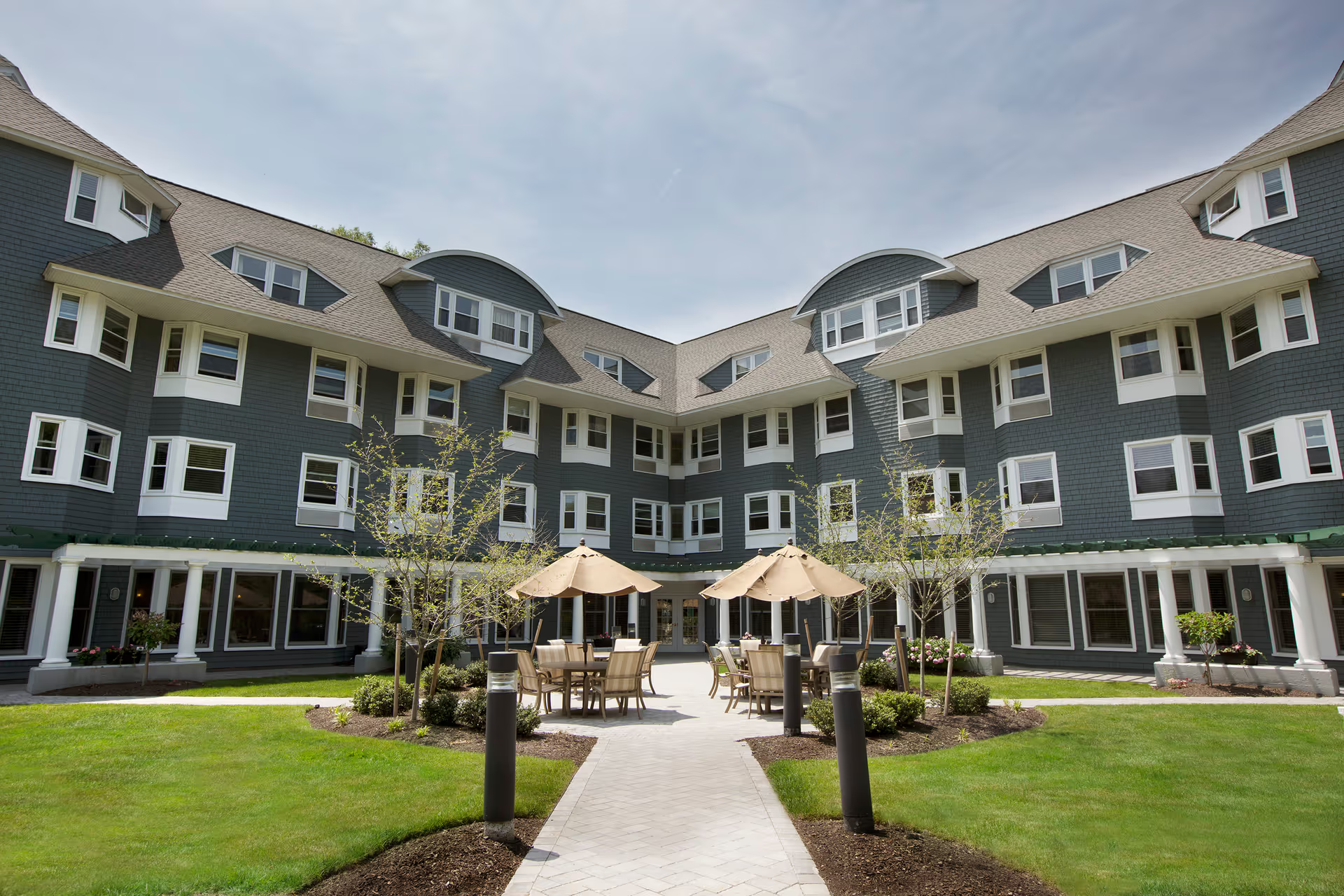
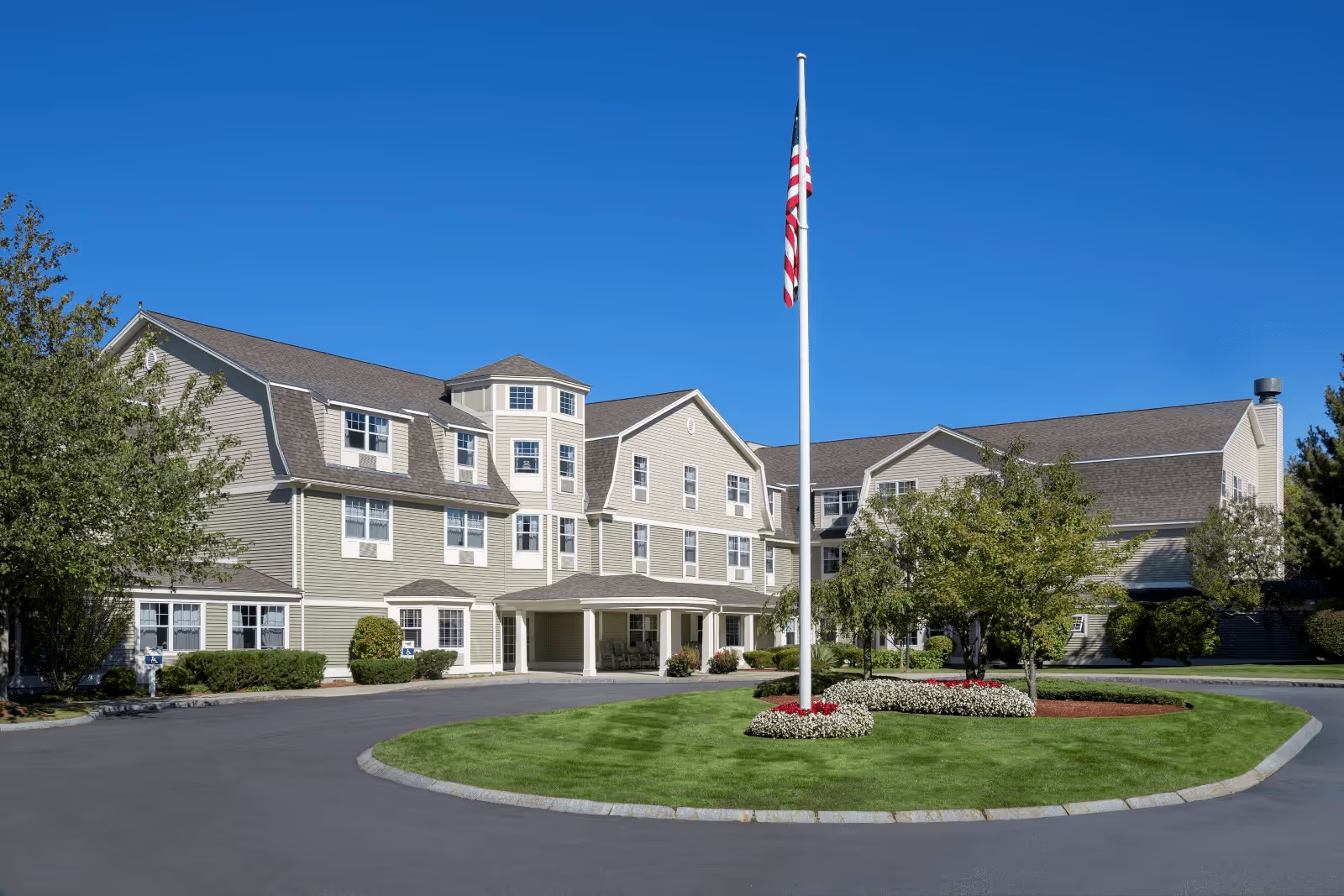
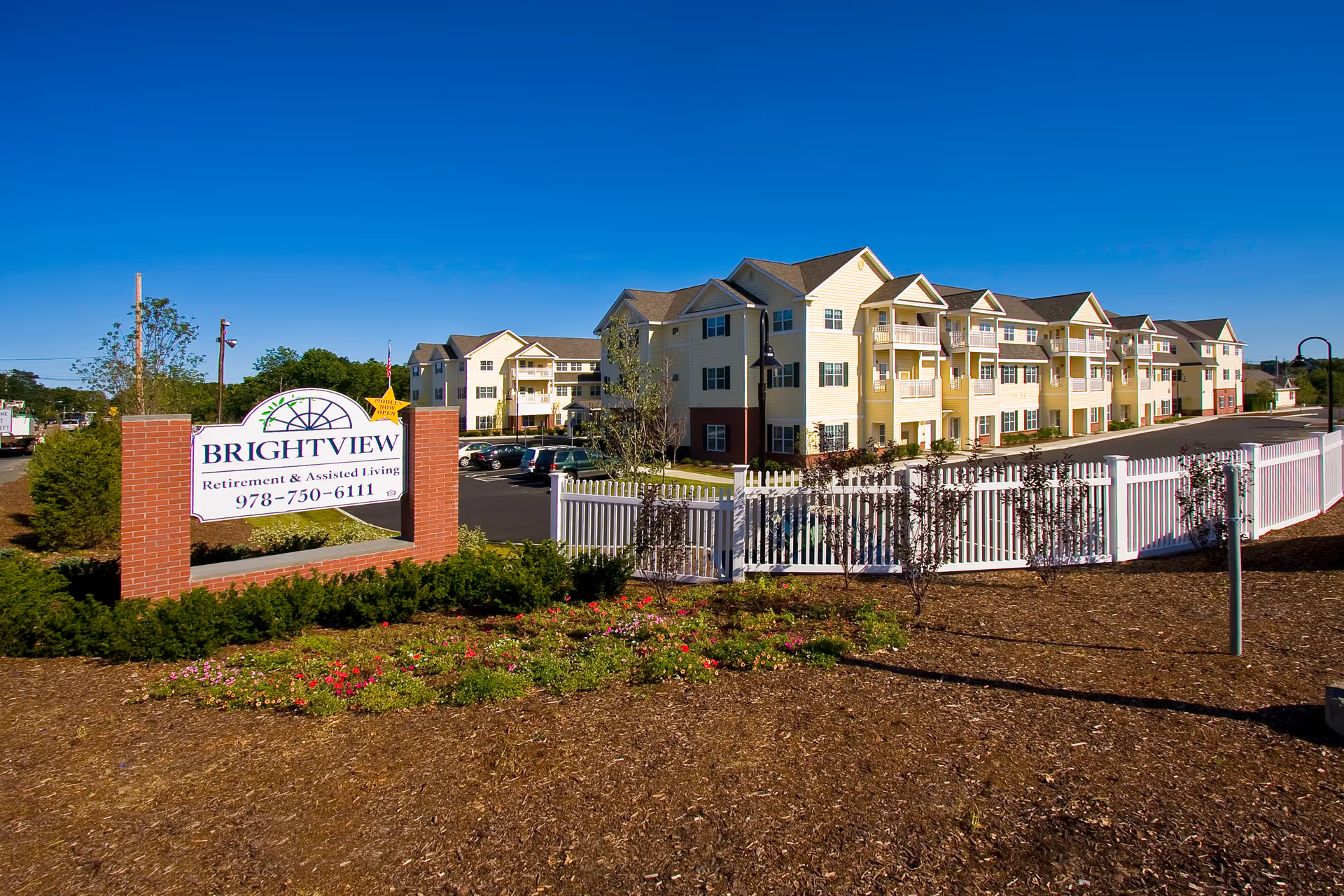
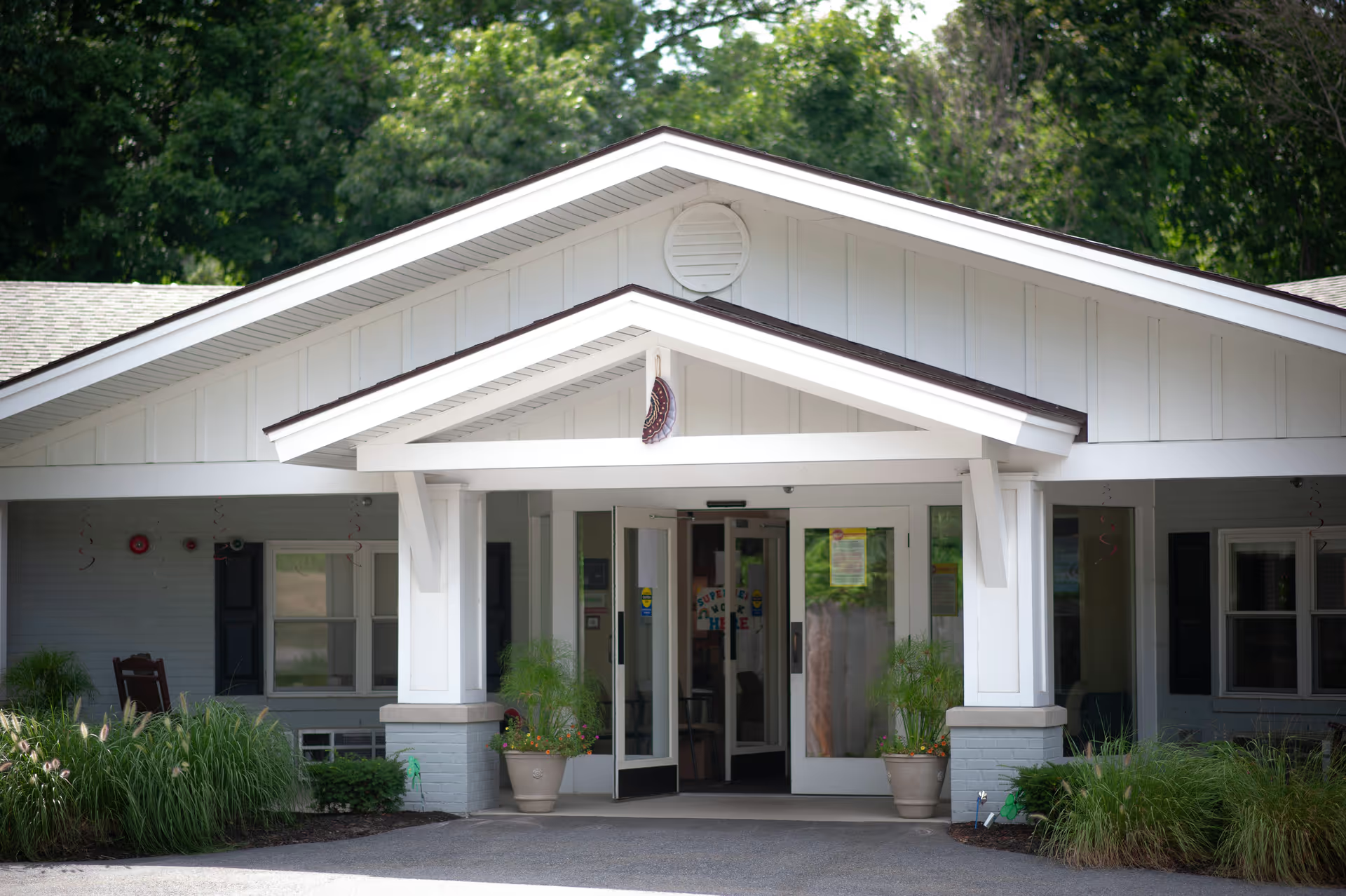
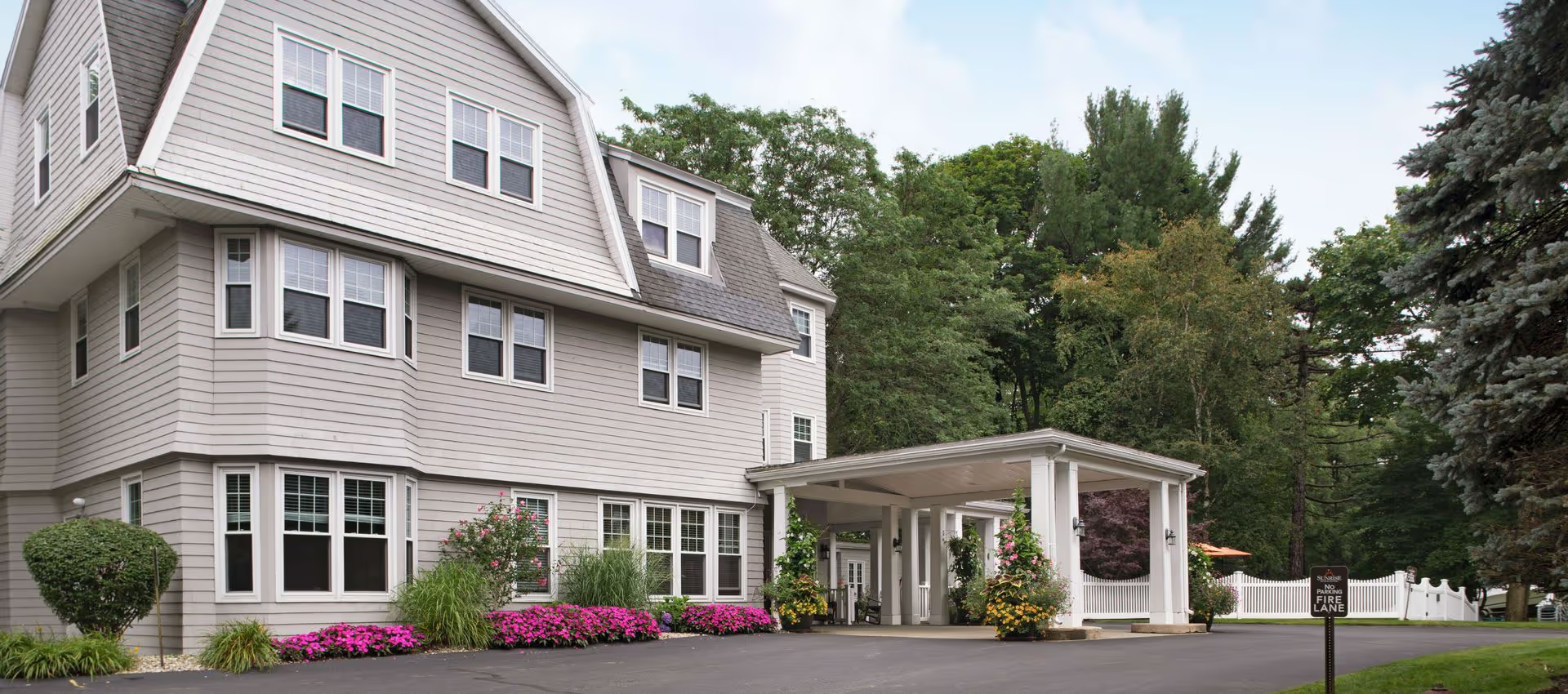
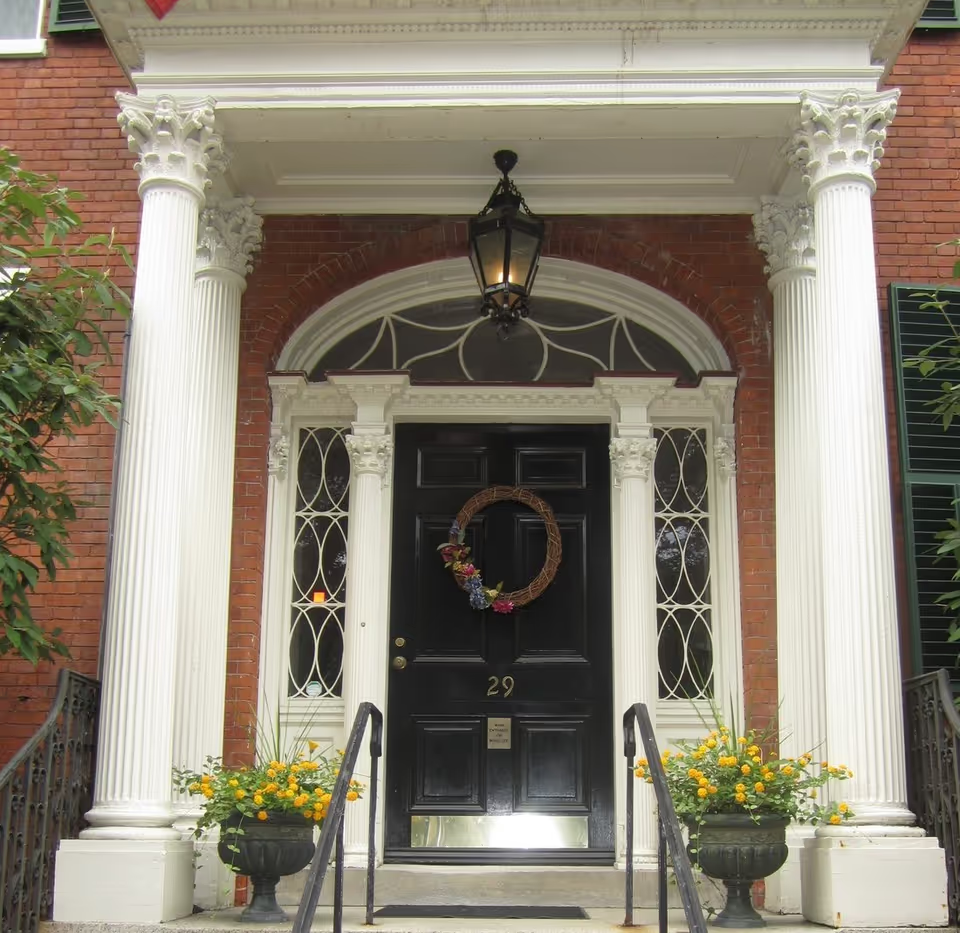
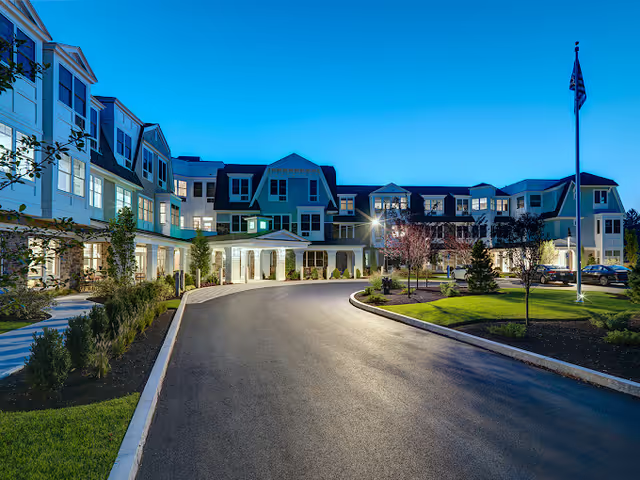
Colonial Gardens presents a strongly mixed but consistent pattern: the property and many frontline employees draw frequent praise, while dining operations, management responsiveness, and operational capacity are recurrent areas of concern. The campus is repeatedly described as attractive, well cared-for and amenity-rich — with features such as a movie theater, exercise room, library, salon, well-landscaped grounds, and multiple outdoor patios. Apartments range from small studios to two-bedroom cottages, and many residents and family members emphasize weekly housekeeping, linen service, and helpful move-in support as valuable conveniences.
Care and staff: Across reviews the caregiving staff and front-line employees receive high marks for kindness, resident engagement, and responsiveness. Families and residents often describe staff who know residents by name, provide personal attention, and facilitate social engagement. That said, reviewers also describe uneven staffing levels and elevated turnover, which some say contributes to variability in service continuity. There are isolated, serious allegations that raise concerns about responsiveness and conduct; these instances appear exceptional in the context of many positive comments, but they have affected family trust in some cases. The community does not advertise on-site nursing as part of independent living, and several reviewers noted that resident needs sometimes exceed the independent-living model.
Dining and food service: Dining elicits the widest split in sentiment. Some residents find the restaurant-style environment and menu choices appealing, while many others report inconsistent meal temperature, portions, and overall quality — descriptions include cold meals, limited healthy options, and a sense of institutional preparation at times. Reviewers point to kitchen capacity constraints and service-window timing as operational drivers of those issues; running out of menu items and slow meal delivery have been flagged. There are also specific sanitation and water-quality concerns described by multiple reviewers — for example, problematic food storage, spoiled produce, and issues with water/mold — which merit verification by prospective residents and families during a tour or inspection.
Activities and social life: Activity programming is frequently cited as a strength, with a broad calendar that includes arts and crafts, exercise classes, themed monthly events, clubs (book and science), outings, and regular transportation for errands and appointments. However, the depth and novelty of programming appear uneven: some reviewers say activities are enriching and varied, while others characterize the schedule as repetitive or light on promised events. Social opportunities and on-site transportation are commonly regarded as meaningful contributors to resident quality of life.
Facilities and maintenance: The facility is generally described as spotless and well appointed, with many praising decor, common spaces, and exterior landscaping. At the same time, reviewers describe recurring maintenance and infrastructure issues — prolonged hot-water outages, delayed responses to repair requests, occasional closed activity spaces due to leaks or temperature control, and constrained elevator capacity during busy periods. These operational limits can affect daily convenience and should be weighed when comparing floor plans and building locations.
Management and value: Management impressions are mixed. Some families commend onsite managers and accommodating staff, including instances of flexible move-in assistance and emergency responsiveness. Conversely, others report declining service levels after management turnover, less-effective communication, abrupt fee or rent increases, and administrative policies (deposit holds, billing) that have created financial stress. Perceived value appears to have declined for some residents as fees rose without consistent service improvements.
Notable patterns and guidance for prospective residents: Prospective residents should weigh the strong positives — attentive frontline staff, broad amenities, regular housekeeping, and active social life — against recurring operational concerns: dining consistency and safety, kitchen capacity, maintenance responsiveness, and management/contract practices. For families, useful due diligence steps include tasting meals during a visit, inspecting water and food storage conditions, asking about staffing ratios and turnover, reviewing contract and fee policies (including rent increases and deposit terms), and clarifying the community’s approach to residents whose care needs increase. Overall, Colonial Gardens offers many of the amenities and social benefits expected of an independent-living community, but operational constraints and inconsistent experiences make direct comparison and an in-person inspection essential before committing.