The reviews for Ledgewood - Beverly present a mixed but coherent pattern: many families and short-term patients describe excellent rehabilitation outcomes, attentive clinical teams, and a lively activity program, while a smaller set of experiences raise operational and safety concerns that warrant attention.
Care quality is a strong theme for short-term rehab patients. Physical, occupational, and speech therapy teams receive consistent praise for getting patients mobile and preparing them to return home. Many reviewers credited the facility with measurable functional improvement and successful care transitions. Nursing and CNA staff are frequently described as compassionate and hands-on; several accounts emphasize timely medication administration and helpful discharge instructions. Conversely, a few reviews describe lapses in clinical oversight including failures to follow physician orders and concerns about medication management. A small number of reviewers raised serious medication-related allegations; these appear infrequent but are significant and suggest the facility should ensure robust medication-safety and incident-review processes.
Staffing and team dynamics show a dual pattern. Numerous comments applaud individual staff members, named caregivers, and visible leadership for responsiveness and problem solving. At the same time, multiple reviewers describe staff as overworked, which correlates with complaints about delayed assistance, uneven care at night, and variability between shifts or units. This variability appears to affect the resident experience: daytime and therapy shifts are often praised, while some night or weekend coverage is characterized as less consistent.
Dining and basic assistance emerge as another area of mixed performance. Several reviewers appreciated the dining room, kitchen staff, and housekeeping; others found food quality inconsistent and described changes to prescribed diets that they considered inappropriate (for example, sugar-heavy substitutions). Meal-assistance processes were highlighted as an operational weakness in some accounts—instances of meals being removed before completion or insufficient assistance during feeding led to weight-loss concerns for some residents. These illustrate a broader pattern of inconsistent implementation of routine care tasks.
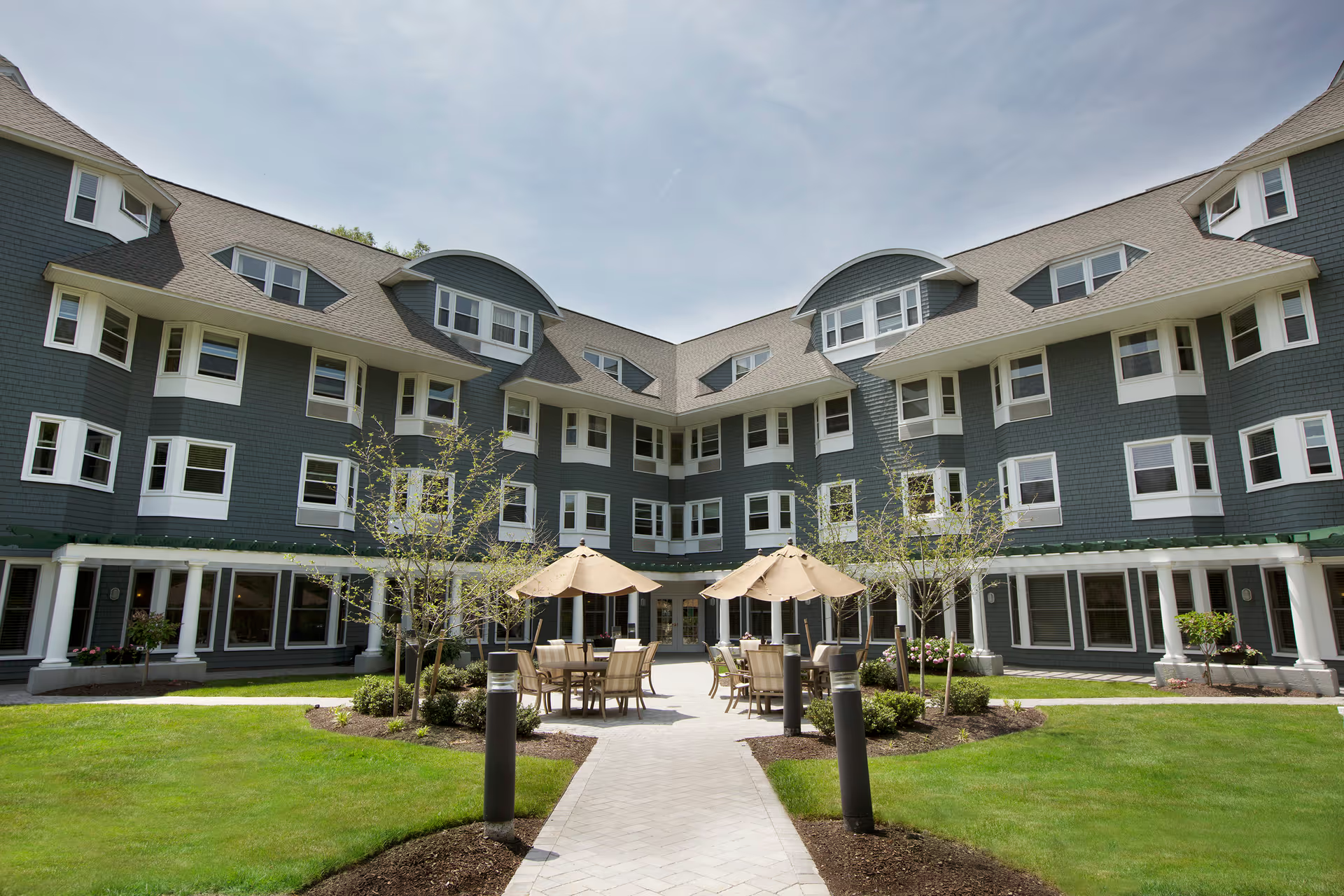
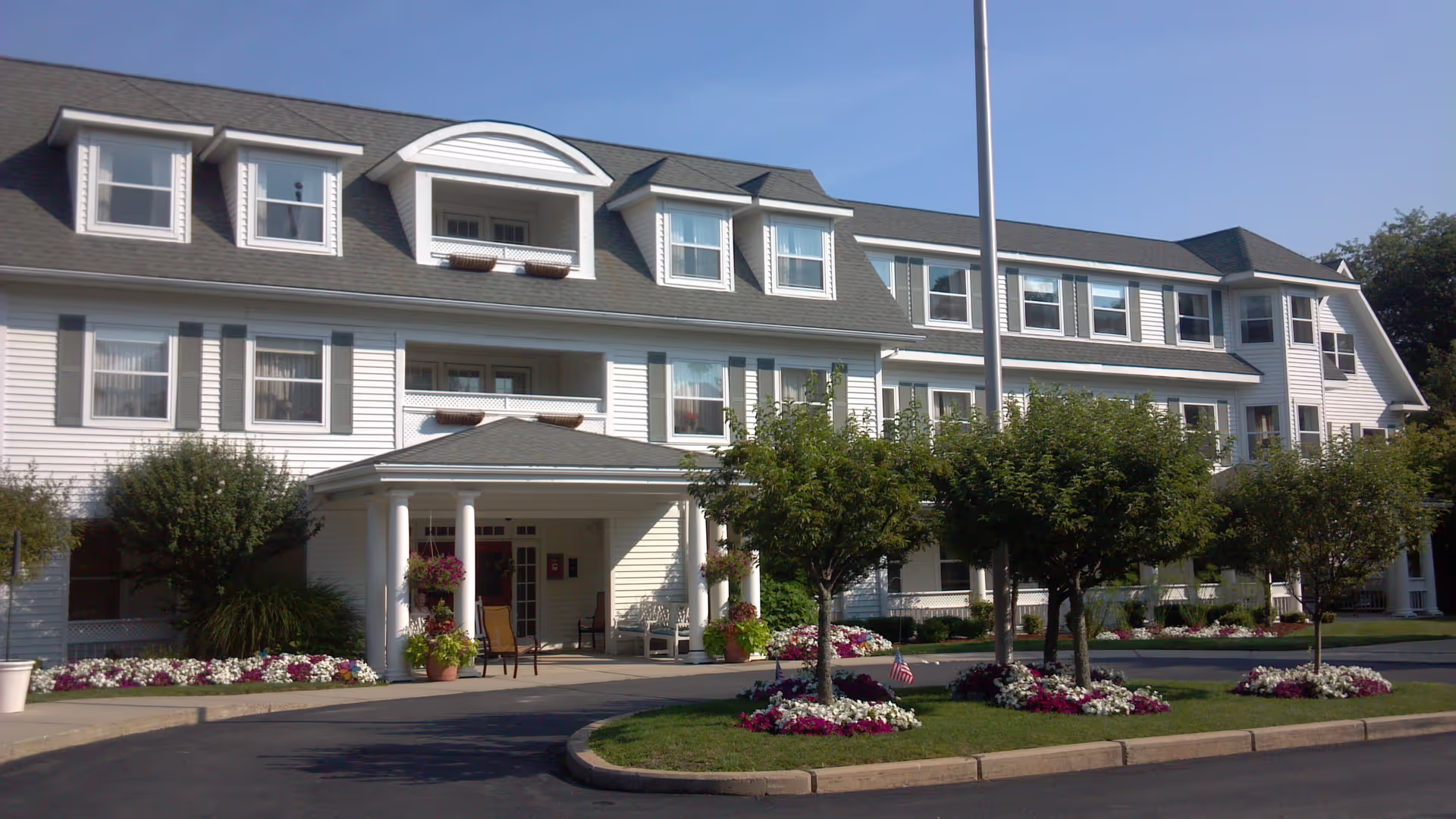
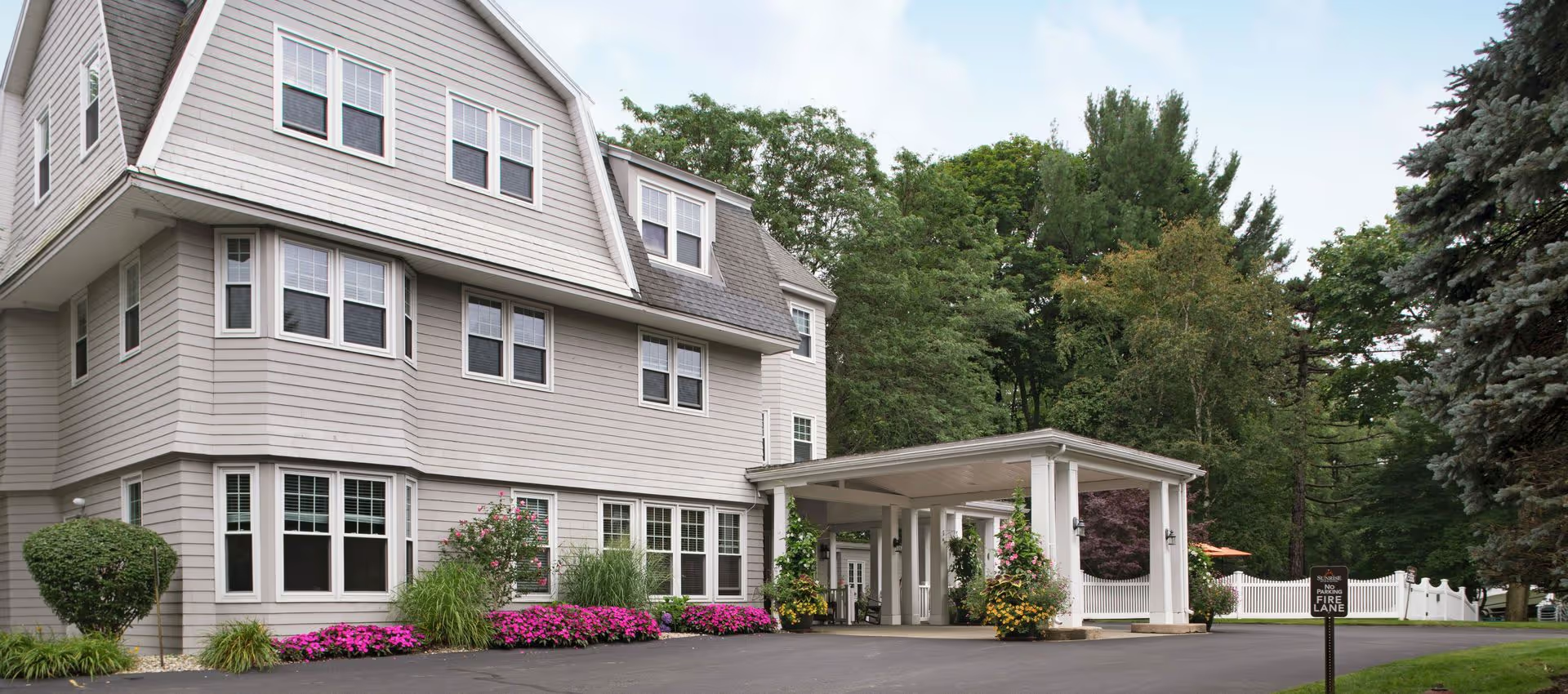
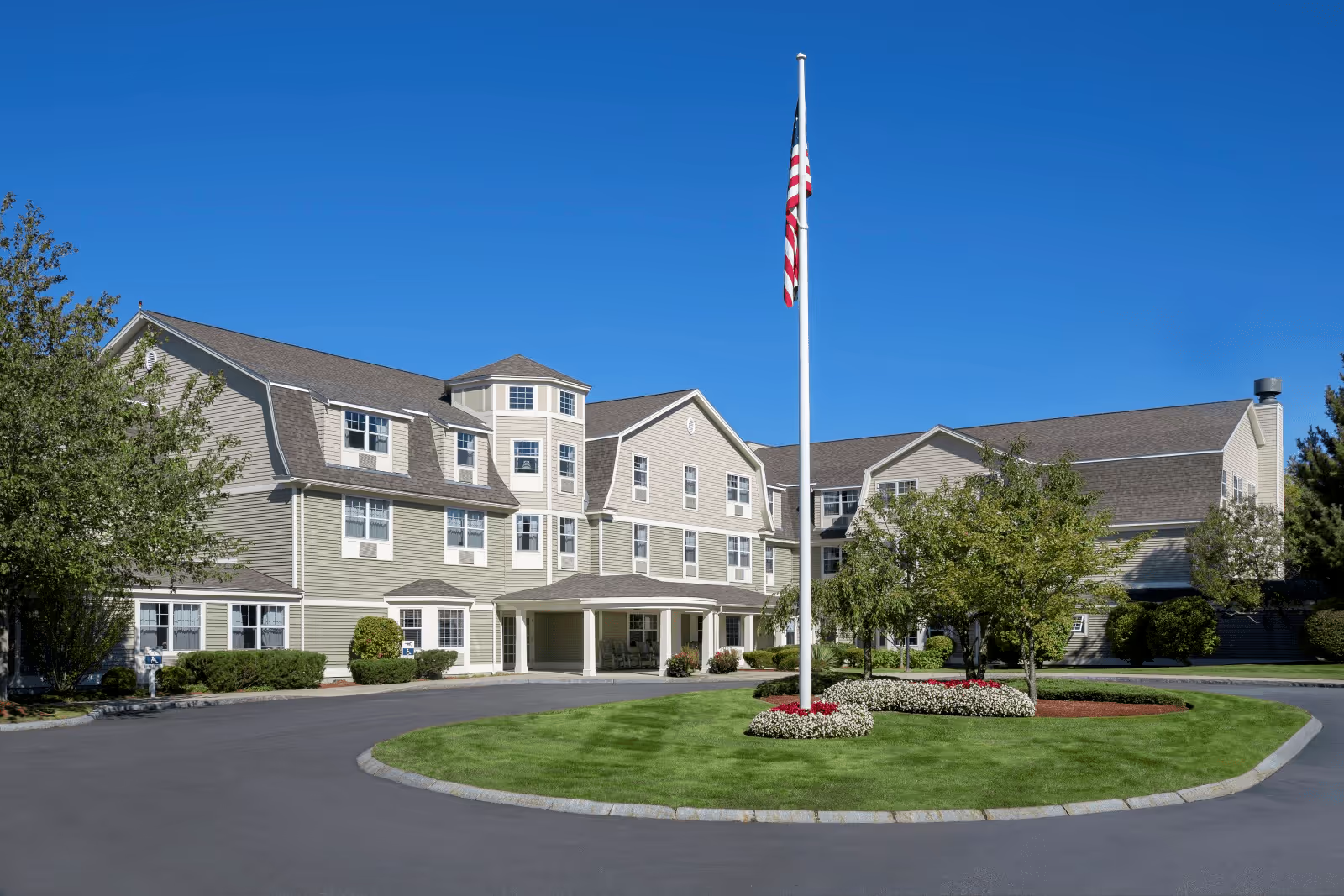
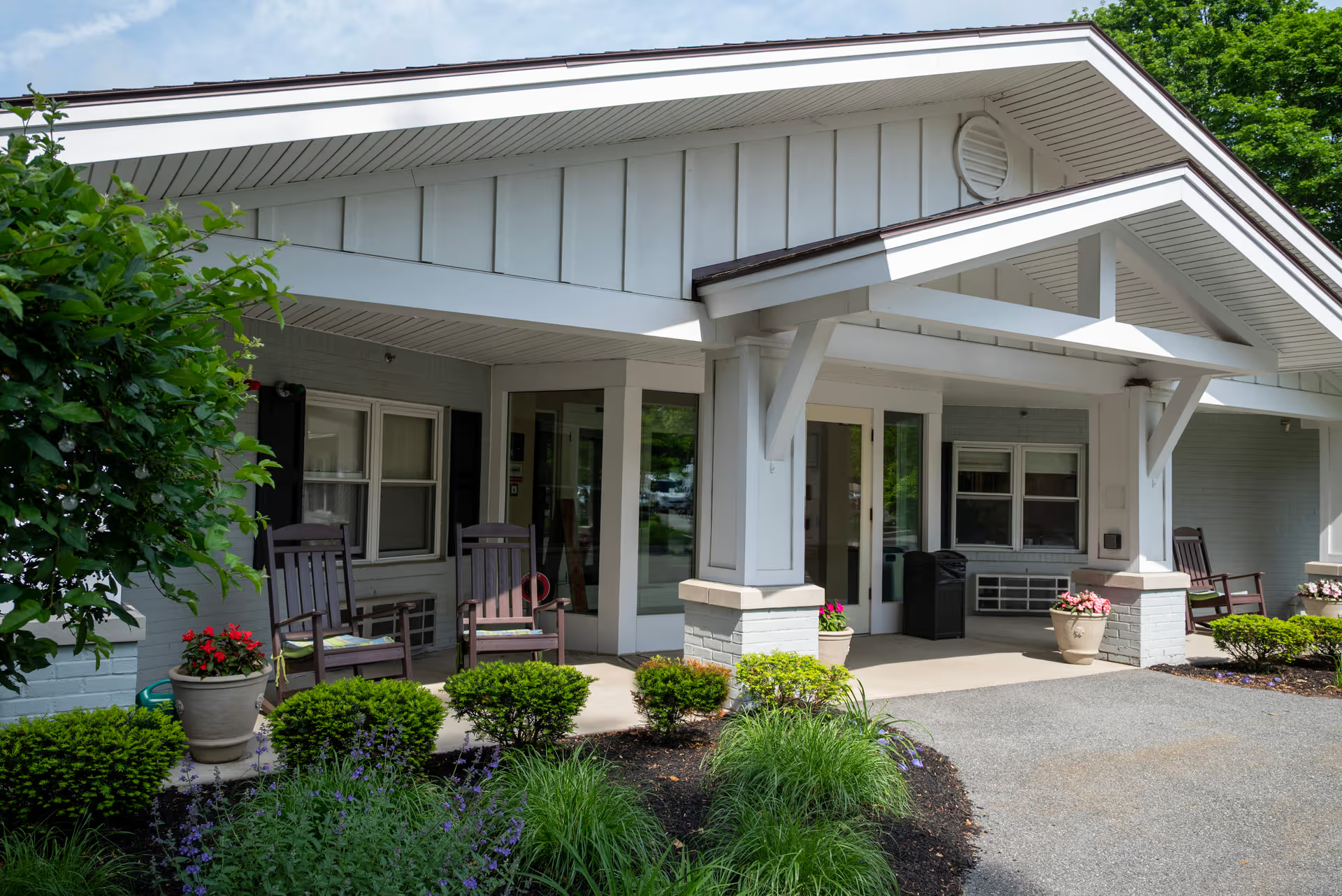
Activities and facilities are frequent strengths. The facility’s activities program—quilting, music, painting, therapy-related engagement—receives repeated praise, as do pleasant common areas, outdoor garden spaces, and clean interiors. These elements contribute to a welcoming environment for families and visitors and support social and cognitive engagement for residents.
Management and communication are generally characterized as positive by many families, particularly around case management, discharge planning, and follow-up coordination. Several reviewers singled out administrators and case managers for helpfulness. Yet there are intermittent accounts of inconsistent explanations, limited advocacy, and gaps in follow-up communication after clinical events. Together with the clinical concerns noted above, these point to opportunities for more consistent family-facing communication and standardized incident response protocols.
Bottom line: Ledgewood - Beverly has considerable strengths as a short-term rehabilitation provider with a committed therapy staff, engaging activities, and many compassionate caregivers. However, variability in staffing levels, some inconsistencies in clinical oversight and meal-assistance practices, and occasional safety/medication concerns mean prospective residents and families should verify specific care processes (staffing patterns for the unit and shifts, medication-safety practices, meal-assistance protocols) and maintain active family involvement during early days of admission. For those considering long-term placement, variability between units and shifts suggests a careful, unit-specific visit and direct conversations with nursing leadership are advisable.