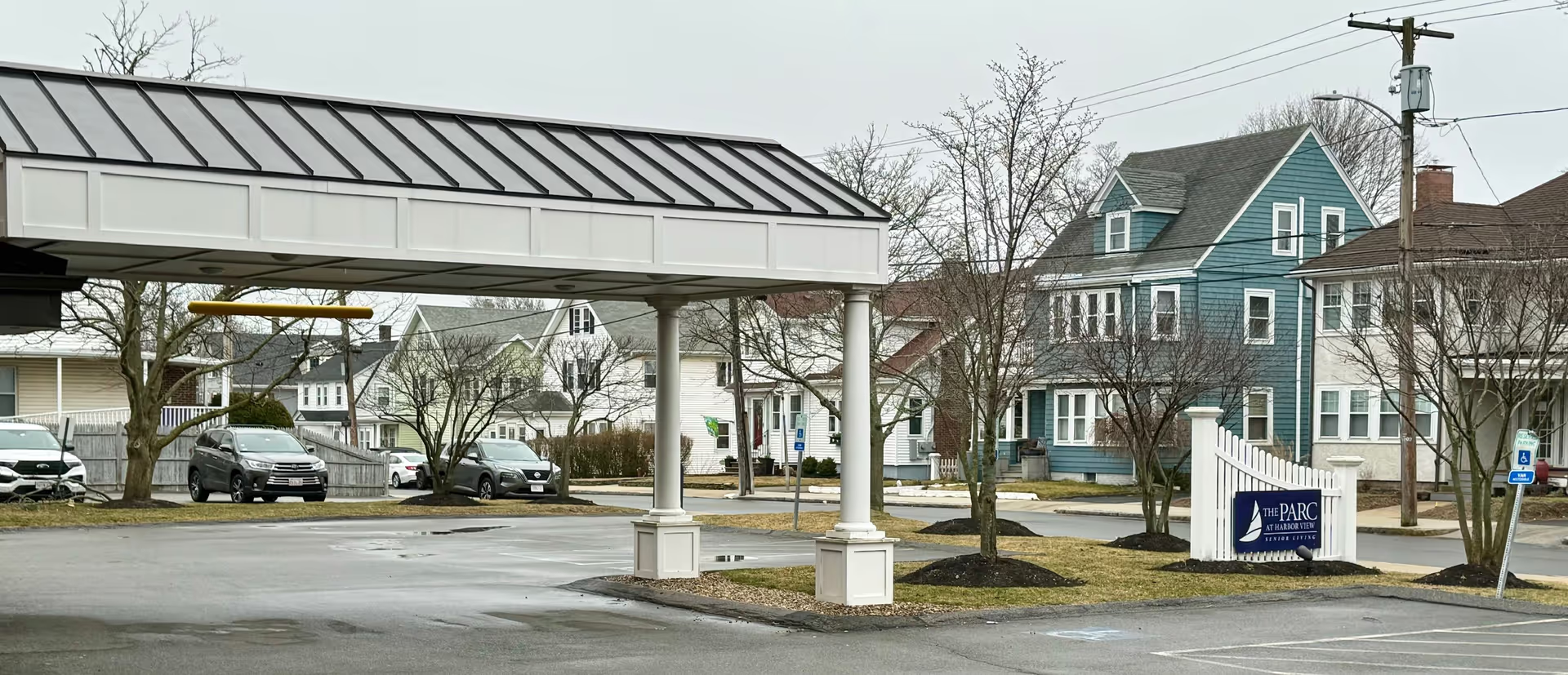
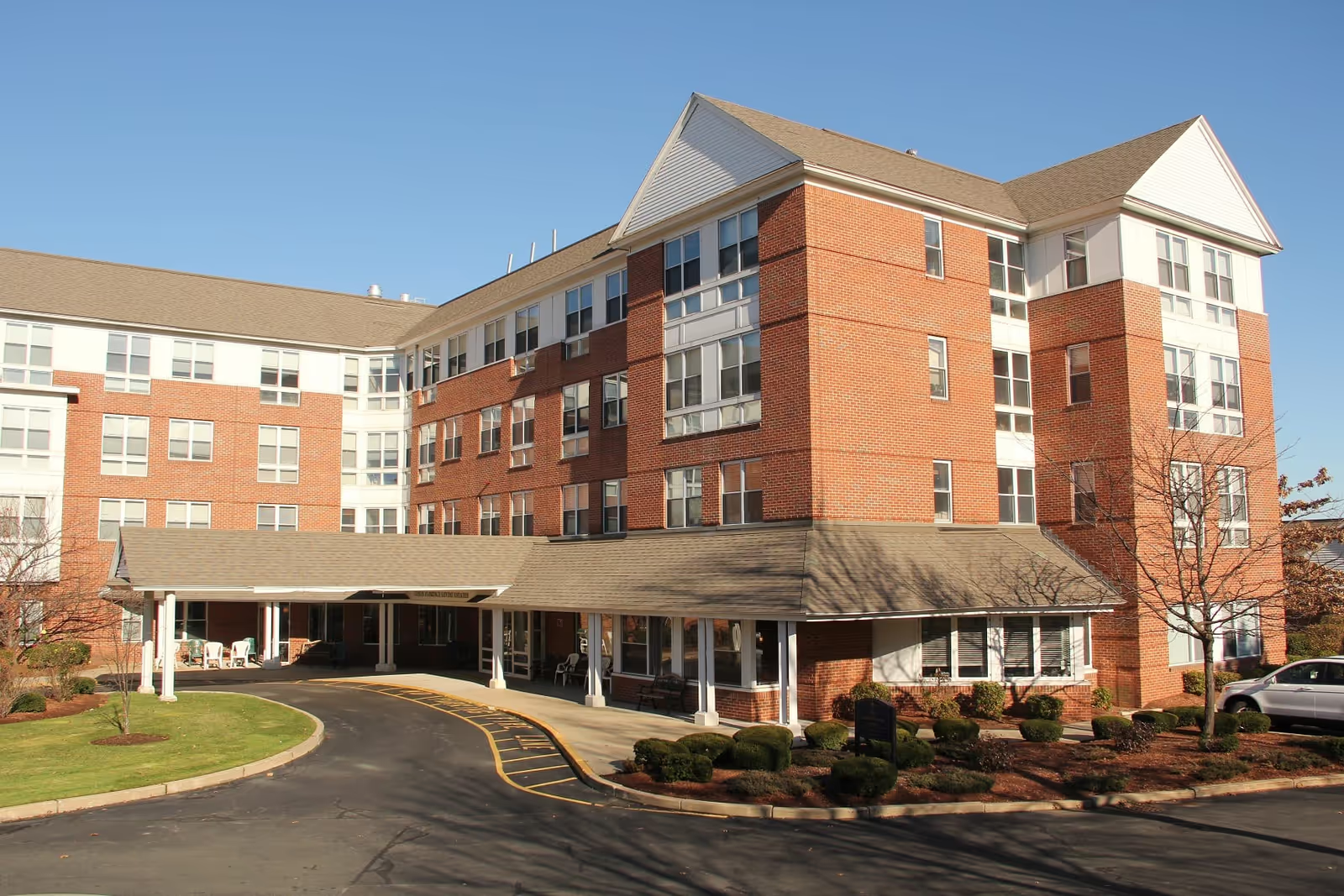
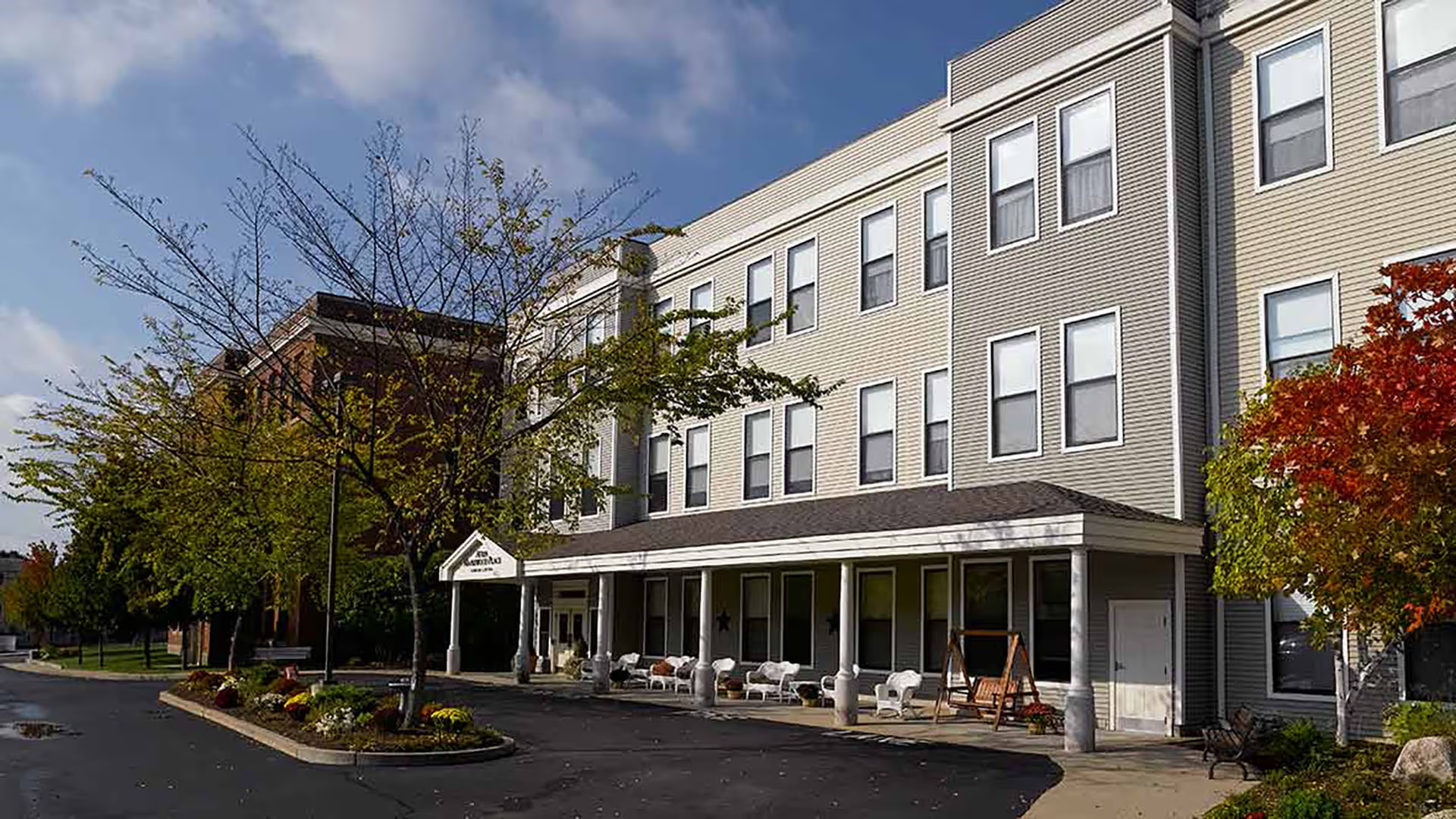
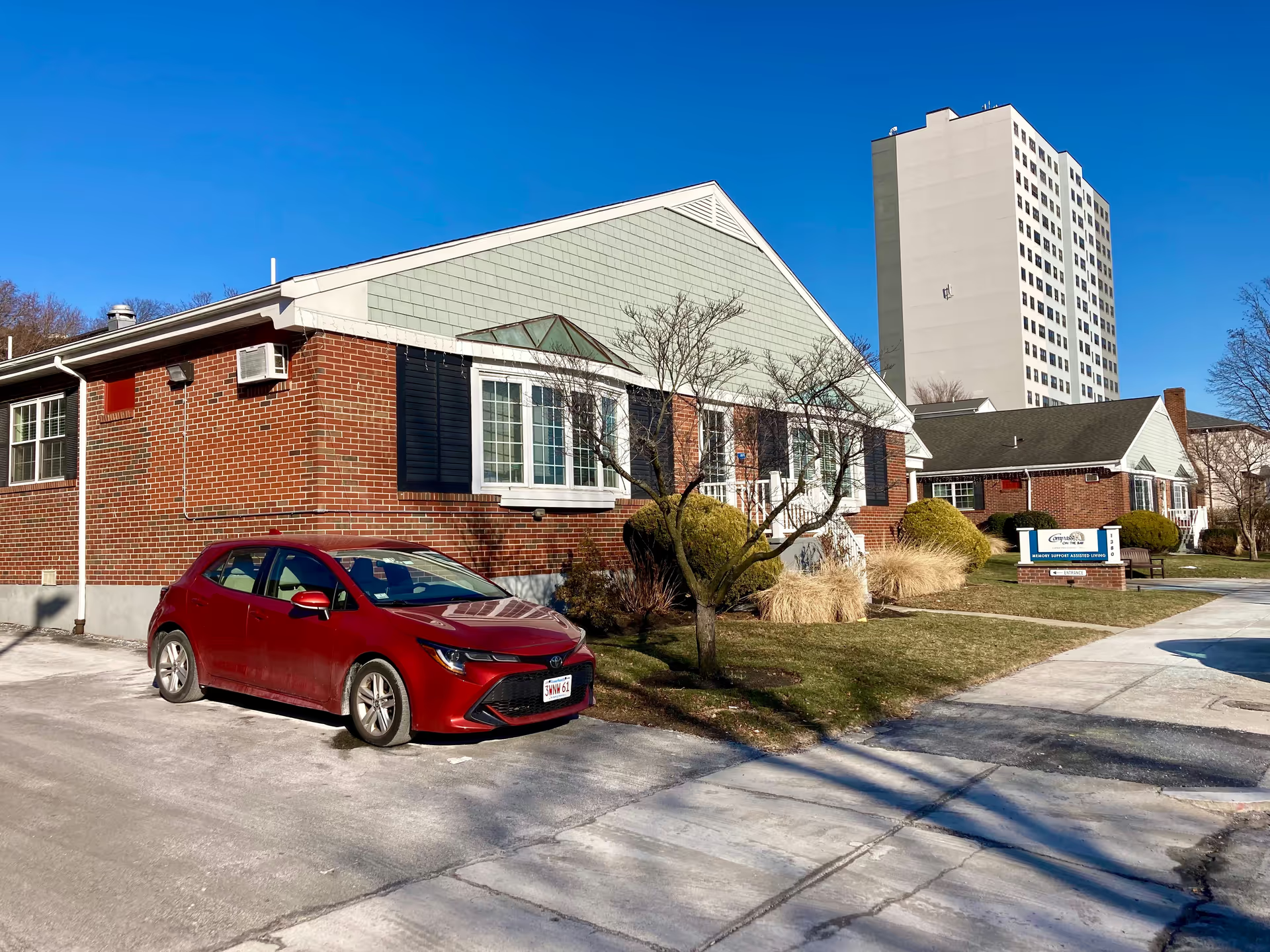
Advocate Healthcare of East Boston presents a mixed picture: many reviewers highlight strong person-to-person care while others describe persistent operational and environmental weaknesses. Positive accounts emphasize compassionate, attentive nursing aides and therapists, with particular praise for specific nurses, unit managers, and physical-therapy staff. The facility provides both rehabilitation and long-term care services, hospice support, and 24/7 clinical coverage with ambulance access to major hospitals. Its location near the MBTA Blue Line and a bus stop makes it convenient for local families.
Care quality is one of the most polarized areas. Numerous families described warm, professional, and respectful caregiving—staff who help with activities, communicate well with families, and provide individualized attention. Physical therapy and rehab are repeatedly called out as a strength by those who had positive experiences. At the same time, multiple accounts point to inconsistent staffing levels (notably evenings, nights, and weekends), delays in responding to call bells, and variability in nurse oversight. These operational gaps appear to drive many of the more serious clinical concerns described by families, including delayed transfers to hospital care and disagreements about discharge timing.
Dining and activities are likewise variable. Some reviewers report improved menus with fresh fruit, dietary accommodations, and regular social programming such as ice cream socials, musical guests, and faith services that foster inclusion. Others describe heavily processed menu items, small portions, and inconsistent meal quality between residents. The activities program is frequently praised when staffing is stable, and the facility’s chapel and religious programming are seen as assets by faith-oriented families.
Facility condition and sanitation emerge as recurrent themes. Positive reviews describe clean rooms and attentive maintenance, but there are also repeated mentions of an aging, overcrowded physical plant, accessibility challenges (small shared rooms, distant bathrooms), sanitation and odor concerns in certain areas, and pest-control problems in some units. These environmental issues are linked in several reviews to perceptions of reduced overall quality of care.
Management and communication show both strengths and weaknesses. Several families praised a smooth admission process, engaged case managers, and responsive administrative staff—particularly during observed leadership transitions that were described as improving care. Conversely, others reported poor transparency, difficulty reaching or escalating to administrators, refusal to provide contact information, and inconsistent follow-through on family concerns. There are also mentions of public quality flags and specific allegations concerning missing personal items and financial irregularities; such claims warrant cautious review and, if present, formal inquiry.
Notable patterns: staff performance appears to be the primary determinant of family experience—when nursing and therapy teams are stable and engaged, residents and families report high satisfaction; when staffing is inconsistent or management oversight is weak, operational and environmental issues become pronounced. Prospective residents and families should weigh the facility’s strengths in therapy, spiritual programming, and convenient location against the variability in cleanliness, staffing consistency, meal quality, and administrative transparency. Visiting in person, asking about recent survey findings and corrective actions, confirming weekend therapy availability, and clarifying procedures for incident notification and belongings protection are prudent steps prior to placement.