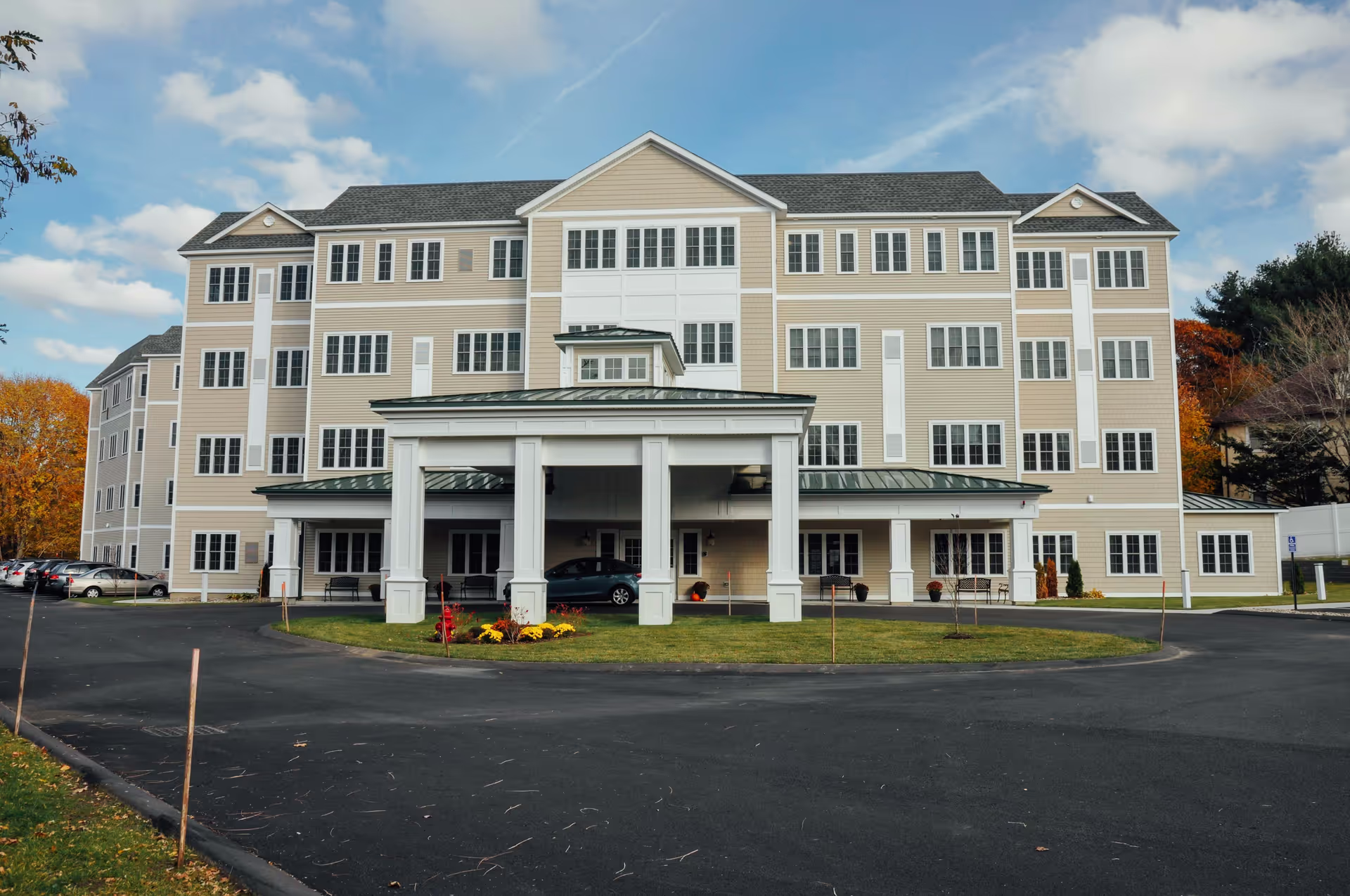
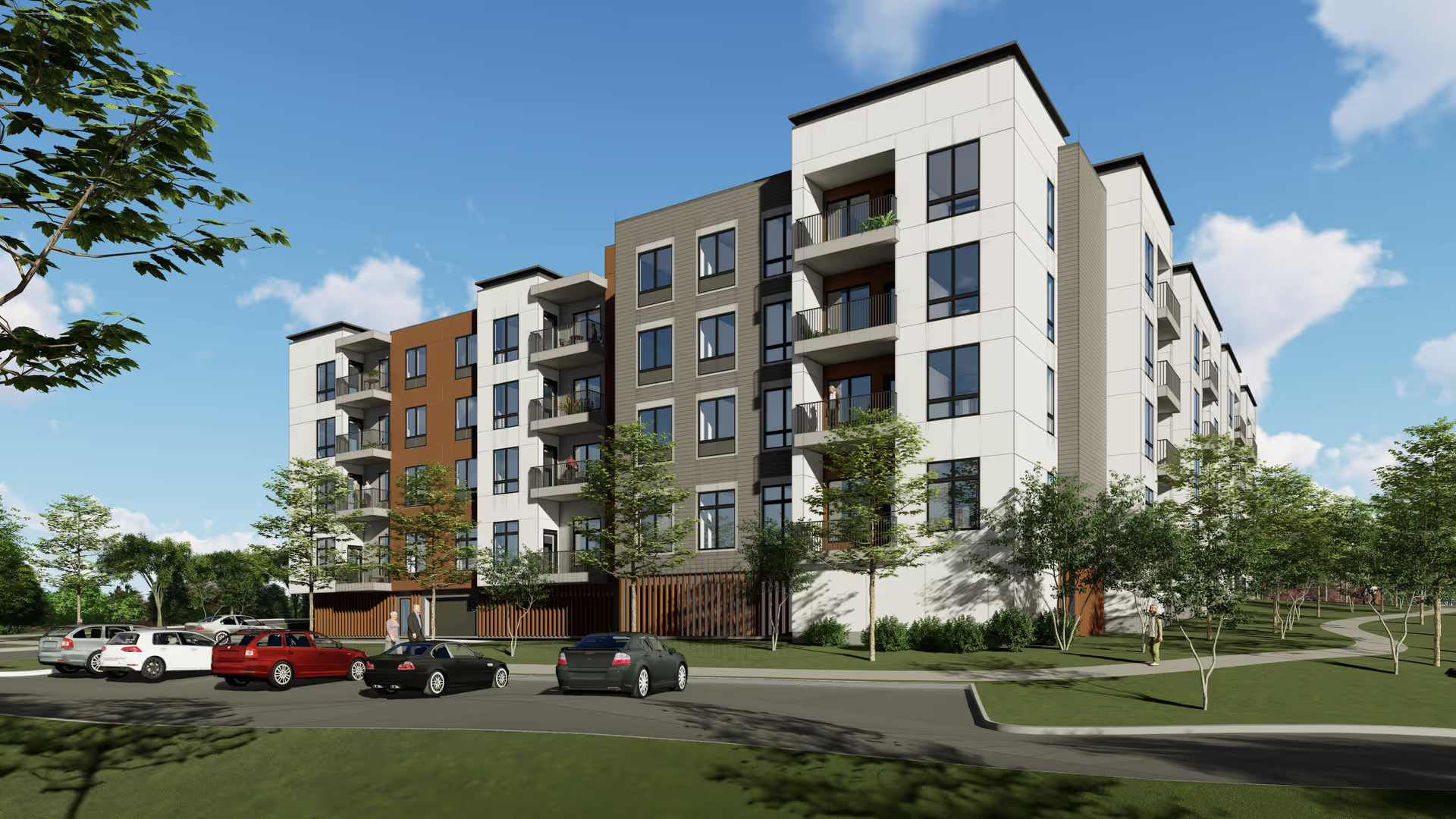
Overview: The Residence at Melrose Station is consistently described as an upscale, hospitality-focused assisted living community with a hotel‑like atmosphere. Reviewers emphasize a clean, well‑appointed building, boutique amenities (salon, gym, media room, rooftop and outdoor decks), and a convenient location near downtown shops, transit, and parks. Overall impressions skew positive for hospitality, communal life, and the physical environment.
Care and staff: Staff quality is a prominent strength: front‑desk, dining, housekeeping, activities teams and many nursing and caregiving staff are characterized as warm, attentive and responsive. Families cite frequent name recognition, proactive check‑ins, and supportive onboarding during transitions. At the same time, a subset of accounts describes clinical process issues — for example, lapses in medication handling, unreliable alarm or call‑button performance, and concerns about fall‑prevention practices. These incidents indicate potential inconsistencies in clinical oversight and operational controls; prospective families should review clinical protocols, staffing ratios, and incident-management procedures when evaluating placement.
Dining and activities: Dining is a standout feature: reviewers praise a restaurant‑style program with varied menus, anytime dining options, seasonal menus, and special event meals. The culinary team and dining staff receive frequent commendations for food quality and attentiveness to preferences. Activity programming is robust, offering concerts, outings, exercise classes, arts, games, social hours and memory‑support offerings. The community is repeatedly described as socially engaging, supporting resident friendships and family participation. Note that a few reviewers indicated activity access can be constrained by location or mobility limitations, so confirming accessibility for specific needs is advisable.
Facilities and management: The physical plant is reported as immaculate and well maintained, with bright common areas and well‑kept grounds. Units are described as modern though some reviewers note smaller floor plans. Management and leadership generally receive positive descriptions for responsiveness, hospitality orientation and pandemic protocols, with many families reporting smooth move‑ins and helpful follow‑up. However, the community operates on a private‑pay model with relatively high pricing; the flat‑fee per care‑level structure was identified by some families as a limitation for cost flexibility.
Suitability and notable patterns: The Residence at Melrose Station appears well suited to older adults seeking an active, hospitality‑oriented assisted‑living environment with strong dining and social programming and an emphasis on comfort and cleanliness. It also provides memory‑support services appropriate for mild to moderate cognitive impairment. The community may be less appropriate for people who require long‑term skilled nursing or complex medical management, given the described limits on advanced clinical support. Because isolated but significant clinical incidents were described, it is prudent for prospective residents and families to review medical oversight practices, medication‑safety protocols, fall‑prevention measures and communication policies during tours and before contracting.