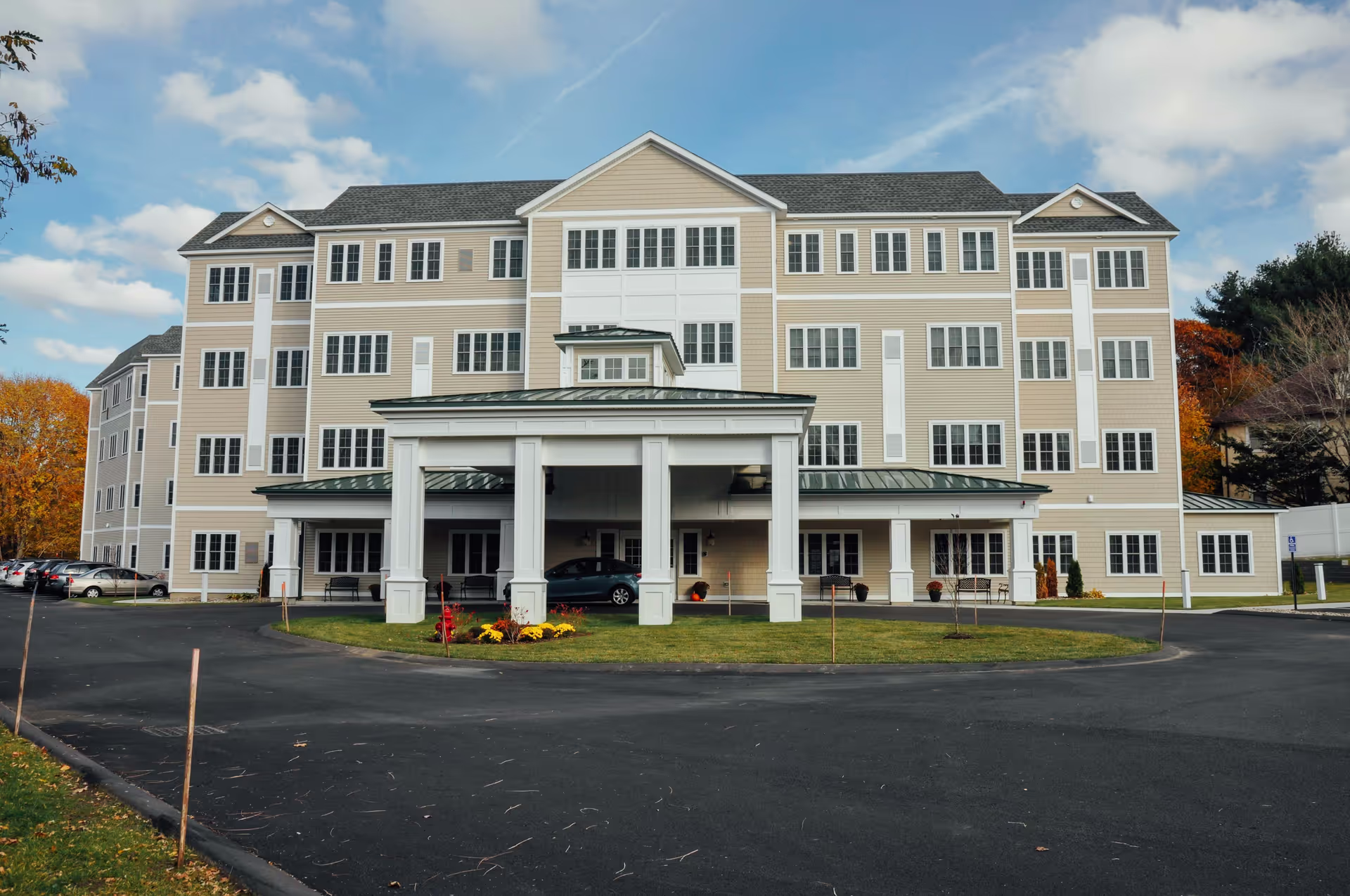
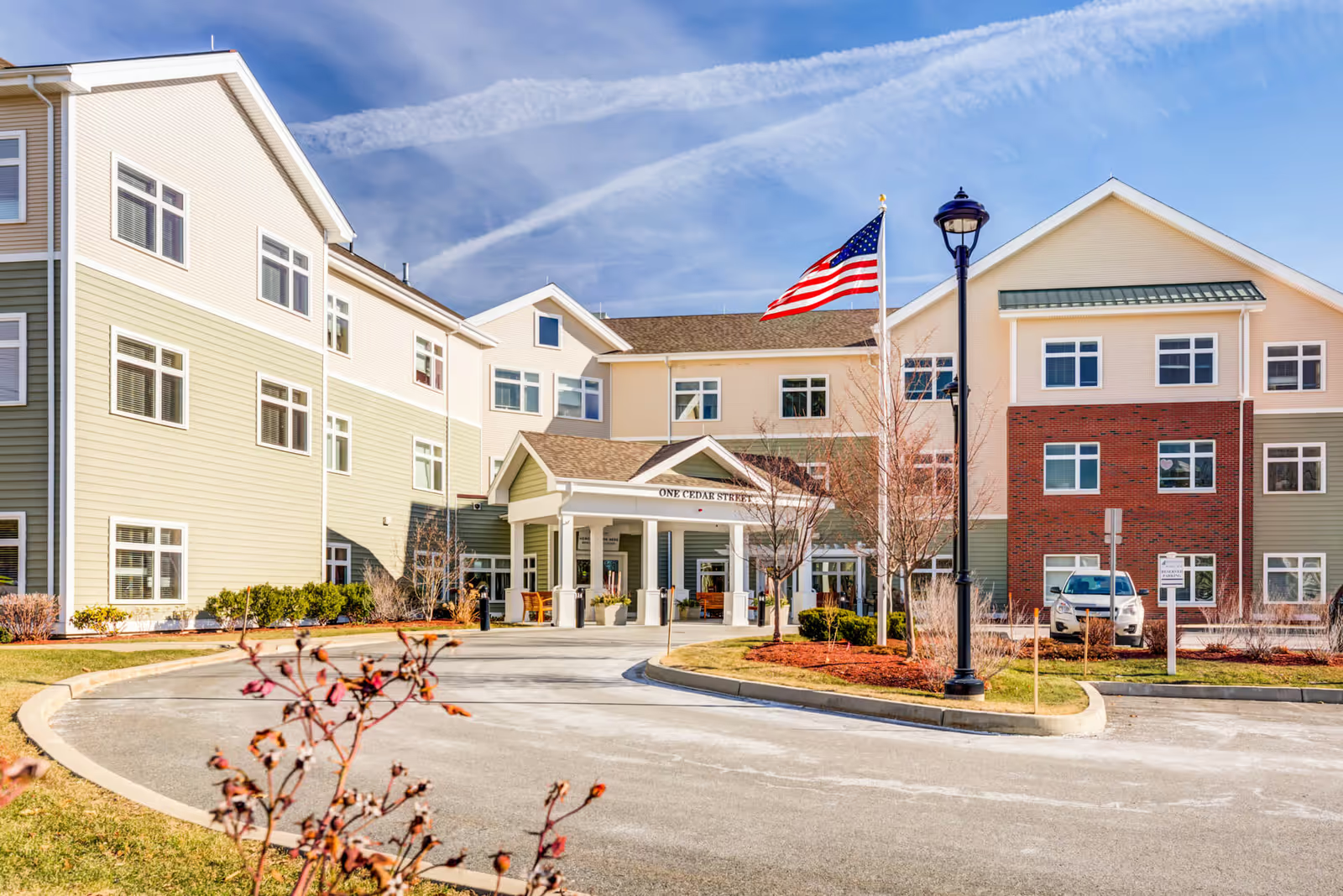
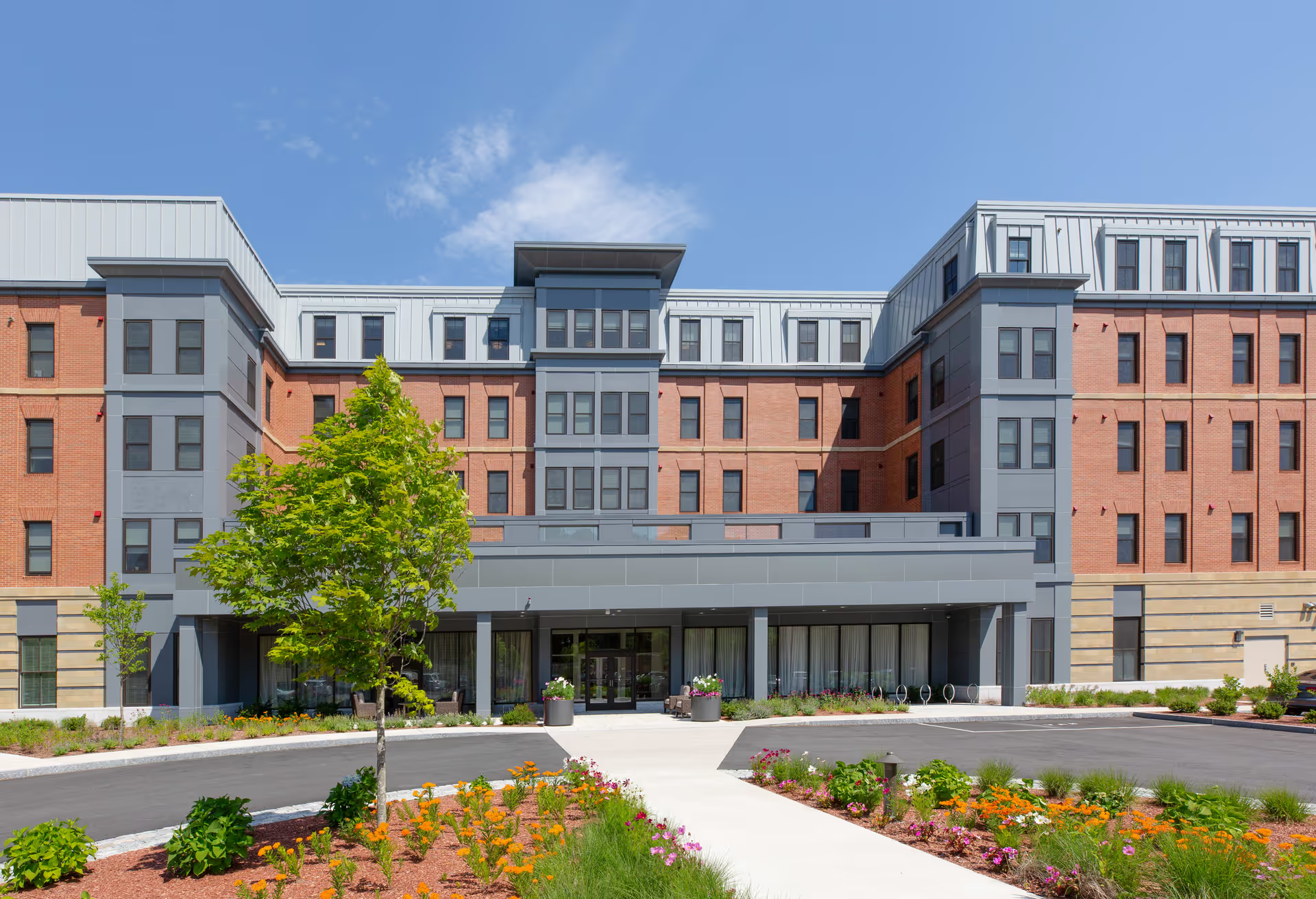
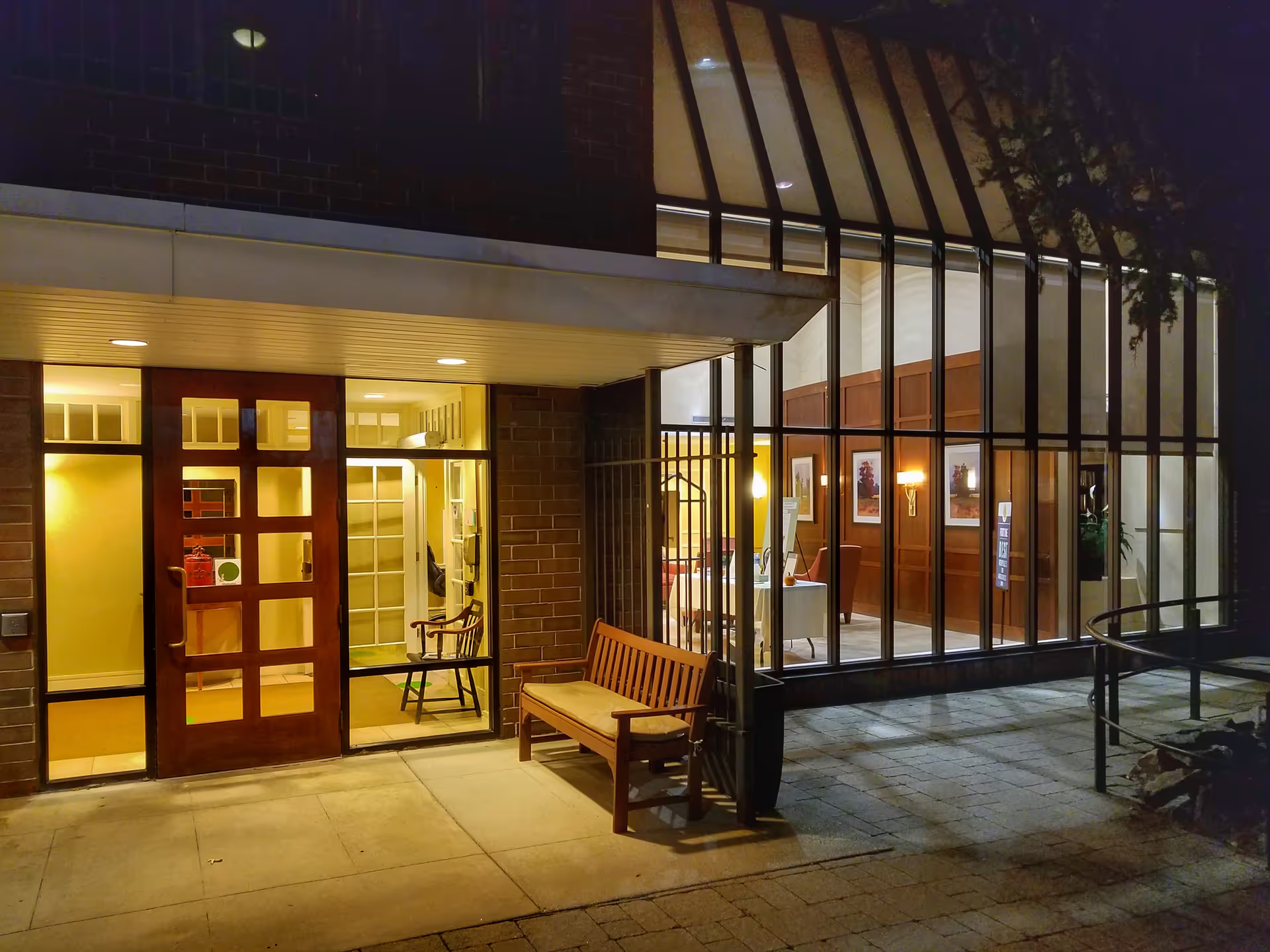
The Delaney at the Vale presents as a new, upscale senior living community with many built-to-impress features: contemporary, hotel-like design; spacious one- to three-bedroom apartments; lofted ceilings and substantial natural light; and an extensive amenity package including fitness facilities, a small theater, bistro/bar offerings, and concierge services. Many reviewers highlighted strong move-in support, a welcoming atmosphere, helpful front-desk and sales staff, and an active social calendar that promotes resident engagement and volunteer participation.
Care and frontline staffing generally receive positive remarks. Numerous accounts emphasize compassionate, attentive caregivers, hands-on dining and nursing teams, and memory-care leadership that has stabilized in response to early vacancies. That said, reviewer accounts indicate variability in clinical and operational responsiveness: there are mentions of delays in medication administration and concerns about emergency-assistance timeliness. These point to an operational gap between the community’s staffing intent and consistent day-to-day clinical follow-through, particularly when leadership changes or staffing shortages occur.
Dining impressions are mixed. Several descriptions praise restaurant-quality meals and fine-dining presentation, while others describe inconsistent food quality, repetitive menus, higher-fat and higher-sodium offerings, and limited flexibility for special-diet requests. Dining-service continuity and reservation logistics were also noted as inconsistent by some families, suggesting that culinary operations perform well at times but lack predictable consistency.
The community’s activity and life-enrichment programming is a clear strength: reviewers referenced a full calendar, increased resident participation over time, varied social events, and intentional programming that fosters a social atmosphere. Memory care programming has been singled out as improving under dedicated leadership, with staff engagement and personalized attention cited as meaningful benefits for residents in those services.
Operational reliability and facilities maintenance are areas of recurring concern. Despite praise for the physical plant, reviewers described pest-control concerns in dining and common areas, intermittent HVAC problems resulting in inconsistent hallway and unit temperatures, Wi‑Fi outages, and long repair turnaround times. These issues affect resident comfort and the perceived value of the community’s premium positioning.
Management, communication, and pricing transparency show mixed signals. Several accounts praise new executive leadership that is actively addressing problems, while others describe inconsistent responsiveness from administration and sales interactions that ranged from highly professional to unhelpful. Financial transparency was flagged as a specific operational area to review: examples include rent increases or add-on care charges that were unexpected relative to initial expectations, underscoring the importance of careful contract review and explicit questioning about ongoing care fees and any rent escalation policies.
Overall, The Delaney at the Vale offers a high-end physical environment, a robust amenity set, and many examples of dedicated, compassionate staff and engaging programming. Prospective residents and family members should balance those strengths against recurring operational patterns—particularly around dining consistency, building systems reliability, pest control, staffing stability, clinical responsiveness, and contract clarity. Recommended next steps for decision-makers include an on-site walk-through of apartment types and common areas, direct discussions with nursing and memory-care leadership about clinical processes and staffing models, reviewing the resident agreement for fee and rent escalation language, and asking for documentation of maintenance and pest-control protocols as part of the assessment process.