Reviewer feedback for this facility is highly mixed, with many families praising individual caregivers and rehabilitation services while others describe significant operational weaknesses. Positive accounts highlight compassionate, patient staff—including nursing assistants, nurses, and pastoral personnel—strong short-term rehab outcomes, accurate medication administration, and active family communication during hospice and transitions. The facility offers scheduled activities such as bingo, afternoon movies, and Catholic services, and some common areas are described as clean and attractively decorated.
At the same time, a recurring theme is chronic understaffing that contributes to staff burnout and uneven responsiveness. Multiple comments describe delays in attending to call bells, inconsistent assistance with meals, and irregular personal-care routines such as bathing. While medication administration is often described as reliable, families expressed concerns about timely attention to resident needs and about the tone or conduct of some staff members. There are also specific security and personal-property protection concerns, including allegations involving missing items; these are serious and were raised alongside frustration with administrative response.
Dining experiences are inconsistent: reviewers described late meals, substitutions from the kitchen, and situations where residents required greater assistance at mealtime than was available. Activity programming is present and can be robust—particularly for short-term rehab patients—but several accounts note variability in engagement, occasional resident exclusion from entertainment options, and opportunities to expand virtual visiting (for example, by increasing Zoom-based calls or volunteer-supported remote visits). Reviewers recommended translation supports for non-English speakers and encouraged use of outdoor visits when possible.
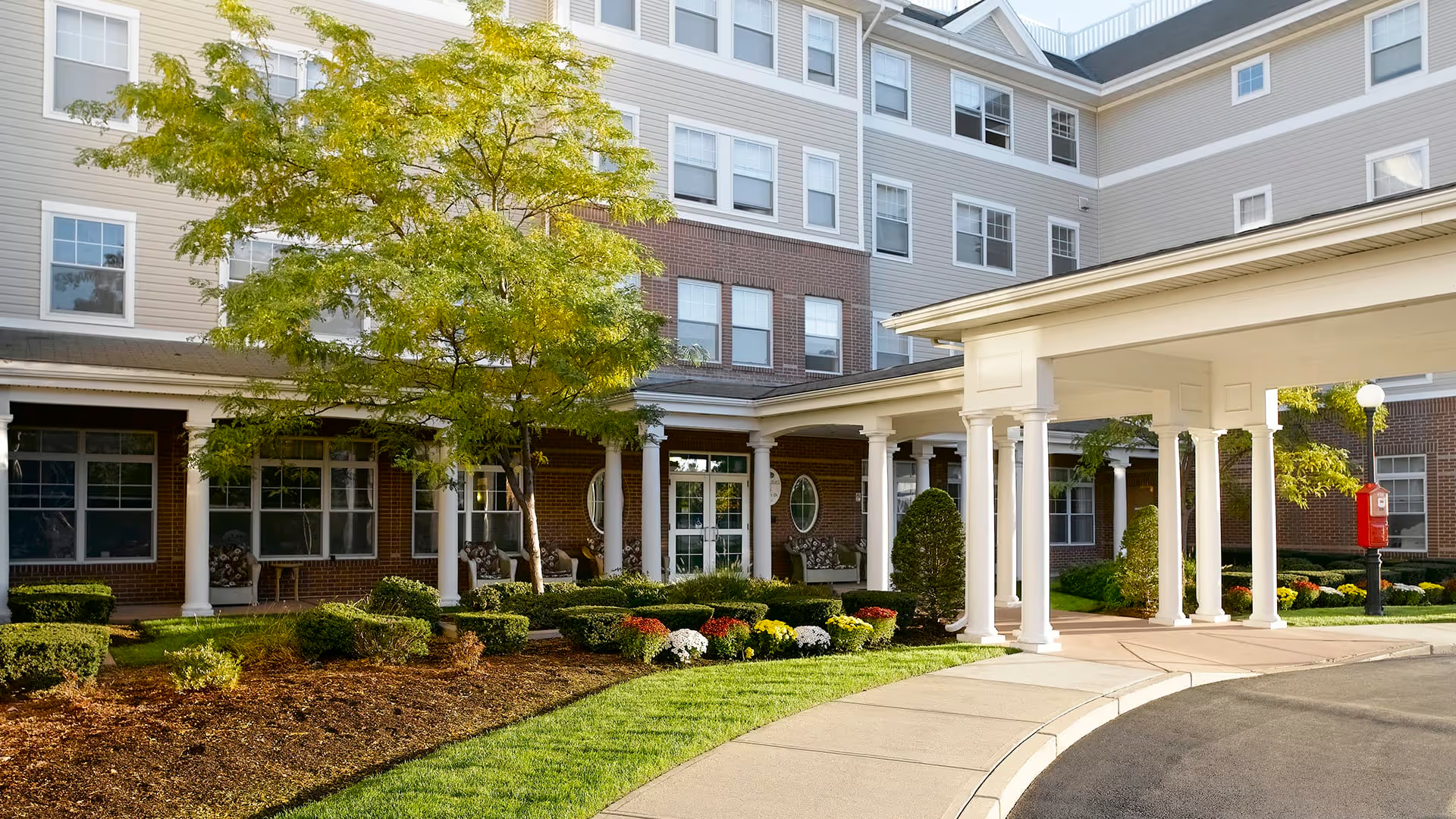
Facility- and environment-related comments are mixed. Some reviewers report impeccably clean common spaces and a warm atmosphere; others raised sanitation and pest-control concerns and noted aging rooms that could benefit from updating and better organization. Administrative issues surfaced repeatedly: families described challenges with grievance resolution, delays or lack of response to transfer requests, and frustrations with billing or insurance handling. These management and communication gaps appear to amplify clinical and safety concerns for affected families.
In summary, the facility appears to provide strong rehabilitation services and is staffed by many committed caregivers, but persistent operational issues—notably understaffing, inconsistent responsiveness, dining and personal-care variability, environmental maintenance, and administrative communication gaps—are recurring patterns. Prospective residents and families may want to prioritize direct questions about current staffing levels, security/property protections, pest-control and maintenance efforts, meal-assistance protocols, therapy continuity, and available translation or virtual-visit options when evaluating the facility in person.