Reviewer feedback is highly polarized: many accounts describe strong clinical and rehabilitative outcomes while others raise substantive care and operational concerns. The facility receives repeated praise for its therapy program and rehabilitation outcomes; physical and occupational therapists are frequently characterized as skilled and effective, and some families described significant functional gains and improved confidence. Nursing staff and individual caregivers are often described as compassionate, with several mentions of prompt call‑bell response and attentive bedside care. Social-services leadership and front-desk staff are commonly singled out for helpfulness, advocacy, and welcoming reception.
Dining and activities are a notable strength for many residents. The activities department is described as engaging, providing holiday events, entertainment, and skill-building opportunities (for example, chess and social programs that supported residents’ confidence). Meal presentation and special dining events receive positive comments for flavor and presentation; breakfast buffets and holiday dinners were cited as highlights. At the same time, there are consistent notes about variability in everyday meal quality and limited vegetarian choices, indicating unevenness in food-service delivery.
Several reviewers described operational and safety concerns that merit attention. Patterns include inconsistent clinical staffing (particularly on weekends) and gaps in therapy availability, communication breakdowns with families (messages not delivered, unreturned calls), and weaknesses in discharge planning that in at least one account preceded an acute-care transfer. There are repeated references to inconsistent personal‑care practices, including delays in toileting assistance and irregular bathing schedules; these are operational issues rather than isolated comments and can affect resident comfort and dignity.
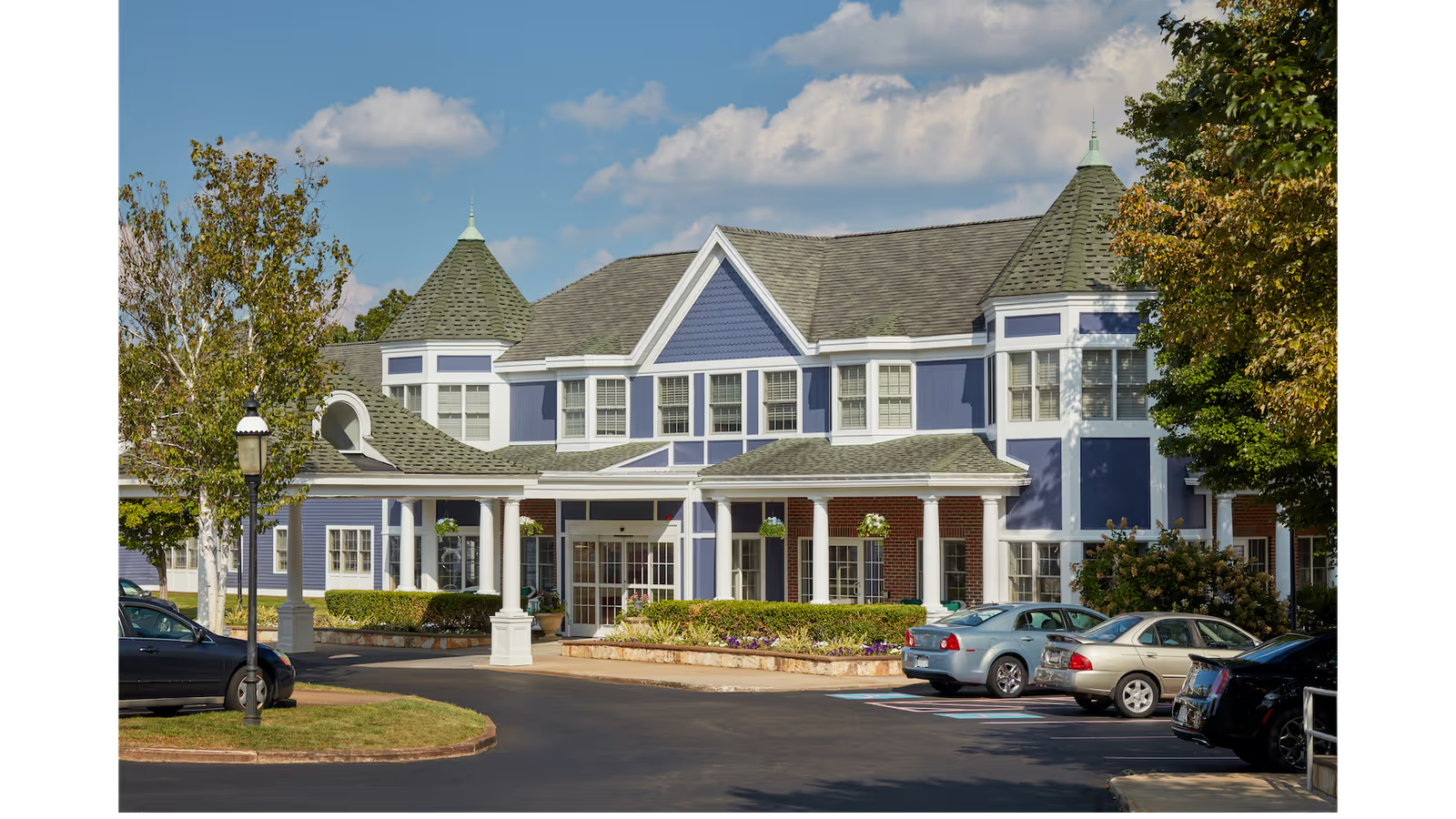
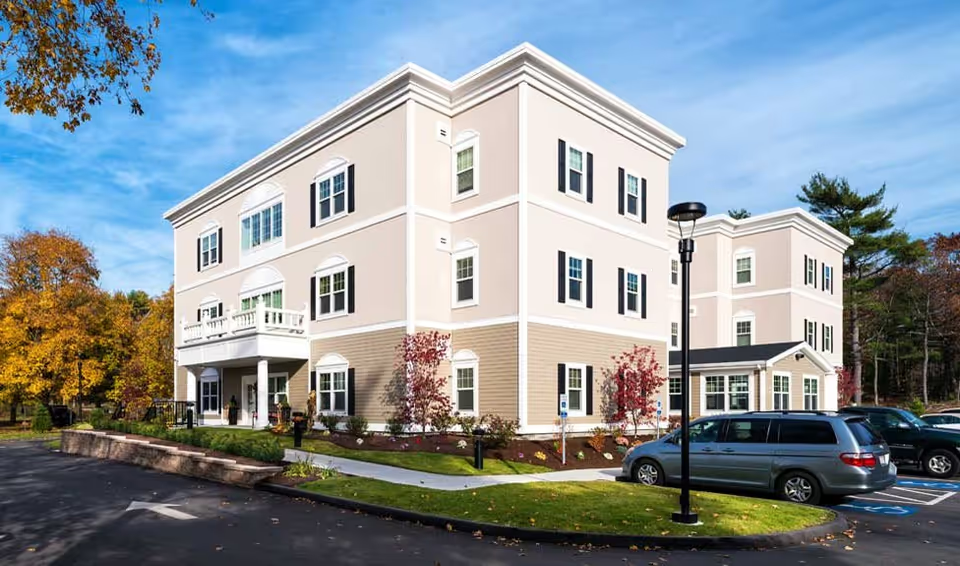
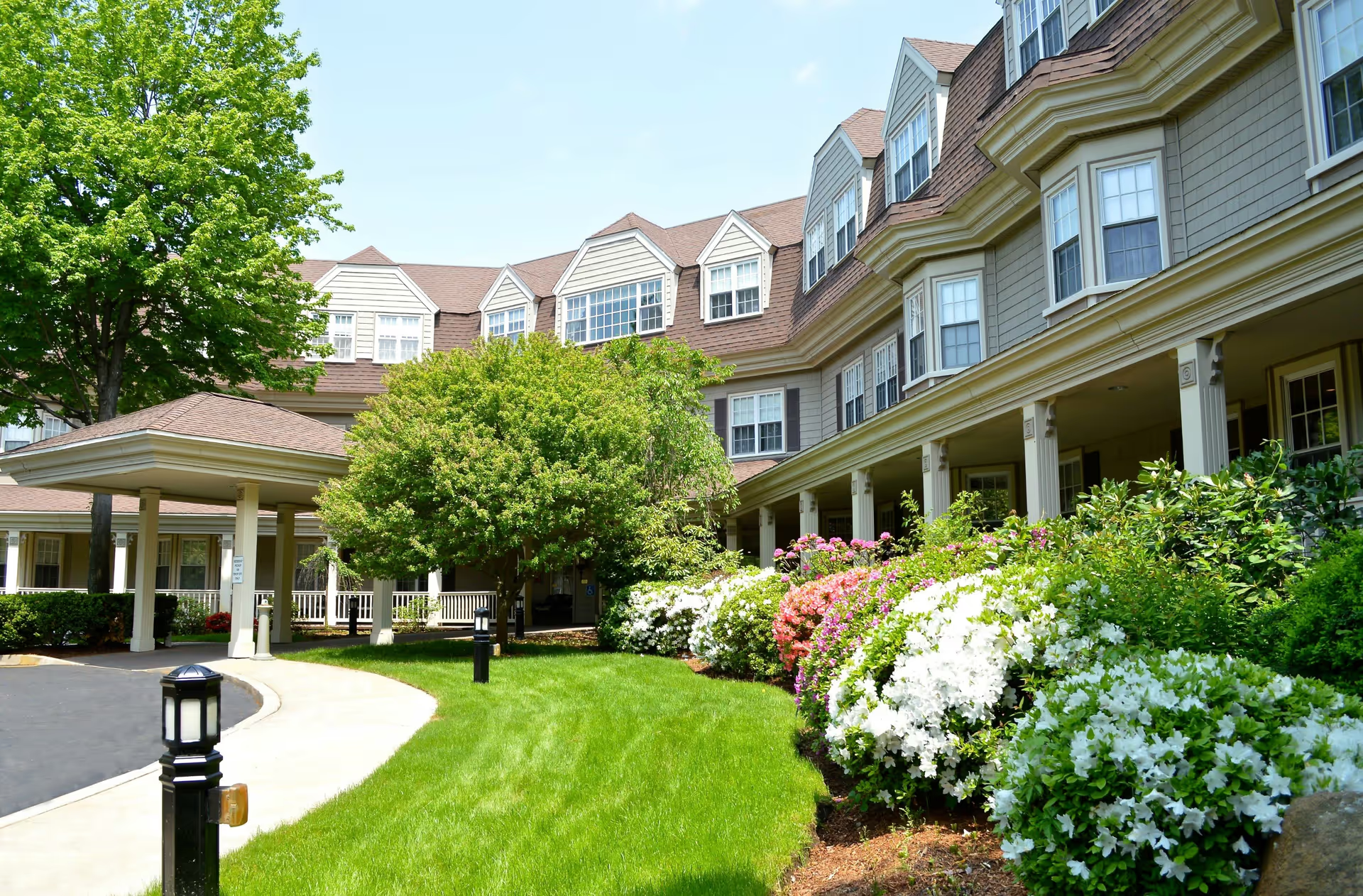
Facility condition and housekeeping observations are mixed. Multiple accounts praise clean, well‑maintained common areas, fresh smells, and attractive lounges, while others describe cleanliness and upkeep problems in parts of the building. Similarly, there are concerns about asset security and laundry controls, including allegations of missing clothing and other personal items; these raise questions about inventory and tracking procedures for resident belongings. Some reviewers also reported language-proficiency barriers that interfered with clear communication between staff, residents, and families.
Management responsiveness appears inconsistent. Several families noted positive, professional engagement from social-work leadership and managers who took action after meetings; others described difficulty obtaining timely follow-up or explanations over the phone. Additional operational items raised include ancillary payment and service practices (for example, cash-only arrangements and payment-processing issues) that affect families’ convenience.
In summary, this facility demonstrates clear strengths in rehabilitation, individual caregiving, social services, and an active activities/dining program, alongside recurring operational vulnerabilities: variable staffing coverage (especially weekends), communication and handoff lapses, inconsistent personal‑care practices, and controls for resident belongings and payments. Prospective residents and families should weigh the positive clinical and social-program attributes against these operational patterns, and consider targeted questions about weekend therapy coverage, dementia staffing ratios, communication protocols, property-tracking procedures, and dietary accommodations during a tour or care-planning conversation.