Cape Regency receives a mix of strong endorsements and substantive operational concerns. Many families and visitors praised the quality of direct care: reviewers frequently highlighted compassionate, attentive staff, skilled nurses and unit leadership, and robust rehabilitation services (physical and occupational therapy). Social work and case management were singled out as proactive and helpful, and the recreation/activities program — including an ambassador role, regular events, and personalized outreach — is an often‑cited strength that contributes to residents' engagement and wellbeing. Multiple accounts emphasize good family communication, timely updates, and a generally safe, welcoming atmosphere in many parts of the facility.
At the same time, reviewers describe recurring operational weaknesses that merit attention. Staffing instability and turnover emerged as a consistent theme, with consequential delays in responsiveness to call lights and assistance requests. Several reviews describe gaps in clinical oversight, including fall‑risk monitoring and medication management concerns, and a few accounts raise serious clinical worries that families should investigate further. Administrative responsiveness is uneven: some families report prompt, organized leadership and problem resolution, while others describe limited follow‑through on care‑plan meetings and difficulty obtaining timely answers.
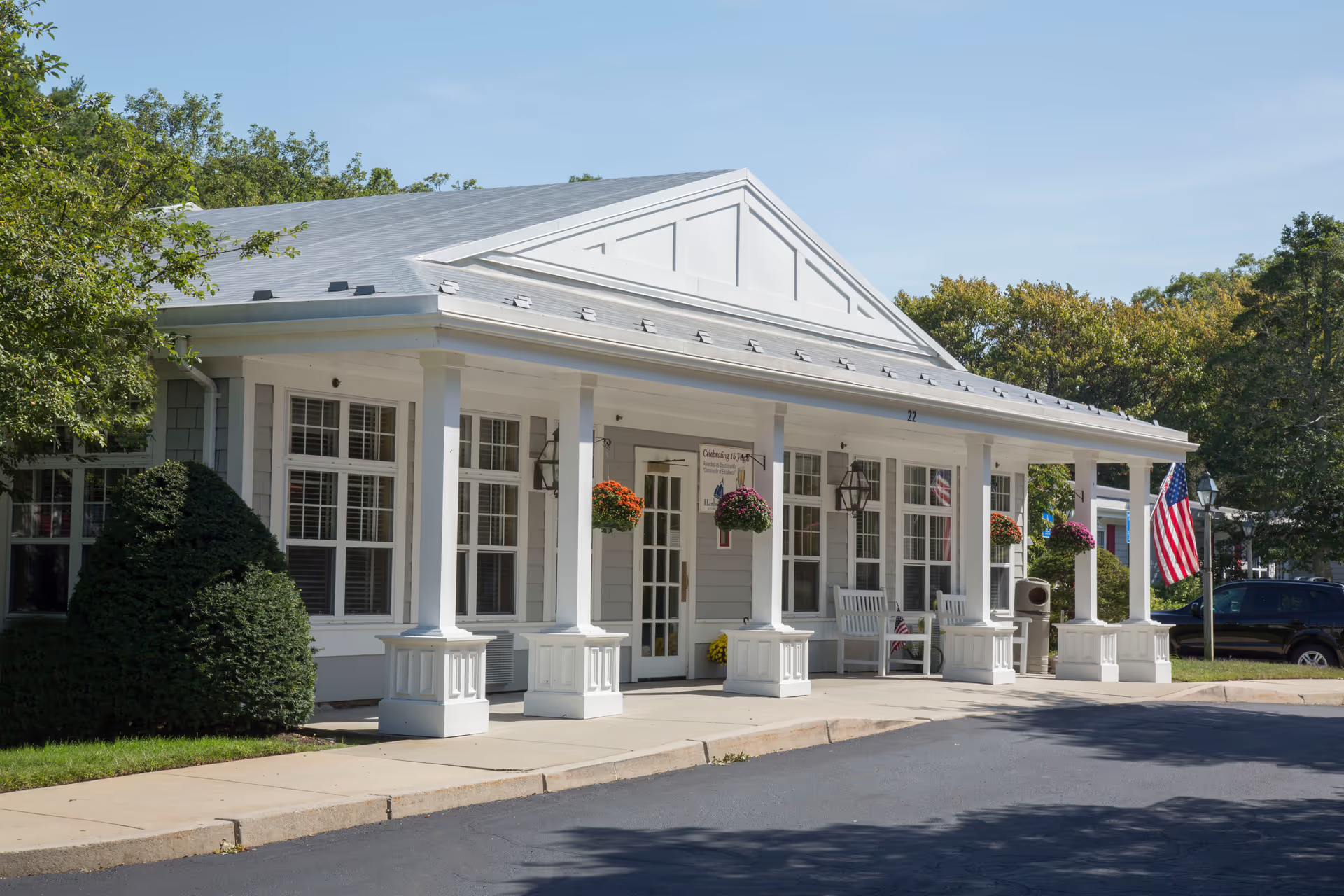
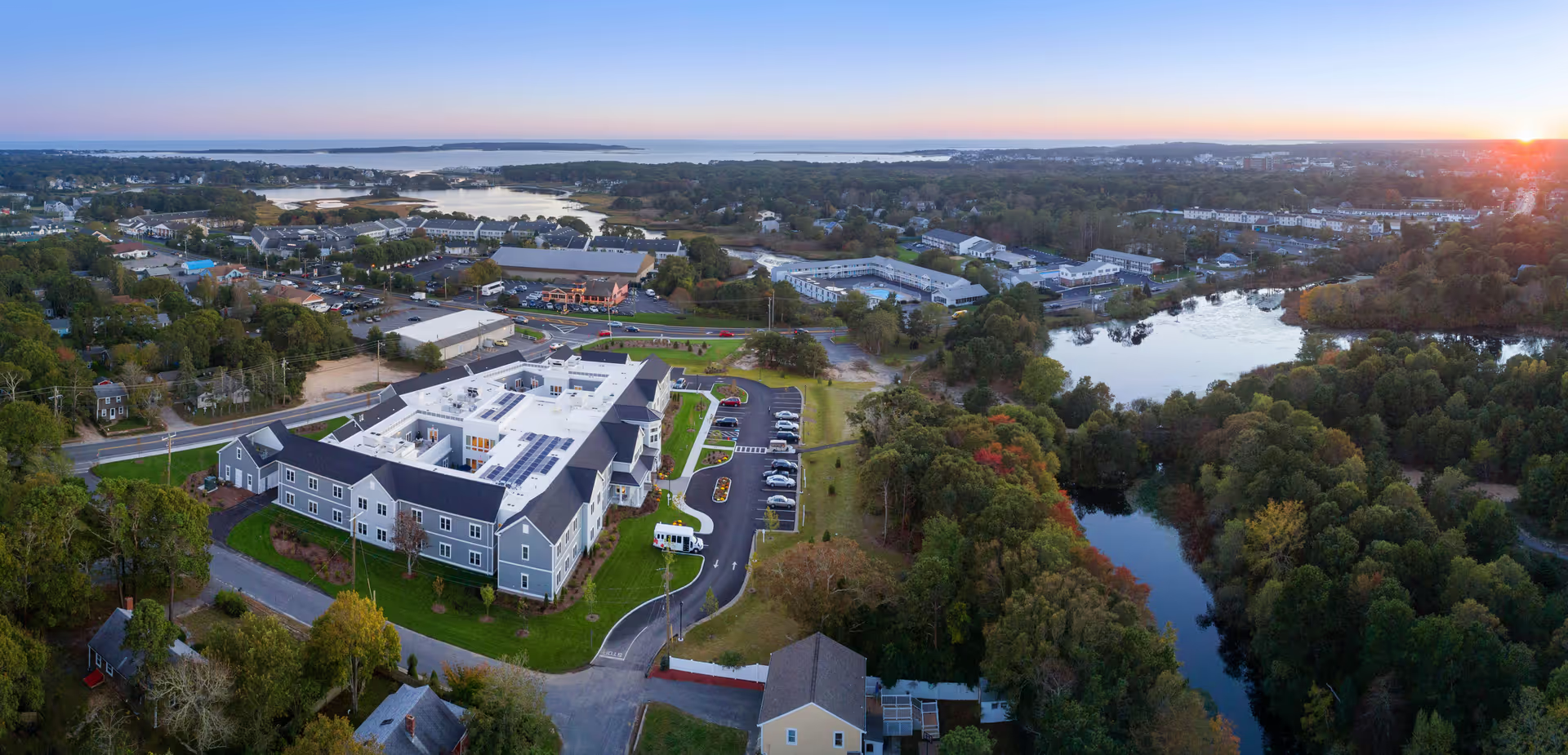
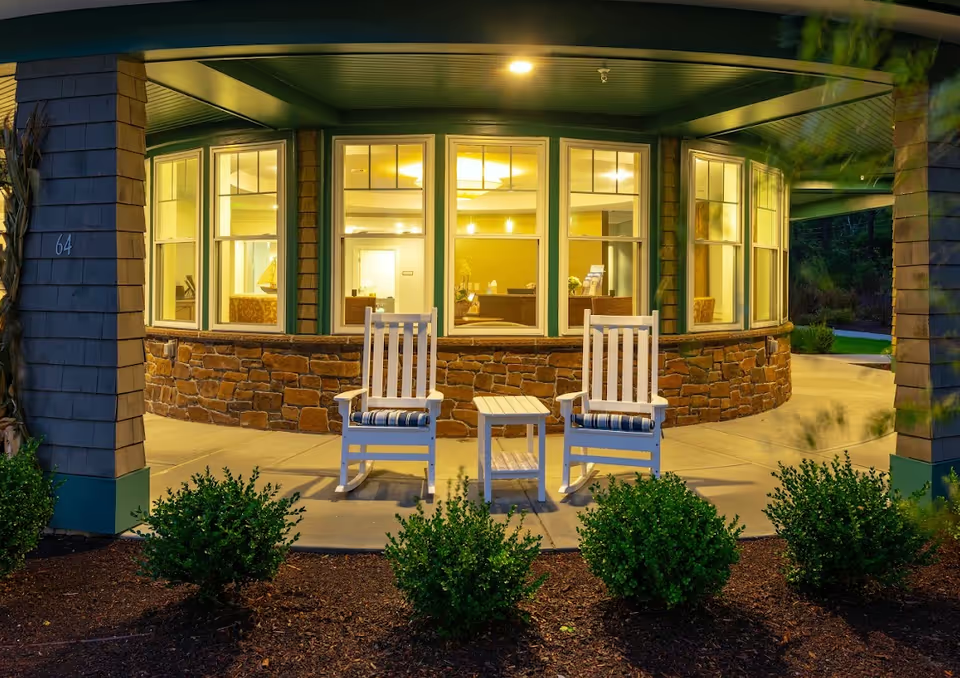
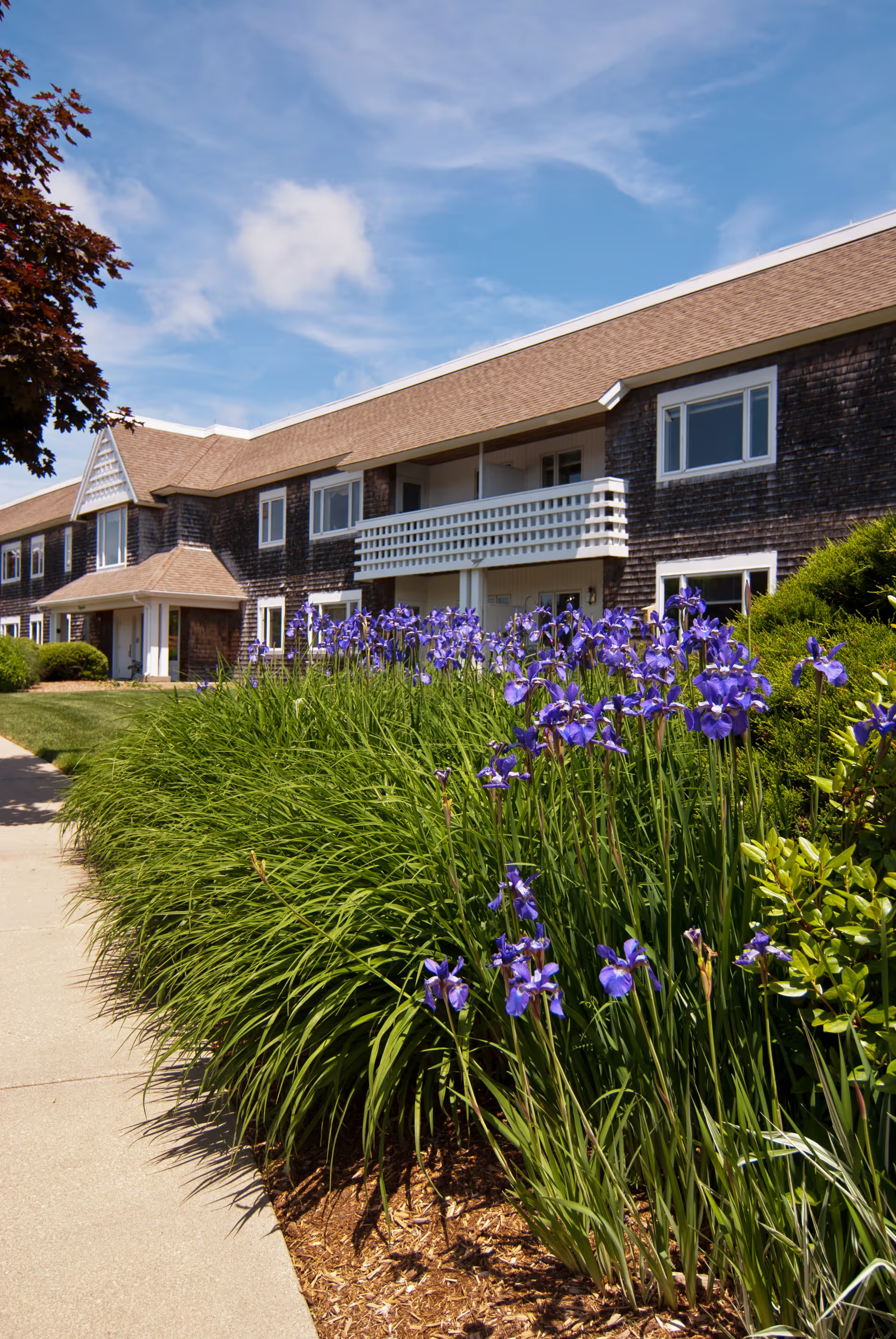
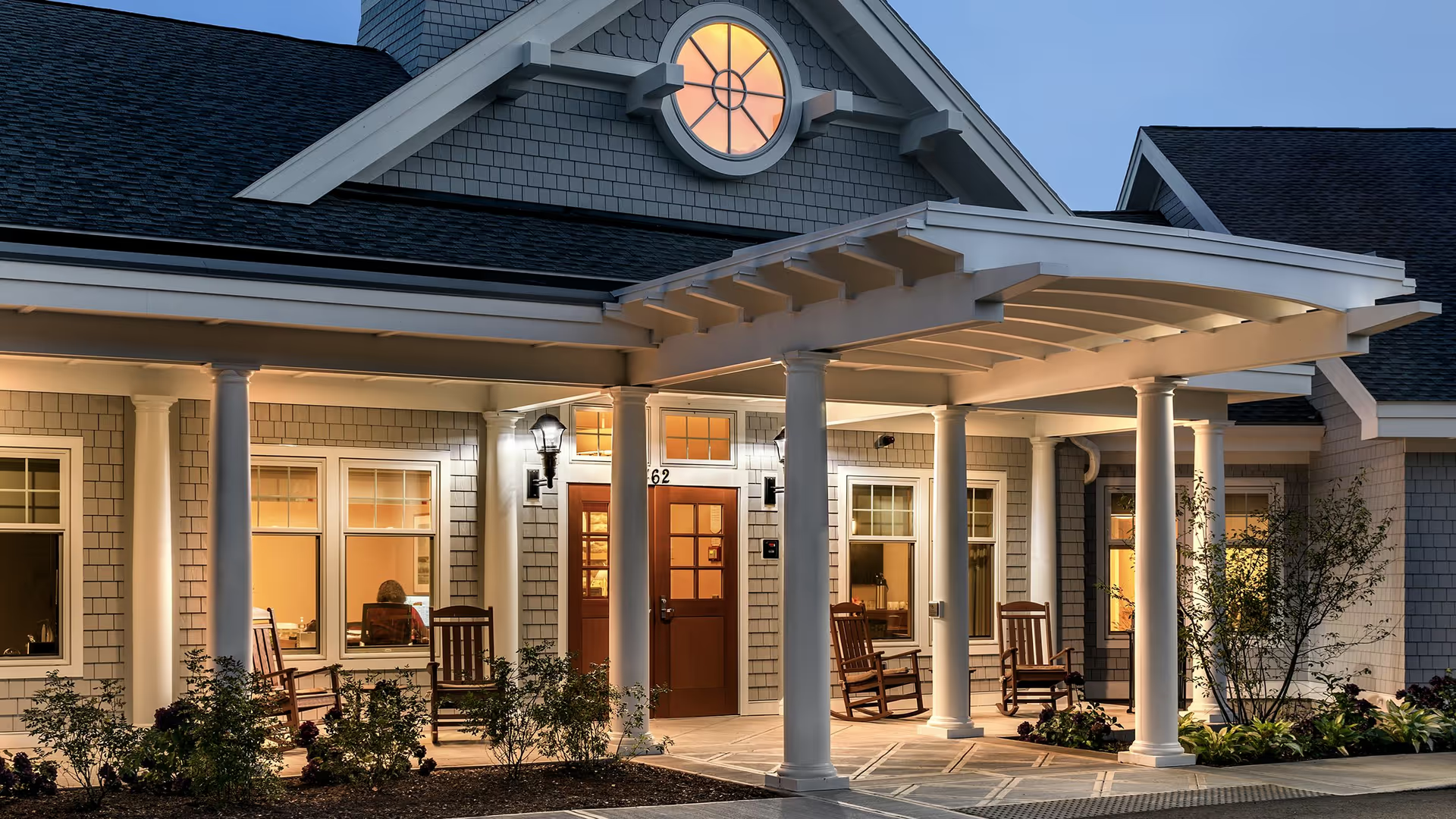
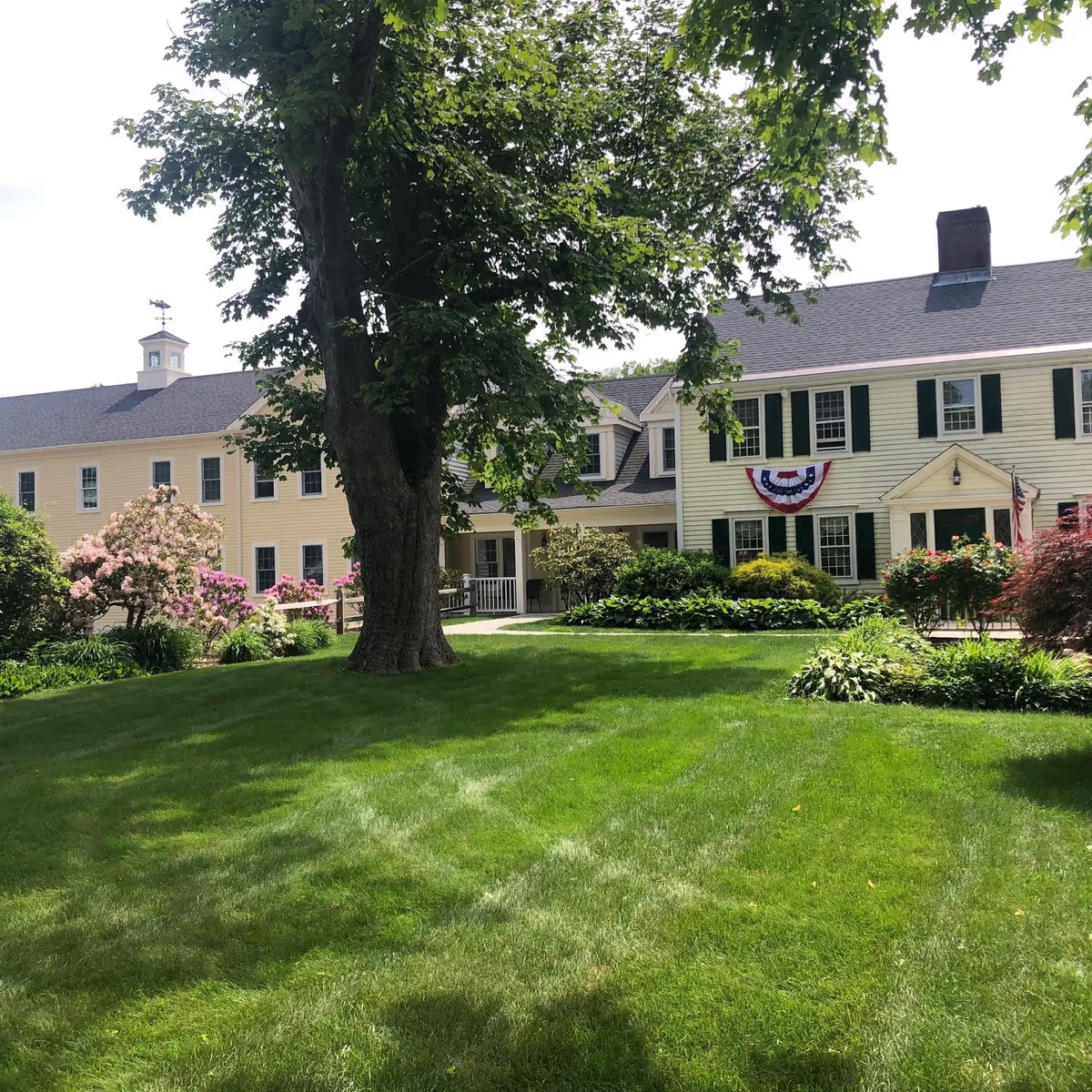
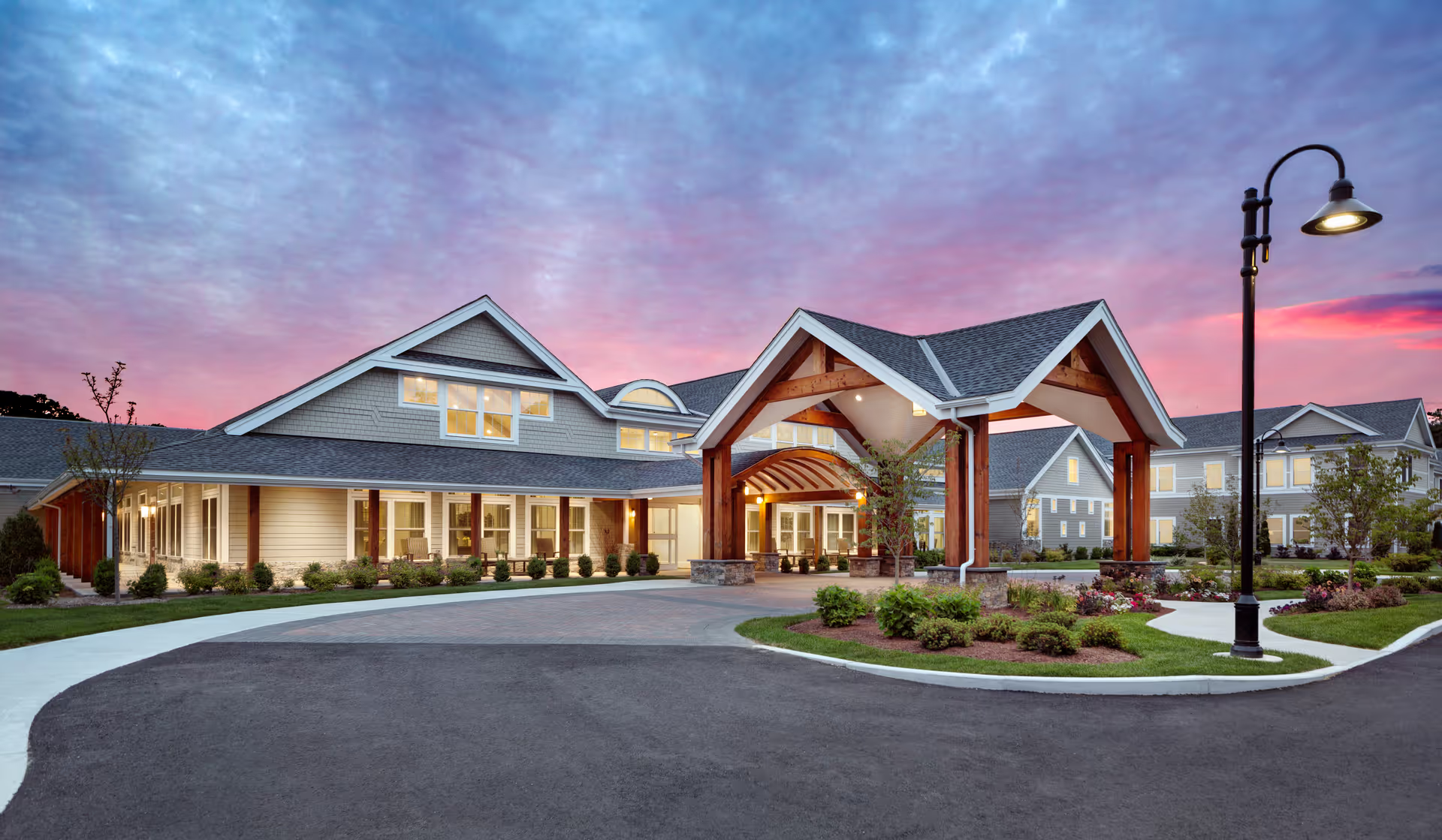
The physical plant and service delivery show variability across units. Portions of the building are clean, well maintained, and decorated with fresh flowers, while other areas appear dated and in need of repair — reviewers note worn carpeting, peeling paint, and broken fixtures. HVAC and temperature control problems, including rooms that run hot and instances of power interruptions with insufficient generator support, were reported. Dining experiences vary from praise for good food and a new food services director to criticisms about limited meal choices and inconsistent meal quality. Sanitation and incontinence‑care processes were raised as concerns in some accounts, as were language barriers among certain staff members that affected communication.
Taken together, the pattern is one of strong people and programs offset by operational and infrastructure inconsistencies. Prospective residents and families who value compassionate caregiving, active rehabilitation, and an engaged activities calendar may find many strengths here. Those for whom consistent clinical oversight, reliable staffing levels, robust emergency power, and updated room conditions are top priorities should ask specific, targeted questions during a tour: inquire about current staffing ratios and turnover, fall‑prevention protocols, medication‑management and incident‑reporting practices, HVAC maintenance and generator testing, dining menus and meal observations, and language/communication supports. Observing a mealtime, speaking directly with the unit social worker, and requesting recent inspection or staffing data can help families gauge whether the facility’s strengths align with their expectations and needs.