Reviews present a mixed picture. Many families and visitors describe warm, compassionate interactions with caregiving staff, strong clinical outcomes for some residents, an engaged activities program, and a welcoming, festive environment—especially during holidays. At the same time, there are substantive operational concerns that should be evaluated by prospective families before placement.
Care and staff: Positive accounts emphasize respectful treatment, attentive personal interactions, and professional behavior from many team members. The activities team is frequently singled out as a strength, contributing to engagement and quality of life. However, several narratives raise concerns about staff responsiveness, timeliness of assistance for personal-care needs (including incontinence-related support), and the tone of some staff interactions. There are also specific mentions of medication-handling problems and documentation lapses, which point to potential gaps in clinical-process controls.
Dining: Holiday meals and special-event dining receive praise, and some visitors note pleasant mealtimes during seasonal programming. Counterbalancing that, reviewers report inconsistent everyday meal quality and instances of restricted or selective meal service. Prospective families should clarify current kitchen staffing, menu rotation, and protocols for meal substitutions or missed services.
Activities and atmosphere: The facility’s activities program, seasonal décor, and overall communal atmosphere are consistent positives. Reviewers highlight an effective activities director, strong volunteer participation, and an inviting environment that supports social engagement and holiday programming.
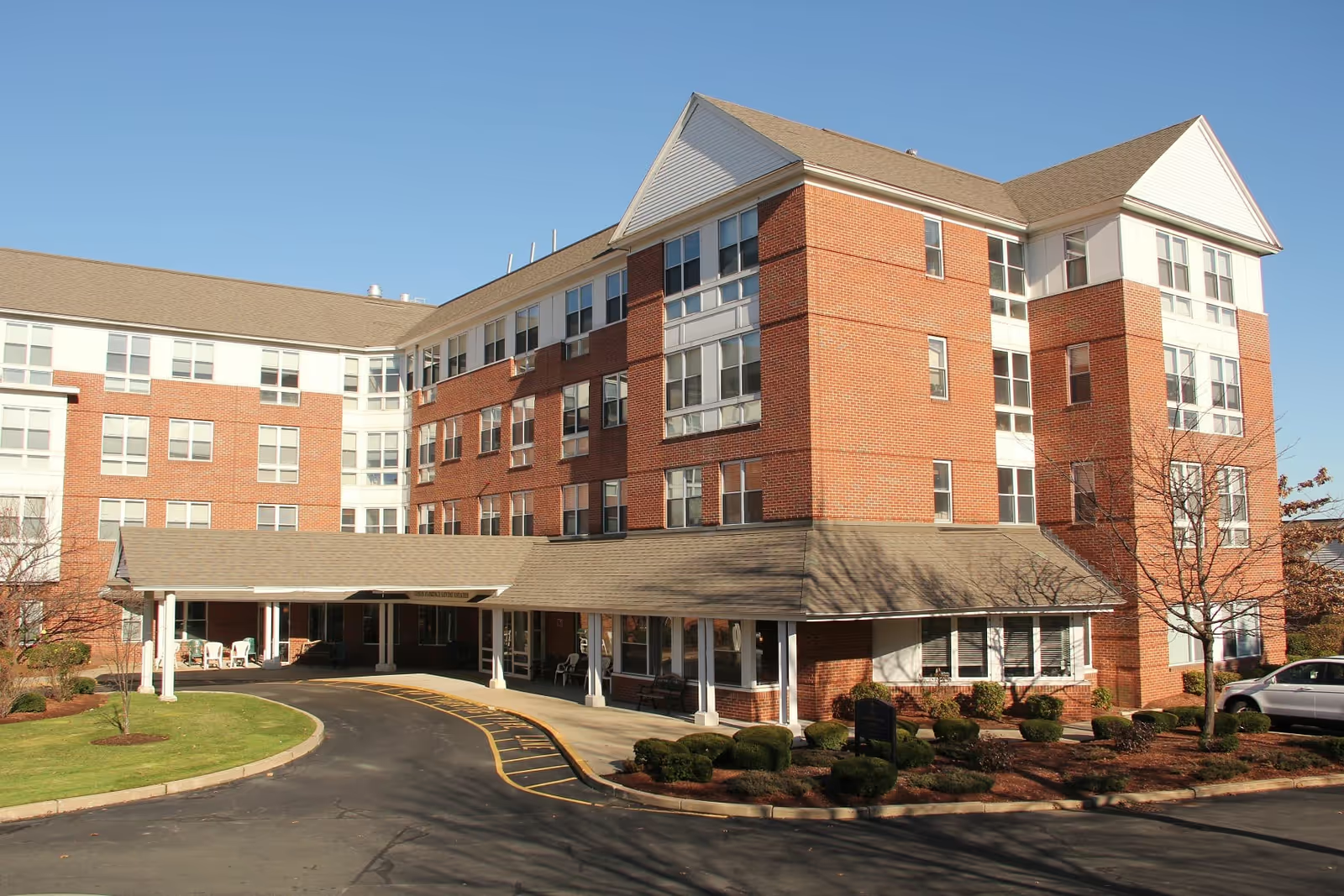
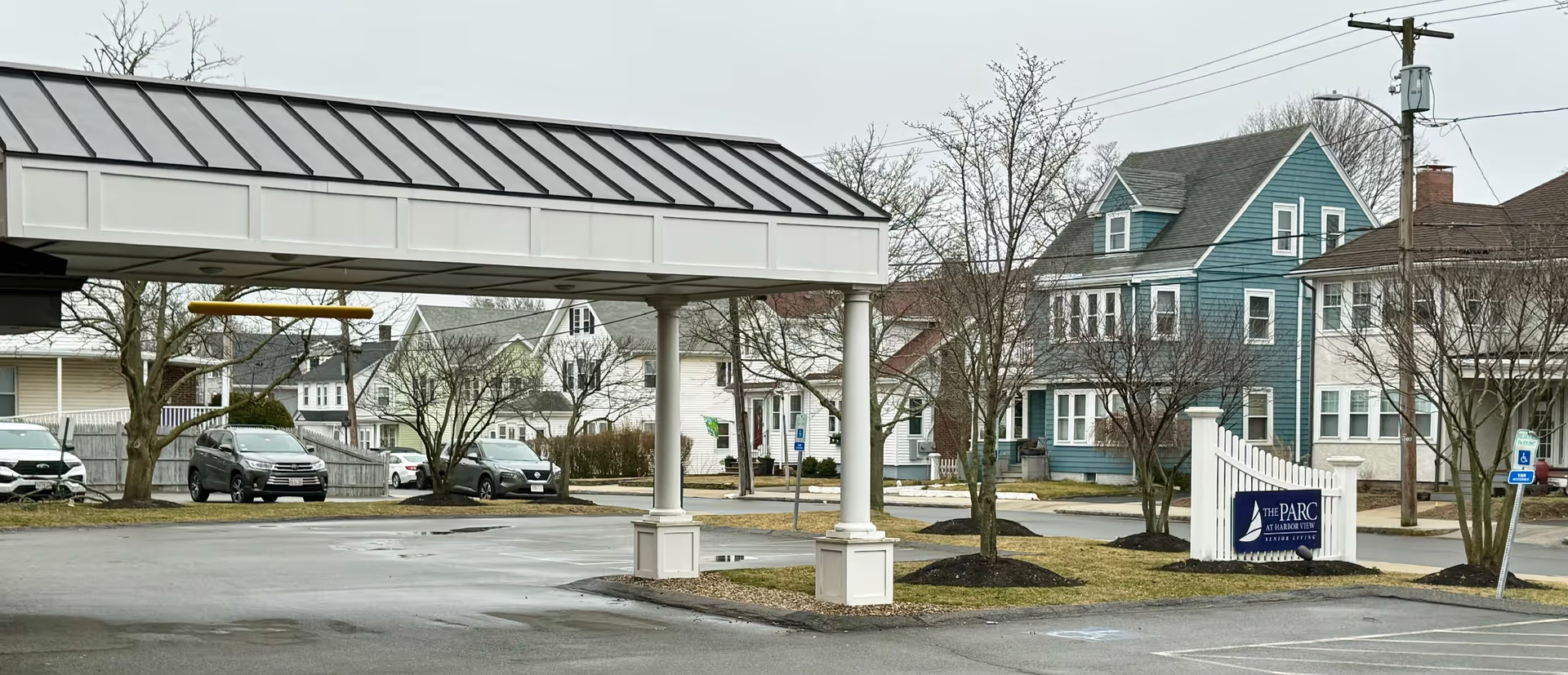
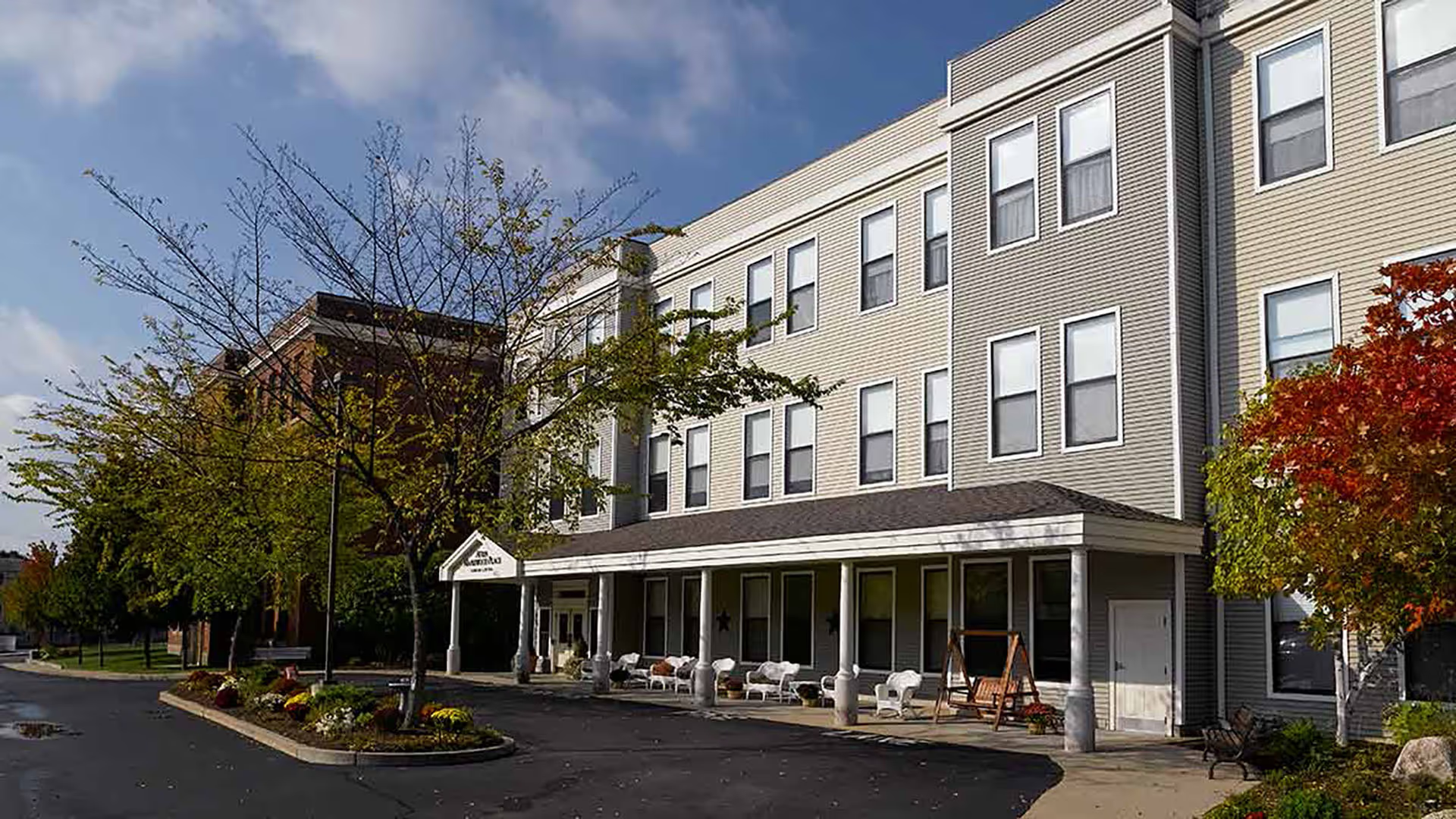
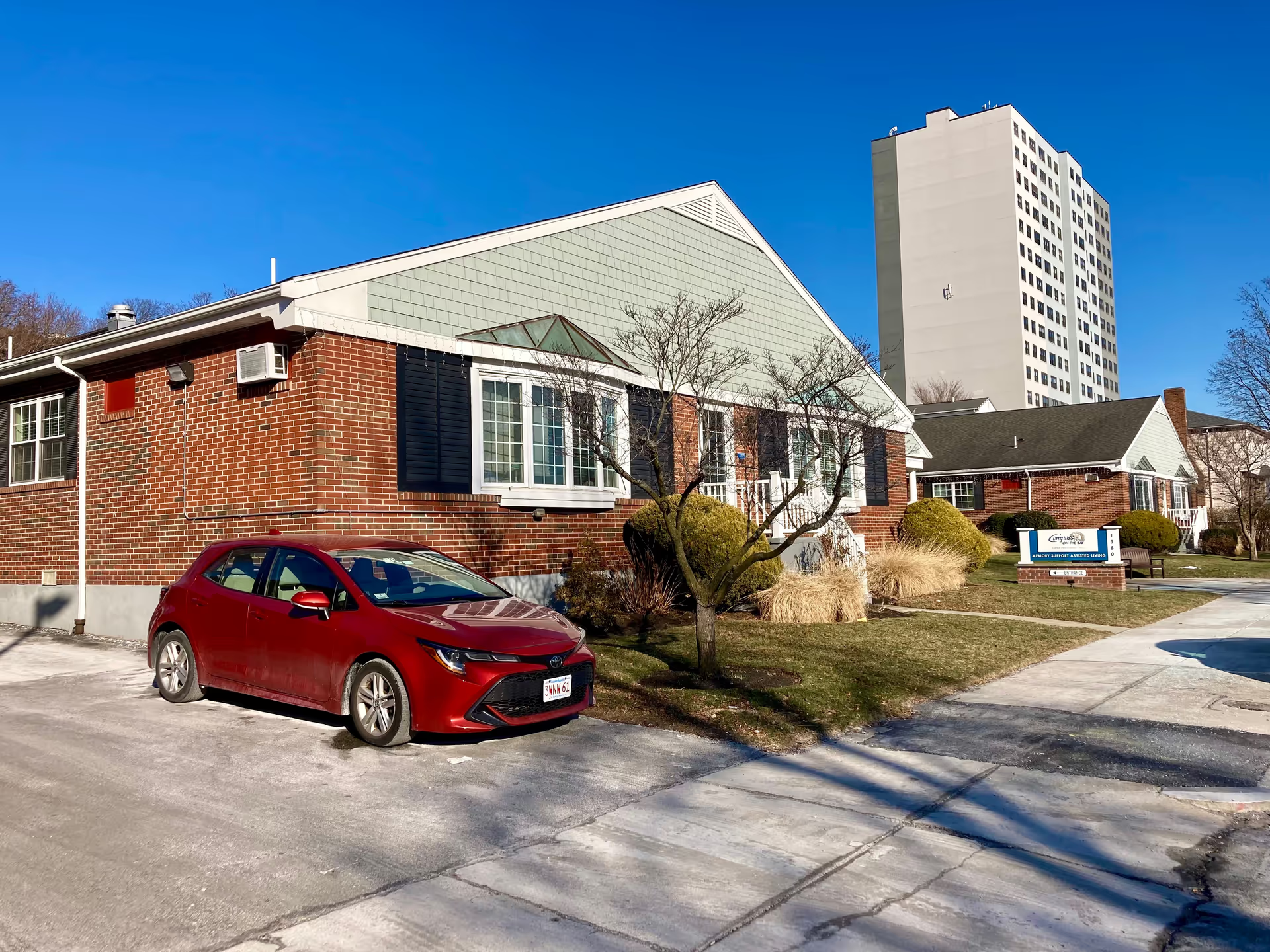
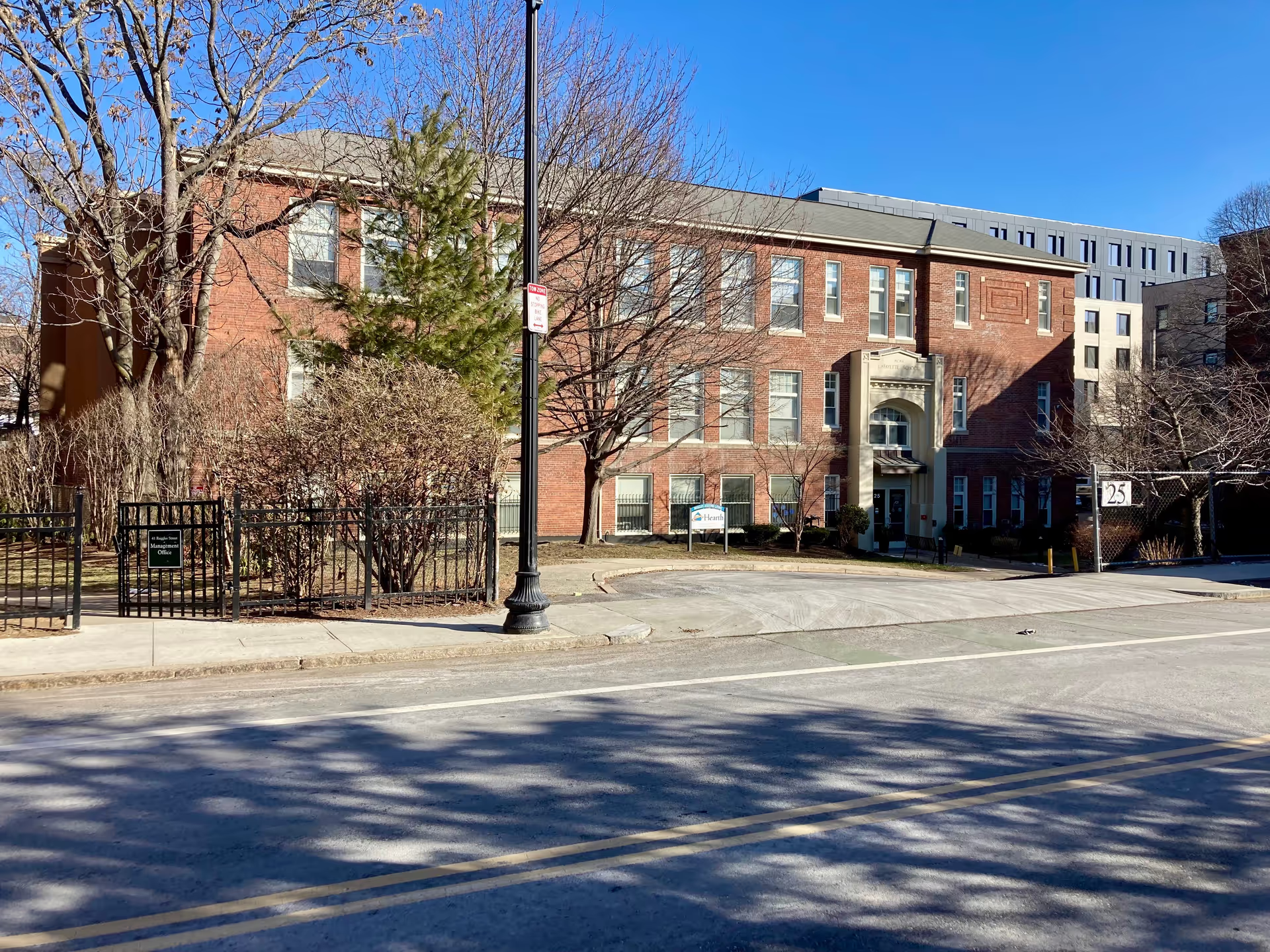
Facilities and safety: The building’s appearance and cleanliness of common spaces are often described positively, but reviewers also note areas that appear dated or in need of maintenance. Odor concerns and mentions of pests in some areas suggest that sanitation and pest-control measures may be uneven. Operational safety issues were raised regarding restricted access to elevators and stairways, which could affect egress and visitor movement—these are important to confirm during a visit.
Management and patterns: Several reviews describe clear improvement under newer management and praise recent leadership changes. At the same time, reports of prior administrative inaction and inconsistent oversight suggest variability over time. The pattern is one of contrast: strong interpersonal care and programming in many respects, coupled with episodic operational weaknesses in clinical documentation, medication handling, dining continuity, sanitation, and building maintenance.
Recommendations: Prospective residents and families should conduct an in-person tour and ask targeted questions about current staffing levels, medication administration protocols and audits, discharge- and records-management practices, pest-control and housekeeping schedules, building access and emergency egress procedures, and the kitchen’s staffing and menu plans. Request recent inspection reports, staffing rosters for relevant shifts, and examples of corrective actions taken by the current management team to address the operational concerns noted above. This will help determine whether the facility’s positive aspects are consistent and whether the documented weaknesses have been remediated.