Concord Park Senior Living presents a mixed but generally positive profile for prospective residents and families. Many reviewers highlight a warm, helpful staff that supports move-ins and transitions, with professional and engaged caregivers who can be attentive to residents’ needs. The community offers a broad program of activities — puzzles, bridge, fitness classes, art, movies, guided walks, holiday and social events — and a range of amenities such as a fitness center, beauty salon, on-site movie theater, and transportation for shopping and local appointments. Apartments are frequently described as updated and well finished (granite countertops, new carpet), with private kitchenettes and varied floor plans including studio and one‑bed options.
Dining is a consistent strength in the reviews: multiple accounts describe three meals daily with varied menus, nutritious selections (including sugar‑conscious options), and social dining opportunities. Residents and families commonly cite good food, friendly dining staff, and communal meal experiences as contributors to quality of life. The community also offers an on-site memory-care program and notes availability of financial-assistance pathways and referrals to a sister location when appropriate.
At the same time, reviewers indicate several operational concerns that prospective families should investigate further. The most serious recurring theme relates to clinical processes: there are accounts pointing to lapses in medication administration and related clinical-incident response that, in at least one instance, resulted in hospitalization. These accounts suggest the need to clarify the facility’s medication-administration protocols, staff training, supervision, and incident-notification procedures. Relatedly, some reviewers describe inconsistent staff supervision and conduct, including perceptions of aide favoritism and variable greeting/engagement practices.
Communication and management practices are another area to review. Several families describe lapses in family communication and delays in updates during clinical events. There are also comments about pricing instability, rent increases, and unkept promises in some cases; prospective residents should request written fee schedules, recent increase history, and clarification on what is included in monthly fees. Renovation activity has been ongoing and reviewers note construction-related disruption and temporary mess in parts of the building, which may affect noise, access, and the appearance of some areas during tours.
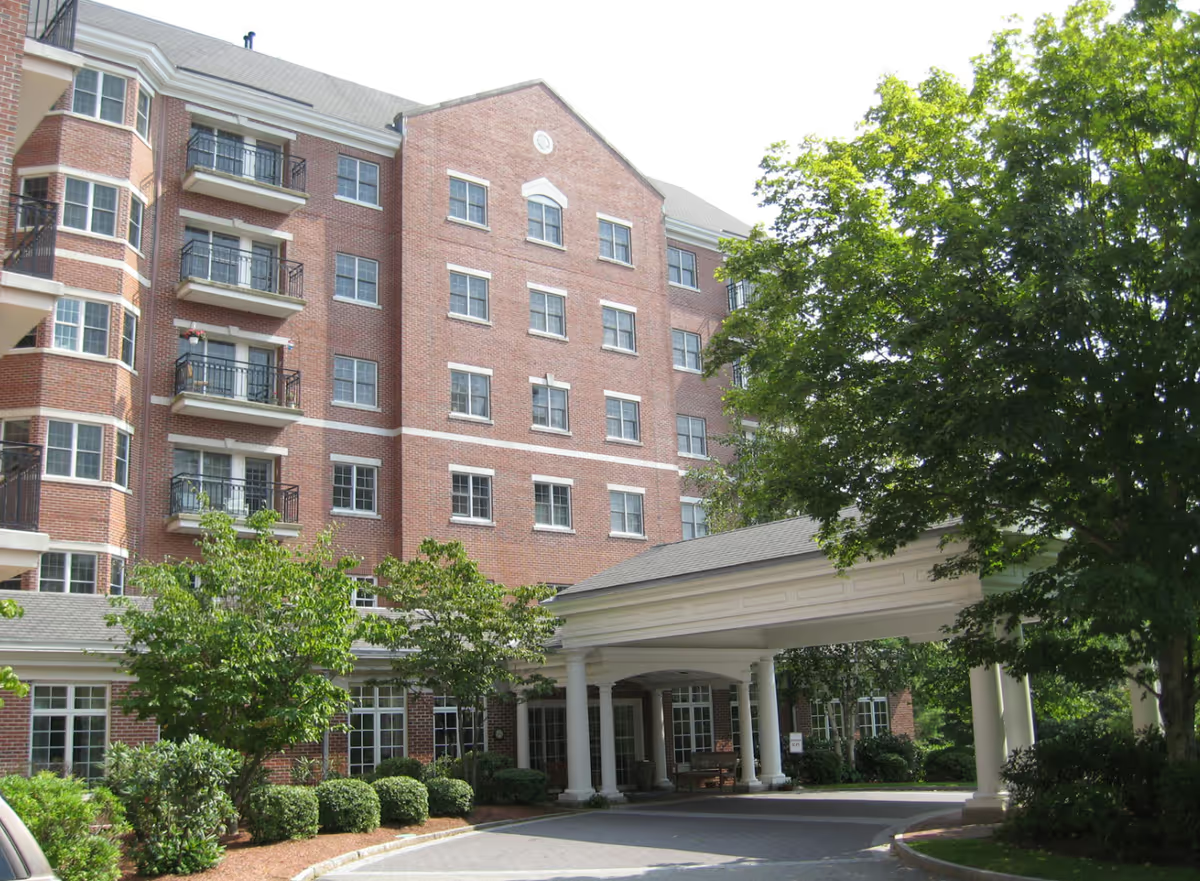
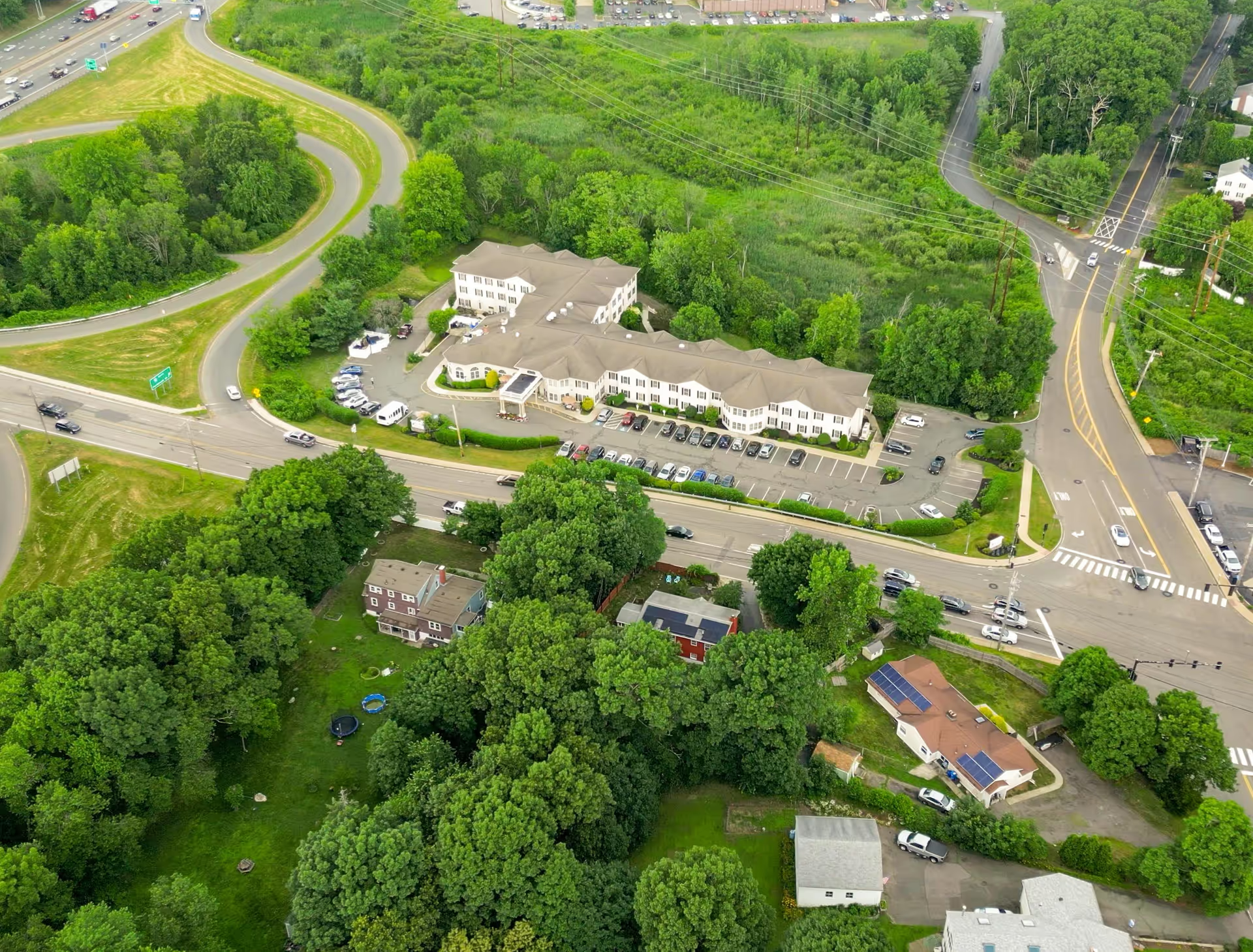
Other practical considerations include the facility’s setting and scale: the exterior location is described by some as industrial or less scenic despite pleasant grounds and river views from some units. The memory‑care unit is relatively small, which may be a benefit for families seeking a small household model but a limitation if capacity or certain levels of clinical staffing are a priority. Dining-room acoustics and variable entertainment programming quality were also mentioned and may affect resident experience depending on personal preferences for activity types and social ambiance.
Overall, Concord Park appears to offer a supportive, activity‑rich environment with strong dining and many amenities, supported by staff who are frequently described as kind and responsive. However, the presence of serious clinical concerns in some accounts, coupled with variability in staff supervision, family communication, ongoing construction, and financial/management questions, means families should conduct targeted follow-up. Recommended next steps include: observing staff–resident interactions on a visit, asking for nursing and medication‑administration protocols, reviewing recent incident and quality metrics, clarifying costs and policy on rent increases, and touring both living and memory‑care areas during non‑construction hours if possible.