Reviews of Twin Oaks Rehabilitation & Nursing Center present a mixed picture with clear strengths alongside recurring operational concerns. The facility's therapy program (PT/OT) and short-term rehabilitation services receive consistent positive feedback; multiple families credited therapy staff with functional improvement and successful recoveries. Many individual nursing assistants, nurses, and administrative employees are described as compassionate and helpful, and admissions and transition experiences are often characterized as welcoming and well managed.
At the same time, reviewers describe systemic clinical and operational gaps that affected care for some residents. Concerns center on inconsistent monitoring and care coordination — including medication-management and sedation oversight, oxygen-equipment handling, and documentation of vital signs — which in several accounts coincided with hospital transfers. Fall-prevention and supervision practices were also identified as areas needing improvement. Families reported weight loss and pressure-injury concerns for some residents and described delayed attention to basic needs in select situations.
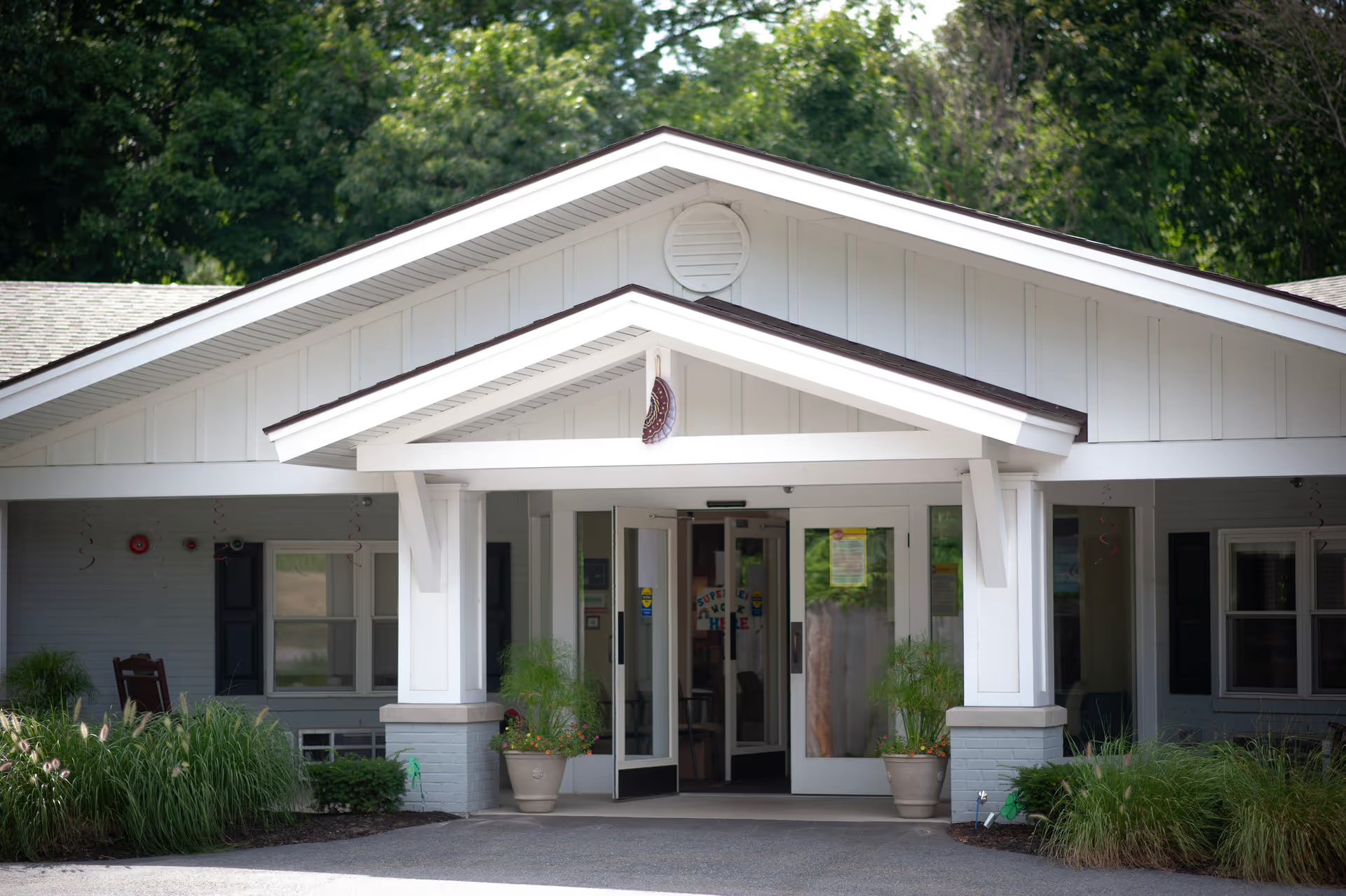
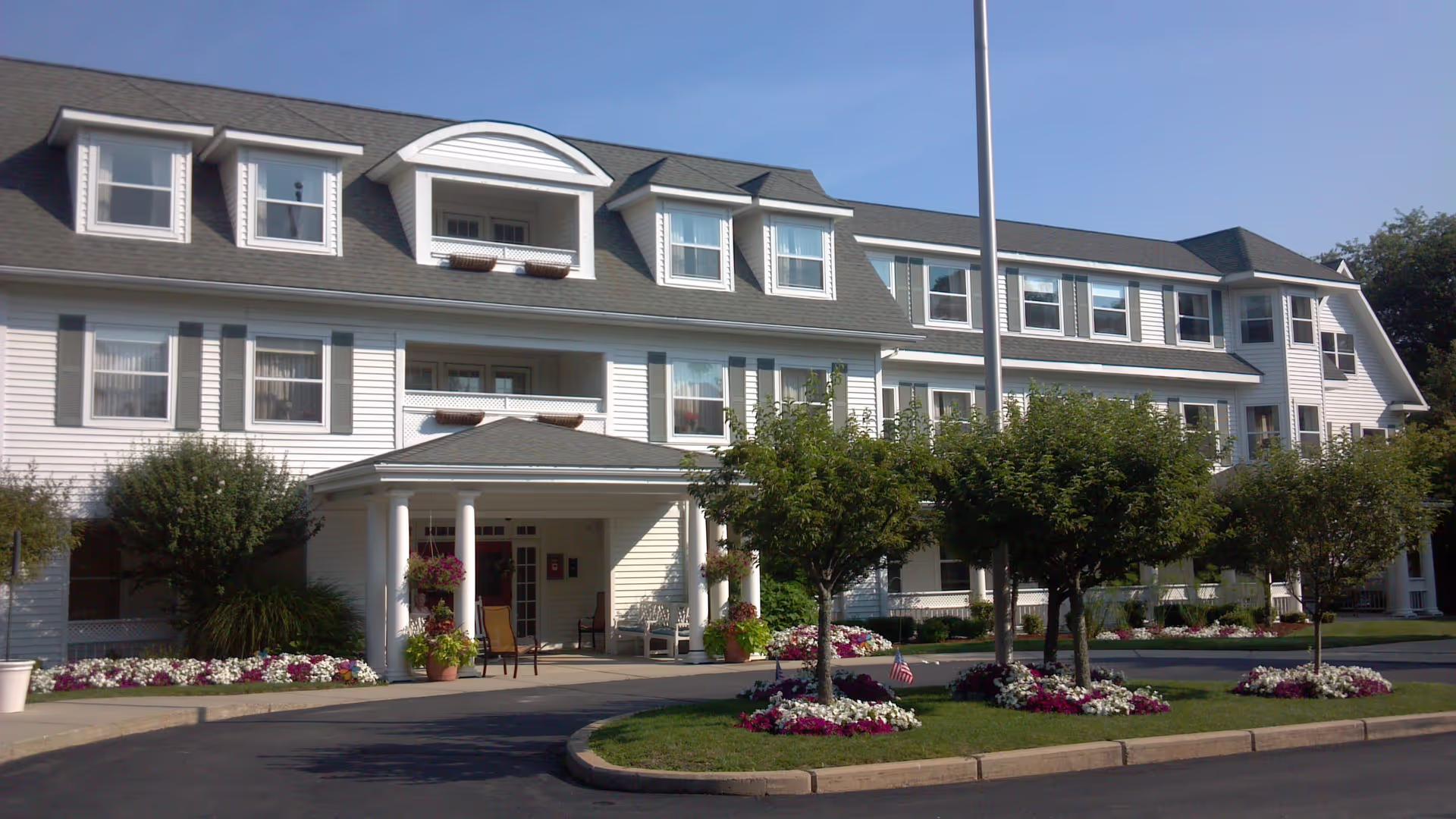
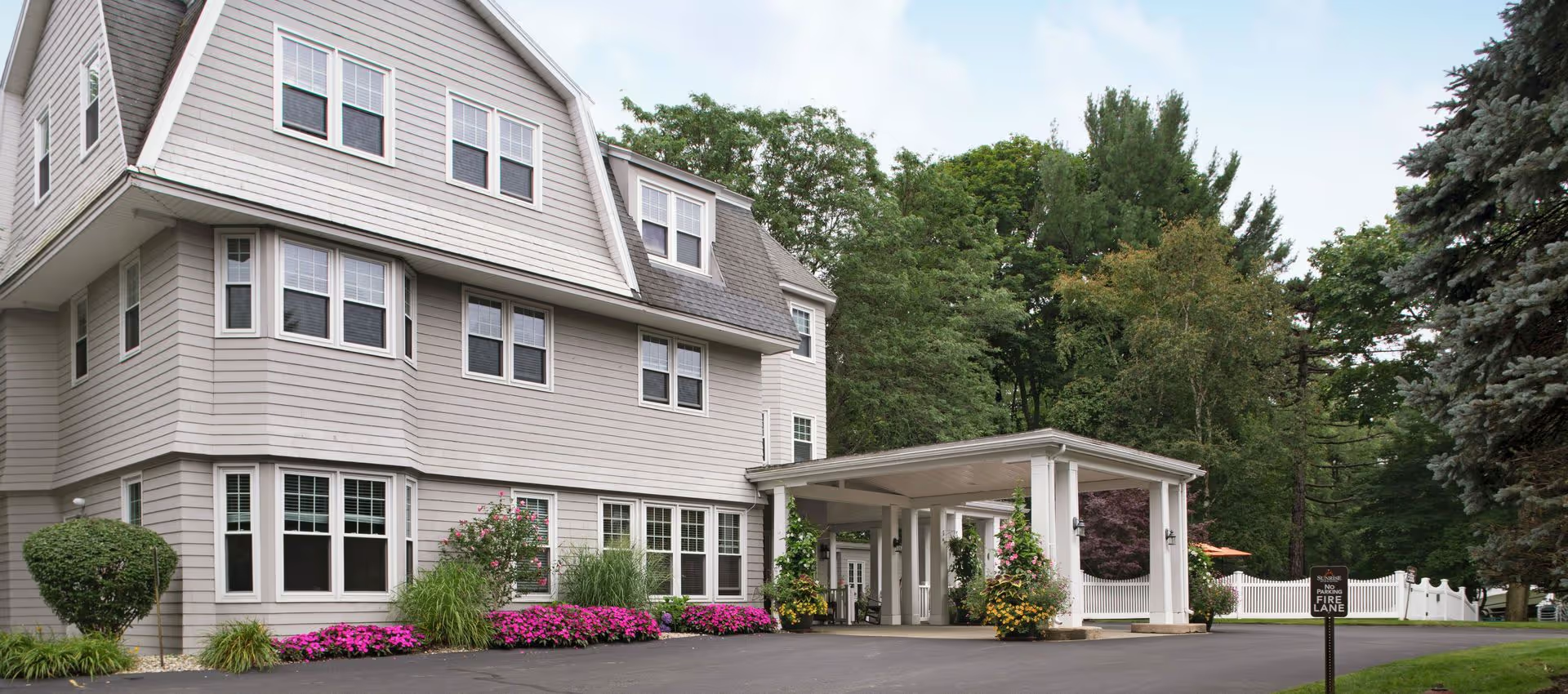
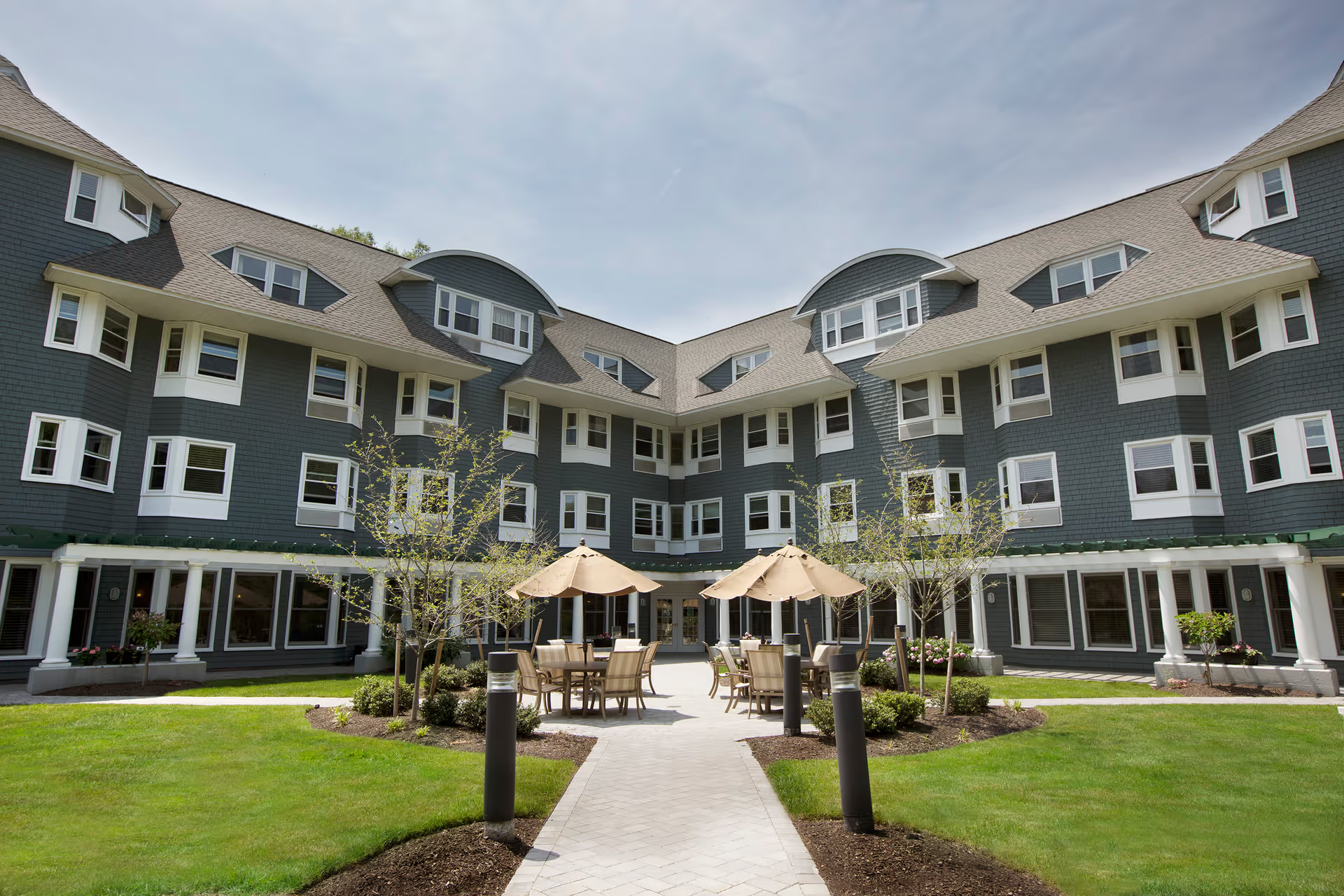
Facility appearance and support services drew frequent comment. The building and furnishings are perceived as dated, and reviewers noted maintenance and equipment issues such as nonfunctional TVs, sinks, and problems with oxygen delivery equipment. Cleanliness and sanitation in rooms and bathrooms were cited as inconsistent. Dining impressions are mixed: some residents and families praised particular meals and snack availability, but others described uneven food quality and meal-service continuity. The activities program elicits differing views as well, with some organized and enjoyable sessions reported alongside comments that programming is under-resourced or inconsistent.
Communication and management practices are another common theme. Families reported difficulty reaching staff or administrative personnel at times, uneven responsiveness from unit leadership, and problems with discharge planning and billing coordination. Staffing levels and turnover were described as contributing to variability in care continuity and resident supervision. At the same time, reviewers singled out specific staff and managers who provided notable support, responsiveness, and effective problem resolution.
In summary, Twin Oaks appears to offer a capable rehabilitation program and has numerous staff members who provide compassionate care. However, recurring operational weaknesses — in clinical monitoring, medication oversight, cleanliness and maintenance, staffing consistency, and administrative coordination — are frequently described and have, in some cases, coincided with adverse outcomes for residents. Prospective residents and families would be advised to tour the facility at different times of day, ask targeted questions about staffing ratios, fall-prevention protocols, oxygen and equipment maintenance, medication oversight, infection-control practices, and discharge/billing procedures, and seek references about recent experiences with management responsiveness and therapy outcomes.