The reviews present a mixed picture of care at this facility, with clear strengths alongside recurring operational concerns. Positive accounts highlight compassionate hospice nursing, a friendly front desk, some attentive direct-care staff, and visible improvements when nursing leadership intervenes. Several families described direct outreach from the Director of Nursing and corrective actions that led to measurable improvements for their relative. These elements suggest that pockets of good practice and responsive leadership exist within the organization.
However, a dominant theme across the feedback is understaffing and its downstream effects. Reviewers describe slow call-bell responses, delayed assistance with eating and repositioning, and postponed therapy starts — all of which indicate staffing and workflow constraints. Clinically relevant consequences cited include medication-administration delays and lapses in pressure-ulcer prevention and wound surveillance. These issues point to gaps in routine nursing processes and clinical follow-up that merit careful inquiry by prospective families.
Staff conduct and communication are described as inconsistent. Several accounts expressed concerns about the tone of interactions and delayed or incomplete family communication following clinical changes or transports. At the same time, reviewers also singled out individual employees and hospice personnel for positive, compassionate care. This pattern suggests variability in training, supervision, or staff morale rather than uniformly poor practice.
Dining and daily living services were also areas of concern. Multiple reviewers described unappetizing meals and limited assistance during mealtimes for residents who require help. Bathing and hygiene scheduling appeared irregular in some reports, and activity programming was characterized as limited with residents kept in rooms at times. These operational shortfalls affect quality of life and social engagement for long-stay residents.
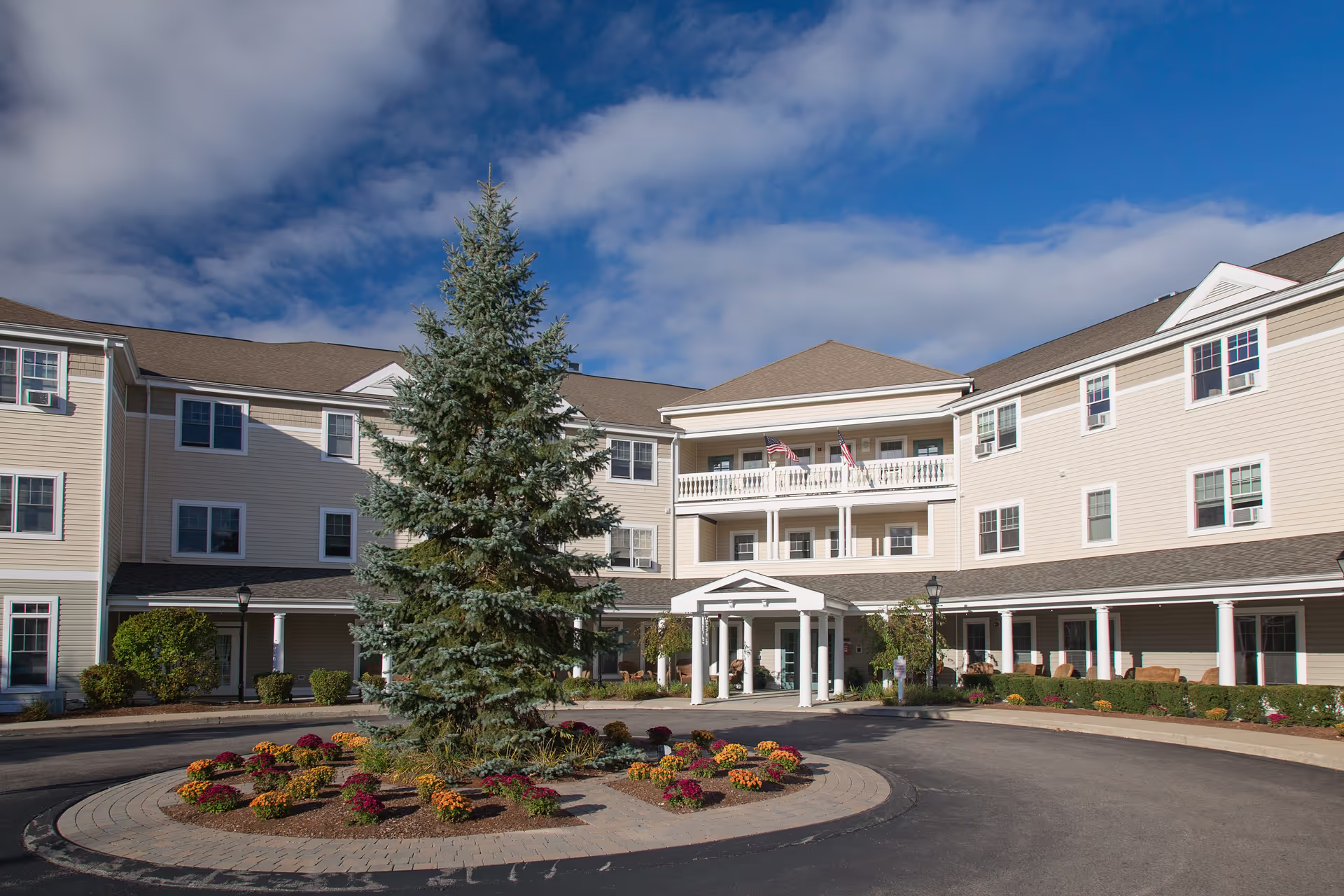
Facility and infection-control issues appear uneven. Some reviewers praised clean interior spaces and the courtyard, while others raised sanitation and maintenance concerns, including inconsistent climate control, lighting, and room placement relative to staff stations. There were also accounts alleging missing personal items and at least one instance of regulatory involvement; such claims raise questions about personal-belongings policies and inventory safeguards. Additionally, reports of inconsistent use of PPE and infection-control measures are an important operational concern to clarify with management.
Leadership and management receive mixed assessments. Several families described effective, hands-on responses from nursing leadership that corrected identified problems, including direct contact information and concrete care changes. Yet other reviews reflect delays in escalation or inconsistent follow-through. Prospective residents and families should consider asking about current staffing ratios, wound-monitoring protocols, medication-administration checks, incident escalation pathways, and how leadership documents and tracks corrective actions.
In summary, the facility shows evidence of both committed staff and significant operational challenges. The most consistent patterns are staffing shortages, variable care responsiveness, lapses in clinical surveillance (medications, wounds, transfers), and inconsistent environmental maintenance and support services. Those considering placement should observe staffing levels during shifts of interest, request specifics about clinical and infection-control protocols, review how personal-belongings are managed, and ask for examples of recent leadership-led improvements and how they are sustained.