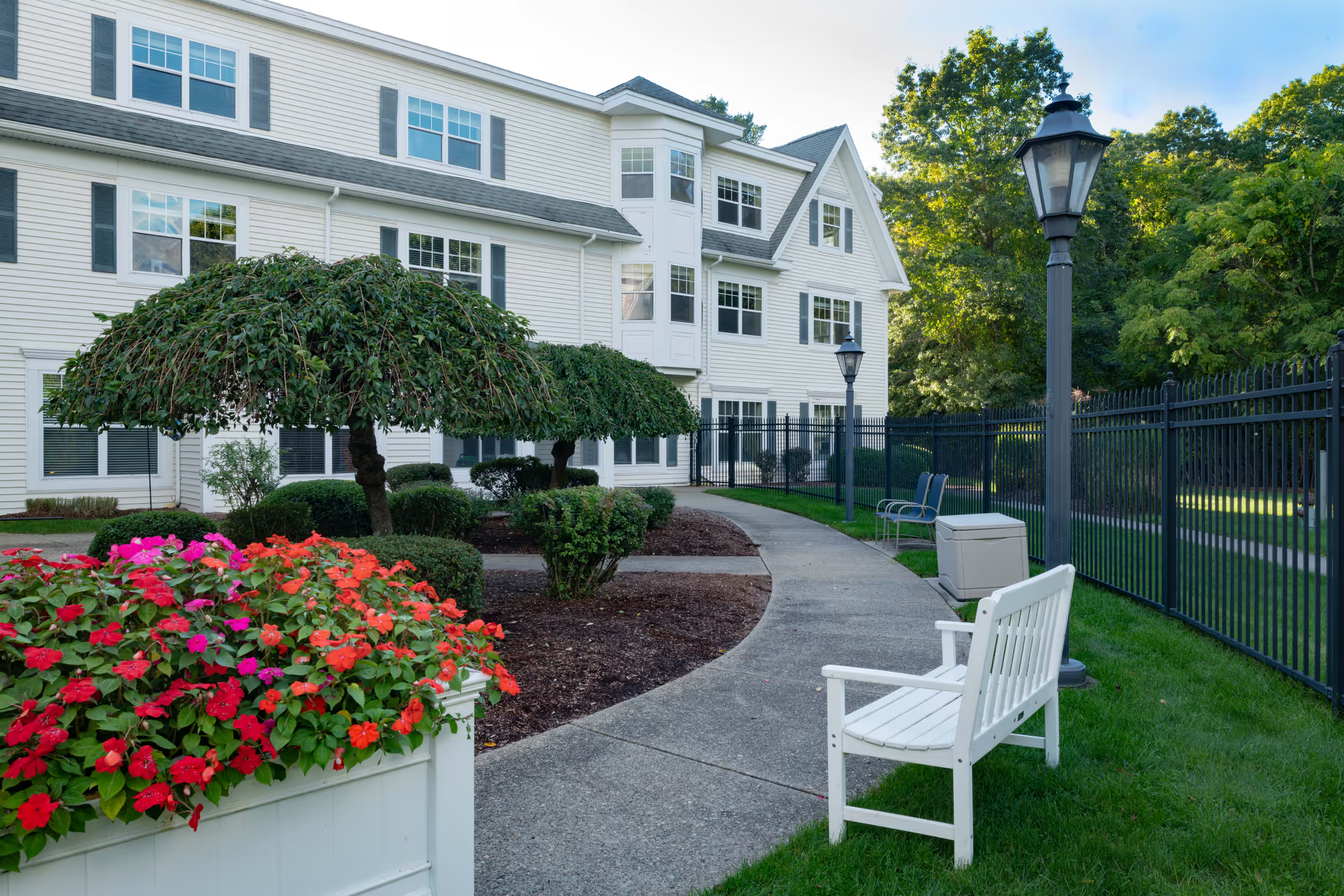
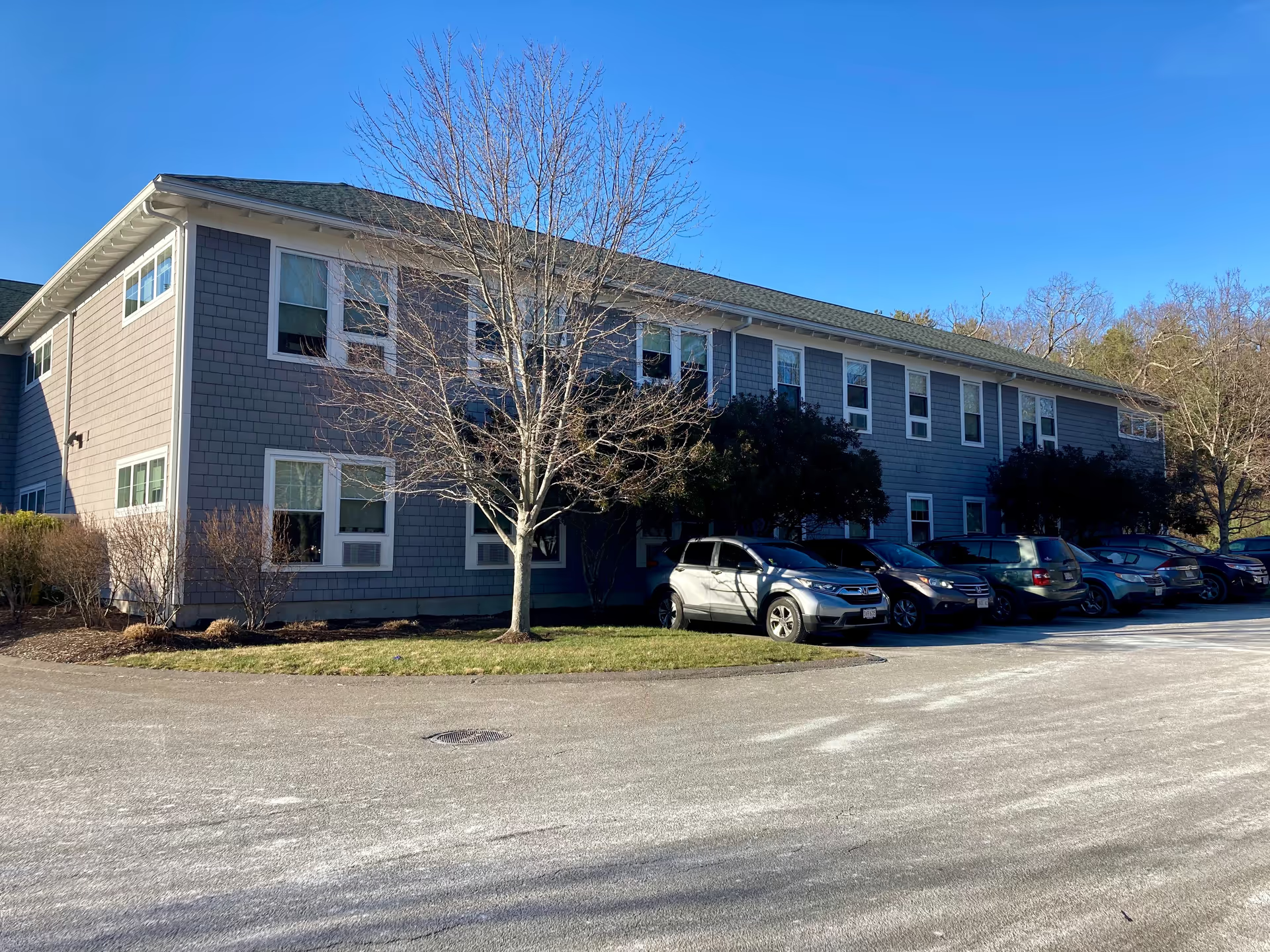
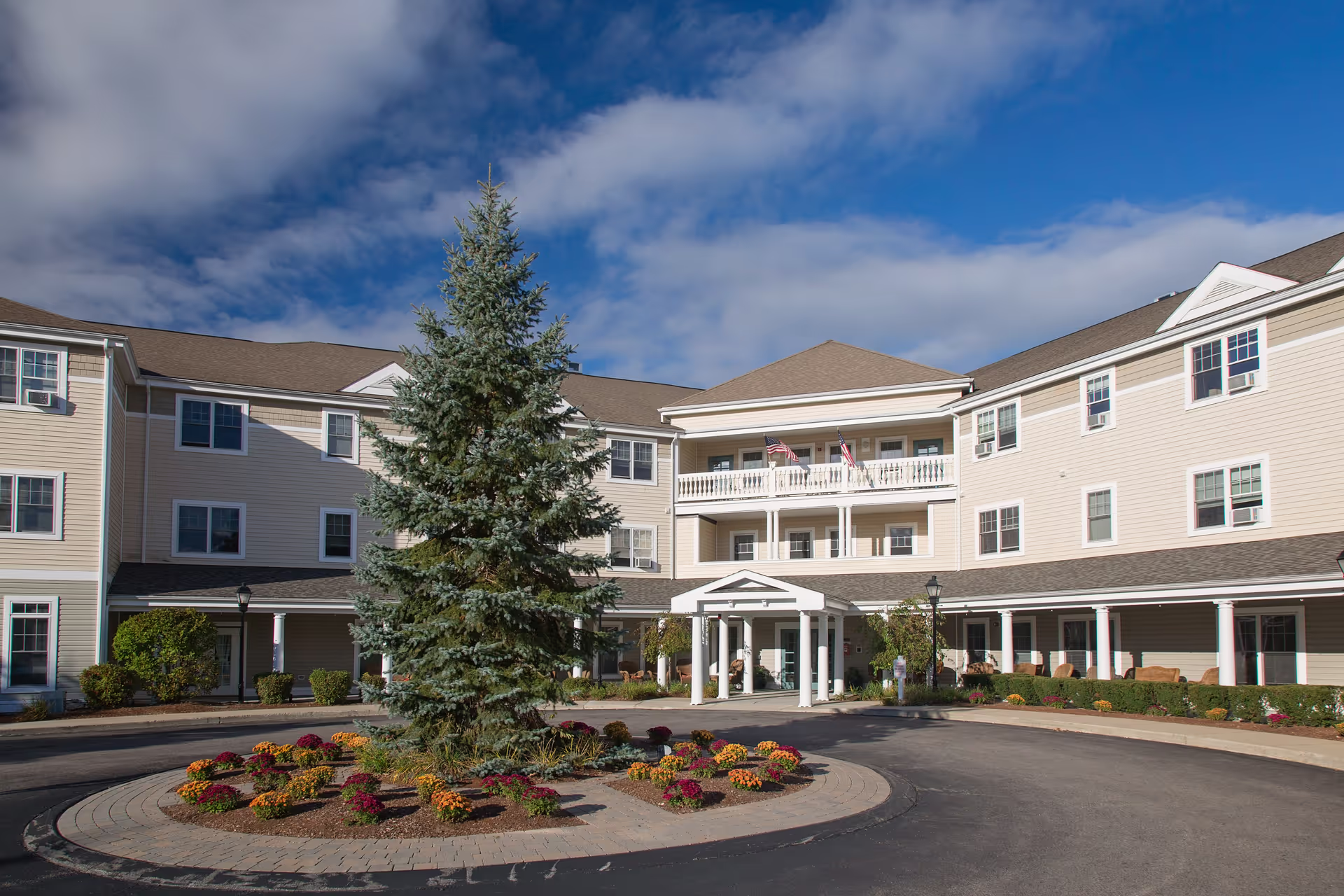
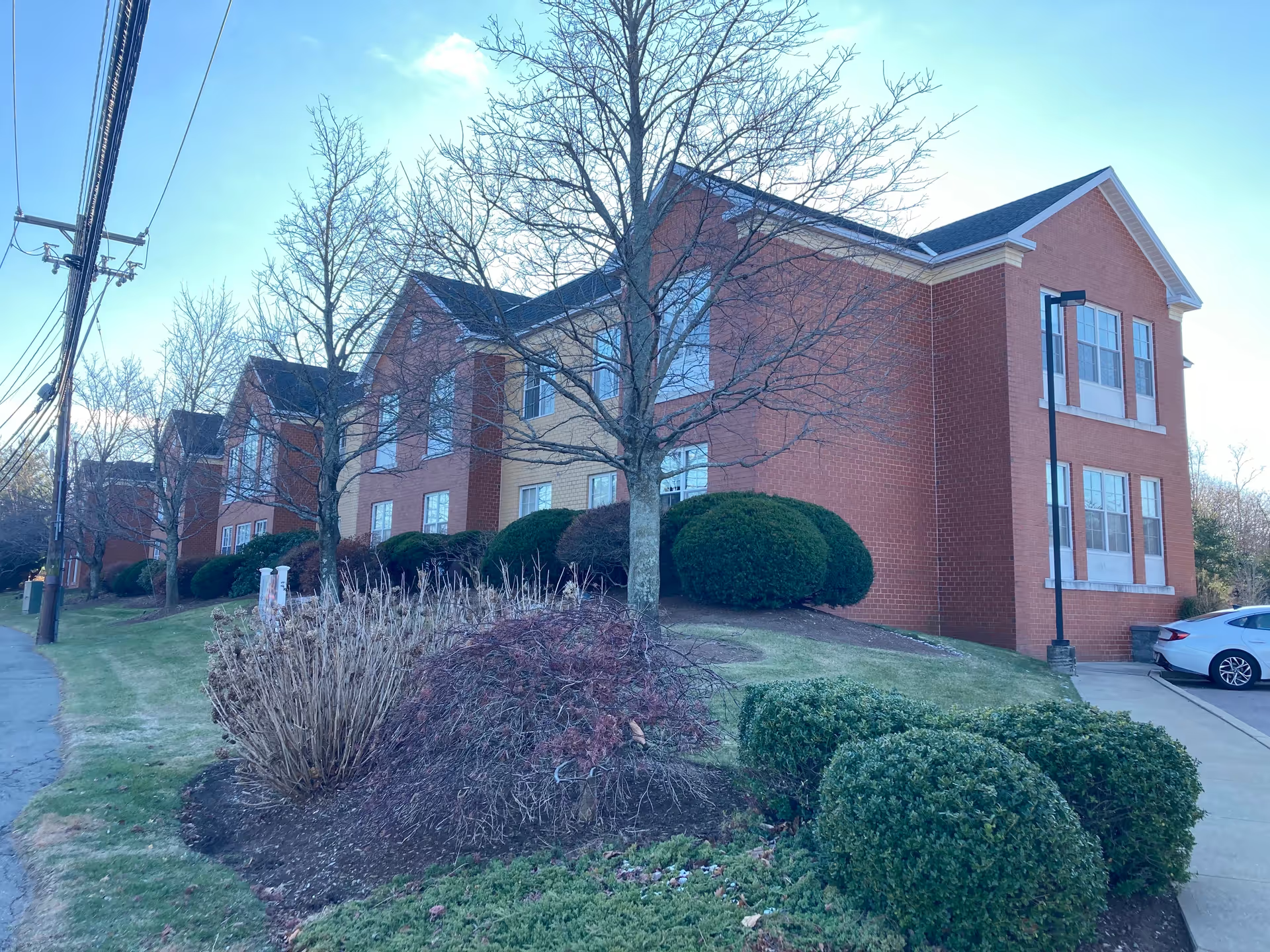
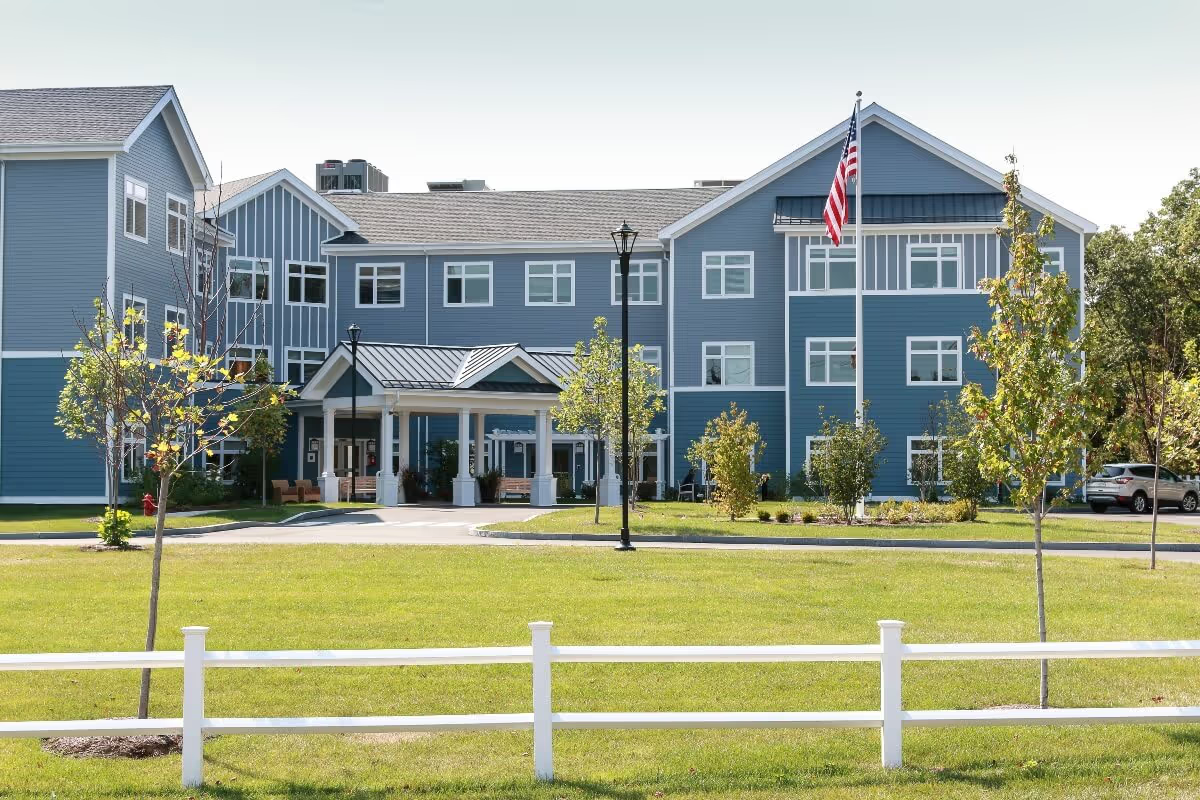
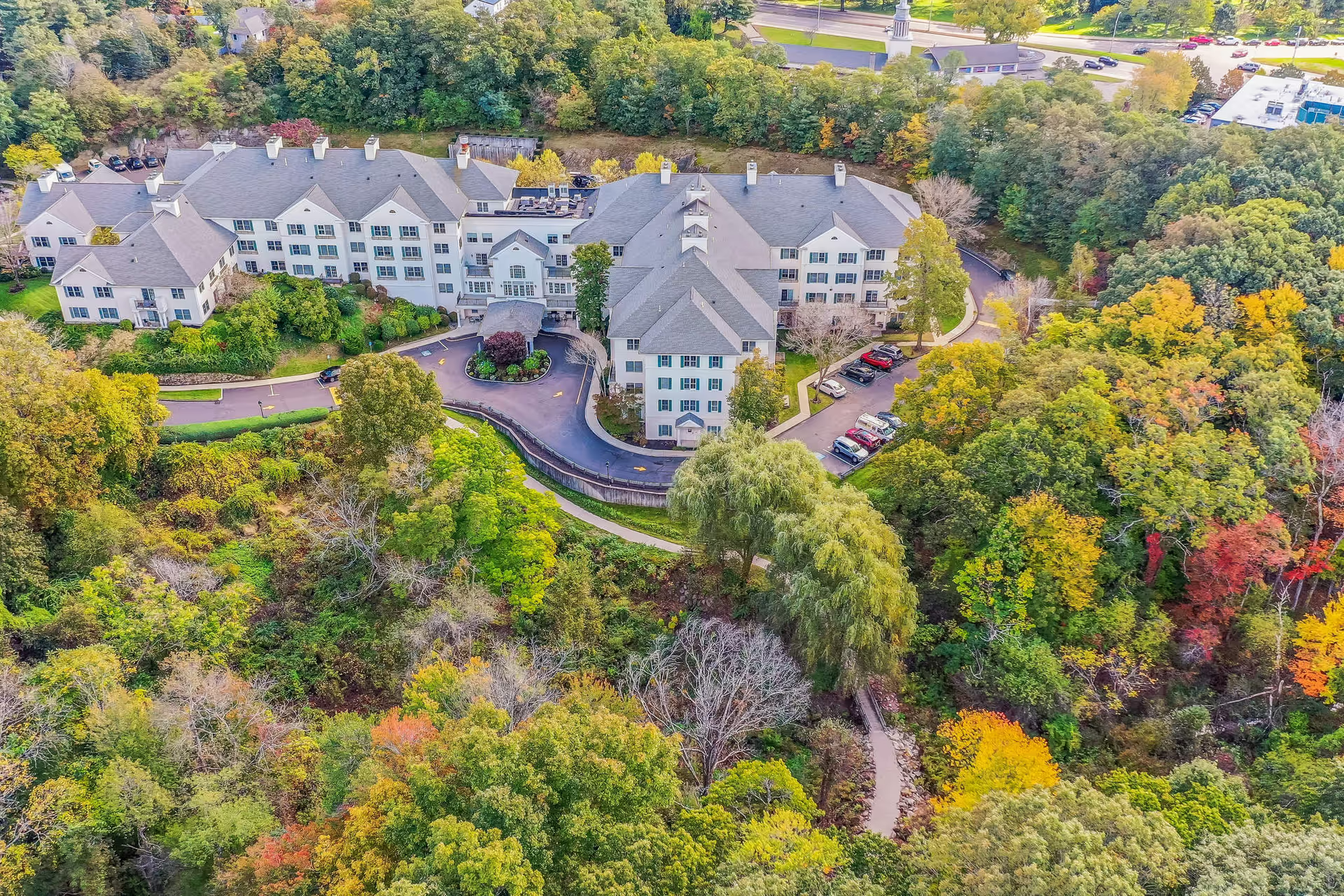
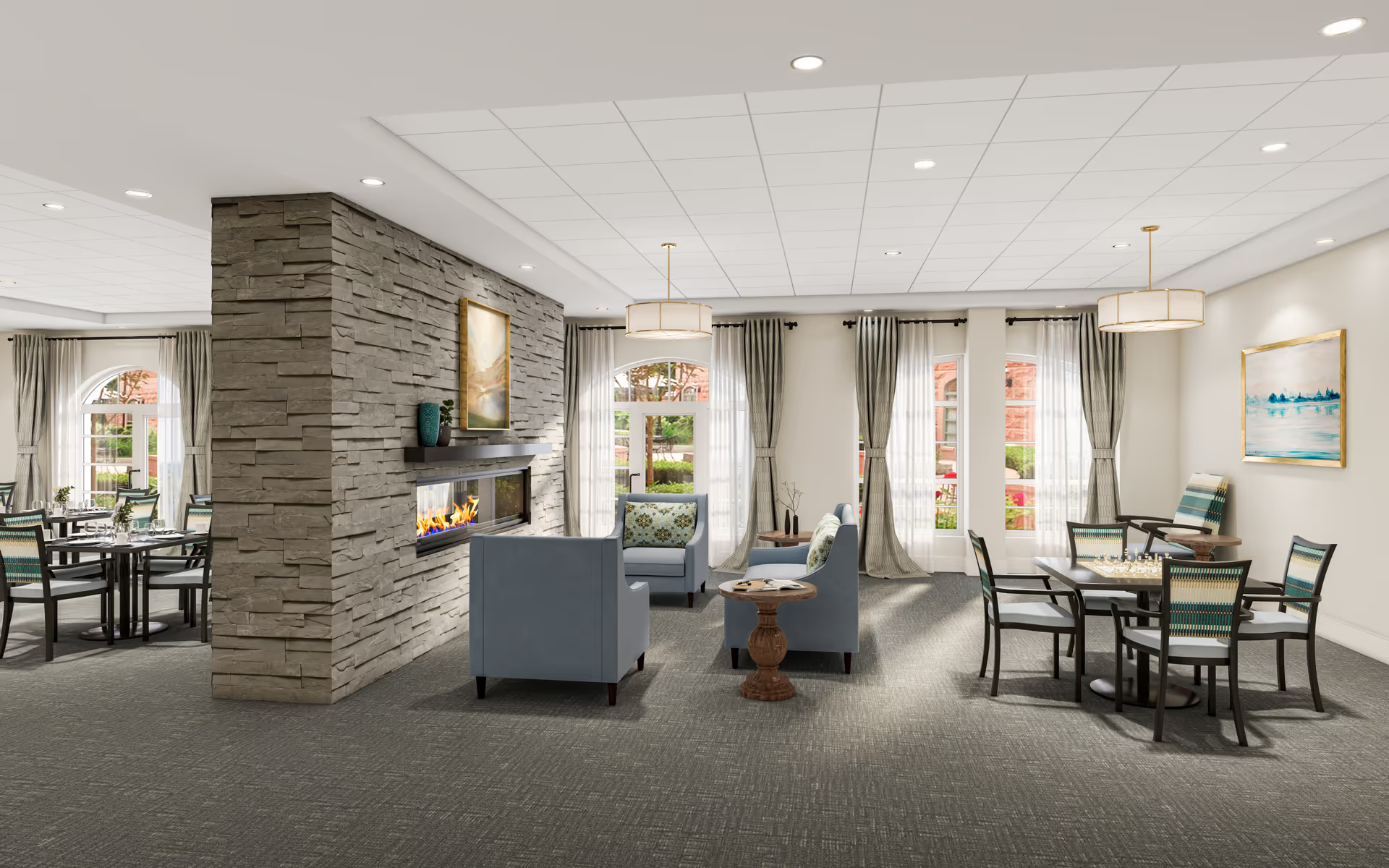
NewBridge on the Charles presents as a well-appointed, amenity-rich retirement community with a broadly positive physical environment. Reviewers consistently note attractive, modern buildings, extensive common spaces, well-kept grounds and multiple on-site amenities — pool, gym, library, walking paths and varied dining venues. The campus model that includes independent living, assisted living, memory care and skilled nursing/rehab is a clear strength for families seeking continuity of services. Organized programming is a prominent feature: expressive-arts, lifelong-learning, intergenerational activities, culturally specific offerings and frequent social events contribute to an active community life.
Care-quality impressions are mixed and highly variable by unit and shift. Many reviewers and families describe compassionate, knowledgeable therapists, attentive nurses and aides who provide personalized support, timely rehabilitation gains and good communication from social-work staff. Conversely, there are recurring accounts of inconsistent caregiving — particularly related to night and weekend staffing — that produced delays in assistance, concerns about dignity in personal care, and uneven nurse responsiveness. Several reviews point to troubling lapses in clinical processes, including unclear medication timing, missed or delayed pain management, and variable follow-through on physician or orthopedist orders. These issues suggest gaps in clinical oversight, handoff procedures and staffing stability rather than uniformly poor clinical capability.
Dining and nutrition receive mixed assessments. The facility offers multiple dining venues, a flexible menu in some settings, and meals praised by many residents and visitors. At the same time, reviewers note inconsistent meal execution and menu variability that has impacted some residents’ intake and satisfaction. Activity programming is a consistent strength: frequent lectures, musical entertainment, fitness classes, Zoom offerings during restrictions, and robust arts therapies are frequently cited as enhancing daily life and social engagement.
Operational and management patterns are uneven. Positive notes include effective maintenance, strong security, prompt emergency response, and successful infection-control practices during COVID-19. Negative patterns include admissions and placement communication problems (waiting lists, fees, occasional miscommunication), supply shortfalls, temperature-control variability in some rooms, and campus navigation or signage issues. Cost is another recurrent theme: private-pay pricing and deposit requirements are substantial and some families question value when care consistency is uneven.
Notable patterns for prospective residents and families: expect excellent physical amenities, active programming and skilled therapy options, but perform due diligence on clinical oversight and staffing patterns for the specific unit and shift you are considering. Ask for documentation of staffing ratios, medication-administration and handoff protocols, examples of weekend and night staffing coverage, and clarity about admissions fees and billing. Tour the particular building and rooms you would occupy to assess temperature control and signage, and, if rehabilitation or higher-level nursing care is anticipated, request recent outcomes data and references about clinical continuity and incident-response procedures.