Overall impression: Reviews present a mixed but consistent pattern: rehabilitation services (PT/OT) are frequently cited as a strong point, with many families describing measurable functional gains and a well-equipped therapy area. At the same time, a range of operational shortcomings recurs across accounts, producing variable clinical and experiential outcomes for short-term rehab and long-term residents.
Care quality and clinical oversight: Positive experiences center on the therapy teams and several individual clinicians who delivered effective, goal-directed rehabilitation. However, an equally persistent theme is inconsistent clinical care on nursing units — delayed or missed medication administration, incomplete vital-sign monitoring, charting errors, and occasional lapses in time-sensitive clinical interventions. These operational failures have, in some cases, coincided with emergency visits or rehospitalizations. Prospective families should ask about current medication-administration protocols, monitoring frequency, and recent quality metrics before placement.
Staffing, conduct, and communication: Staff descriptions vary widely. Many reviewers praised specific CNAs, nurses, and therapists for compassion and attentiveness; other accounts describe slow response times, brusque communication tone, and what families perceived as inadequate bedside assistance. Communication between staff and families is uneven: some families experienced clear, frequent updates and coordinated care, while others experienced poor follow-through, unanswered calls, and limited transparency around incidents and discharge planning. These patterns suggest variability by shift and unit leadership rather than a uniformly consistent culture.
Dining and activities: Meal experiences are inconsistent. Some families praised dietary accommodations and palatable meals (including pureed options and halal accommodations), while others encountered limited beverage availability, substitutions, and poor meal temperature/quality. Activity programming and social engagement are likewise mixed — when offered, programming can be meaningful, but some residents experienced limited stimulation or time-alone periods on the patio or in rooms.
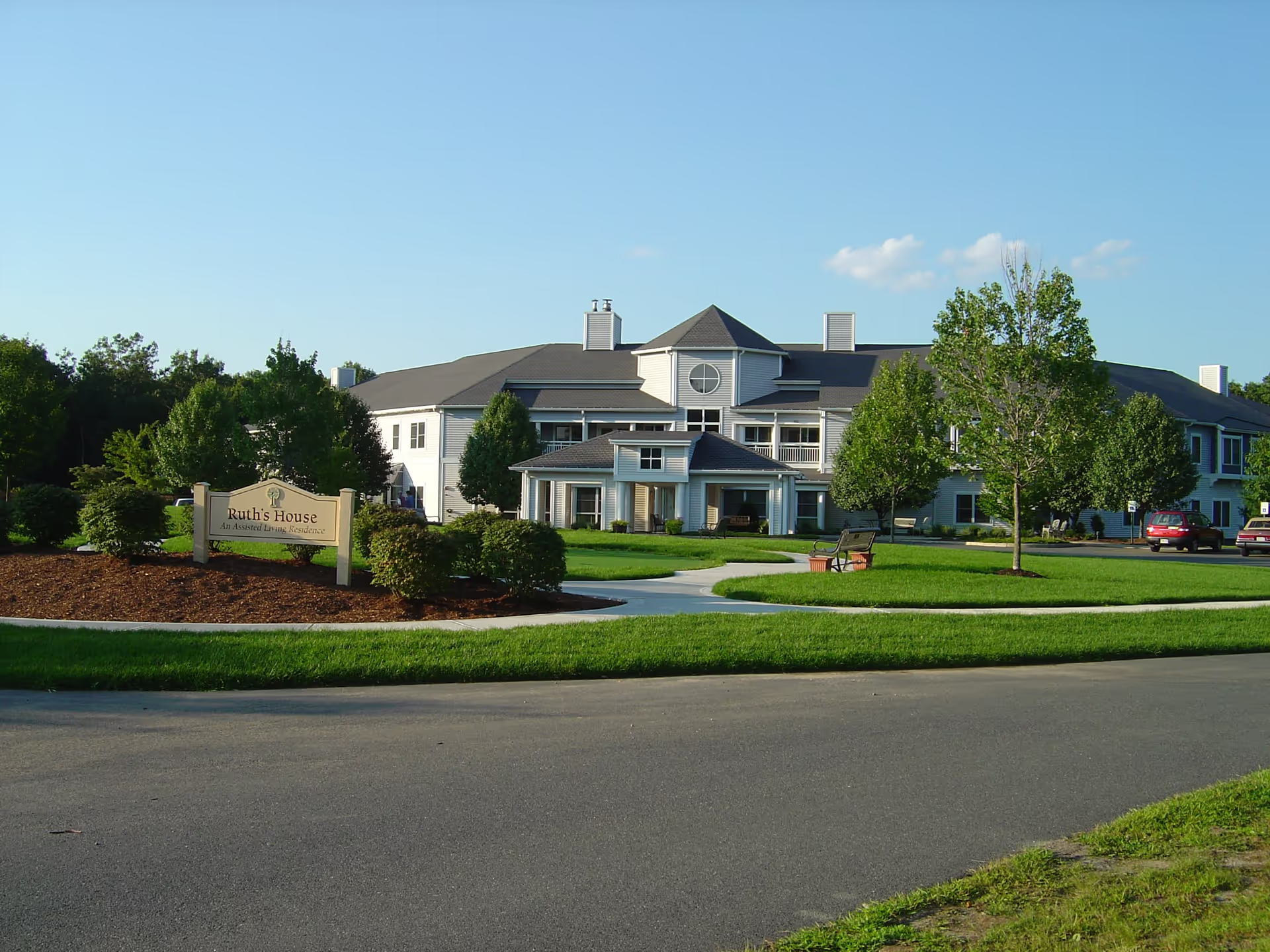
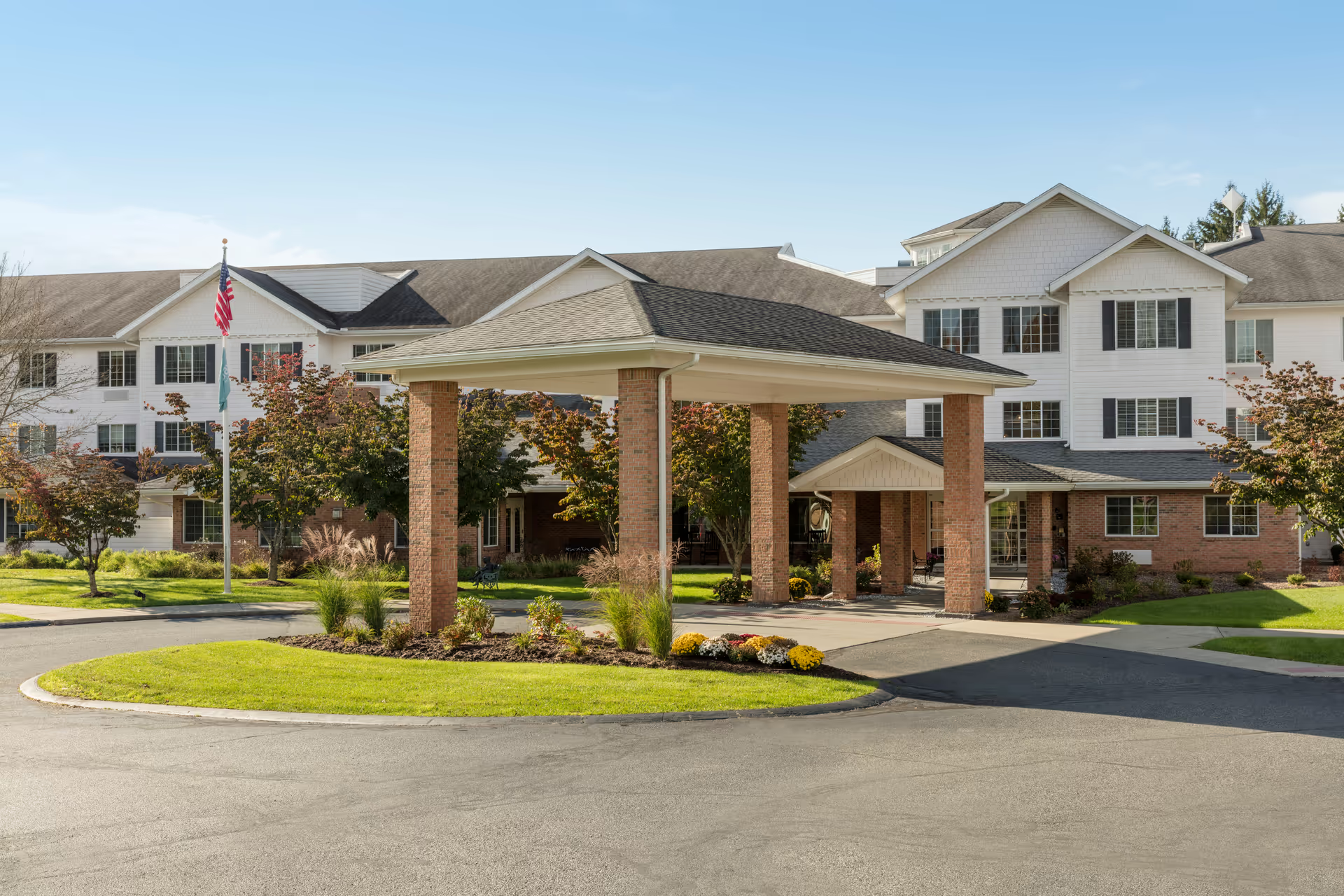
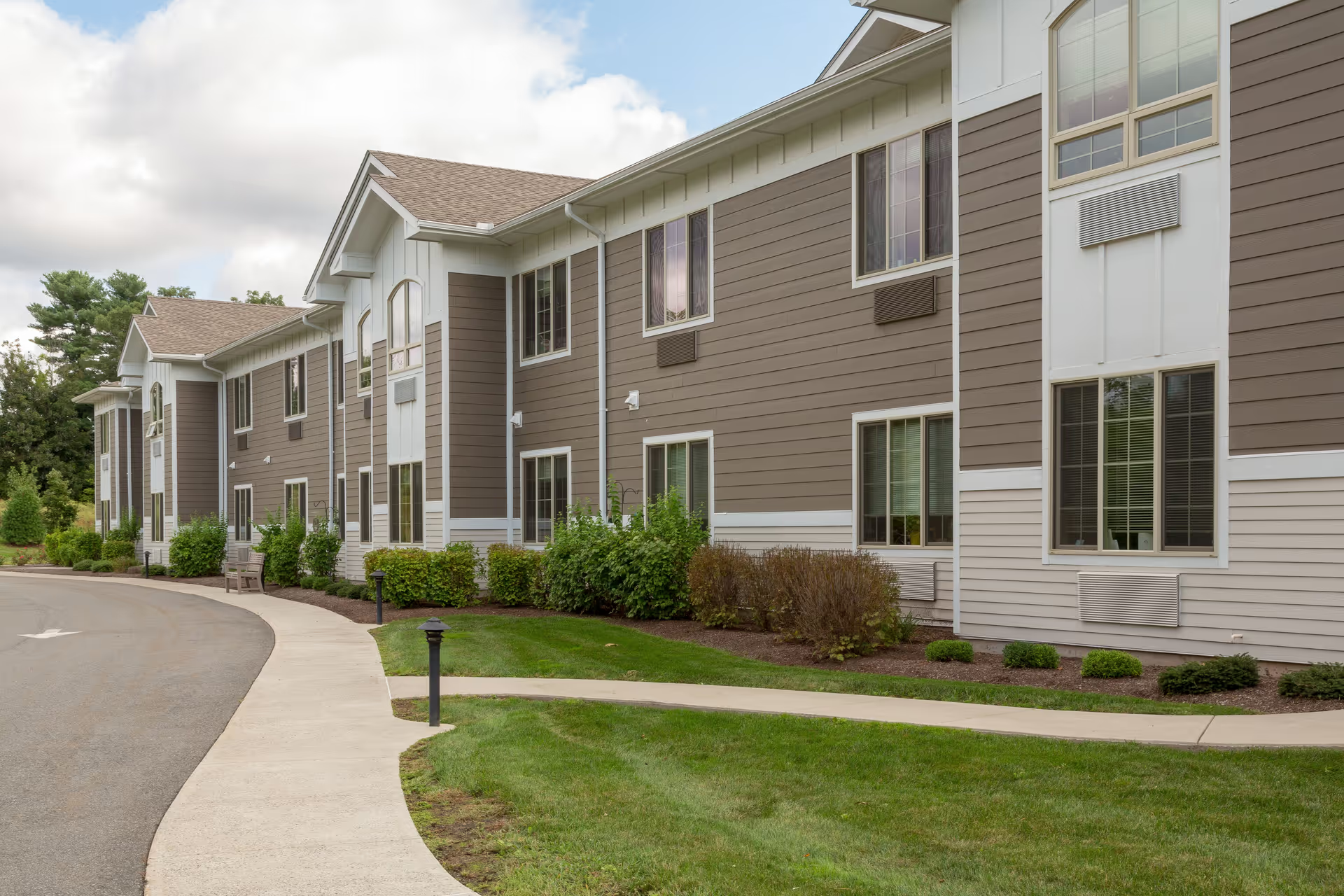
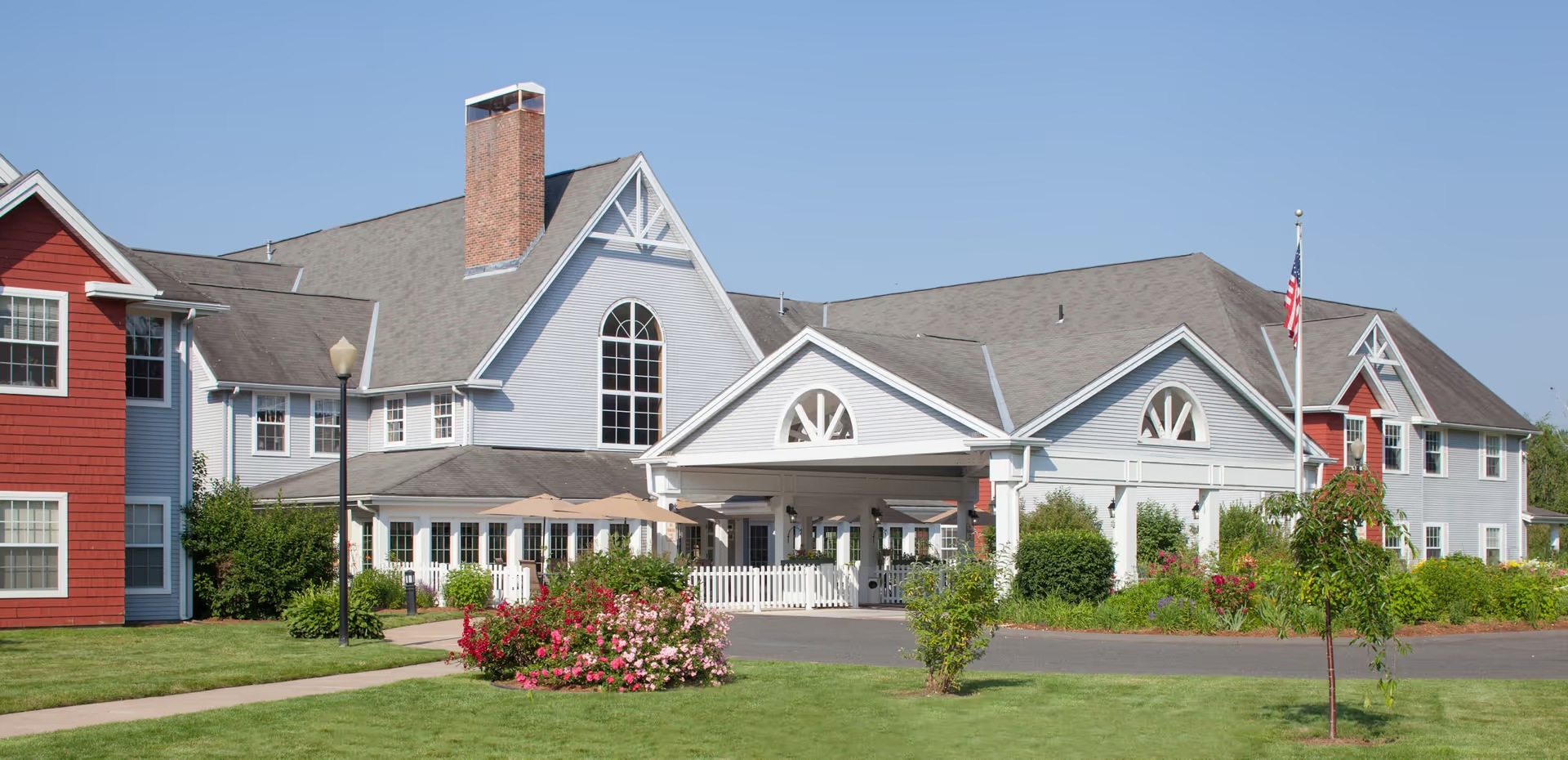
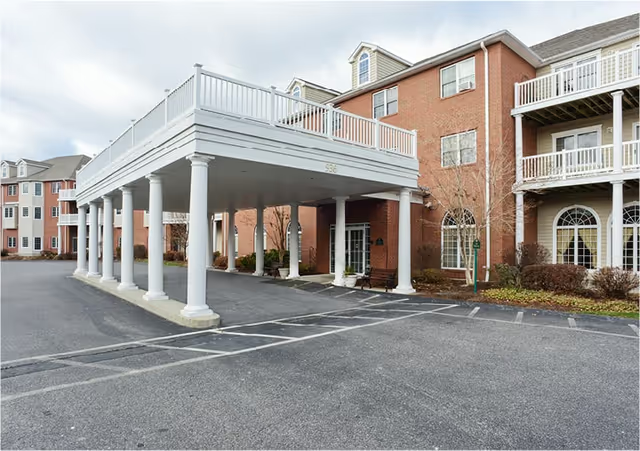
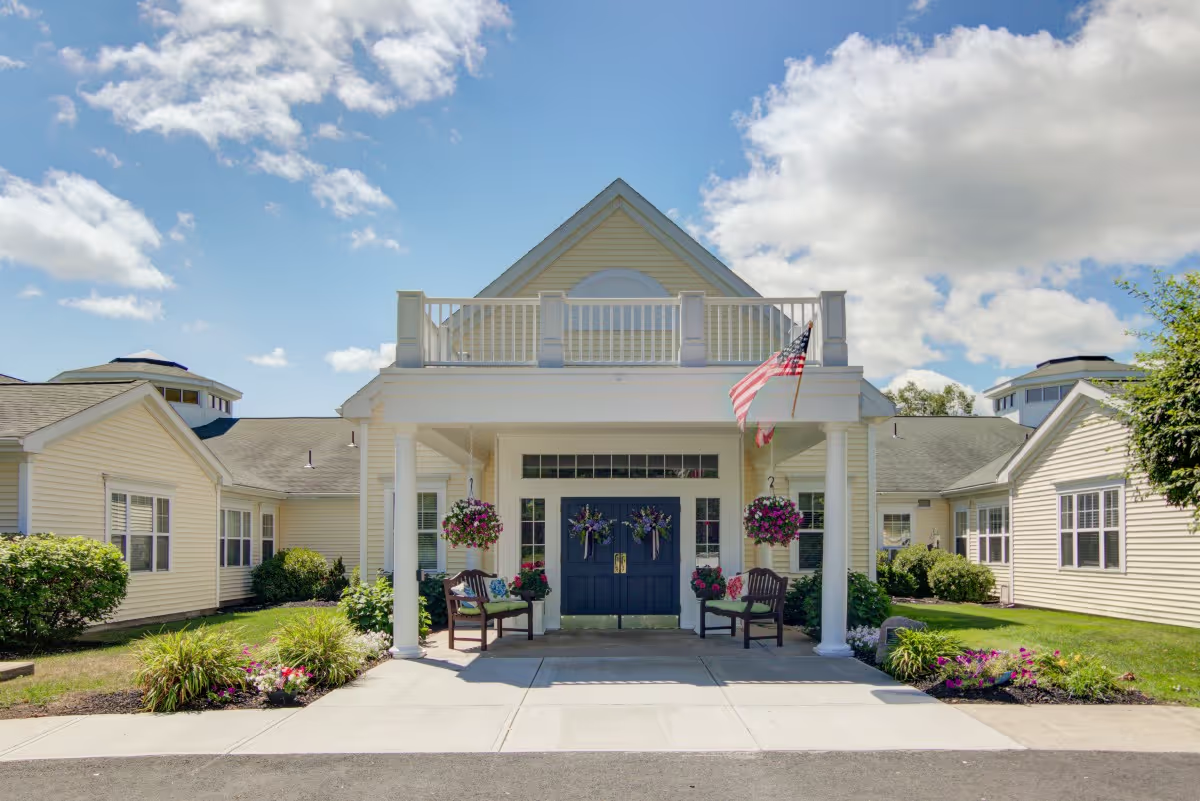
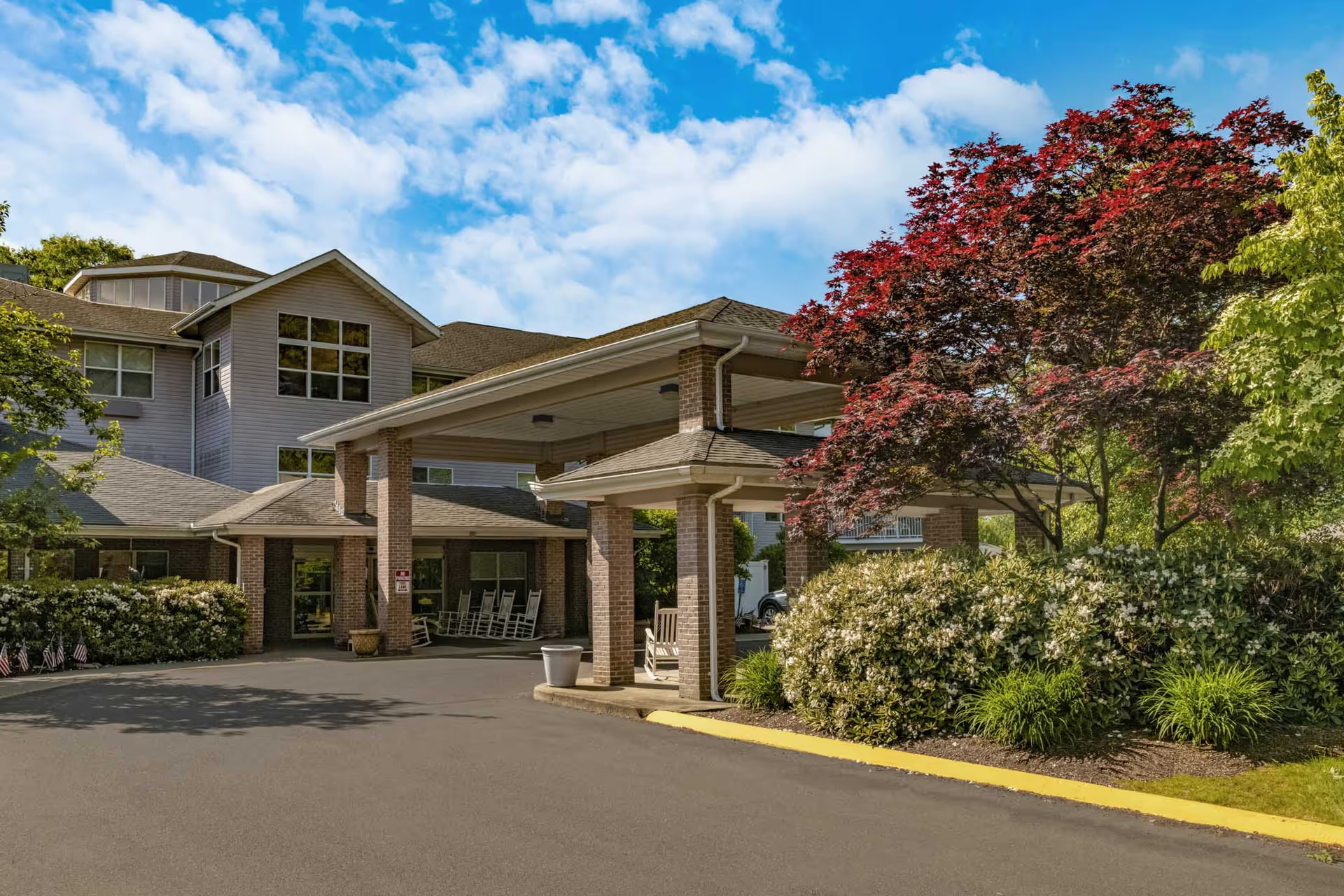
Facilities, sanitation, and maintenance: Physical spaces are often described positively — attractive rooms, natural light, and a functional therapy gym. Conversely, multiple accounts raise sanitation and maintenance concerns in specific areas (cleaning schedules, laundry turnaround, odor concerns, and pest-control issues). These inconsistencies again suggest variability across units and shifts. Families may wish to inspect rooms and common areas at different times of day to assess current conditions.
Management, administration, and transitions of care: Administrative experiences are mixed. Some reviewers experienced smooth admissions, helpful social work support, and coordinated paperwork; others reported billing errors, delayed reimbursements, abrupt or poorly communicated discharges (including holiday/weekend timing), and limited post-discharge referrals. There are also isolated allegations concerning missing belongings and theft; these serious claims warrant direct inquiry with facility management and review of any available incident documentation.
Notable patterns and recommendations: The dominant pattern is variability — strong rehabilitation capability and some dedicated bedside staff coexist with operational weaknesses in staffing consistency, medication management, sanitation, and family communication. For prospective residents and families: (1) ask about current staffing ratios and staff turnover, (2) review medication-administration safeguards and recent quality-improvement actions, (3) request examples of discharge planning and post-discharge follow-up, (4) inspect room cleanliness and laundry turnaround during visits, and (5) meet the therapy team to verify the rehabilitation plan. Doing so will help determine whether the facility’s strengths align with a given resident’s clinical and safety needs.