Chestnut Hill of East Longmeadow elicits a mixed but consistent set of themes: many families praise the compassion and clinical skill of individual caregivers, CNAs, and therapy staff, while others raise operational and safety concerns that would warrant careful inquiry prior to placement.
Care quality and clinical services: Reviewers describe two distinct patterns. When therapy and nursing services are delivered as intended, families report meaningful rehabilitation progress and thoughtful clinical care, including effective PT/OT/Speech services and coordinated hospice support. Conversely, there are repeated accounts of therapy not being scheduled or delivered consistently, limited therapy during quarantine periods, and gaps in wound care and infection testing. Clinical documentation and care-plan communication between disciplines (nursing, therapy, social work) are described as inconsistent, which appears to contribute to missed interventions and family frustration.
Staff and responsiveness: Many comments highlight compassionate, attentive caregivers and social workers who advocate for residents and assist with insurance and discharge logistics. Night staff are frequently noted as providing strong care. However, reviewers also report variability in staff responsiveness and competency across shifts: long call-bell response times, delayed assistance for mobility needs, and instances where alarms or urgent requests were not promptly addressed. These patterns point to uneven staffing practices and inconsistent response protocols.
Dining and activities: Activity programming is a clear strength for many residents — group activities, in-room sessions, art, music, and social events are commonly available. Food quality appears variable: breakfast is often described more favorably than dinner, and there are recurring comments about meals being served cold or inconsistently. Guest meals and visitor accommodations are available, which families appreciated.
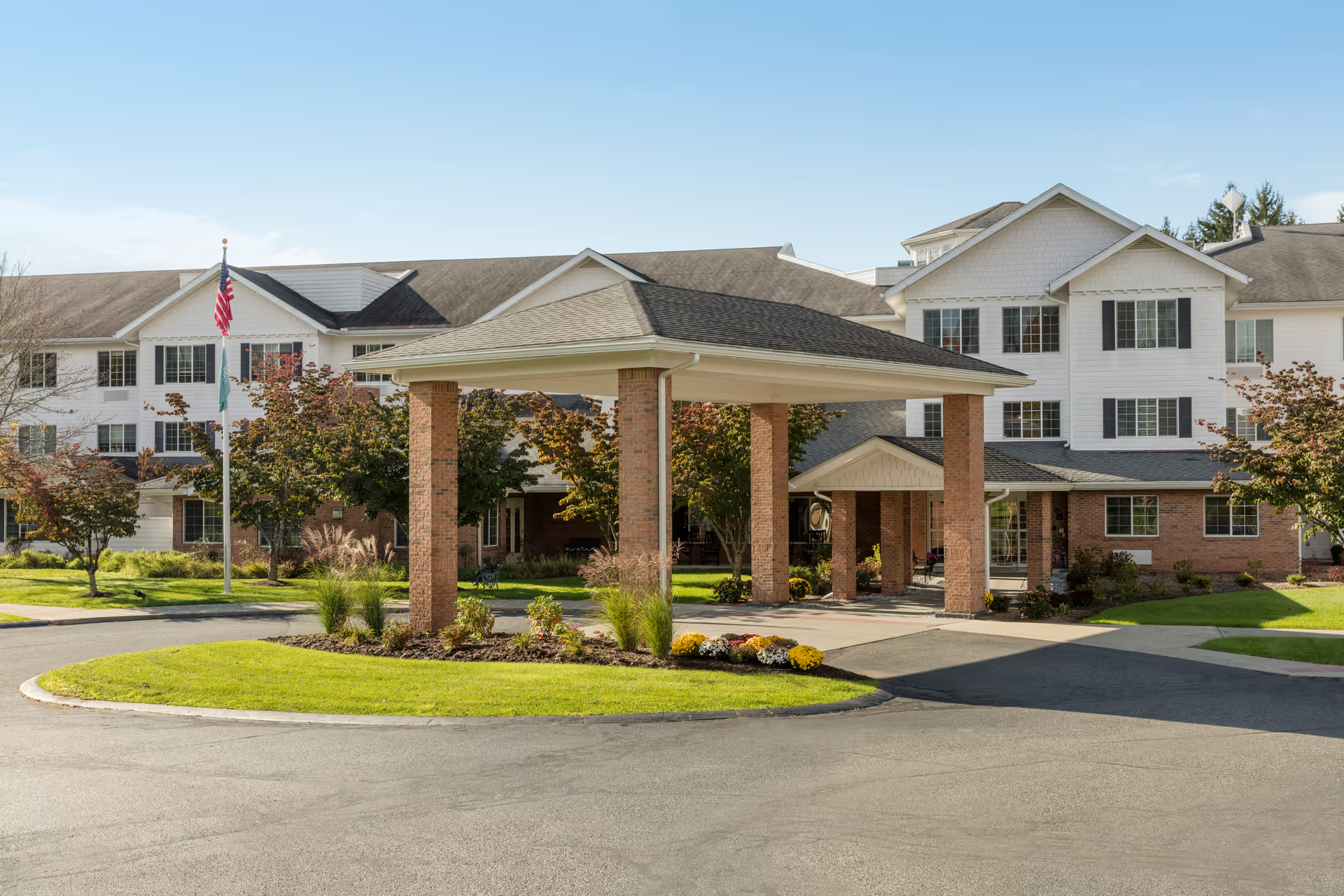
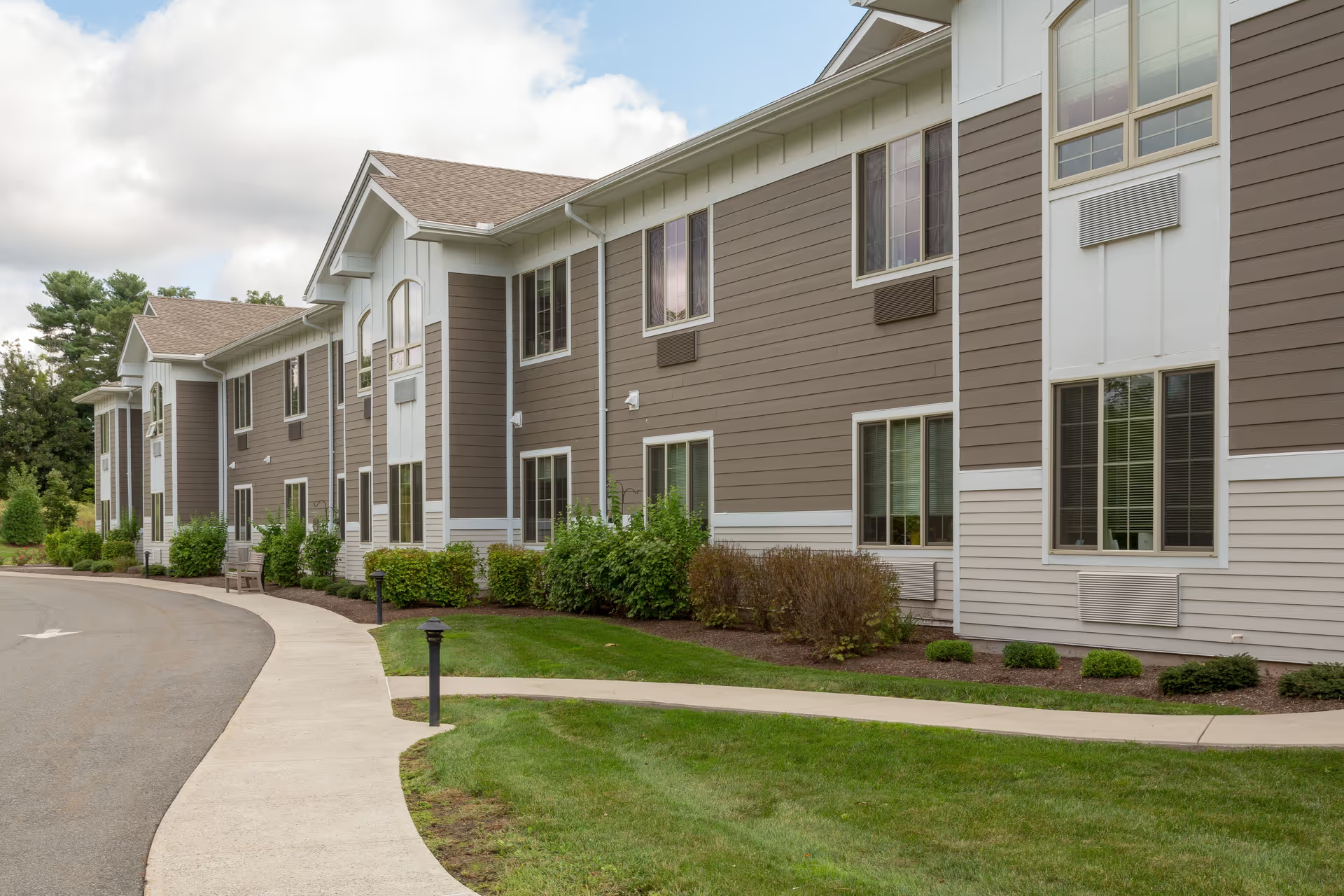
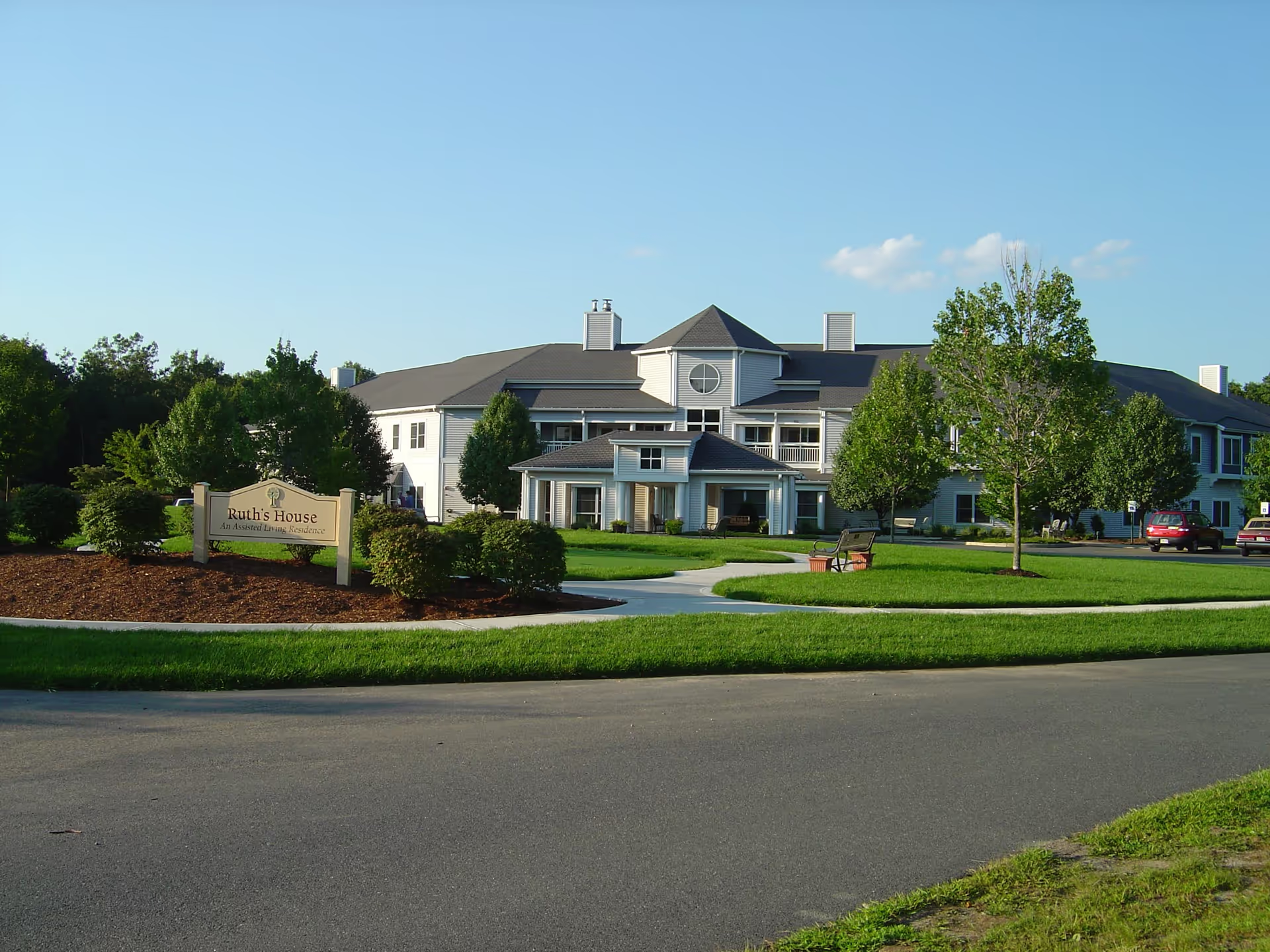
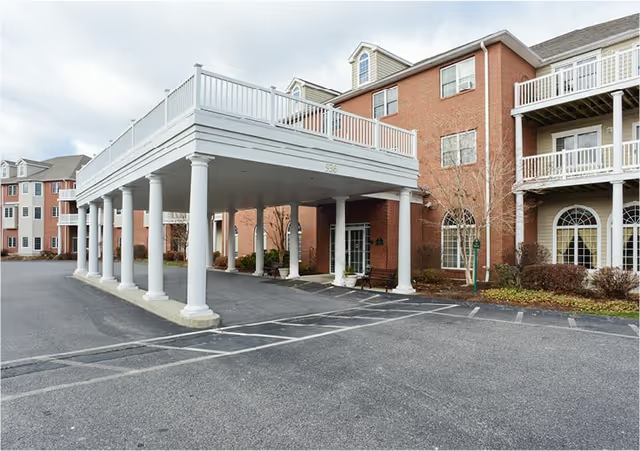
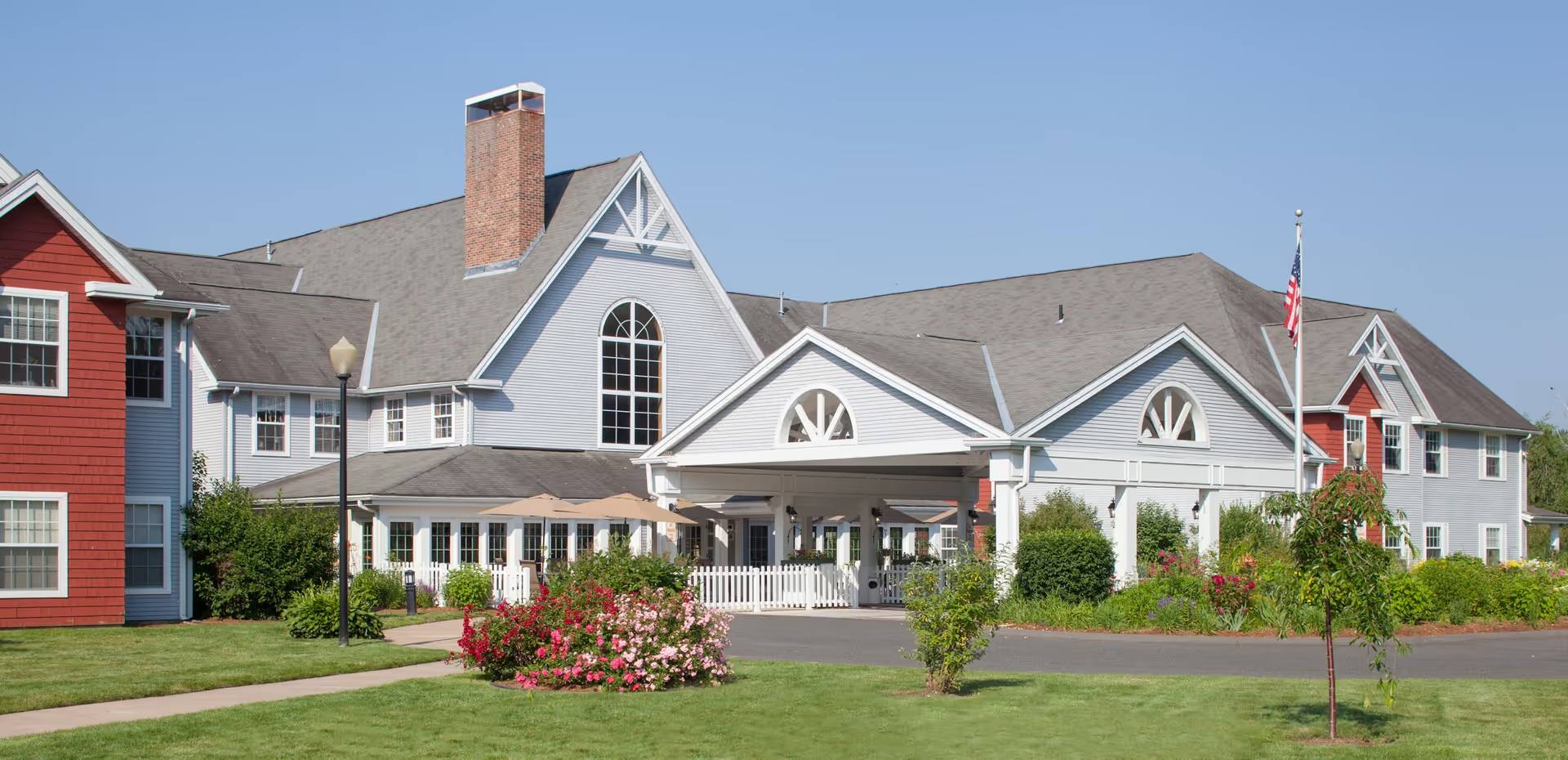
Facilities and environment: Descriptions of the physical environment are mixed. Some areas receive praise — tidy common spaces, clean bathrooms, a peaceful courtyard, and transportation services. At the same time, multiple reviewers raise sanitation and housekeeping concerns (including debris and unclean floors in certain areas), missing or inoperable in-room devices (phones, TV remotes), and variable room sizes. Prospective residents should inspect both common areas and sample rooms to gauge cleanliness and equipment functionality.
Management, communication, and administration: Experiences with administration vary widely. Several families commend proactive administrators, helpful social workers, and effective billing support. In contrast, other accounts describe poor administrative communication, conflicting messages between clinical leaders and administrators, abrupt or unsafe discharge practices, and delays or disputes around billing and resident funds. There are also serious allegations concerning financial handling of resident funds; these are significant and should be investigated directly with facility management and documented in writing before placement.
Notable patterns and guidance for families: The strongest patterns are (1) capable, caring staff who can deliver solid rehab and hospice care, and (2) operational inconsistencies that affect safety, communication, and service delivery. Before making placement decisions, families should verify therapy schedules and discharge plans in writing, confirm the functionality of in-room communication devices, ask about recent staffing levels and call-bell response metrics, review medication- and wound-care protocols, and obtain clear, written billing and funds-handling policies. Scheduling a walk-through at different times of day and speaking directly with the unit nurse and social worker can help clarify whether the facility’s strengths are consistent with your loved one’s needs.