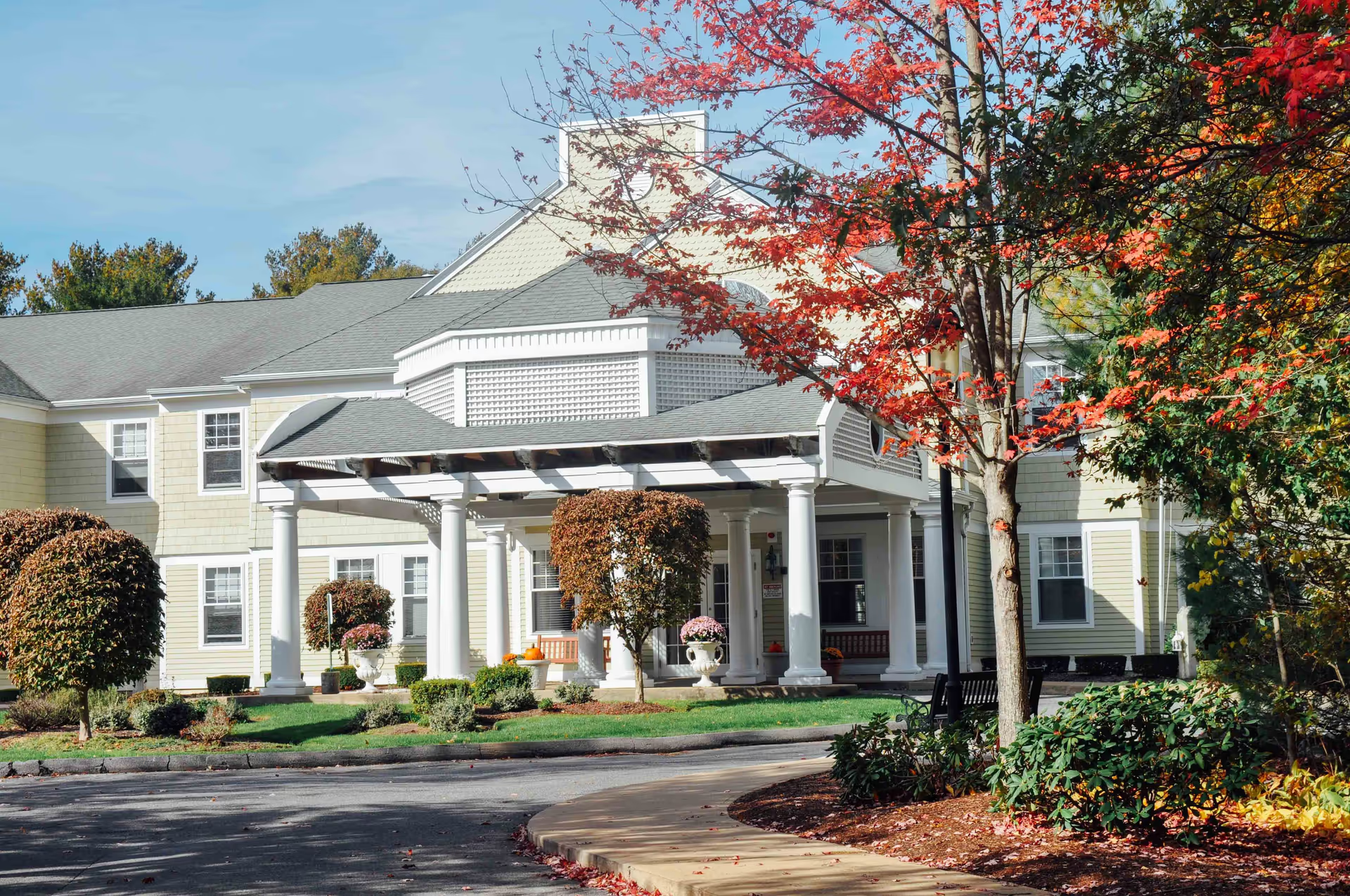
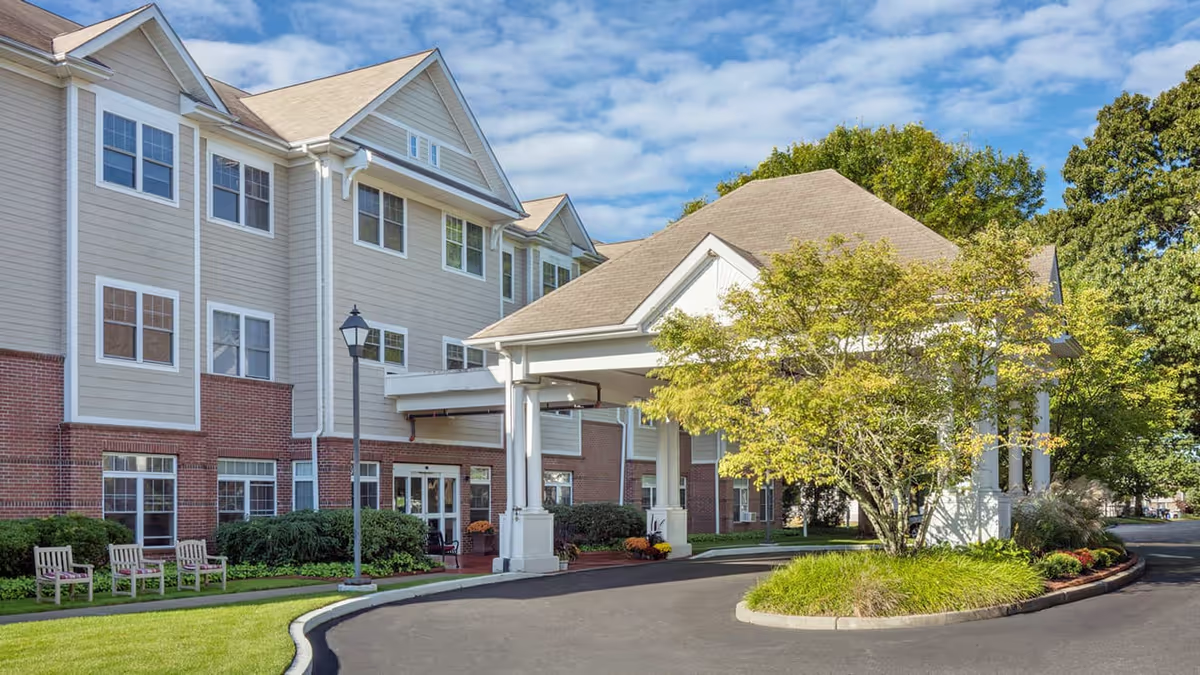
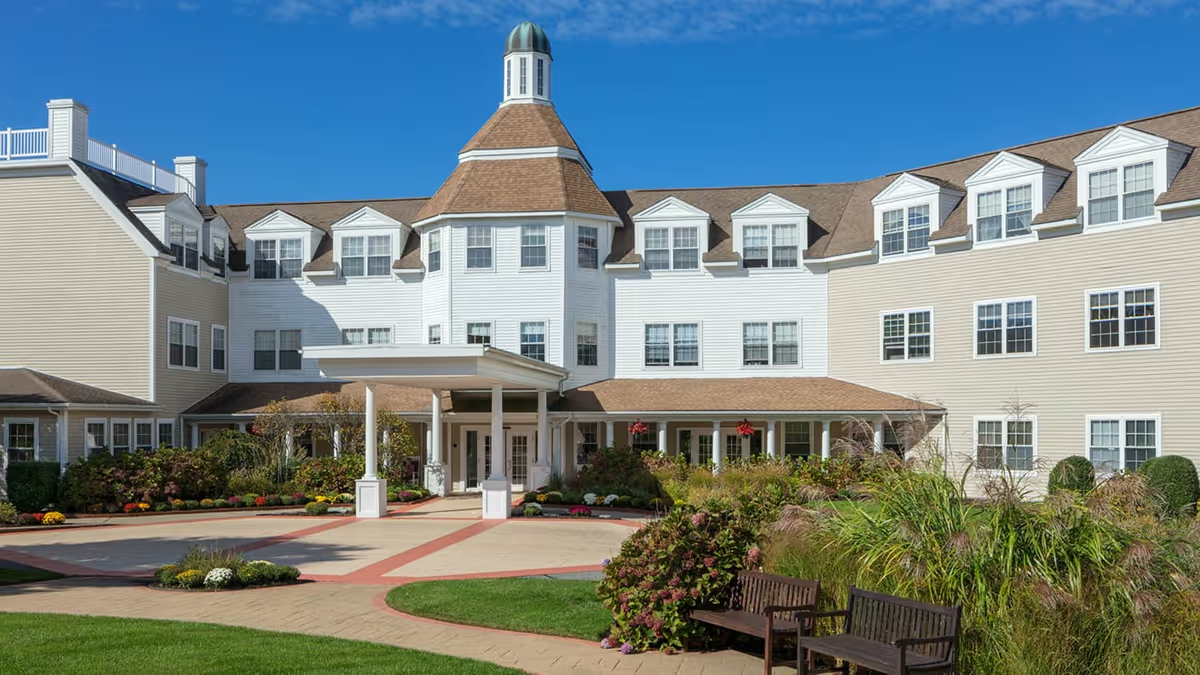
Reviews of Catholic Memorial Skilled Nursing & Rehabilitative Care present a mixed picture: many families and residents describe technically strong clinical services and compassionate caregivers, while other accounts raise operational concerns that appear to cluster around certain units, shifts, and end-of-life situations. Positive comments emphasize a high-quality therapy program, attentive nurses and CNAs, and a recreation department that contributes to resident engagement. Several families specifically praised an effective admissions team and staff on certain units (notably the lower level and a designated unit), noting a comfortable, homelike feel and respectful staff–resident interactions.
Care and staffing are recurring themes with divergent experiences. On the positive side, reviewers described strong rehabilitation outcomes, proactive medical attention, and individualized, respectful direct care that provided families with peace of mind. Conversely, other accounts point to inconsistent compassion and conduct among staff, variability in day-to-day care between units and across shifts, and delays in attending to residents’ needs. There are specific operational concerns about oral-care and personal-hygiene practices, response times for personal-care tasks, and broader supervision and safety processes. These issues were sometimes described as worsening for residents with progressive cognitive decline.
End-of-life care and medication processes emerged as a notable pattern. Some families reported thoughtful, dignified last-days care from particular staff members, while others described gaps in hospice coordination and medication availability, and delays in preparation for imminent clinical decline. A few families indicated difficulty with bedside access during critical moments and contemplated or pursued regulatory complaints; these reports suggest opportunities to strengthen hospice coordination, emergency preparedness, and family-inclusive visitation procedures.
Dining and activities show similar variability. The rehabilitation and recreation programs receive consistent praise for activity engagement and therapy effectiveness. Dining impressions are mixed: some reviewers found meals to be good and comforting, while others noted inconsistent food quality. Facility conditions are described positively in certain units, creating a sense of comfort for some residents; however, cleanliness and sanitation-related concerns tied to personal-care practices were noted in negative accounts and warrant verification during visits.
Management and work environment notes are mixed as well. There are commendations for clear, honest communication and proactive clinical coordination from some families. At the same time, indicators of a strained work environment or staff turnover were mentioned and linked by reviewers to inconsistent care continuity. This combination suggests that the facility has areas of operational strength but also faces management and staffing challenges that affect reliability.
For prospective residents and families, the pattern suggests a facility with solid rehabilitation capability and compassionate staff in many contexts, paired with variability in consistency—especially across different units and during end-of-life care. When evaluating the facility in person, consider asking about staffing ratios by shift, hospice and medication protocols, oral-care and personal-care schedules, unit-specific differences, visitation policies during critical events, and how the facility escalates and documents clinical incidents. Observing care during multiple times of day and speaking directly with therapy and recreation staff may help clarify whether the aspects important to your family are reliably provided.