Overall impression: Reviews of Sarah S. Brayton Nursing Center are highly mixed, with a clear pattern of strong, compassionate direct-care staff and social services contrasted against operational and systems-level weaknesses. Many families praise the kindness and clinical skill of specific nurses, CNAs, and social-work staff, and there are repeated accounts of positive therapy outcomes, active recreation programming, bilingual staffing, and welcoming common areas. At the same time, reviewers identify recurring facility-level problems that affect safety, dignity, and continuity of care.
Care quality and safety: Clinical performance appears uneven. Several accounts describe timely, attentive nursing care and successful rehabilitations; however, there are repeated concerns about delayed medication administration, missed or late IV/insulin doses, and inconsistent monitoring that have contributed to safety events and family alarm. Supervision and transfer-safety processes are described as variable, with instances implying falls or unsafe transfers. Families also raised concerns about infection-control consistency and delays in attending to toileting and hygiene needs — framed here as sanitation and incontinence-care concerns. These patterns suggest reliable care on many shifts but important lapses tied to staffing and process weaknesses.
Staff and management: Staff-level sentiment is polarized. Many reviewers single out compassionate, skilled nurses, CNAs, and an accessible Director of Nursing and social-worker leadership; named staff were frequently commended for responsiveness and advocacy. Conversely, there are consistent reports of understaffing, heavy reliance on temporary agency personnel, variable training for specialized care (for example, stroke management), and instances of dismissive or unprofessional communication. Management-level concerns include inconsistent follow-through on family communication, gaps in case management, and complaints about billing or financial handling — including an allegation of misconduct — which contribute to mistrust among some families.
Dining and activities: The facility offers an active activities calendar (bingo, concerts, religious services, special events) that many residents and families appreciate, and several reviewers note meaningful social engagement and recreation. Opinions on dining are mixed: some praise an on-site chef, ample portions, and successful weight-gain during rehab, while others describe cold meals, limited menu appeal, and service interruptions. Meal-temperature control and kitchen reliability are recurring operational themes.
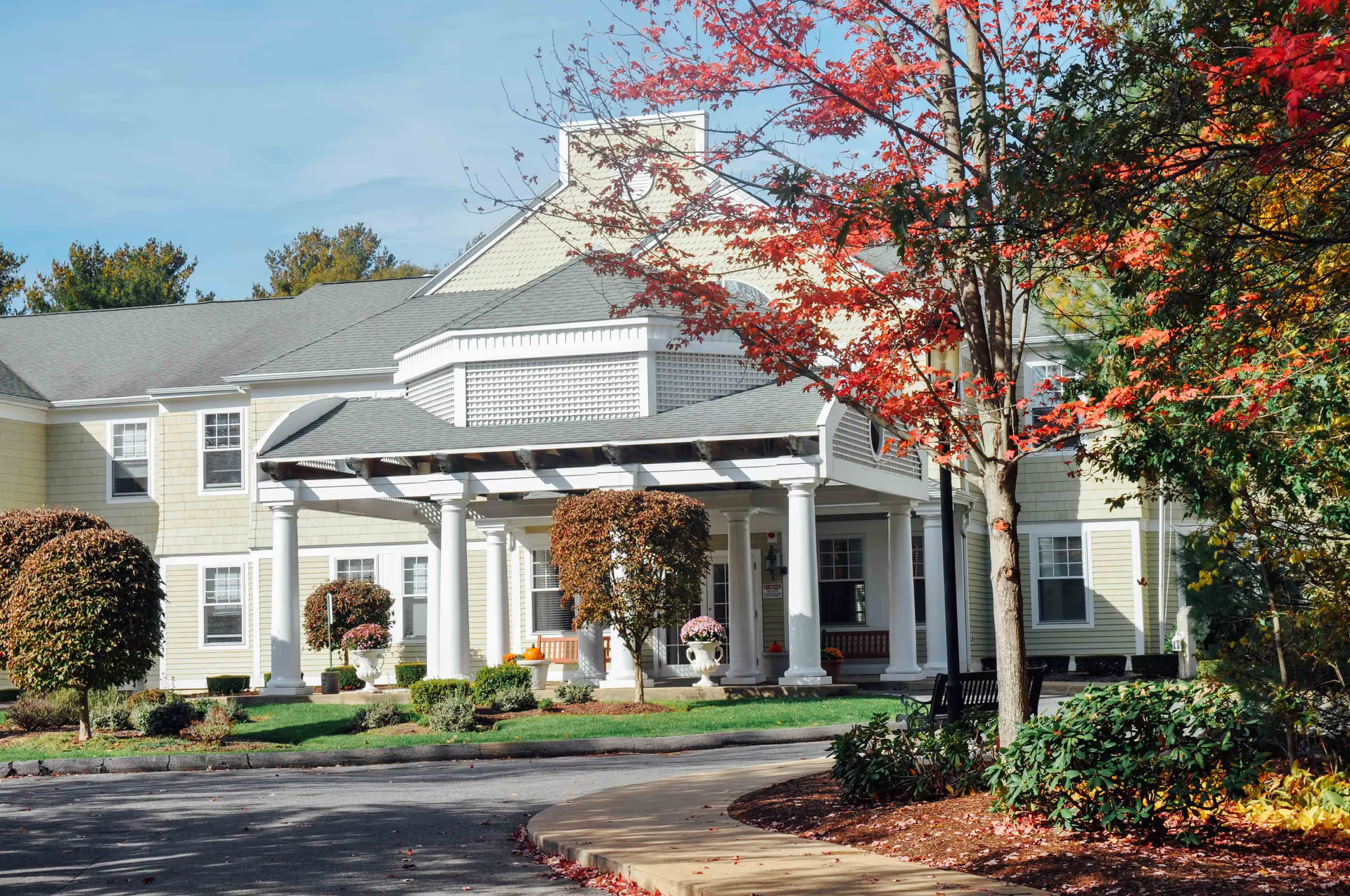
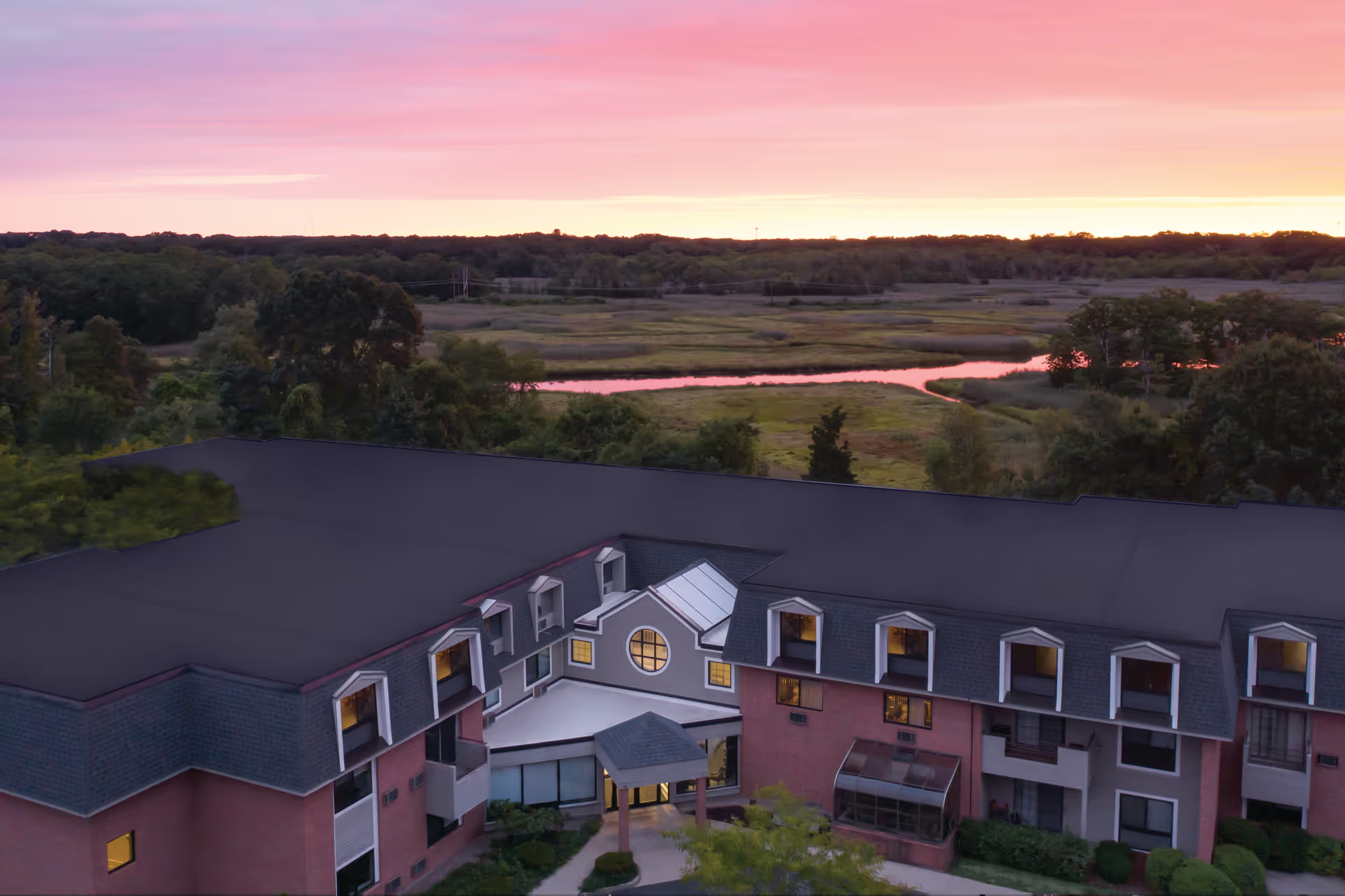
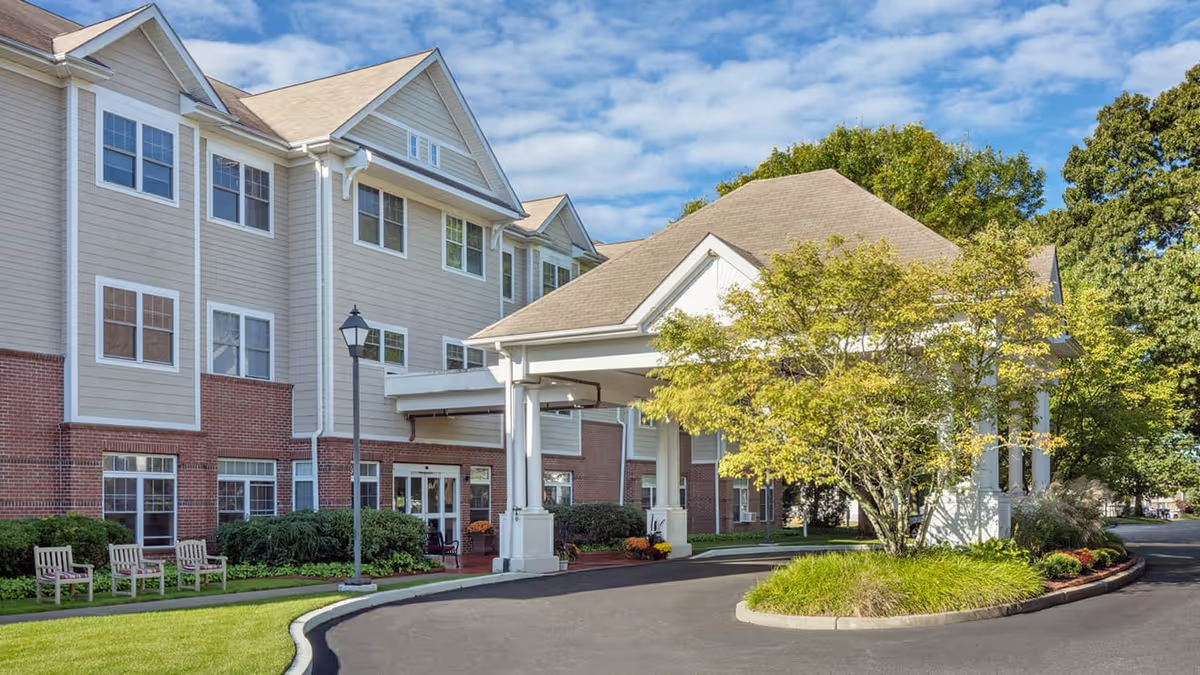
Facilities and support services: The building and room conditions range from clean, odor-free common areas to older rooms and a rehabilitation wing in visible need of maintenance (stained ceilings, peeling surfaces, broken blinds, and broken bed mechanisms cited). Laundry coordination and lost clothing are recurrent frustrations, although some reports indicate improved delivery when escalated. Transportation and visiting policies are generally viewed as accommodating when staff are available.
Notable patterns and decision points: The dominant theme is variability. Positive outcomes and experiences often correlate with specific shifts, units, or staff members; negative experiences frequently align with understaffed periods (nights/weekends) or use of temporary staff. Prospective residents and families should weigh the facility's strengths in social work, activities, and individual caregiver compassion against systemic concerns: inconsistent staffing, medication and therapy scheduling gaps, maintenance shortfalls, and communication/billing issues. For higher-acuity needs or when consistent, timely clinical monitoring is essential, families should ask for specifics about staffing ratios, weekend/night coverage, medication-administration protocols, therapy schedules, laundry processes, and escalation pathways for clinical concerns before and during placement.