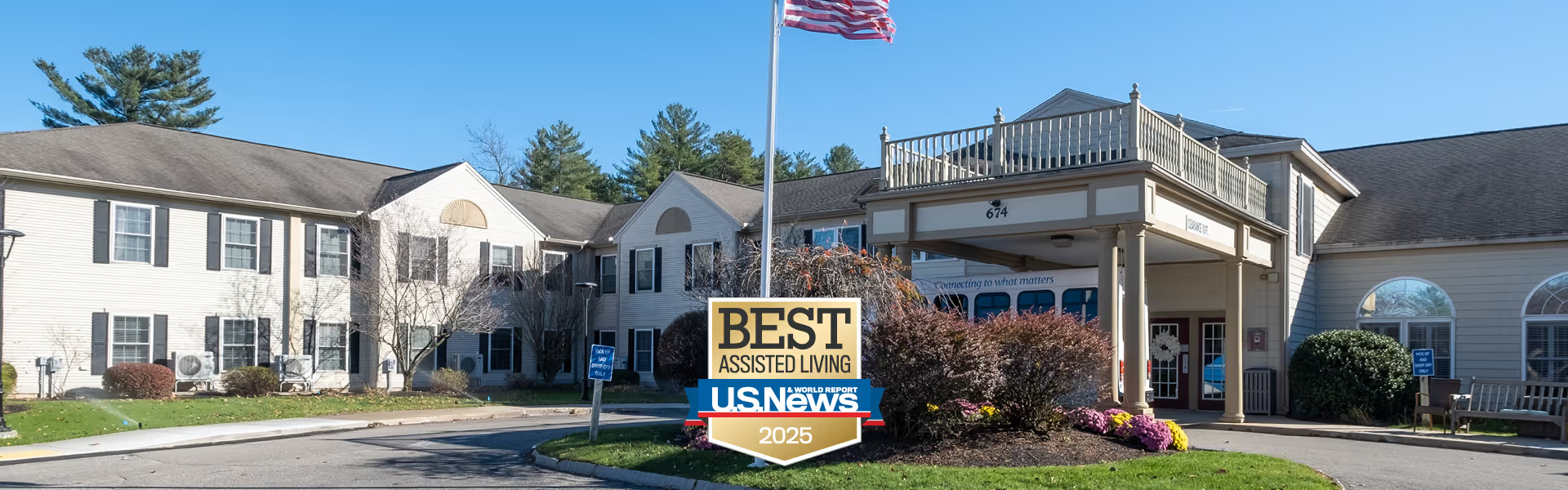
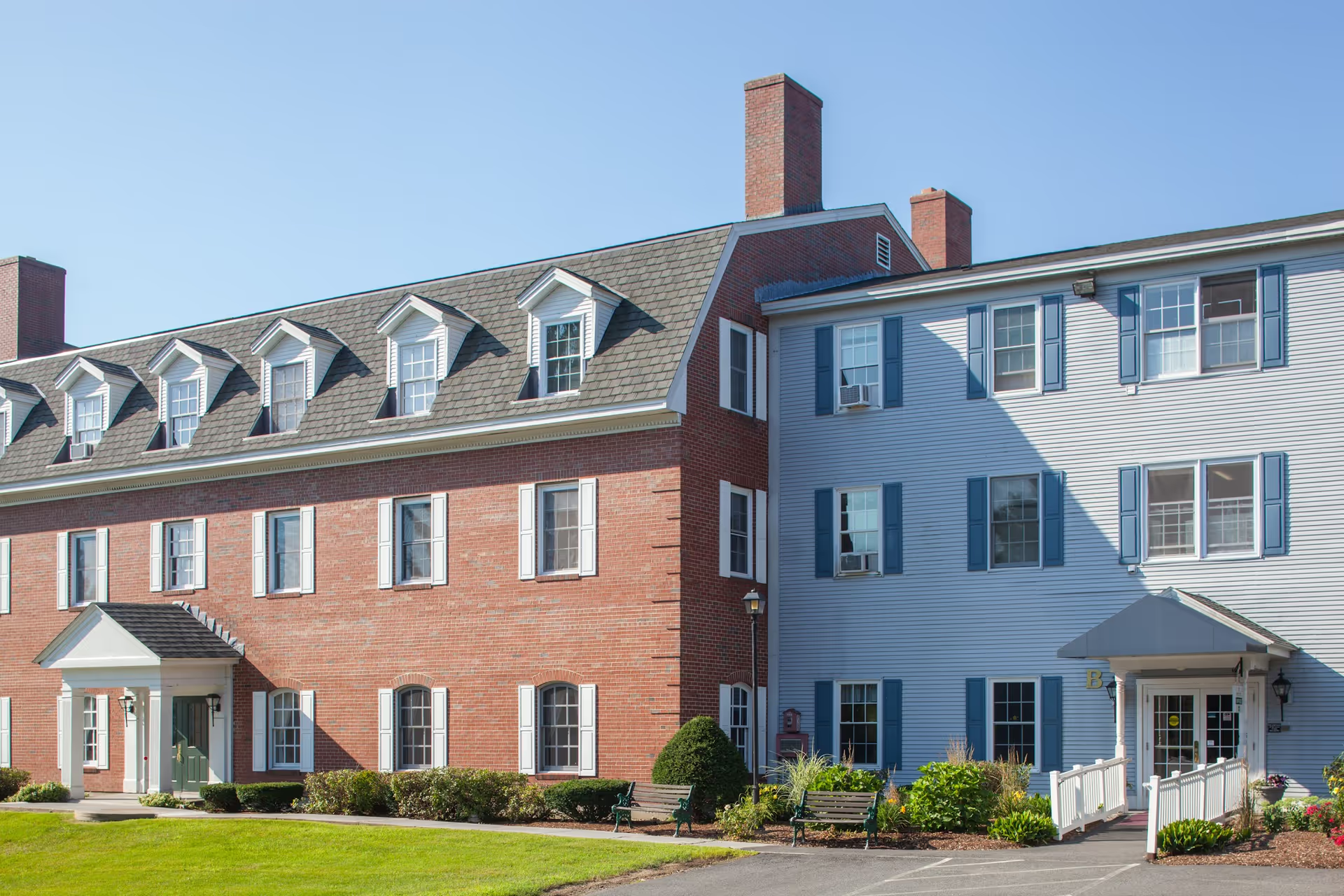
The reviews describe a facility with a mix of clear strengths and significant operational concerns. Positive commentary centers on the direct-care workforce and the social environment: many families praised individual nurses and CNAs as attentive, caring, and involved with residents. The building and common areas are frequently described as clean and homey, and the facility offers an active program of daily activities, an on-site activity center, outings, pet visits, and hospice support. Location and on-site amenities such as a designated outdoor smoking area and occasional private rooms were also noted as conveniences.
At the same time, recurring themes point to systemic challenges. Staffing levels and schedule consistency appear uneven, which families link to delayed responses to call lights and resident requests. Several comments raised concerns about medication-administration practices and documentation, including dosing and allergy-record issues; these were described alongside reports of falls and injuries that suggest opportunities to strengthen transfer and fall-prevention protocols. Reviewers also described variable on-floor clinical leadership and availability of supervisory nursing staff, which can affect escalation and incident response.
Communication and administrative processes are another area of concern. Multiple families described difficulty reaching staff by phone, delayed callbacks, unclear meal schedules and policies about outside food, and inconsistent updates about clinical status. Billing and account-management practices were frequently criticized: examples include perceived dunning without itemized invoices, account disputes that escalated to liens or legal action in at least one account, and slow resolution processes. In addition, reviewers reported problems with personal-belongings handling and inventory control, including missing items and delays in return of possessions.
Facility-level operational issues also emerged: shared-room arrangements (two to four residents per room) contribute to privacy concerns, and several accounts described infection-control cohorting and discharge-placement decisions that did not align with family expectations (for example, proximity to an infectious patient). Cleanliness was generally praised in common areas, but some reviews noted sanitation and pest-control concerns in particular units. Activity programs and staff engagement receive consistently positive remarks, even from families who expressed other concerns.
For prospective residents and families: a visit that focuses on workforce stability, clinical oversight, and administrative practices is advisable. Useful questions include staffing ratios and shift coverage, medication administration policies and allergy documentation processes, private-room availability and roommate assignment procedures, infection-control and discharge-planning protocols, procedures for tracking and returning personal belongings, and billing dispute resolution and lien policies. Observing mealtime routines, checking the activity calendar, and speaking with both nursing leadership and front-desk/administrative staff can help clarify whether the facility’s strengths align with your priorities and whether the operational weaknesses have been addressed.