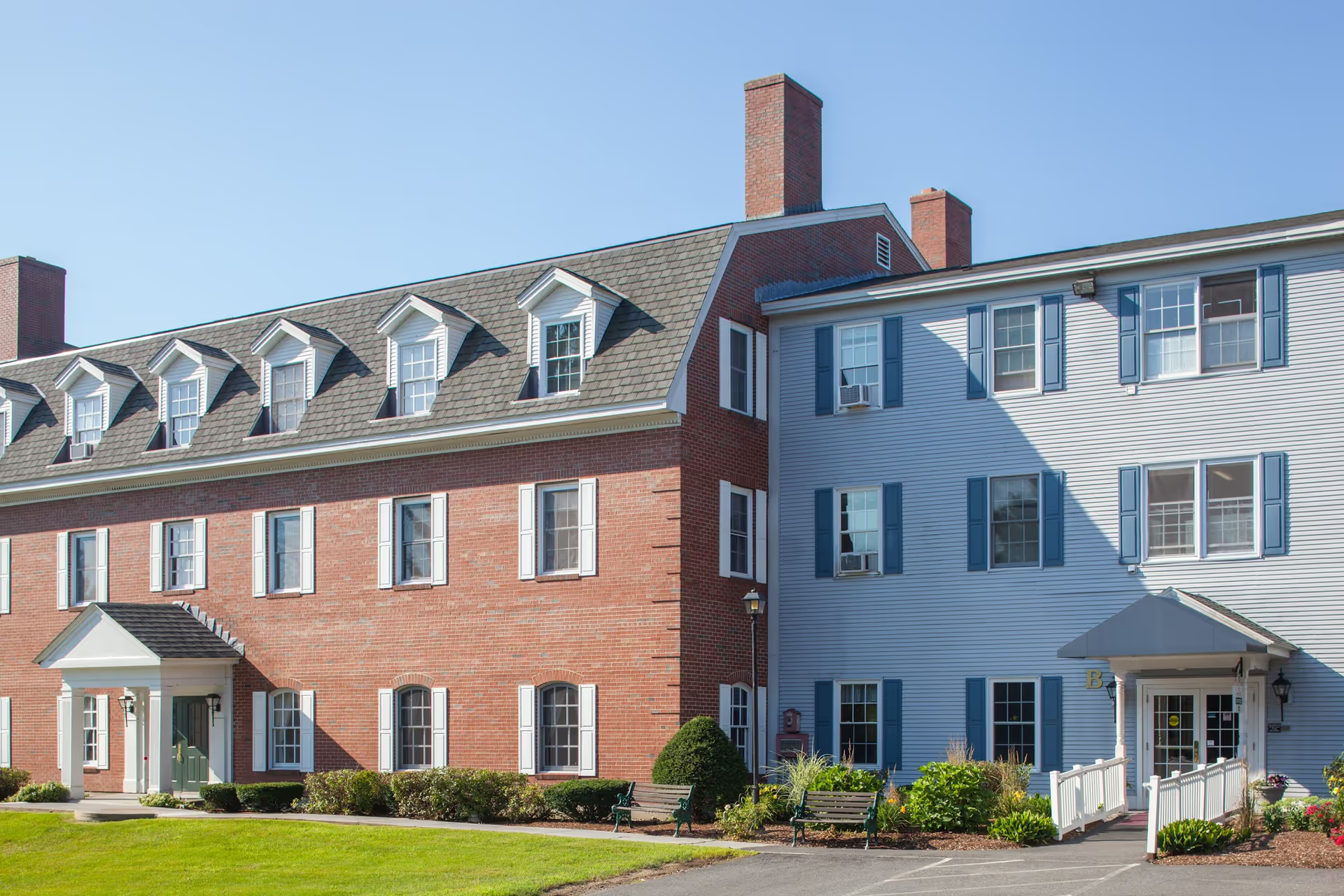
Overall impression: The Highlands presents as a clinically capable, well-appointed senior care facility with many families praising the compassion and clinical skill of front-line staff. Across reviews there is a recurrent theme of strong rehabilitation services, attentive nursing and caregiving, and a clean, bright physical environment. The facility offers a continuum of care (including dementia care and 24-hour nursing/rehab), private-room options, and amenities such as gardens and large event spaces that contribute to a residential, family-friendly atmosphere.
Care and staff: Clinical and direct-care staff are consistently described as warm, caring, and skilled, with multiple mentions of CNAs and nurses who provide respectful, individualized attention. Therapy teams (PT/OT) receive frequent positive feedback for restoring mobility and independence. At the same time, reviewers describe variability in communication and operational consistency: families sometimes encounter delays in assistance, lapses in medication or orders being followed, or uneven responsiveness depending on shift and unit. Several accounts point to strong supervisors and standout staff members, while other comments indicate uneven performance among personnel, which suggests that day-to-day experience can vary by floor and time of day.
Dining and nutrition: Dining receives mixed but specific commentary. Many reviewers note improvements in menu variety and nutritious choices, and some residents enjoyed meals. However, there are recurring concerns about inconsistent meal temperature, seasoning levels, adherence to posted menus, and limited fresh produce at times. These are operational issues in food preparation and service continuity rather than an absence of dietary support; prospective residents should discuss individual dietary needs and meal-service practices during a tour.
Activities and specialized programs: Activity programming is a clear strength for many residents, particularly in the dementia unit where programming is noted as tailored to ability and interests. Social and recreational offerings, including pet visits, family events, and sensory or music activities, are highlighted as contributing to resident well-being. A few families asked for additional low-stimulation or language-oriented programming for advanced cognitive impairment, indicating room to expand specialized activity options.
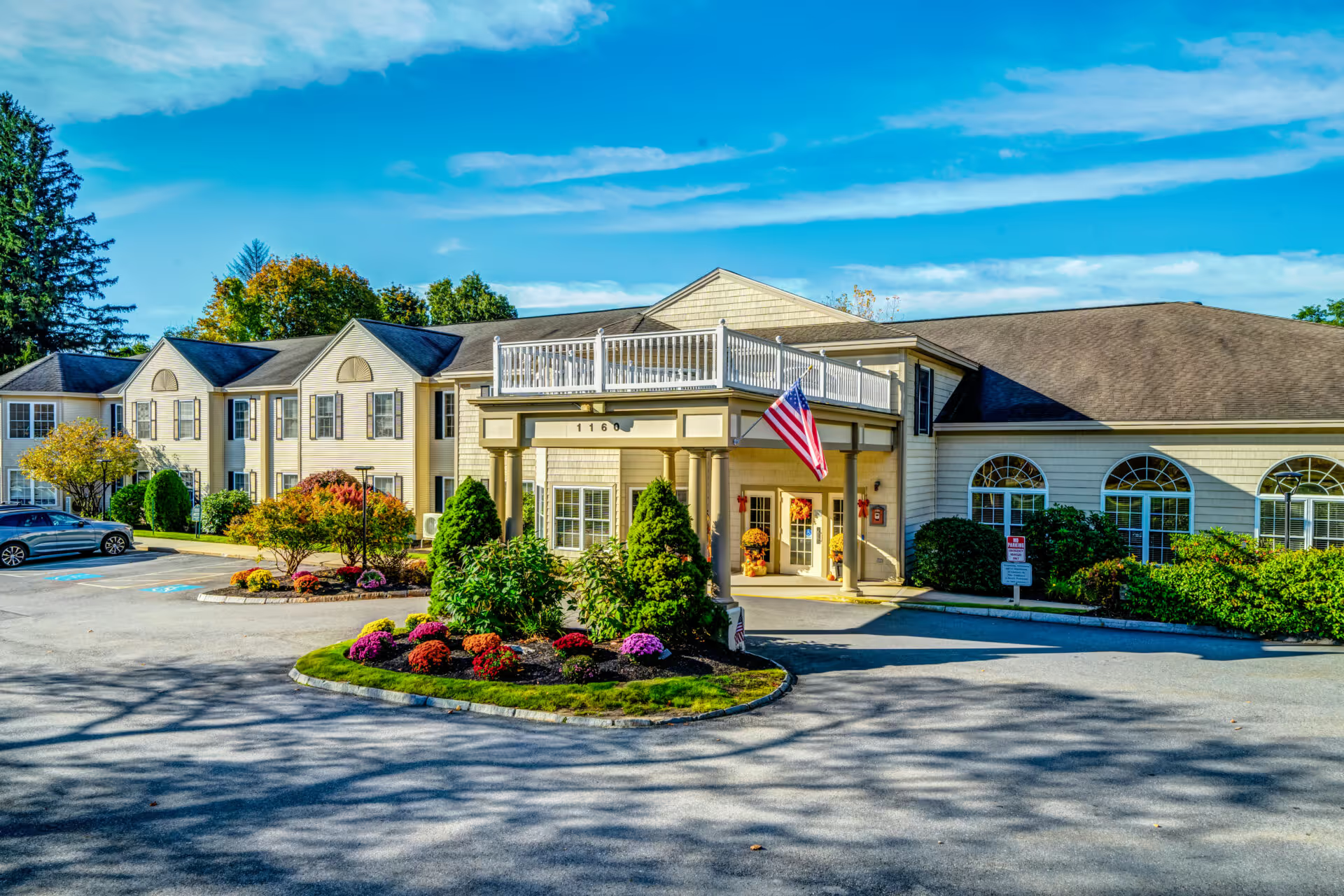
Facilities and infection control: The physical plant is often described as clean, bright, and well maintained, with ample natural light and pleasant views. Noted amenities include garden/outdoor space and large common rooms for events. Conversely, there are intermittent facility-maintenance items—such as occasional odors related to cleaning, worn decor, elevator outages, and temperature-control issues on specific floors—that visitors should confirm during a visit. Infection-control practices were a concern for some families, particularly around sanitizer accessibility and handling of contagious-event periods; clarifying current protocols is advisable.
Management, admissions, and transitions of care: Management and leadership receive mixed feedback. Several families praised organized, informative admission directors and strong discharge planning in specific cases. At the same time, other reviewers described inconsistent intake interactions, payment-focused intake conversations, and limited availability of social-work resources for post-discharge planning. Communication gaps between the facility and external hospice or outpatient providers were also described, and these translate operationally into a need for more reliable care coordination and family communication during transitions.
Notable patterns and recommendations: The dominant pattern is of strong frontline caregiving and clinical rehabilitation, coupled with operational variability in communication, staffing consistency, and some service areas (meals, admissions, maintenance). Prospective residents and families can reduce uncertainty by asking targeted questions during a tour: inquire about typical staffing levels by shift, how roommate assignments and privacy are managed, meal-service procedures for dietary needs, infection-control policies, and the availability of the social-worker/case-management team for discharge planning. Overall, The Highlands appears to deliver high-quality person-centered care for many residents, with identifiable operational areas that could benefit from targeted improvements to ensure consistency across all units and shifts.