Reviewer feedback about Charlene Manor Extended Care is strongly polarized: multiple families describe attentive, compassionate caregivers, effective rehabilitation services, and an active programming schedule, while other families report operational failures that materially affected resident safety and comfort.
Care quality appears mixed. Positive accounts emphasize caring nurses and CNAs who administer medications, take vitals, and provide hands-on rehabilitation that led to mobility improvements for some residents. Regular family care meetings and accessible staff members were highlighted as strengths, and certain named staff were praised for going above and beyond. Conversely, other reports indicate significant lapses in daily care routines: delayed assistance, inconsistent bathing and hygiene support, and incidents suggesting gaps in transfer and fall-prevention practices. These contrasting reports point to variability in clinical performance across shifts or teams rather than a uniformly applied standard of care.
Staffing and management present a similar duality. Many reviewers commend an engaged management team and a family-like staff culture, with prompt maintenance responses and routine housekeeping in some areas. At the same time, understaffing is cited as a recurring operational constraint that contributes to missed tasks and slow nurse response times. Several comments describe inconsistent staff competence and issues in family communication, including conflictual interactions and unresolved administrative matters such as promised reimbursements and missing equipment. There is an isolated use of the term "allegations" in relation to specific interpersonal disputes and financial follow-up that some families felt were not satisfactorily addressed.
Dining and activity programs are generally seen as positive features. The facility offers meal substitutions, take-home meal options, and an active calendar with music, seasonal touches, and faith-based visits. However, dining quality and menu variety are described as inconsistent, in part due to the facility’s smaller scale, and several families expressed dissatisfaction with the food.
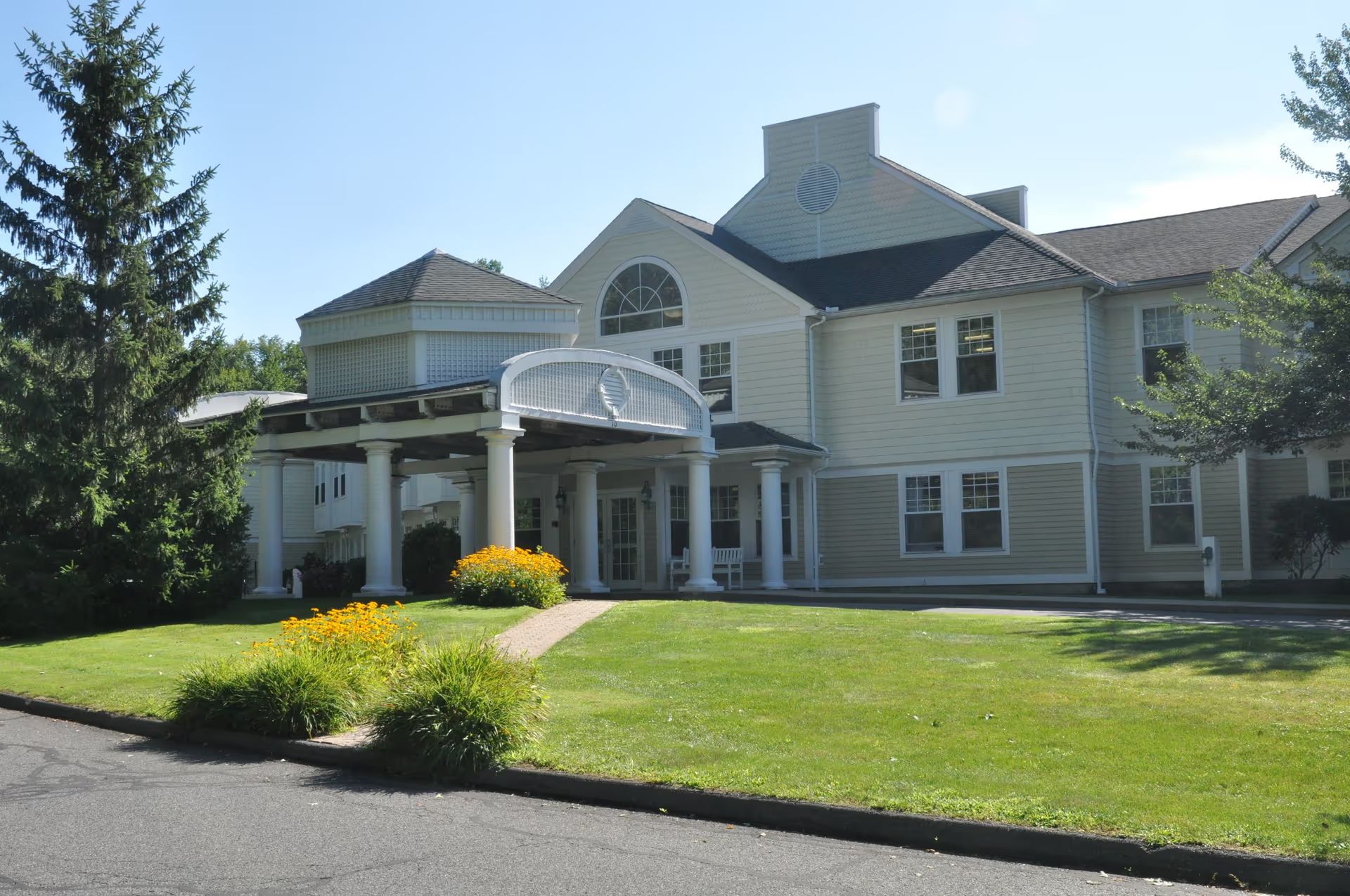
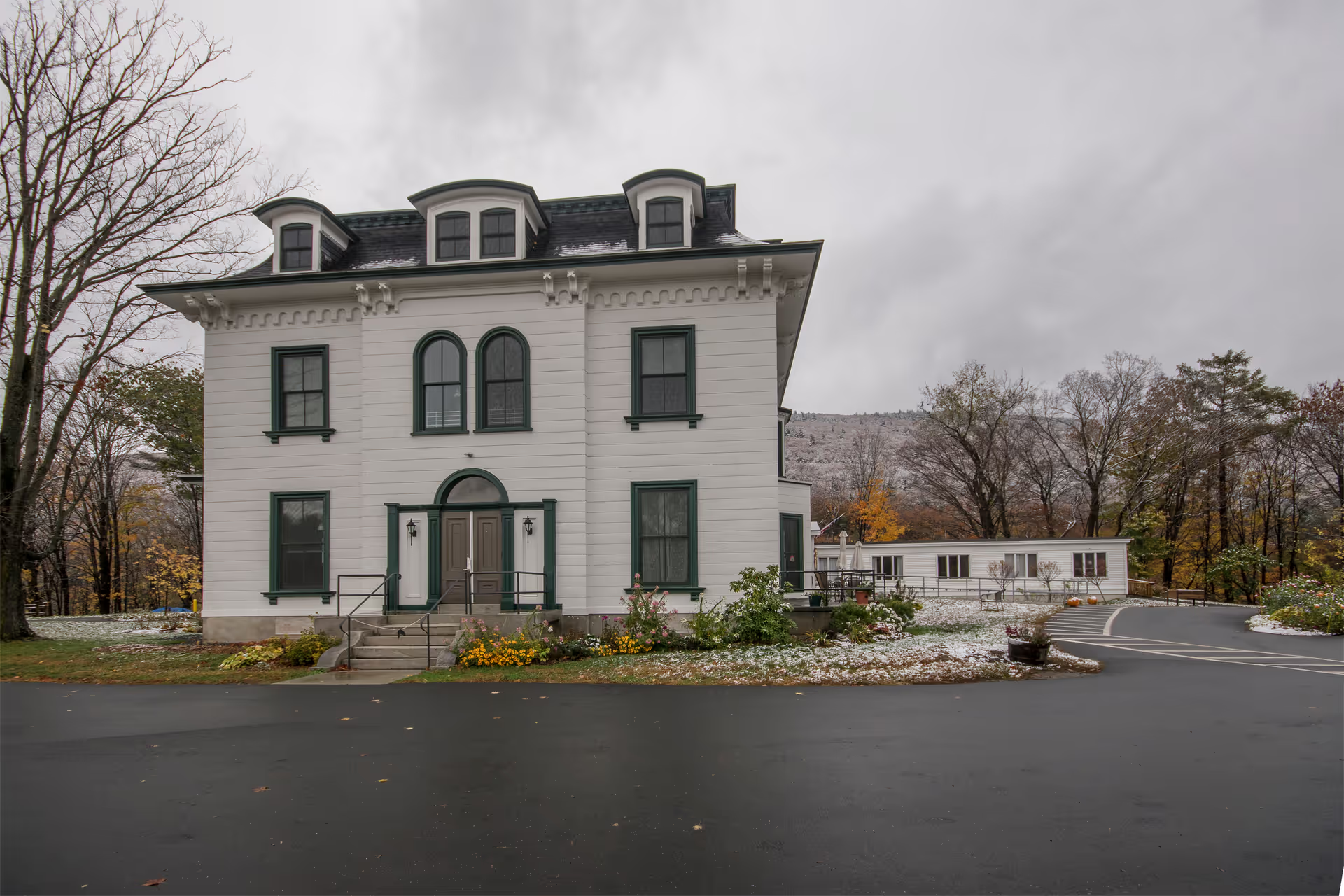
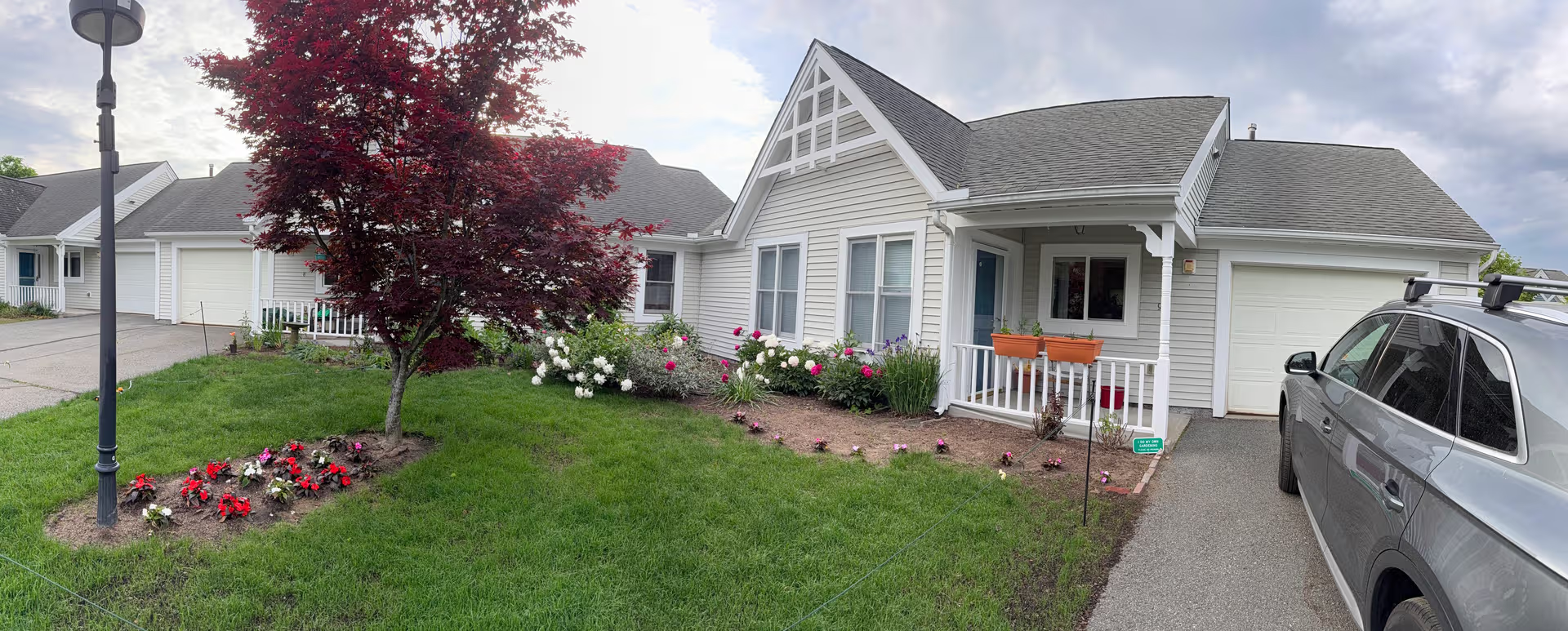
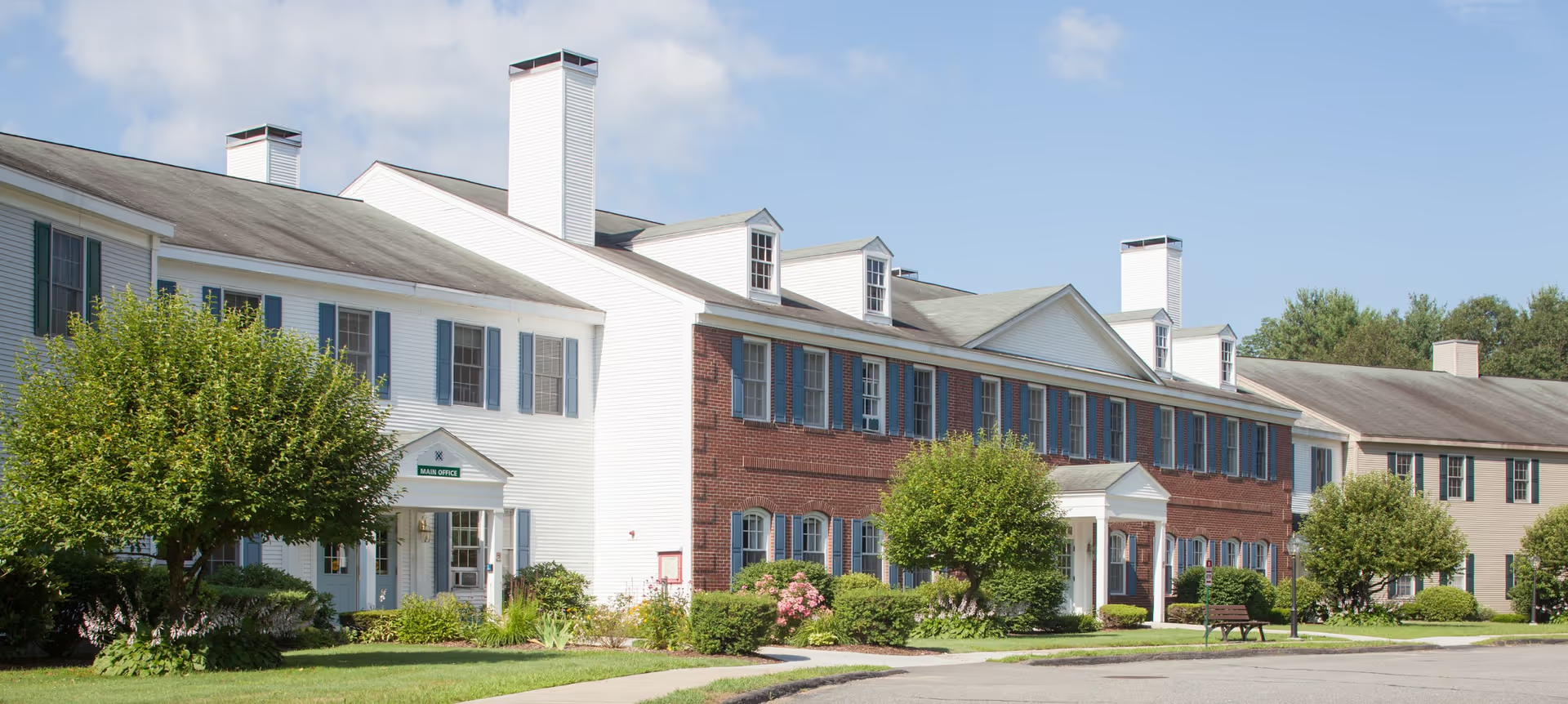
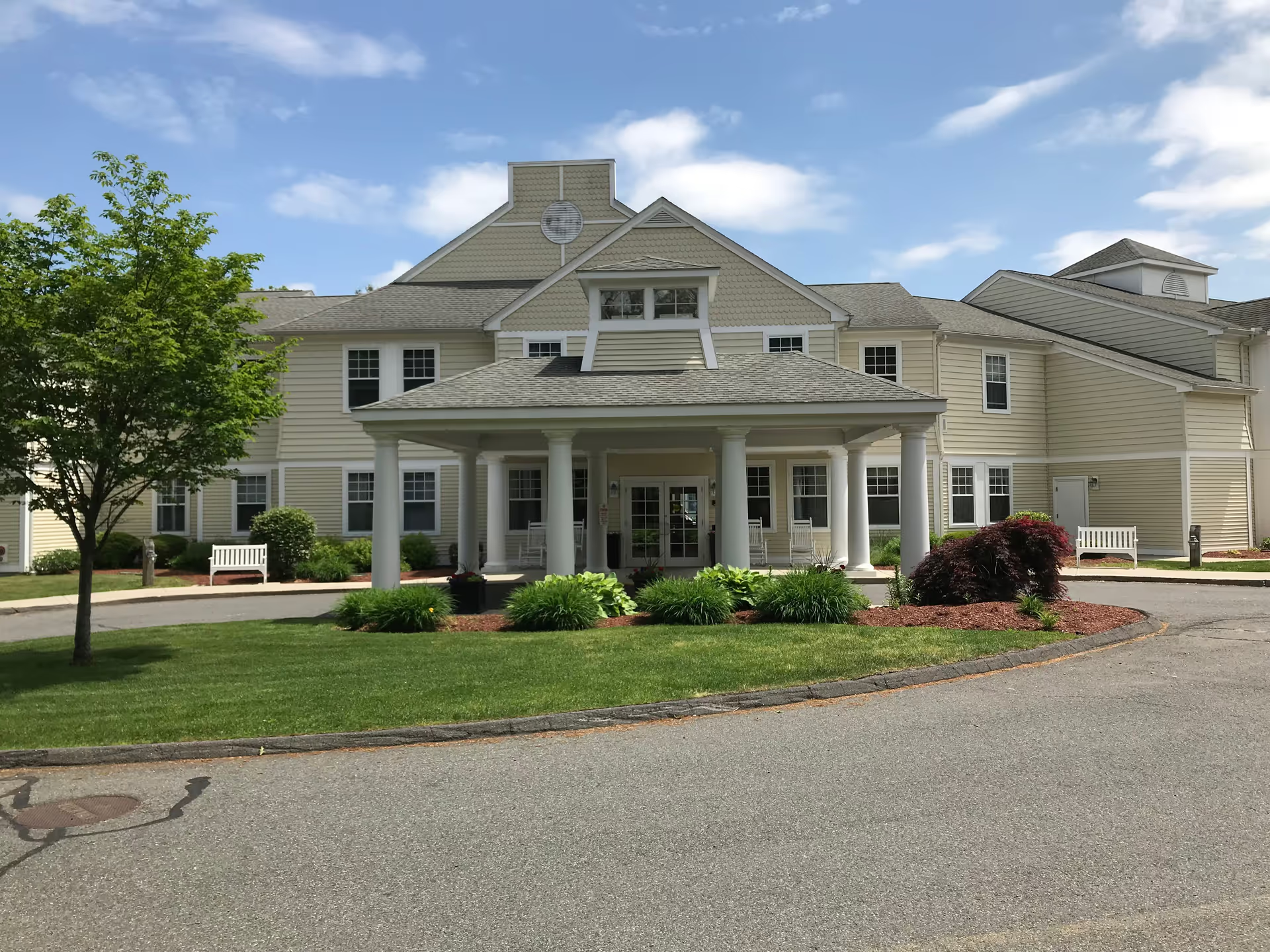
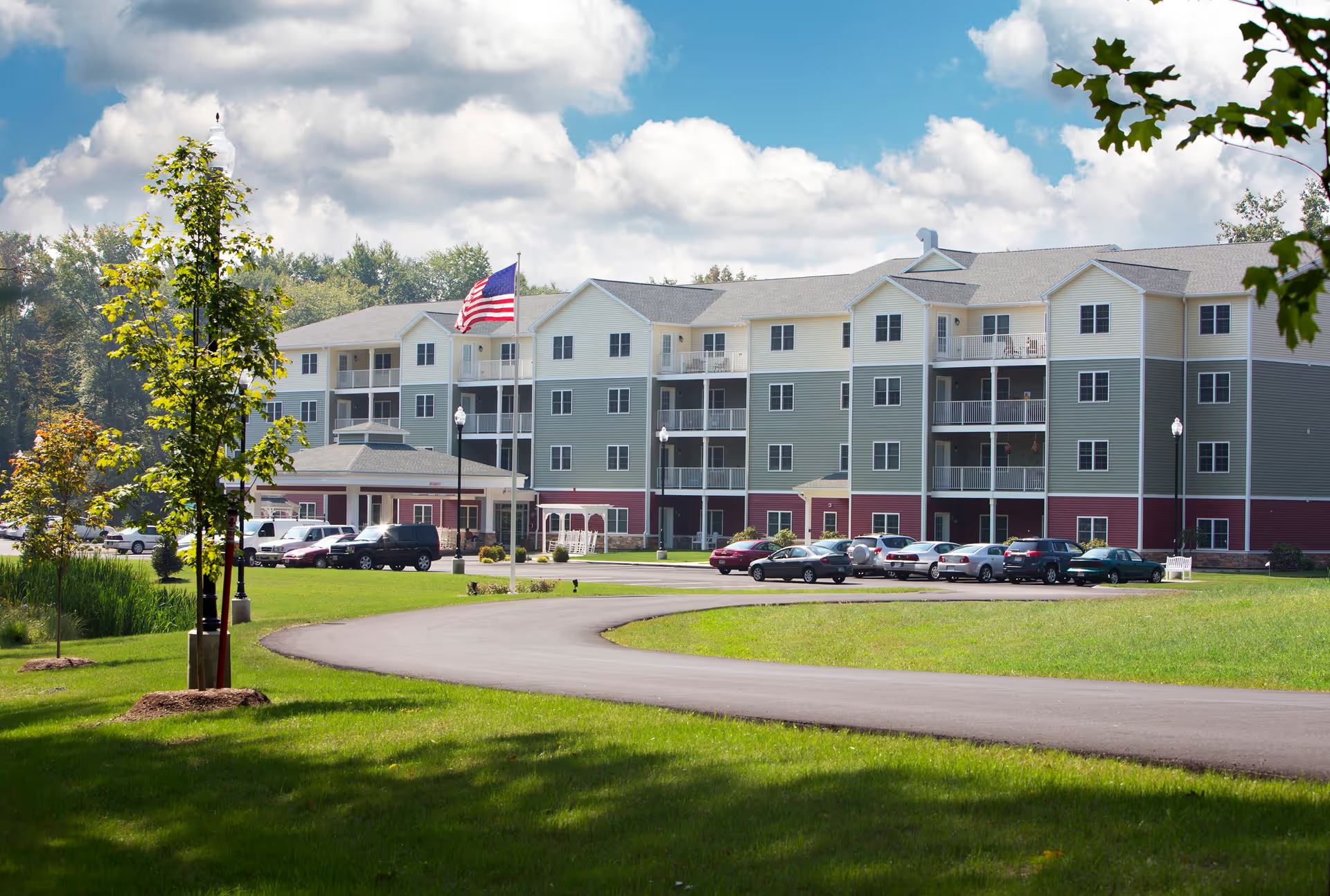
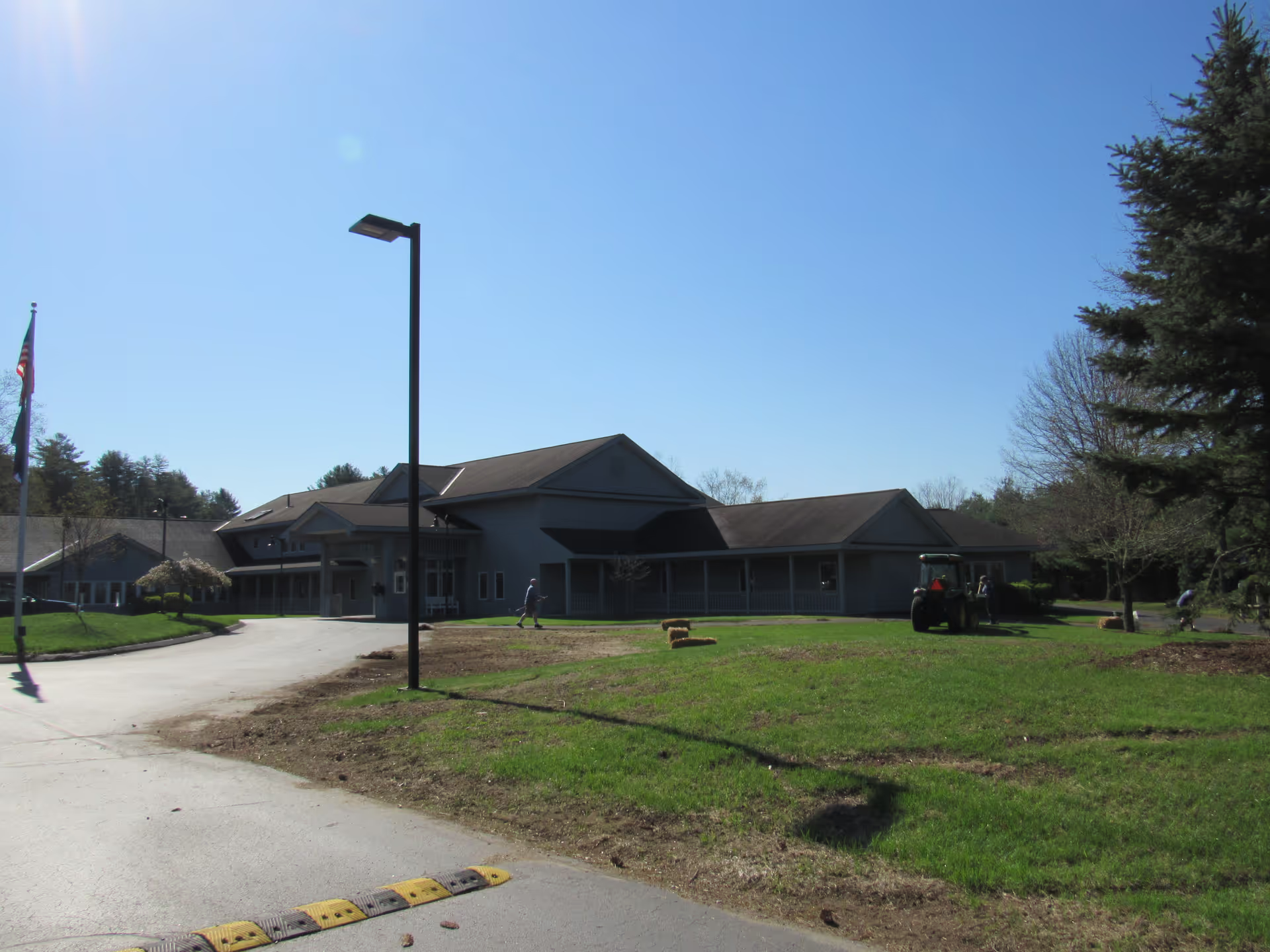
Facilities and safety show a mixed picture. Portions of the building have been renovated and are described as attractive and well maintained, while other sections are characterized as dated, with decor and maintenance issues noted. Reports include sanitation and odor concerns in some units and common areas, along with maintenance safety observations (for example, exposed hardware or damaged finishes) that families found concerning. Additionally, limitations in bariatric equipment and accessibility were reported, indicating that the facility may not be equipped for all clinical needs.
Overall pattern and guidance: experiences at Charlene Manor range from highly positive to problematic. Strengths include compassionate caregivers, strong rehabilitation services, active programming, and pockets of well-maintained space and responsive management. Weaknesses cluster around staffing consistency, sanitation and hygiene routines, fall-prevention practices, asset-control and administrative follow-through, and uneven facility maintenance. Prospective residents and families should evaluate the specific unit and shift patterns, ask about staffing ratios and fall-prevention protocols, review incontinence-care and bathing schedules, verify equipment availability for specific clinical needs (including bariatric support), and clarify administrative policies on belongings and reimbursements before making placement decisions.