Overview: Reviews describe a facility with clear strengths in rehabilitation, several individual staff members, and generally clean, well-kept resident rooms, but also with recurring operational weaknesses that families should weigh when considering placement. The most consistent positives relate to therapy outcomes, discharge planning, and individual caregivers who provide compassionate, attentive support—especially in memory-care and end-of-life situations. At the same time, reviewers describe variability in day-to-day care quality and facility operations.
Care and staffing: Clinical and rehabilitative services receive frequent praise; many families highlight effective therapy teams and measurable ADL improvements that enabled safe discharges home. Concurrently, staffing consistency is a frequent concern. Reviewers cite high patient-to-staff ratios, long response times at the nurse station, and delays in routine care tasks. There are also repeated comments about the tone and conduct of some staff members—ranging from curt interactions to behavior that families found distressing—indicating uneven staff performance and communication skills across shifts.
Dining and activities: Dining experiences appear mixed. Some families report tasty, varied meals and good nutrition, while others note cold or bland food and service continuity problems. Activity offerings vary by unit: several reviewers describe engaging programming and a positive social environment, whereas others found limited activity engagement and low encouragement for participation. These differences suggest program quality varies between units and shifts.
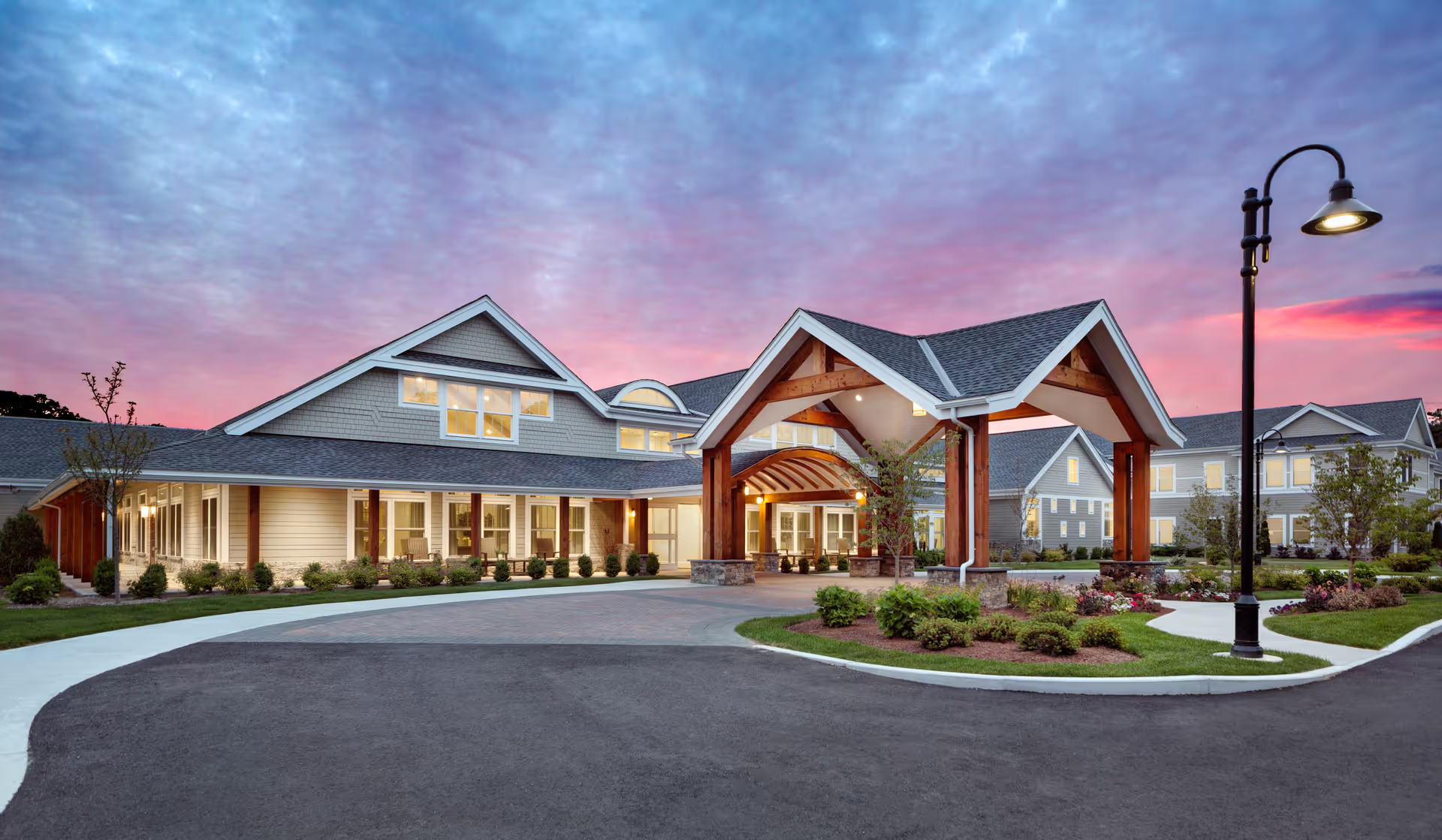
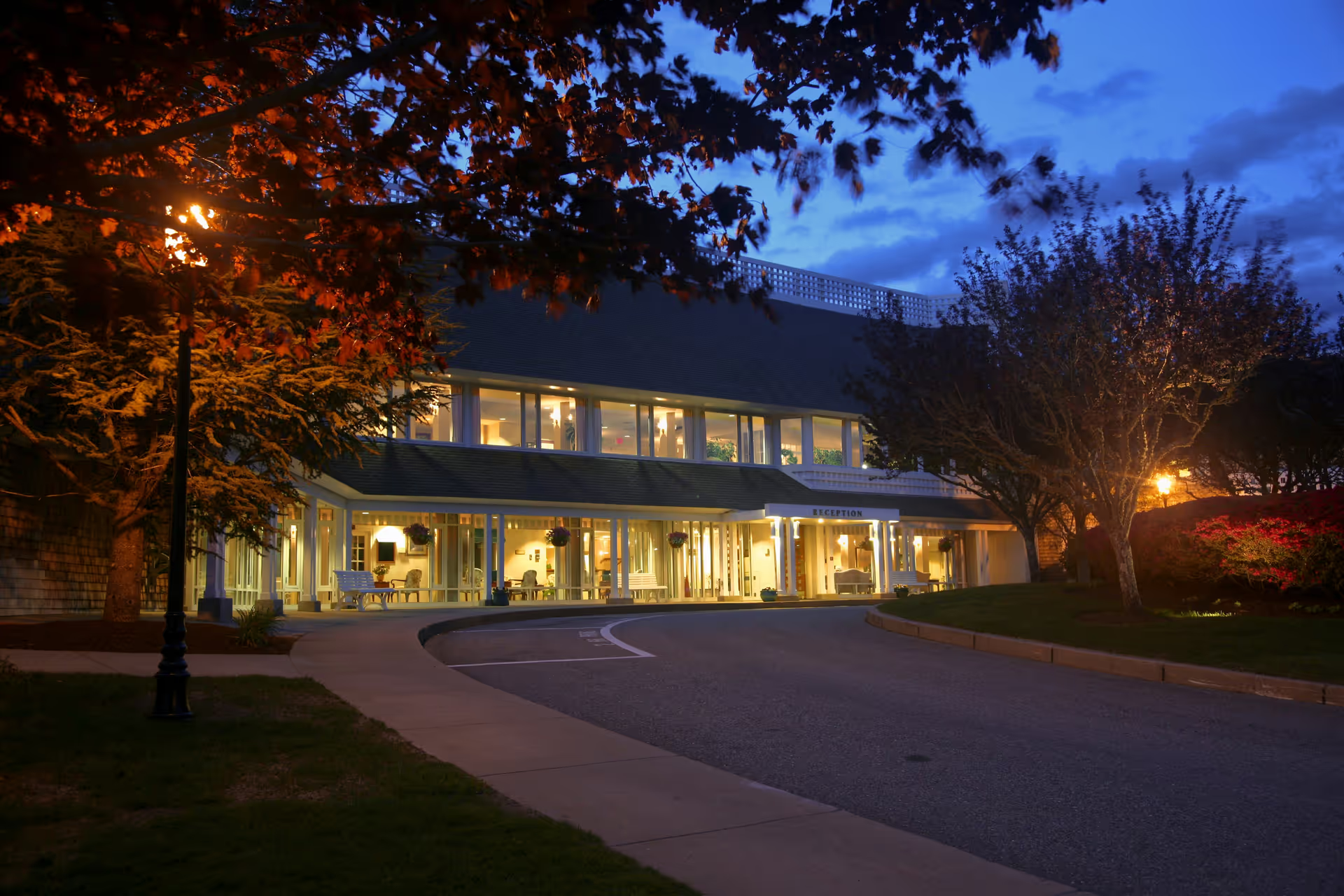
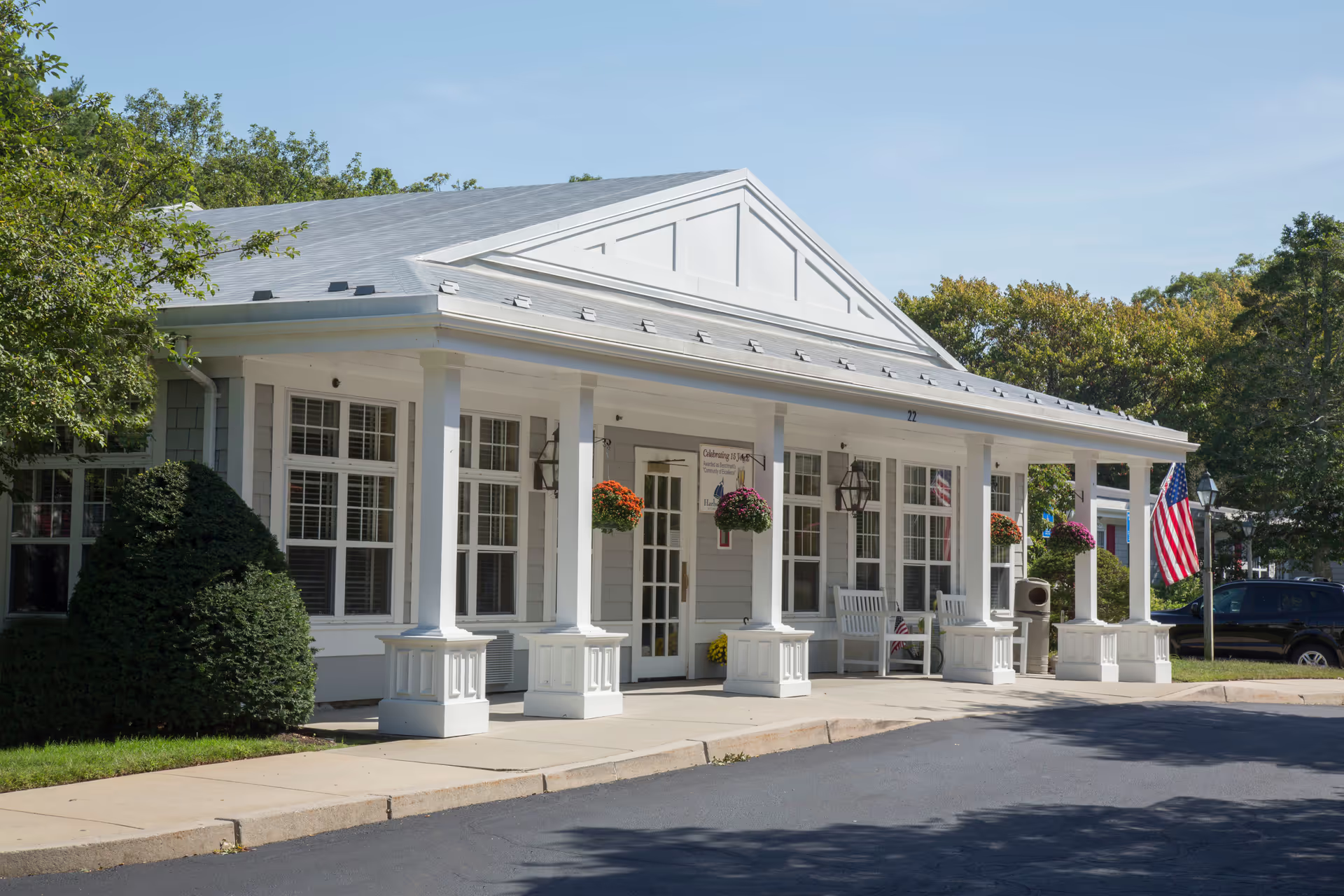
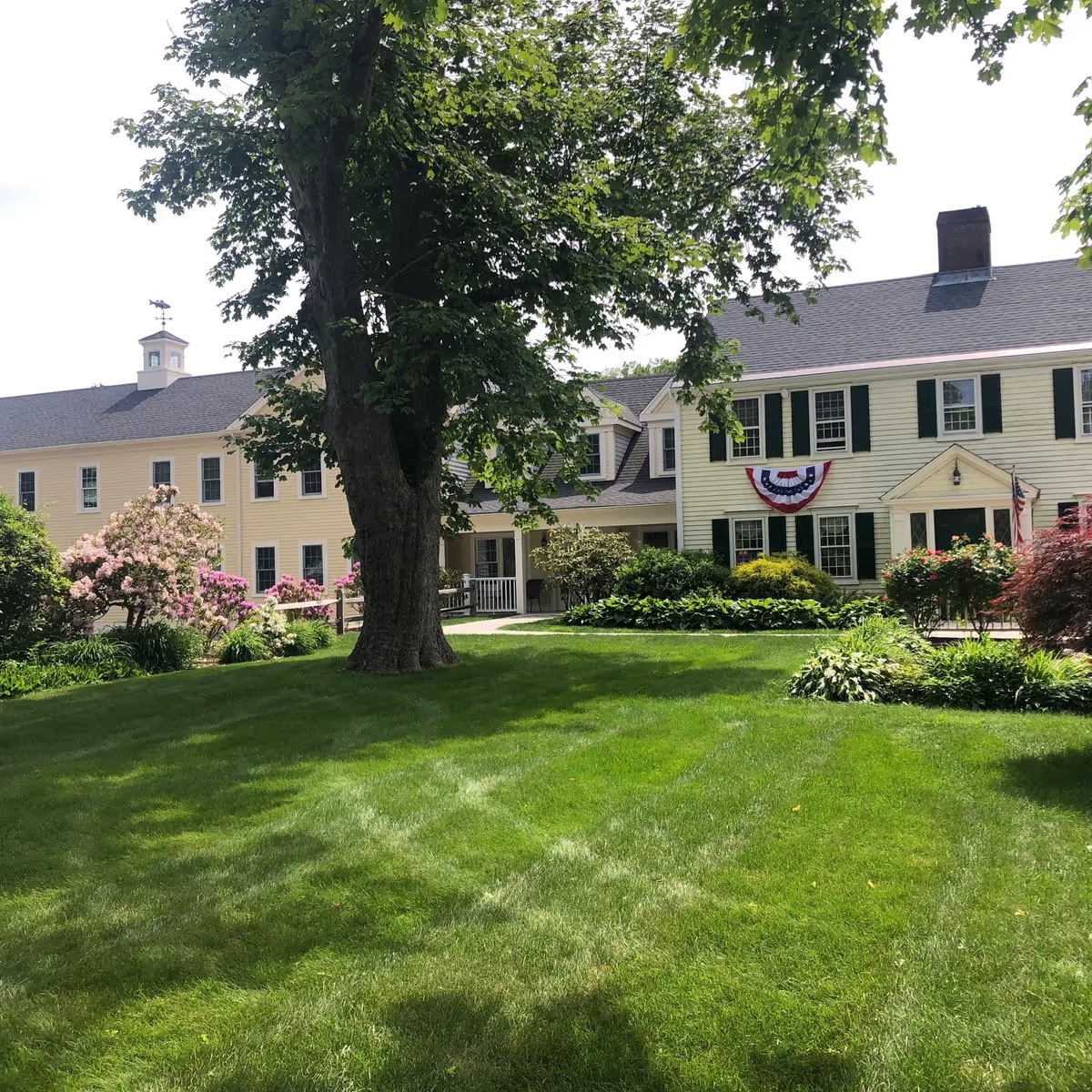
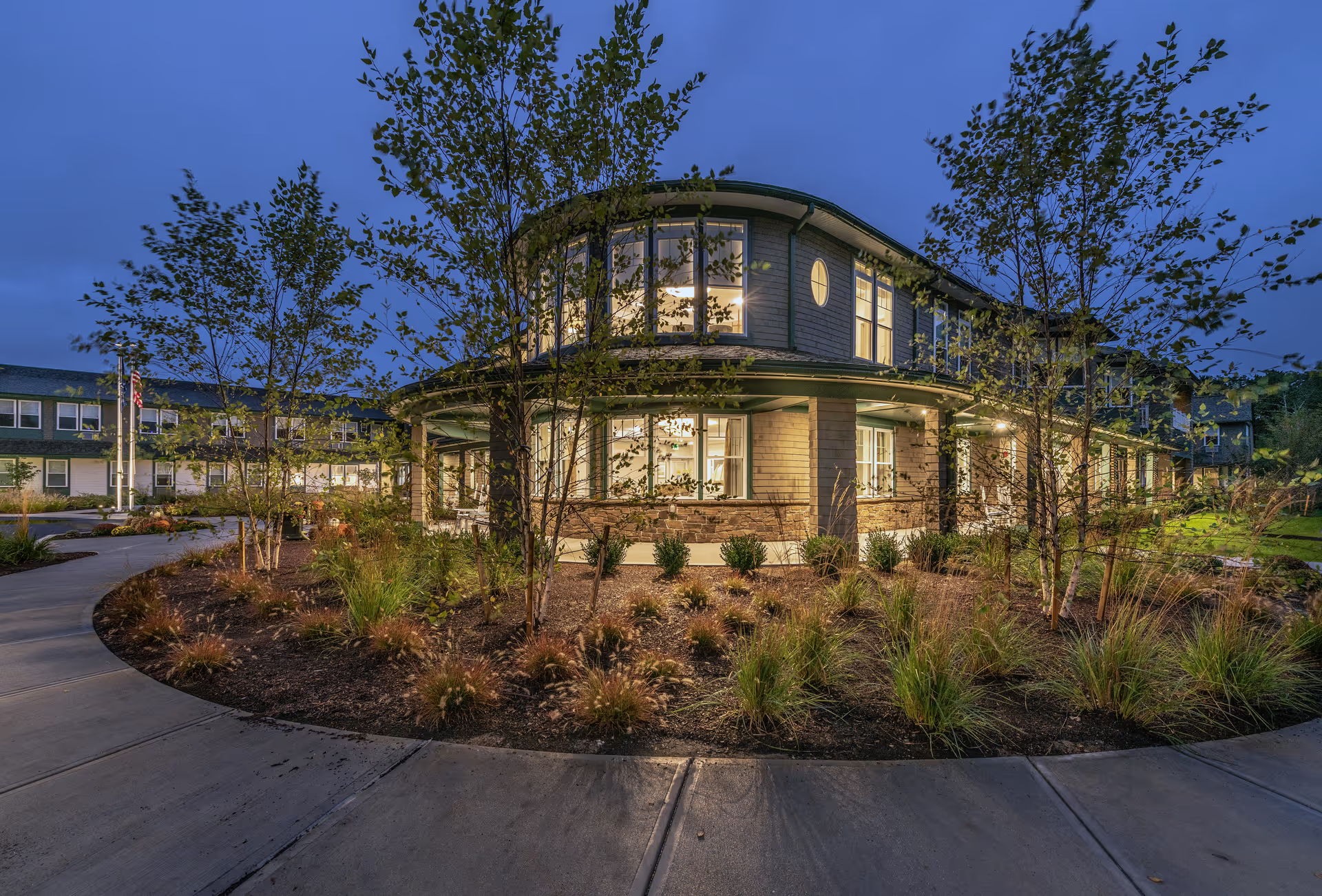
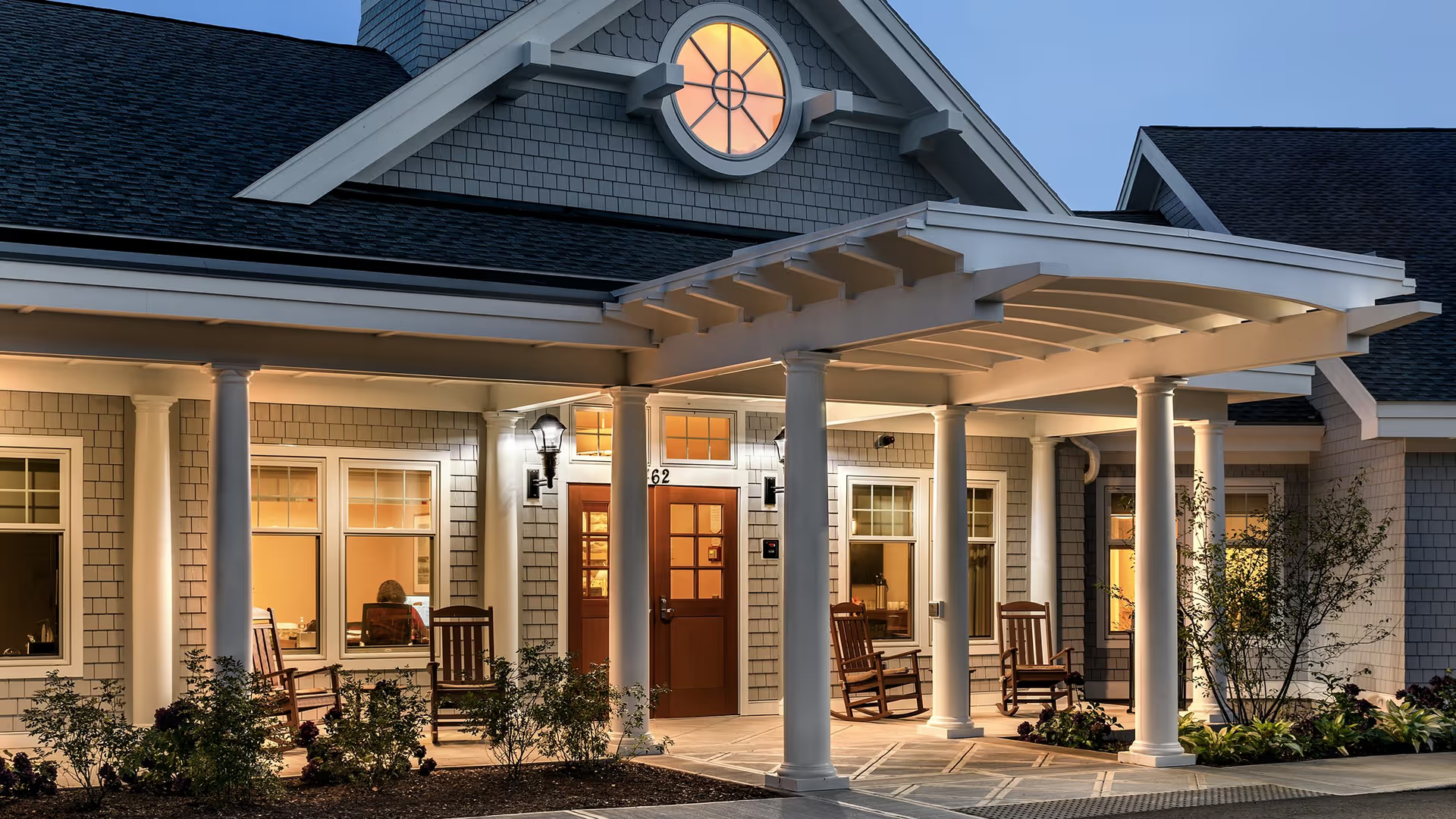
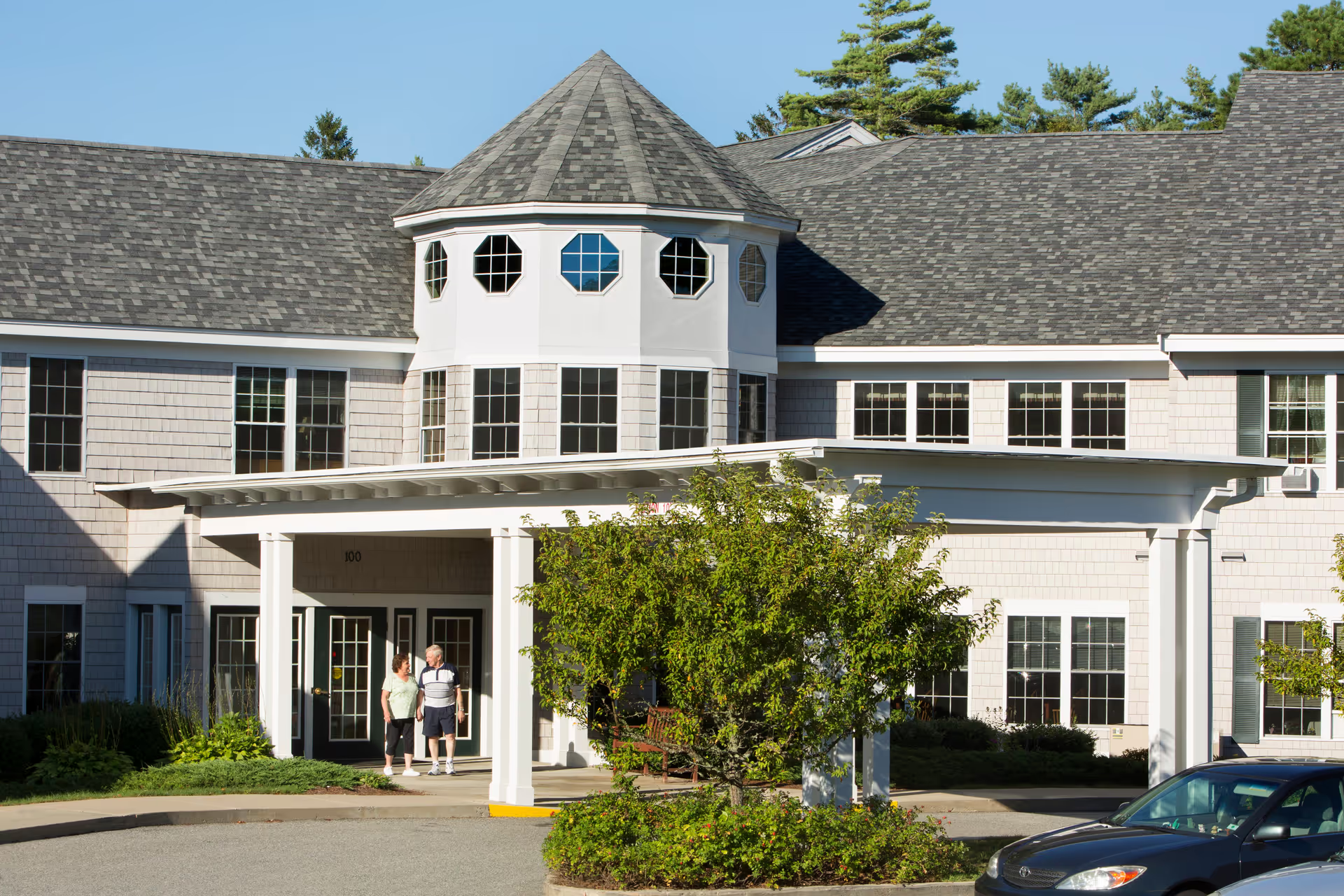
Facilities and maintenance: The building and therapy spaces are often described as attractive and well maintained, with some families noting comfortable apartments and a pleasant lobby. However, maintenance and sanitation issues are noted intermittently—examples include equipment failures (call systems, ice machine), odor concerns in some common areas, and floor-cleaning or housekeeping inconsistencies. Laundry-process weaknesses and mishandling of personal belongings are recurring operational issues affecting family trust.
Management and communication: Family communication and administrative responsiveness are mixed. Positive comments include supportive, accommodating directors and helpful social-services staff who facilitate discharge planning. Negative patterns include poor follow-up after incidents, limited callbacks from management, and inconsistent phone communication. There are also serious governance concerns raised by a small number of reviews, including allegations related to billing practices and isolated claims of resident mistreatment; these items suggest a need for strengthened oversight and transparent communication from leadership.
Notable patterns and considerations: The overall picture is one of a facility that can deliver high-quality rehabilitation and compassionate care in many cases but struggles with operational consistency. Prospective residents and families should assess unit-level staffing, observe mealtime service, ask about laundry and property-handling protocols, and clarify infection-control and emergency-response procedures. For those prioritizing therapy outcomes and individualized, compassionate caregivers, the facility shows clear potential; for those who prioritize consistently prompt responsiveness, uniform staff conduct, and robust maintenance procedures, the mixed reports suggest further inquiry and direct observation are warranted before making placement decisions.