The Pavilion Rehabilitation and Nursing Center elicits strongly divergent impressions. Many family members and residents praise the direct-care teams — nurses, CNAs, therapists, and therapy assistants — for compassionate bedside care, skilled physical and occupational therapy, and successful rehabilitation outcomes. Housekeeping, front-desk staff, social workers, and recreational staff receive positive comments for creating a welcoming environment and offering varied activities, meals with options, and services such as hairdressing and bingo. For individuals seeking a rehabilitation-focused stay, several accounts describe good therapy engagement and measurable functional improvement.
At the same time, reviews highlight significant operational concerns that are important for prospective residents and families to evaluate. Recurrent themes include inconsistent physician and clinical staffing, weaknesses in medication oversight, and gaps in wound-care follow-up and infection monitoring. Family communication and transparency are frequently described as inadequate — examples include delayed or incomplete notifications to families, contradictory information, and difficulty reaching clinicians by phone. Several accounts point to delays in attending to resident requests and unanswered call bells, which reviewers link to staffing pressures and workload.
Safety and care-continuity issues appear as another pattern: descriptions of falls, delayed transfers to higher-level care, and perceived problems with discharge planning suggest opportunities to strengthen fall-prevention protocols, transfer-safety practices, and care-transition coordination with hospitals and families. Some reviewers raised serious clinical concerns (e.g., complex acute events and wound-related complications) that underscore the need to review the facility’s clinical escalation and hospital-transfer processes. There are also operational complaints about building upkeep, phone-system reliability, lost personal property, and administrative responsiveness, which can affect daily experience and family communication.
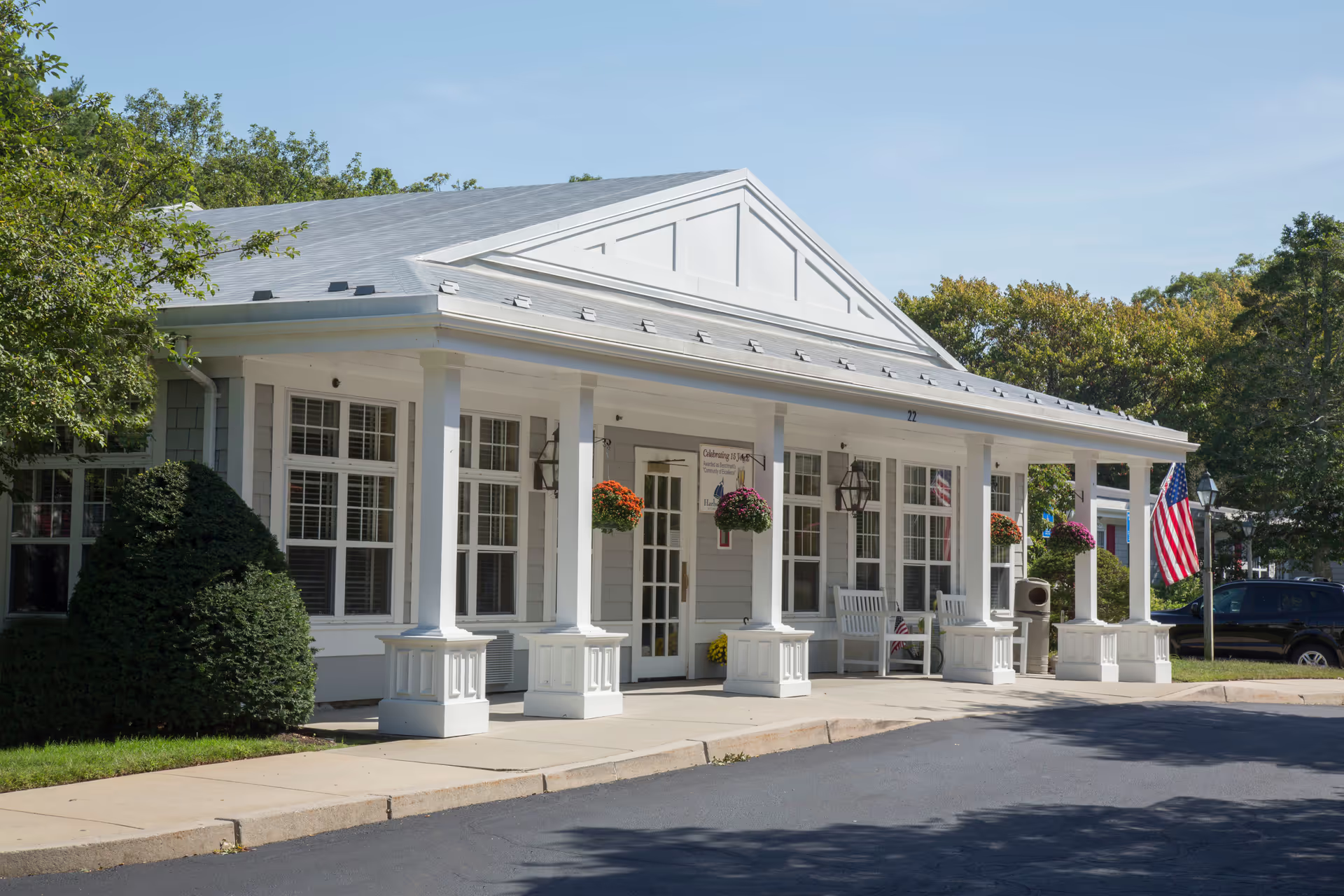
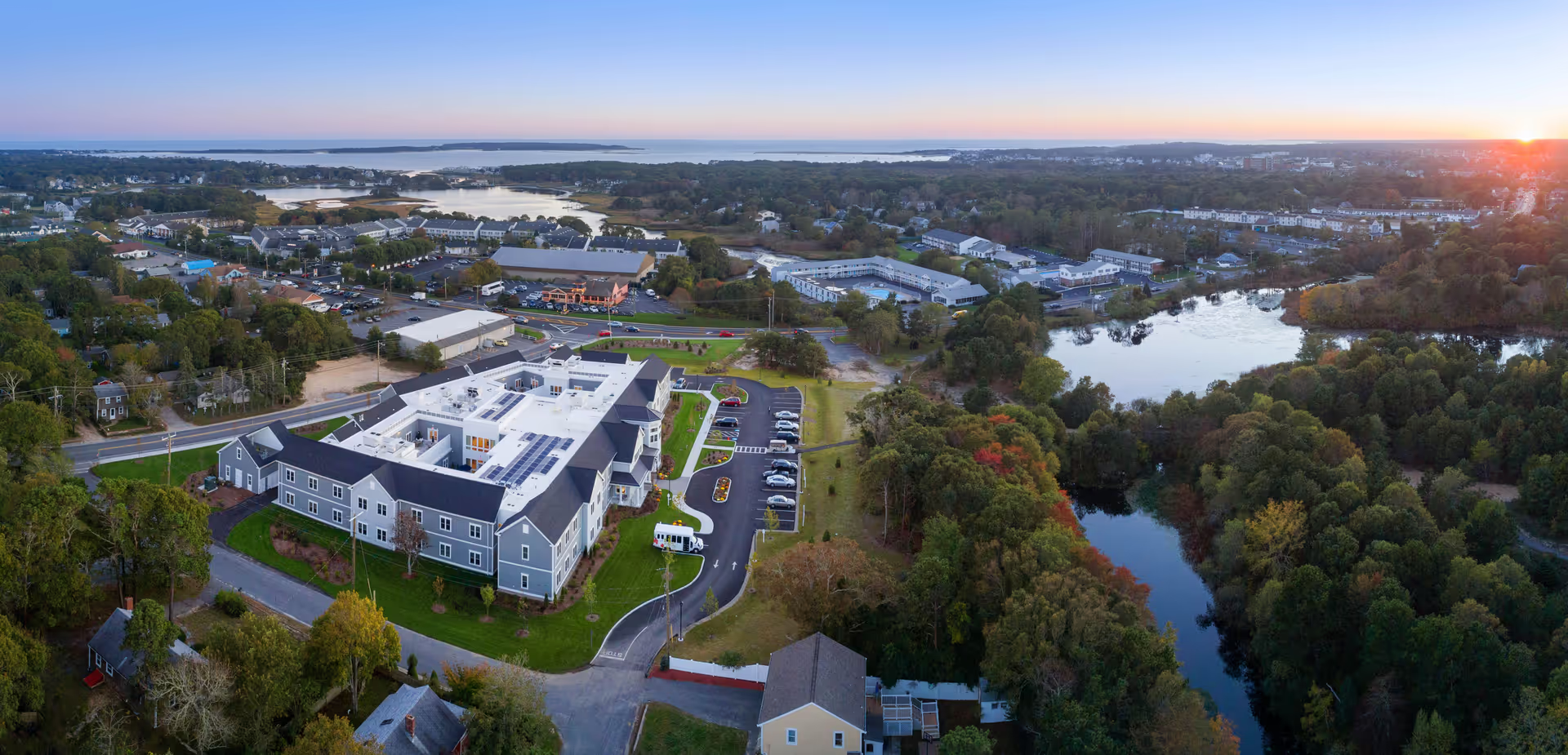
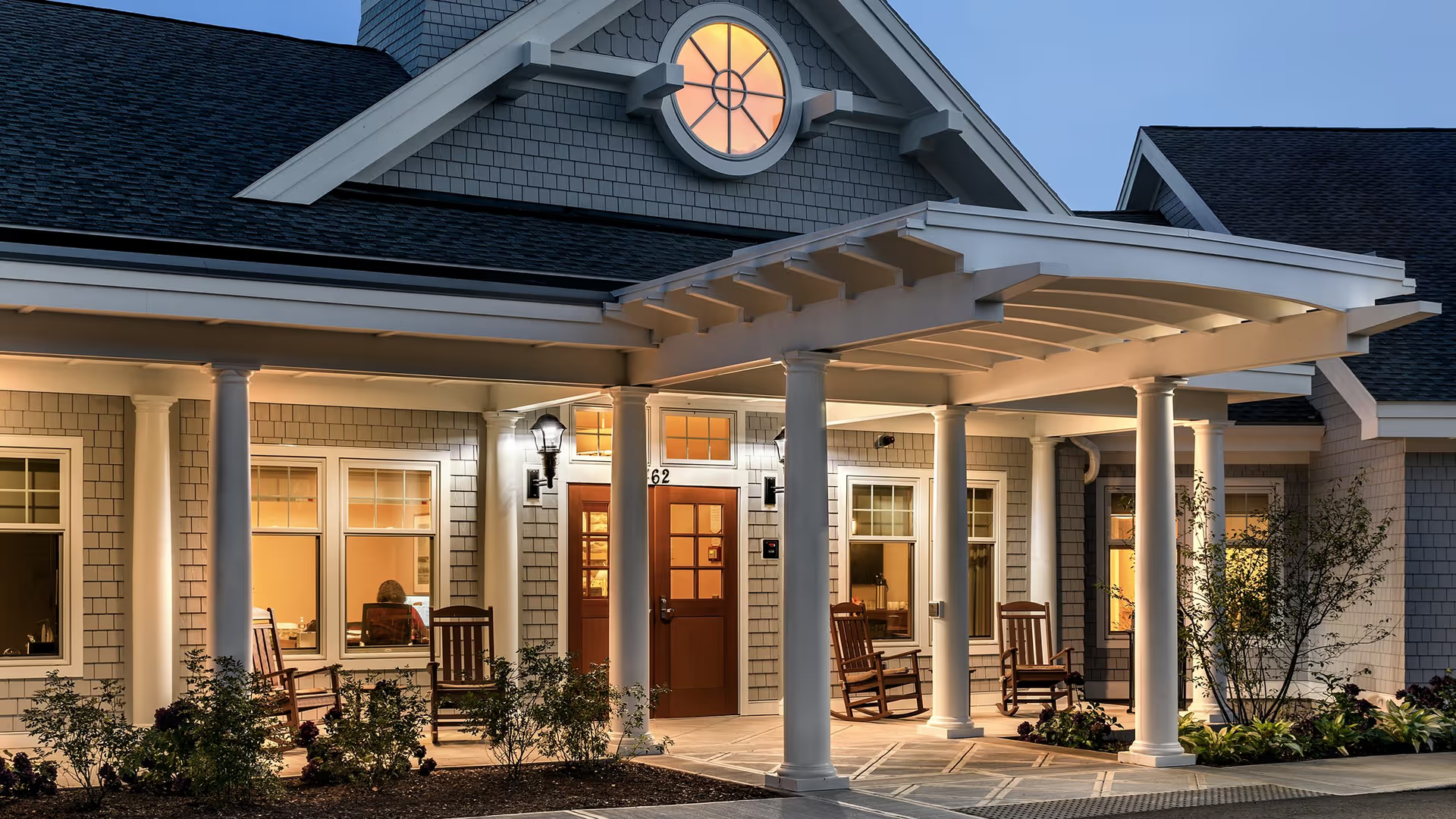
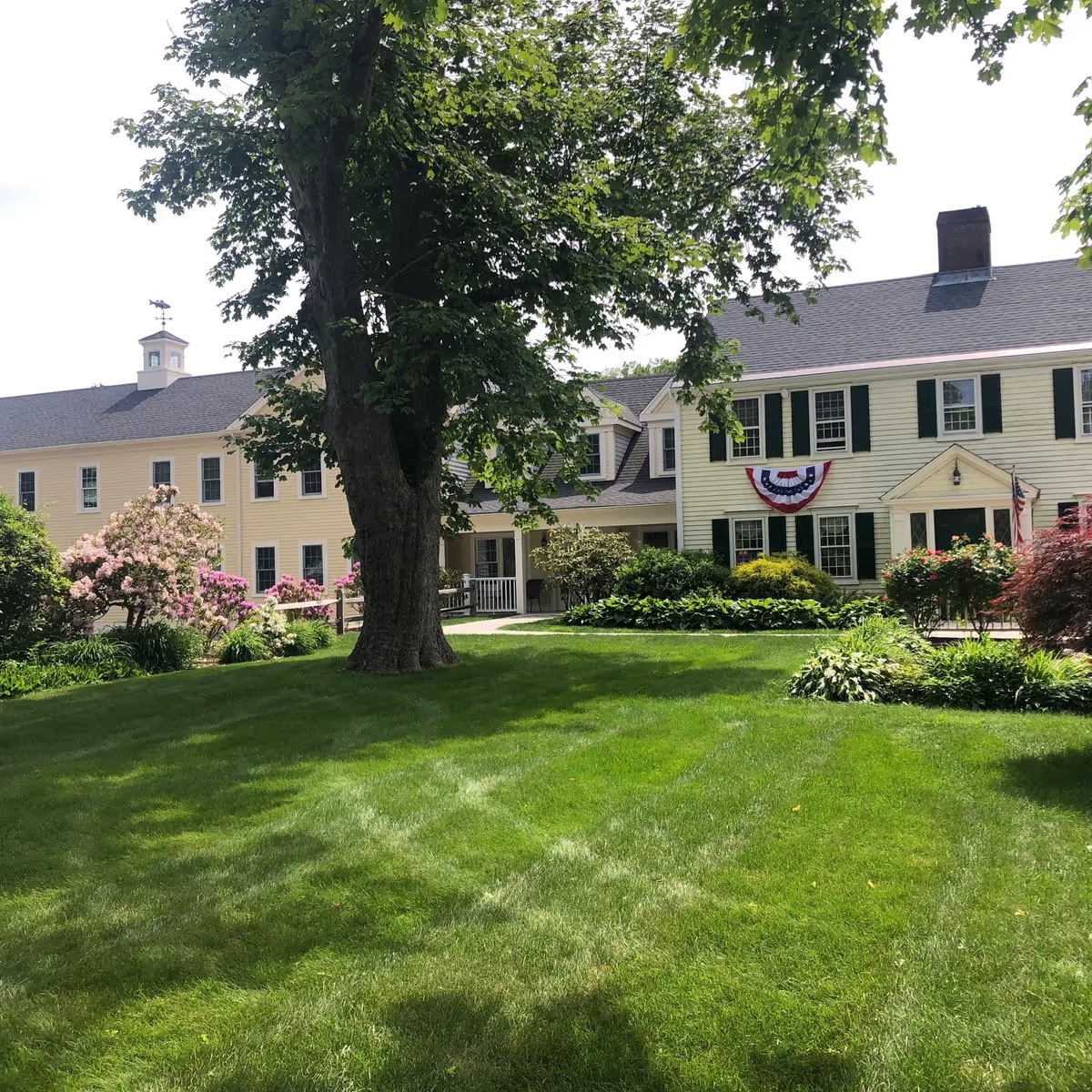
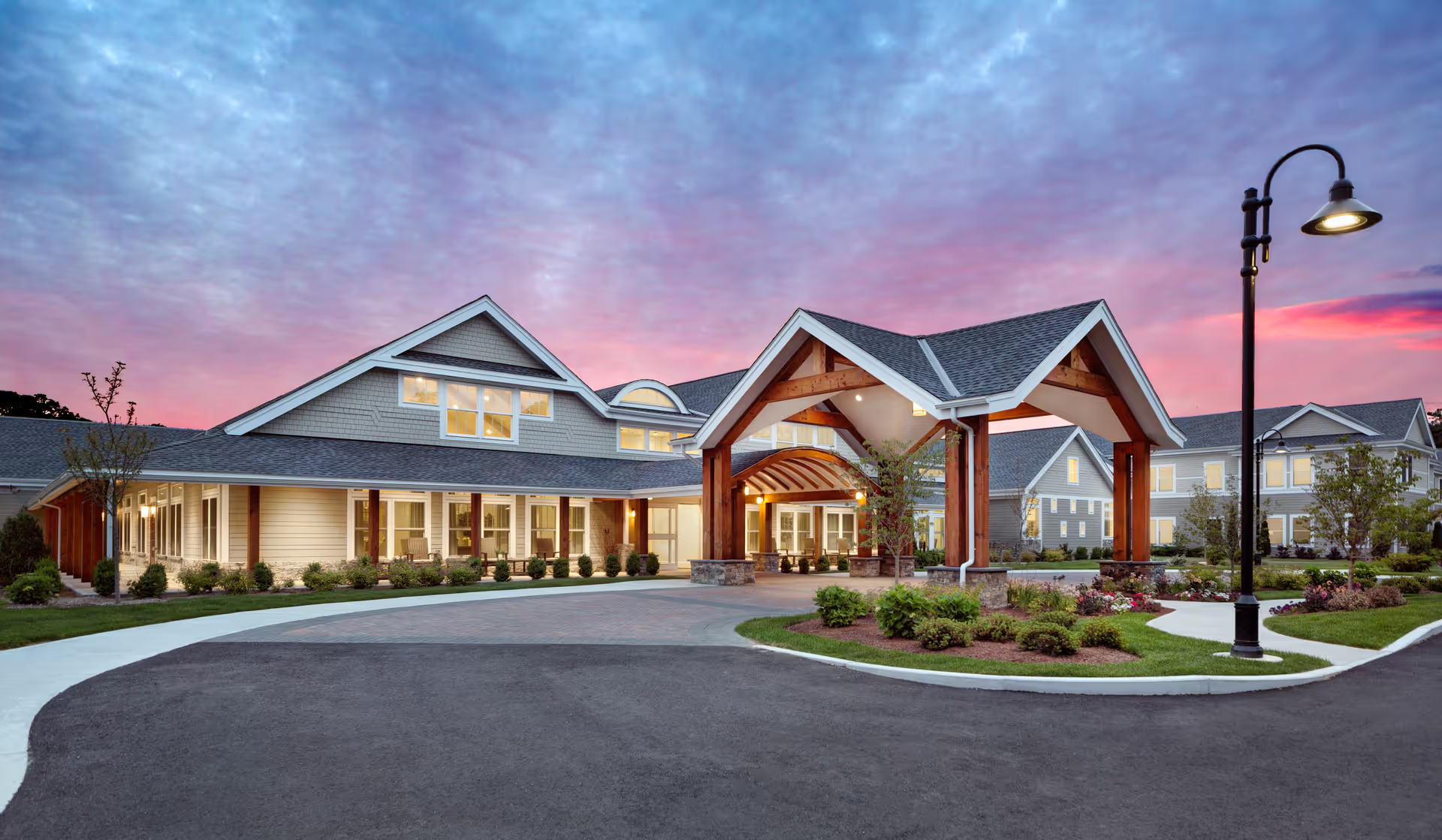
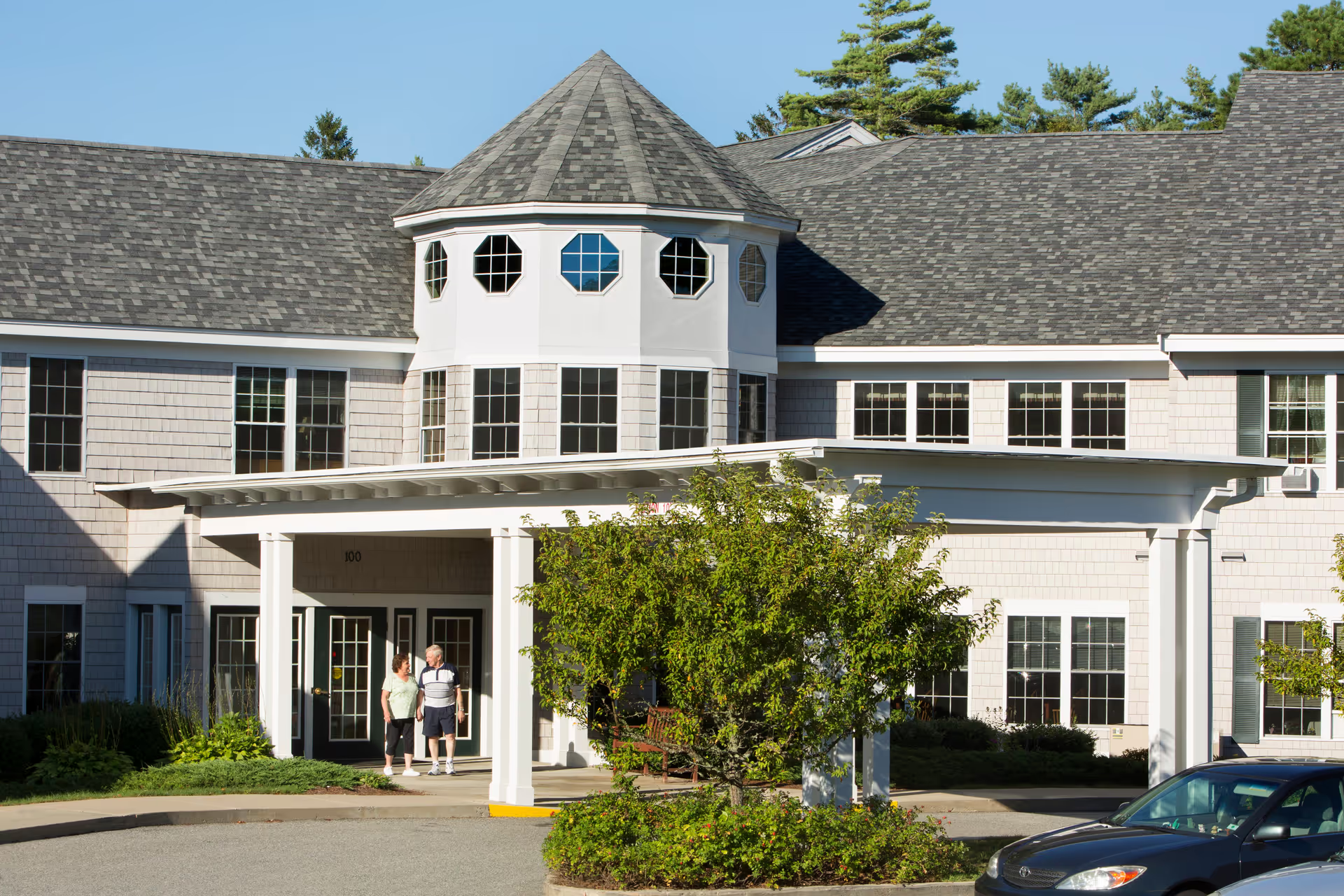
Dining and activities receive mixed but often favorable comments. Many reviewers appreciated meal variety and the activity schedule; others cited intermittent dissatisfaction with food quality. The building itself is described as older and in need of maintenance in places, though cleanliness and housekeeping were frequently singled out as strengths. Administrative concerns include perceived rigidity in visitation policy enforcement and inconsistent communication from leadership; however, some reviewers noted positive interactions with administrators who visited and engaged with families.
Overall, experiences at The Pavilion range from highly positive to seriously critical. The facility demonstrates clear strengths in hands-on caregiving and rehabilitation services, but recurring operational weaknesses — particularly around clinical staffing, medication oversight, family communication, and responsiveness — warrant careful evaluation. Recommended steps for families considering the facility include asking for current staffing ratios and on-call physician coverage, reviewing recent clinical incident logs or quality measures if available, observing call-bell response times during a visit, confirming wound-care and infection-control protocols, and clarifying discharge-planning practices and grievance procedures. An in-person tour and direct conversations with therapy, nursing leadership, and the social-work team will help validate whether the facility’s strengths align with a prospective resident’s needs and safety expectations.