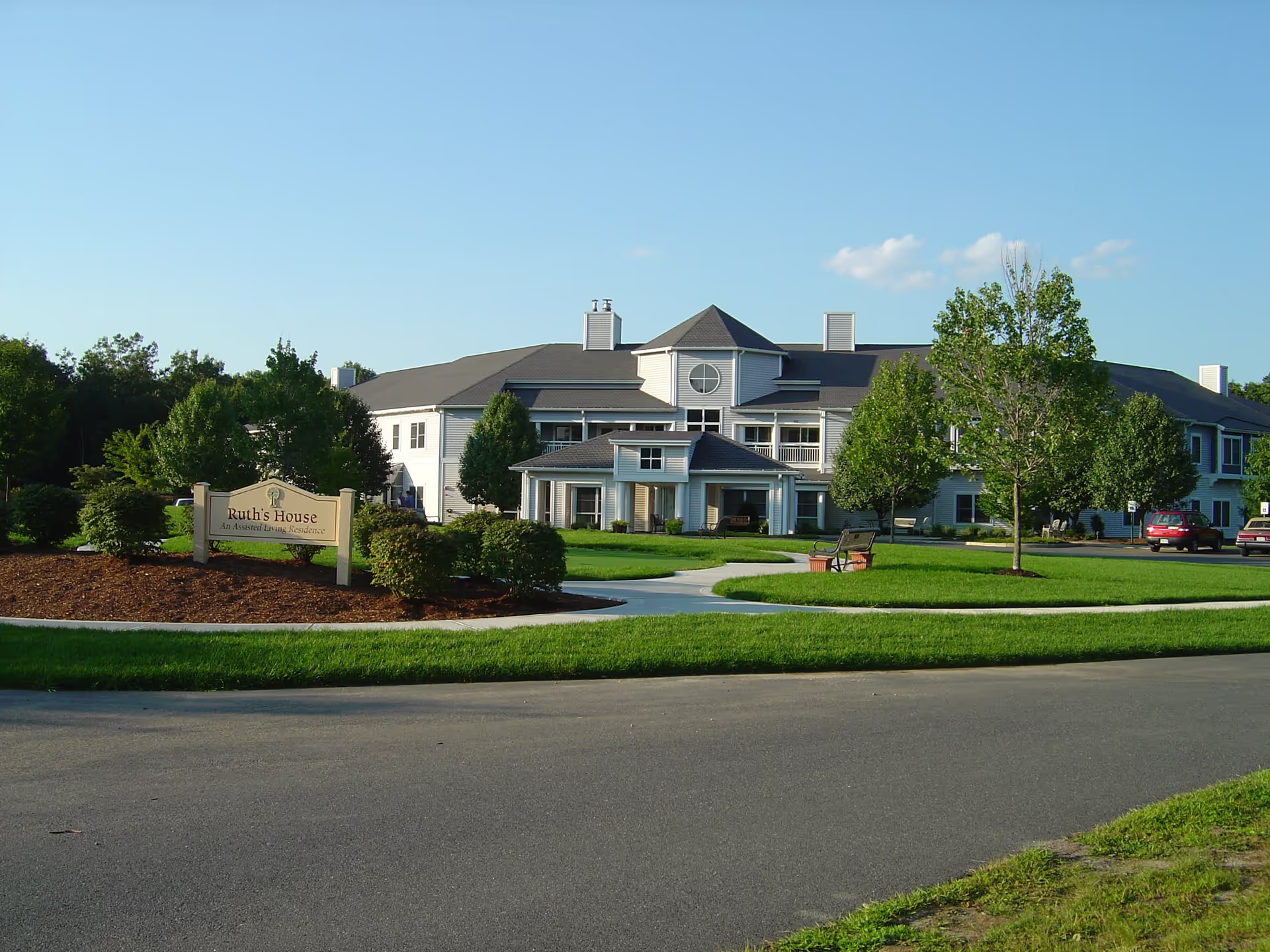
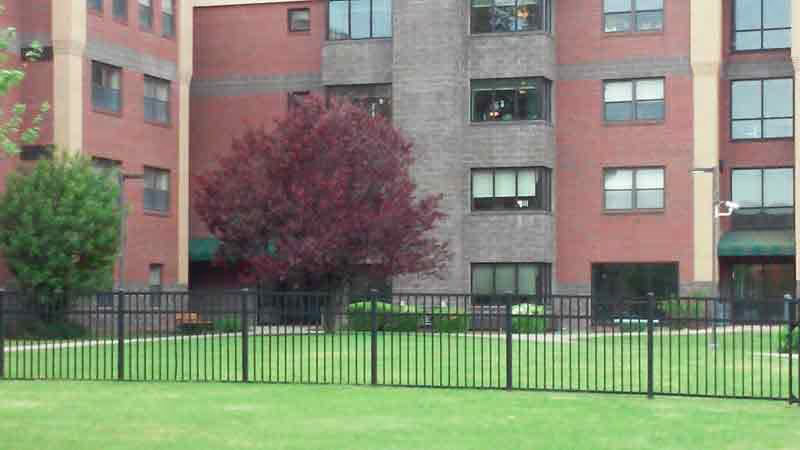
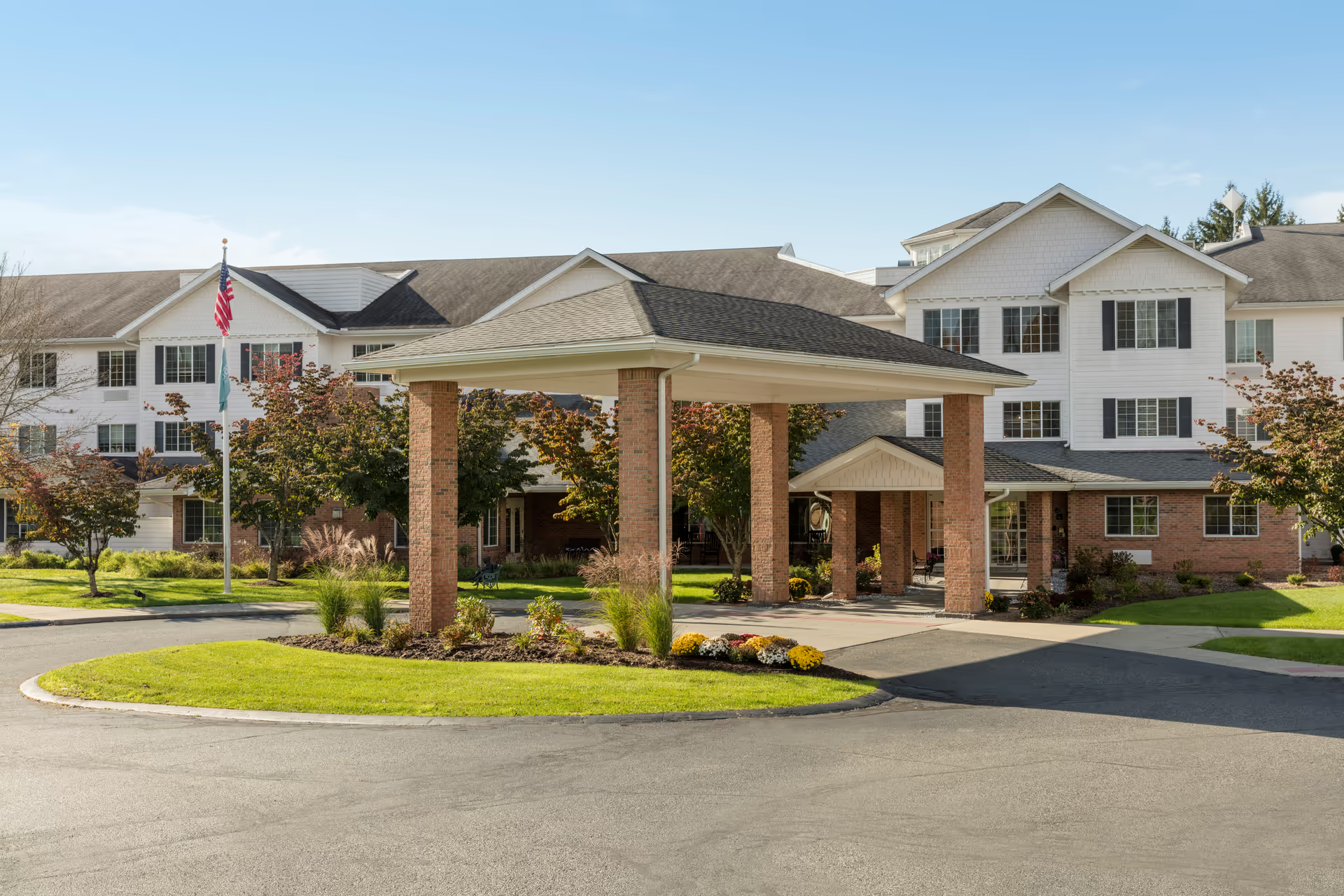
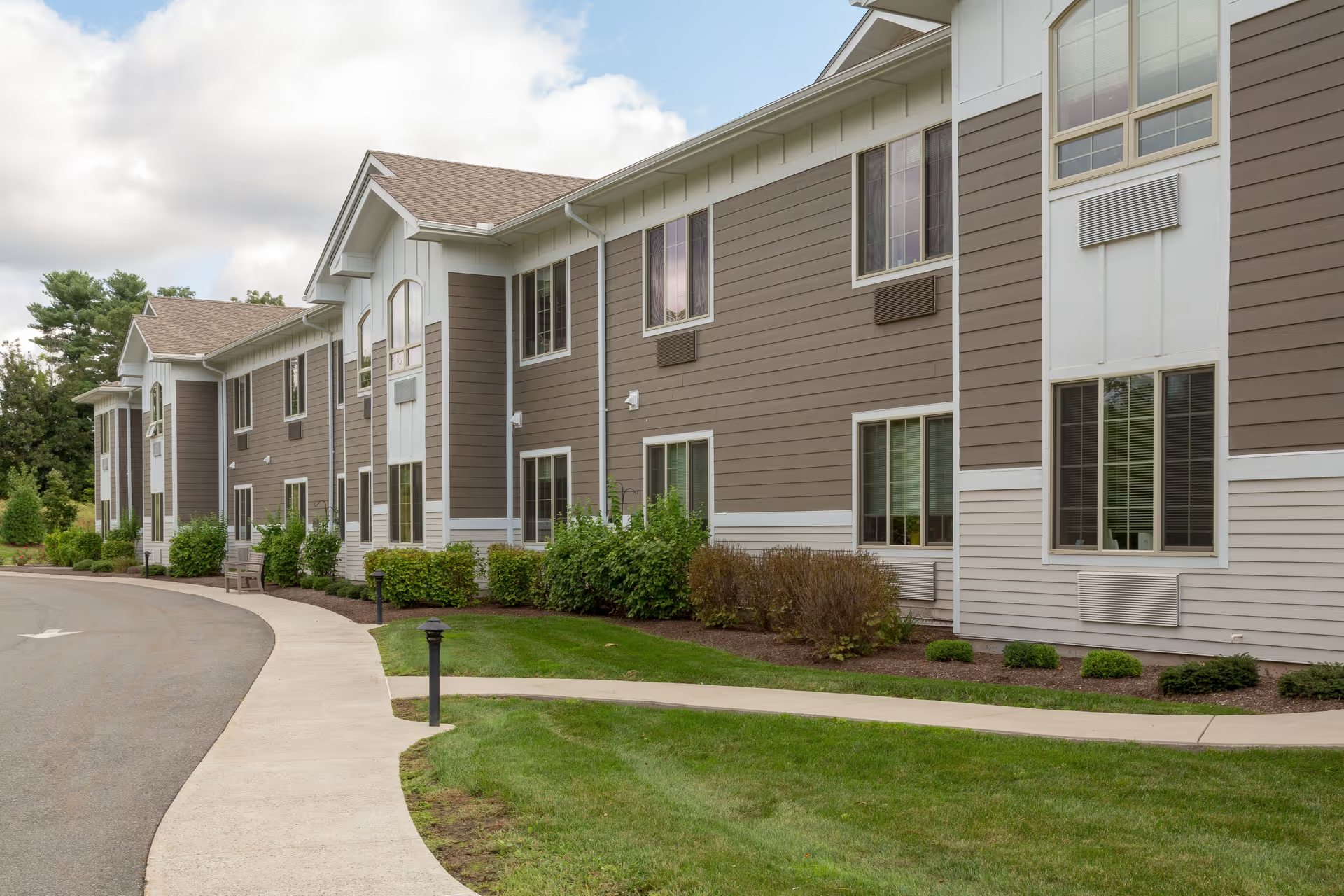
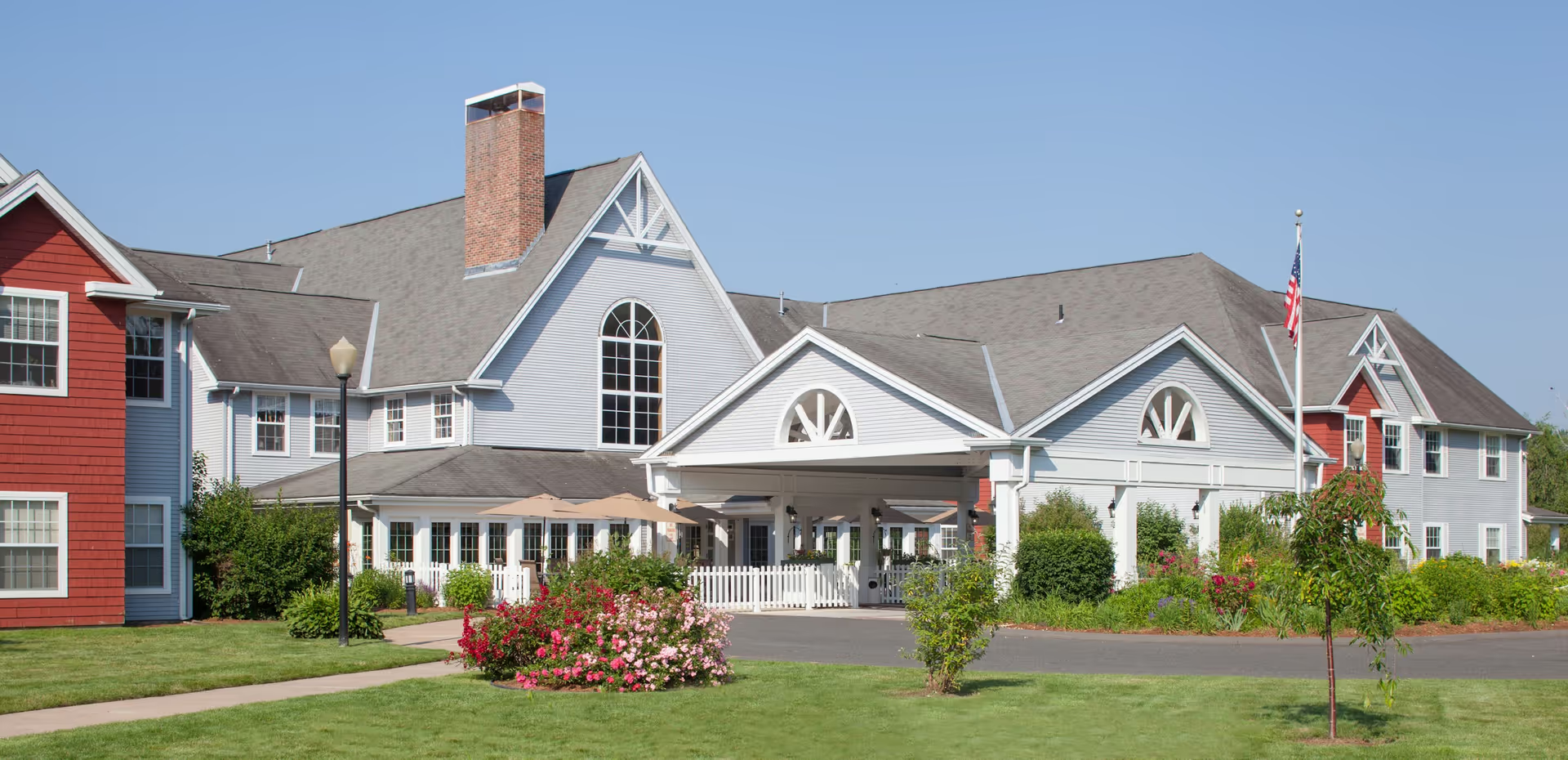
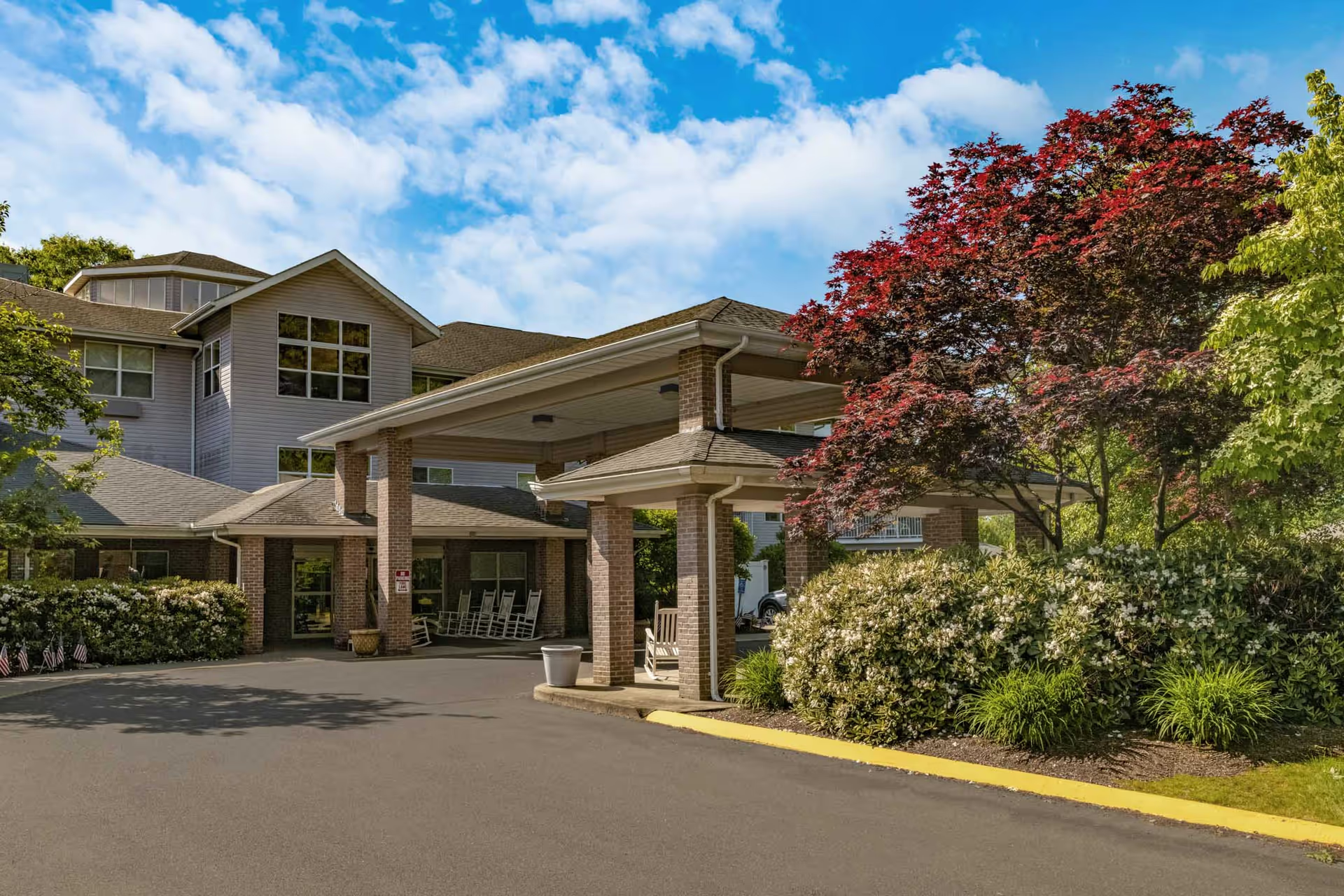
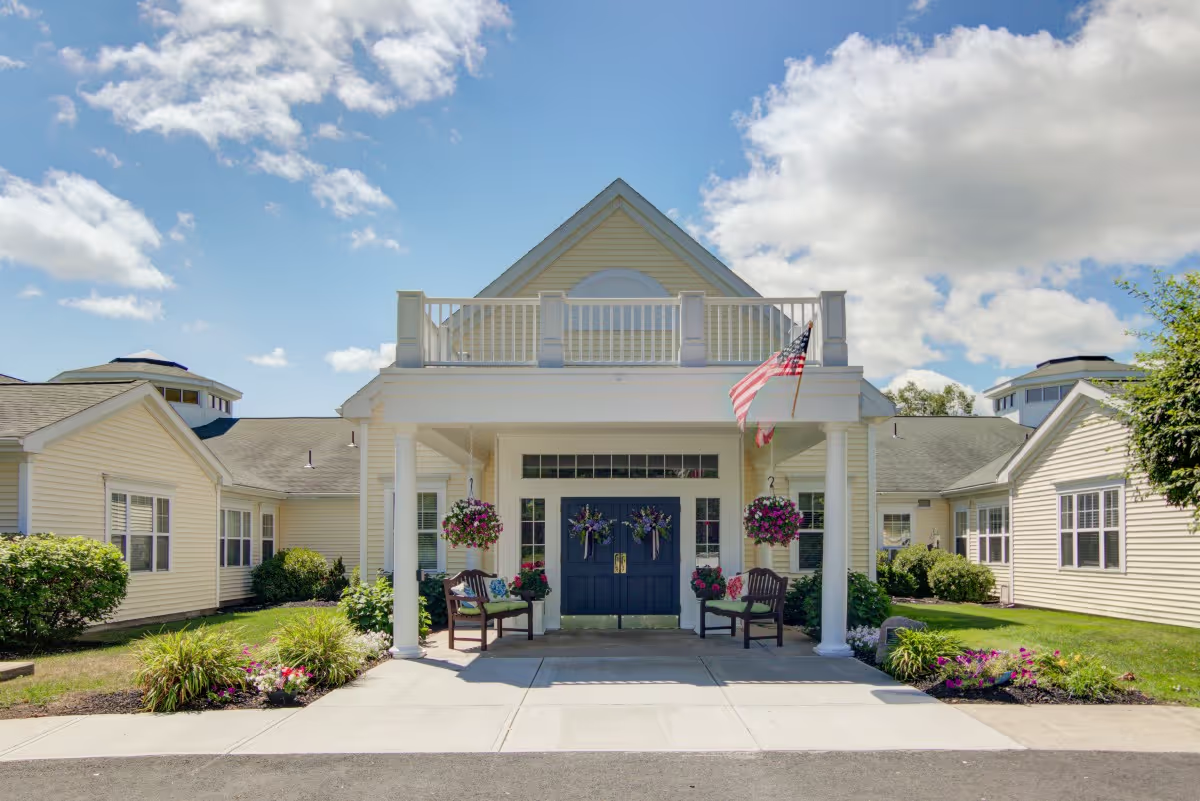
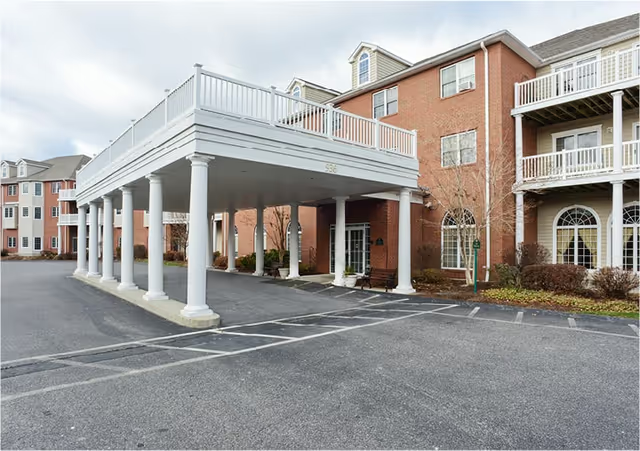
Leavitt Family Jewish Home is frequently described by families as a warm, home-like campus with strong rehabilitative capabilities and a wide range of social and spiritual programming. Many reviewers emphasize the facility’s attractive, recently renovated environment, comfortable units, and an open layout that supports resident socialization. Regular activities such as live music, picnics, and communal meals — often described as home-cooked — contribute to an engaged atmosphere that families find reassuring.
Clinical and direct-care strengths are a recurring theme. Reviewers commonly praise the nursing and therapy teams for effective rehabilitation outcomes and attentive, person-centered care. Several accounts highlight individual caregivers and therapists as providing compassionate, dignified support, including staff experienced in dementia care. Quick responsiveness to call bells and close caregiver–resident relationships were also noted as contributors to family peace of mind.
Despite these strengths, a pattern of operational weaknesses appears across reviews. Staffing shortages and turnover were linked to inconsistent attention and coverage, with particular gaps noted on certain shifts and weekends. Medication management emerged as a significant concern in some accounts — examples include delays in administration, occasional dosage mistakes, and pharmacy supply issues — suggesting a need for stronger medication-administration controls and oversight. Relatedly, reviewers cited incontinence-care and sanitation delays, which indicate gaps in routine personal-care workflows when staffing is constrained.
Dining and food service receive mixed feedback: many families praised the quality of meals and the home-cooked character, while others described late or inconsistent meal delivery and uneven food quality. Communication challenges were also noted, including language and translation barriers and variable staff teamwork or conduct that can affect family interactions and daily care. Management responsiveness appears to vary by case; some families reported that leadership addressed concerns effectively, while others experienced slower or inconsistent follow-through.
In summary, the facility presents compelling strengths in rehabilitation, individualized caregiving, a pleasant physical environment, and active programming. Prospective residents and families should weigh these positives against operational concerns around staffing consistency, medication-administration processes, meal-service reliability, and communication supports. Those considering placement may wish to ask targeted questions about current staffing levels, medication-safety protocols, weekend coverage, translation services, and cost structure during a tour or care-planning meeting.