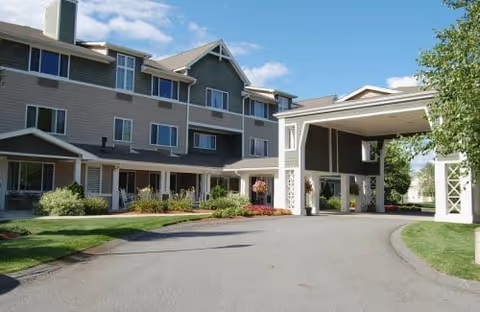
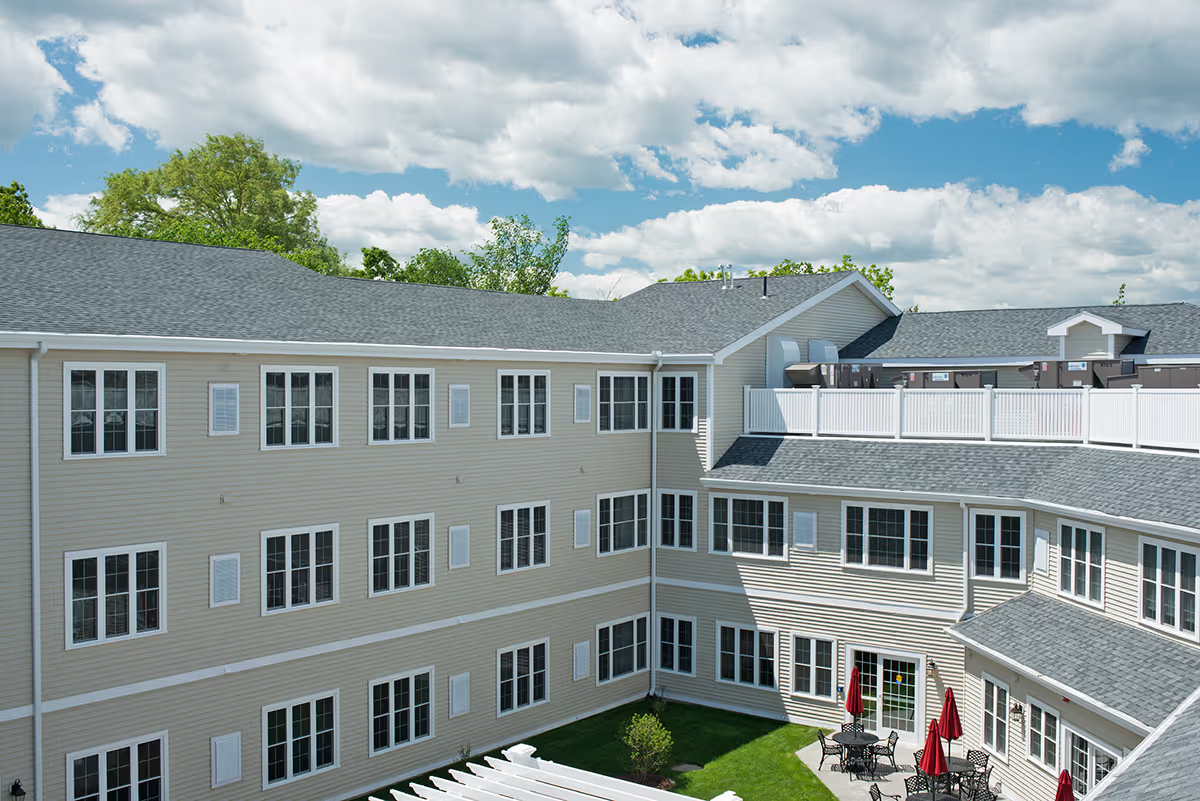
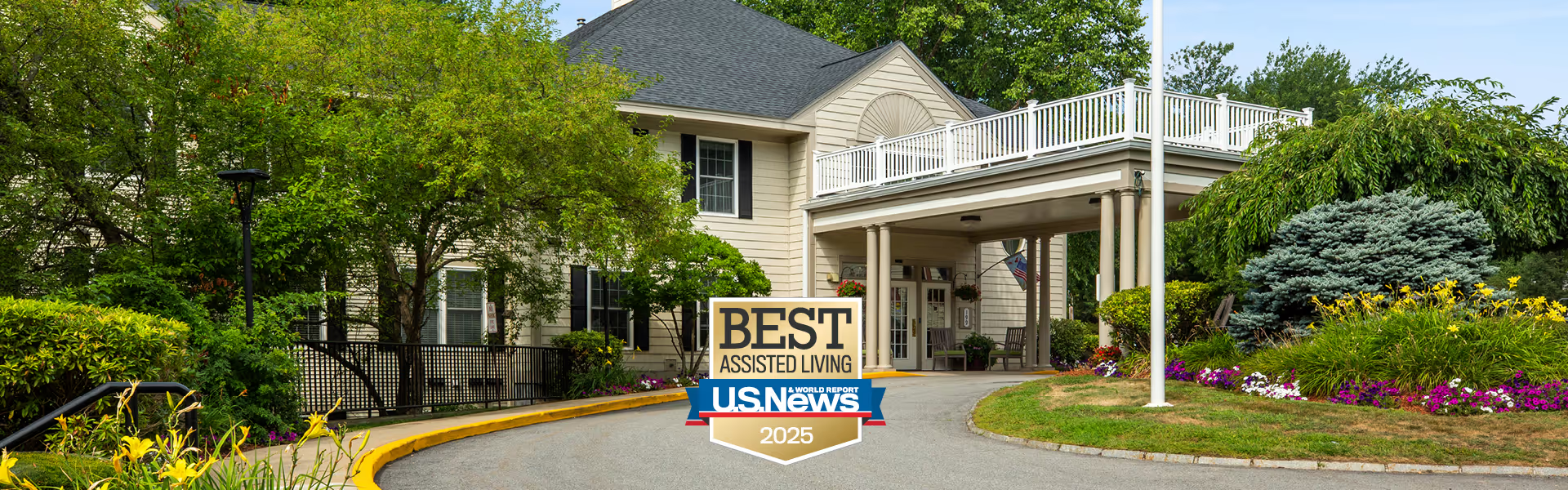
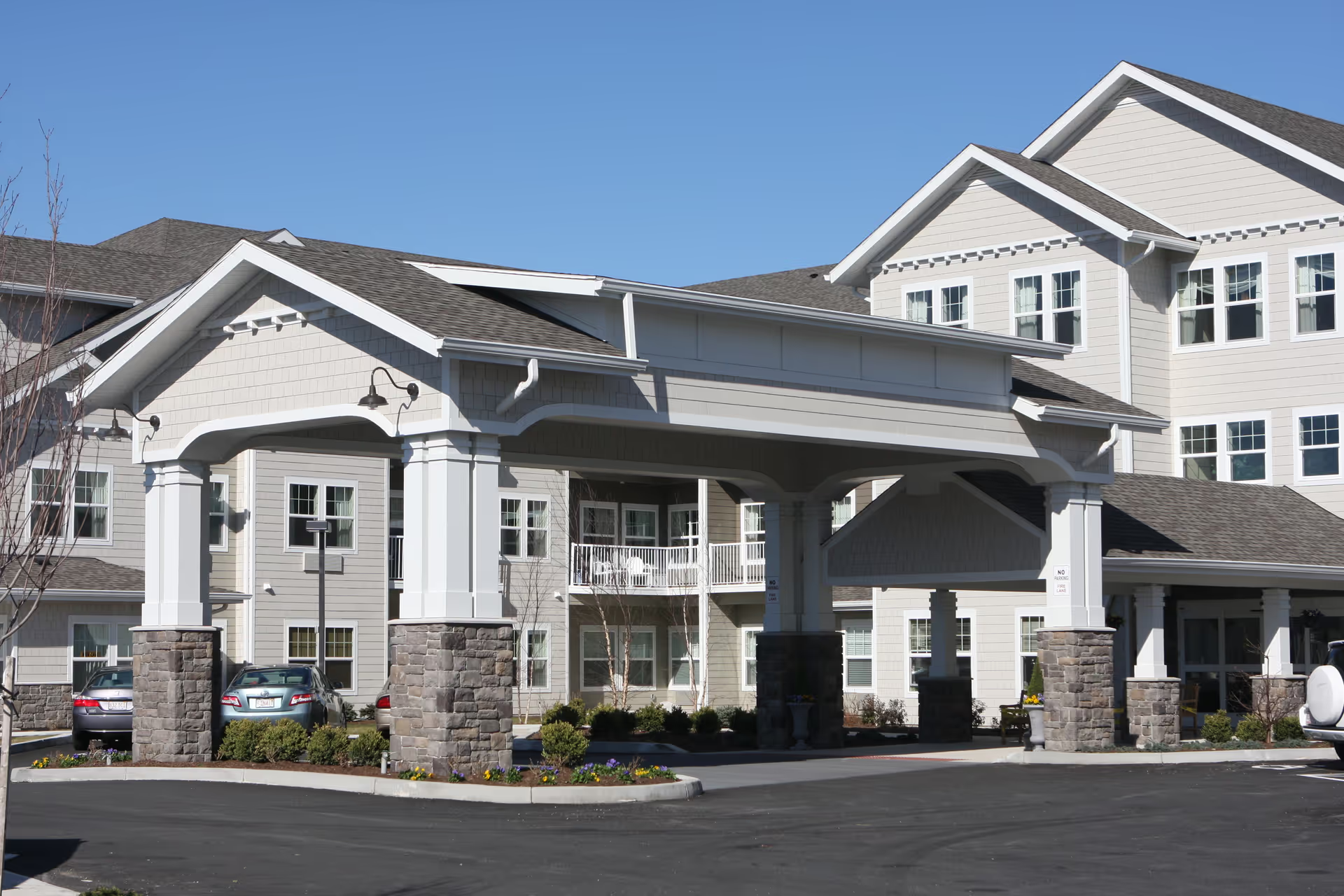
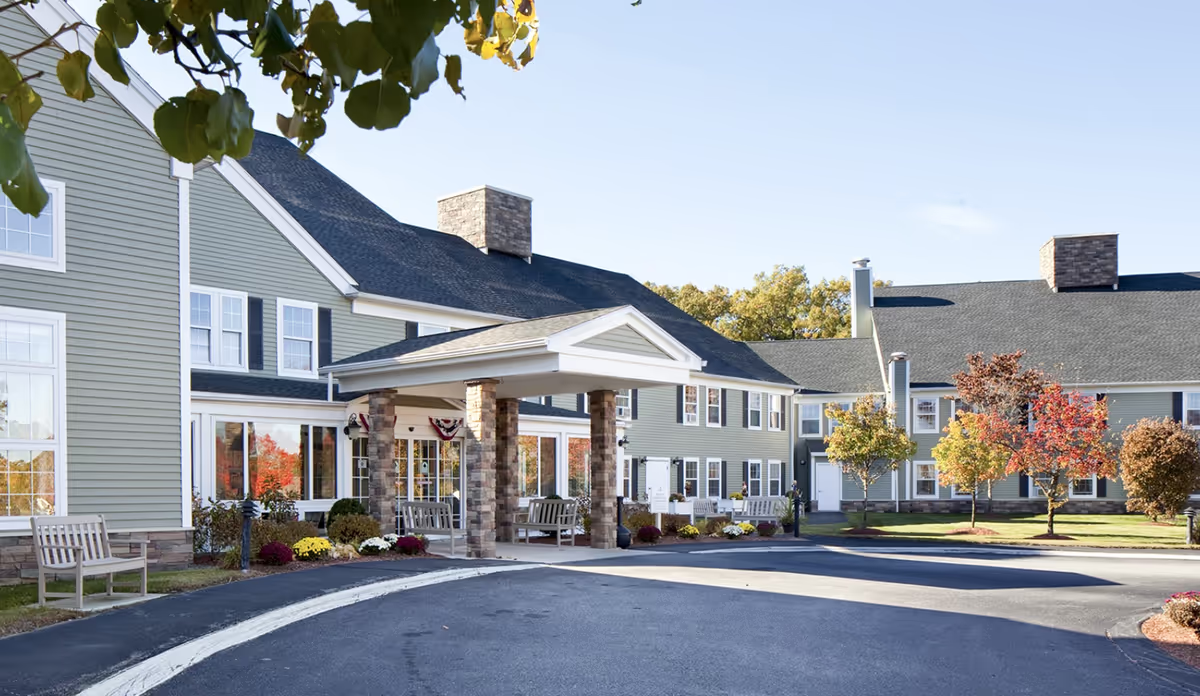
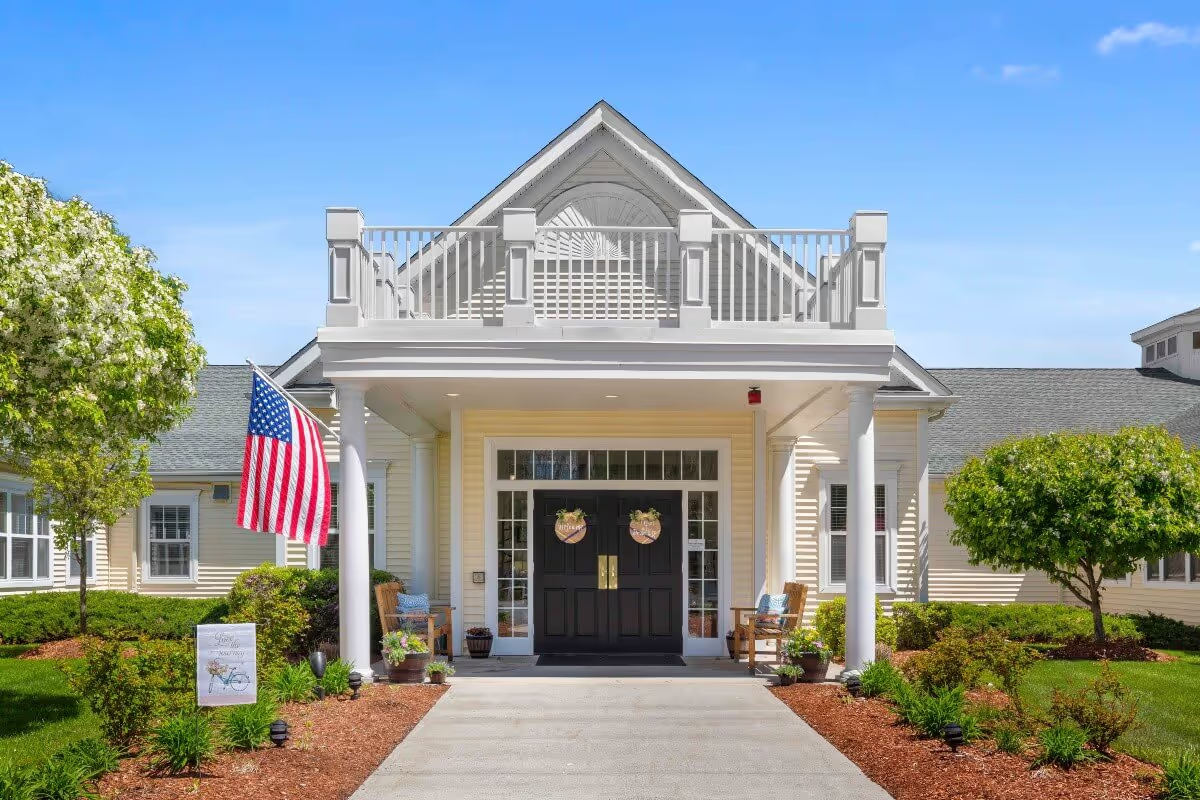
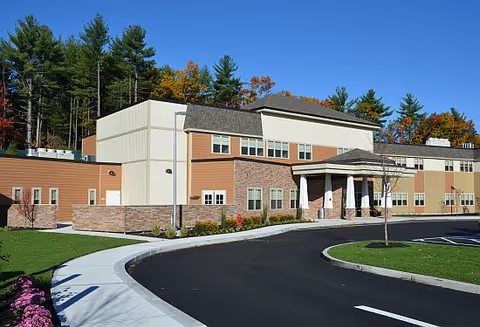
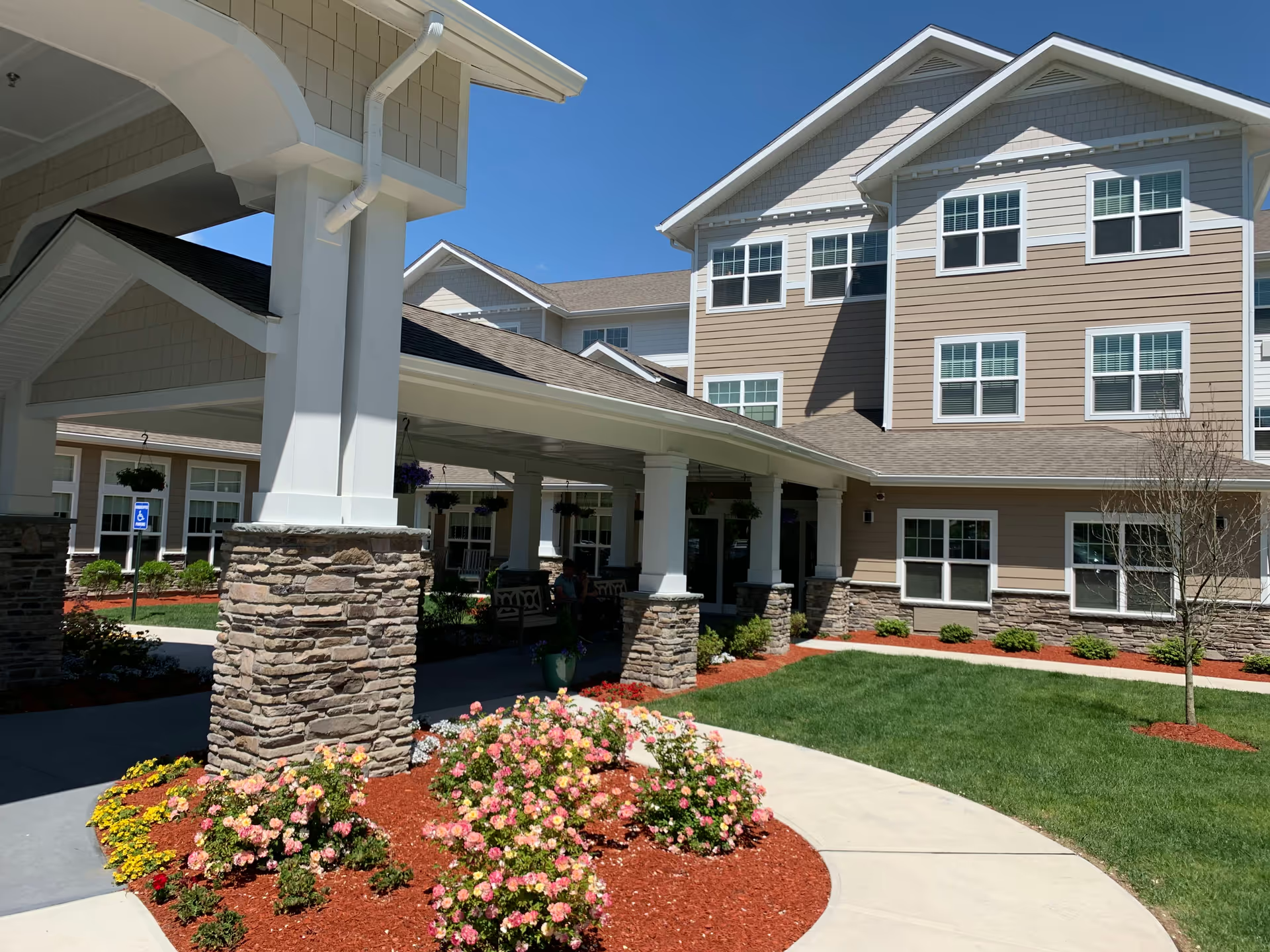
Belvidere Healthcare Center elicits strongly mixed impressions. Many families and residents praise the direct-care staff, therapy team, and certain administrators for compassionate, attentive care and rehabilitation outcomes. Positive comments cluster around a warm, family-like culture among CNAs and nurses; a visible therapy/rehabilitation program that supports recovery; regular social programming (bingo, music, cooking classes, karaoke, cookouts, pastoral visits); and pleasant outdoor areas and gardens that residents enjoy. Multiple reviewers also described a clean, well-kept interior and staff who assist reliably with activities of daily living and personal care when staffing permits.
Conversely, a number of operational weaknesses appear repeatedly. The most serious themes concern medication-management and infection-prevention practices: reviews raise issues with medication handling, misadministration, and controls for correct patient identification. There are also recurring complaints about inconsistent responsiveness to call bells and delays in escalation or hospital transfer, particularly during nights and emergent situations. Several comments point to wound-care and skin-integrity management gaps, which families identify as affecting clinical outcomes. Facility housekeeping and groundskeeping practices are uneven in places, and some reviewers note maintenance delays.
Staffing and culture-related concerns are another notable pattern. Some families report short staffing, turnover, and deficiencies in human-resources management that appear to affect consistency of care and staff tone. Others, however, describe specific leaders and staff members as engaged and effective; a subset of reviewers credits newer management with noticeable improvement. Communication with families during incidents is a repeated area of concern, including delays in notifying relatives and unclear incident escalation processes.
Dining and nutrition receive mixed comments: social meals and cookouts are appreciated, but there are observations about restrictive or inconsistent dietary practices that may affect individual nutrition. The activities program is widely cited as a strength and contributes positively to resident quality of life. Technology and online access for families are limited according to some reviewers, which can complicate remote communication and record access.
Finally, a small number of reviewers describe severe individual incidents that prompted external inquiry and significant family concern. Those accounts underscore the importance of asking specific questions during a tour: inquire about medication-safety protocols, wound-care and pressure-injury prevention, call-bell response times, staffing ratios at different shifts, infection-control policies, maintenance turnaround, and how the facility communicates with families after clinical events. Prospective residents and families will likely find strengths in the therapy, activities, outdoor spaces, and many engaged caregivers, but should balance those positives against the operational weaknesses noted above and confirm current performance and corrective actions during an in-person visit.