The reviews paint a mixed picture of CareOne at Lowell. Many families and residents describe genuinely caring, attentive front-line staff, strong one-on-one relationships, and consistent therapy oversight that supports rehabilitation and memory-care programs. Positive accounts highlight individualized attention, engaging activities that promote resident purpose and community ties (including faith-based or volunteer opportunities), and high-quality dining for some residents. Those experiences correspond to strengths in daily clinical coordination, on-site therapy, and compassionate caregiving.
At the same time, a number of operational concerns recur across reviews. Staffing levels and consistency appear uneven; reviewers describe delays in routine care tasks, inconsistent bathing and personal-care assistance, and stretched staff during busy periods. Relatedly, there are multiple claims pointing to gaps or delays in medication handling and in coordination for off-site physician appointments, which suggest weaknesses in clinical follow-up and medication-management processes. Some accounts also raise serious concerns about staff conduct and communication tone toward residents and families, which can affect perceived quality of care and family confidence.
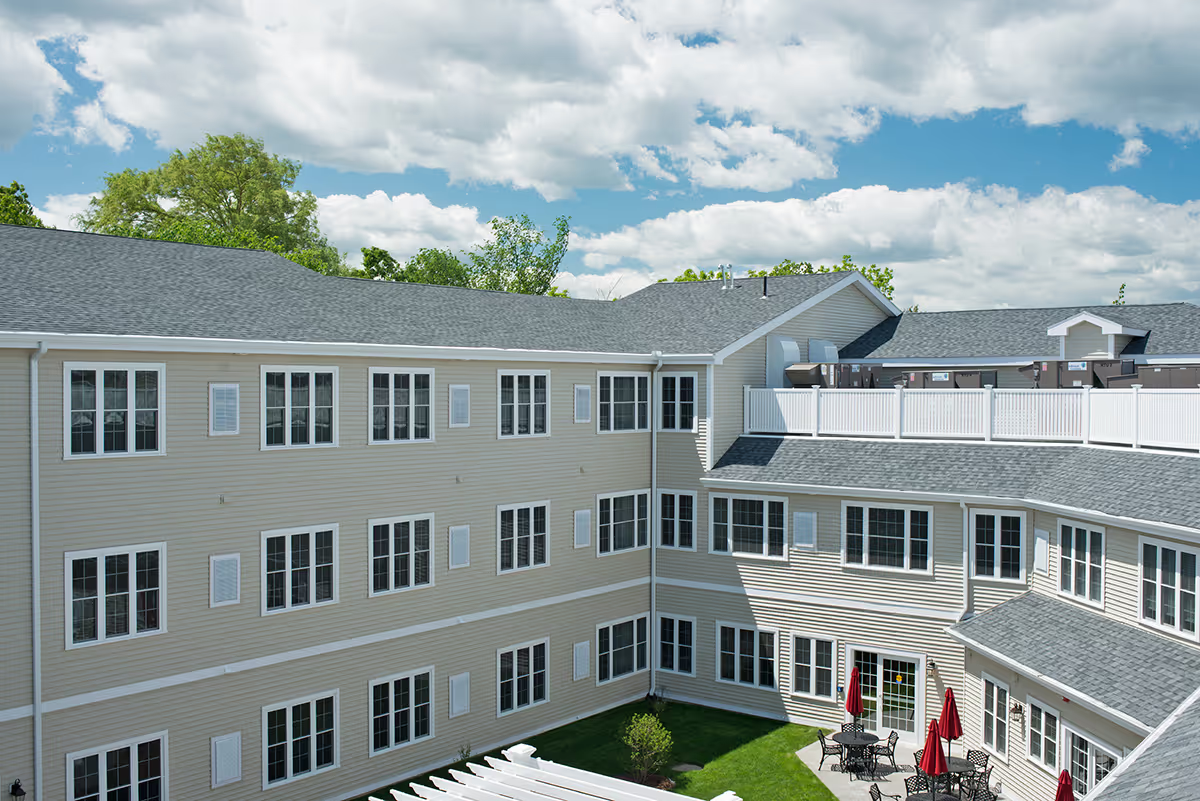
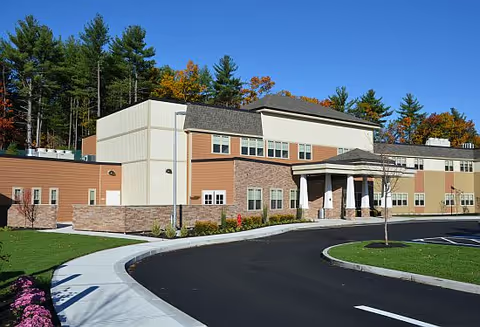
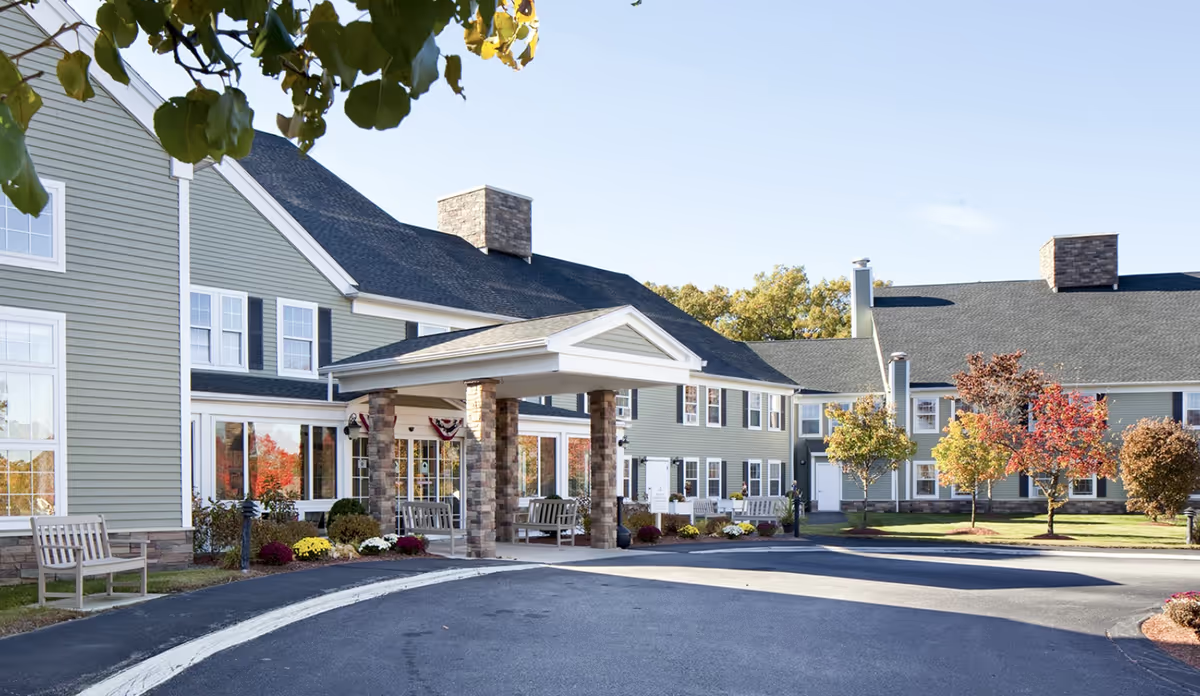
Facility- and environment-related issues are also mixed. Several reviews praise clean and well-maintained areas and courteous staff, while others identify sanitation and odor concerns in certain common areas and rooms, an aging physical plant with outdated room configurations, limited natural light in some units, and accessibility/ADA shortcomings. Operational friction points such as phone-system bottlenecks and inconsistent housekeeping or laundering contribute to variable impressions of the physical environment.
Management and administrative processes are an additional area of concern. Reviewers cite billing delays, financial-administration problems, and limited support navigating Medicare/Medicaid — in some cases requiring outside assistance. Several comments question the effectiveness of social-work and nursing leadership, indicating variability in oversight, complaint resolution, and responsiveness to families. There are also specific references to unsafe or inconsistent transfer techniques and other procedural lapses that prospective families should inquire about directly.
Given the polarized feedback, an in-person visit is advisable. Prospective residents and families should observe staffing levels on the unit, ask for current staffing ratios and training protocols, request documentation about medication-management policies and transfer procedures, tour multiple rooms and common areas to assess cleanliness and sunlight, and review the facility’s billing and insurance-assistance processes. Checking recent inspection reports and asking for references from current families can also help clarify whether the positive experiences or the operational concerns are more representative of current performance.