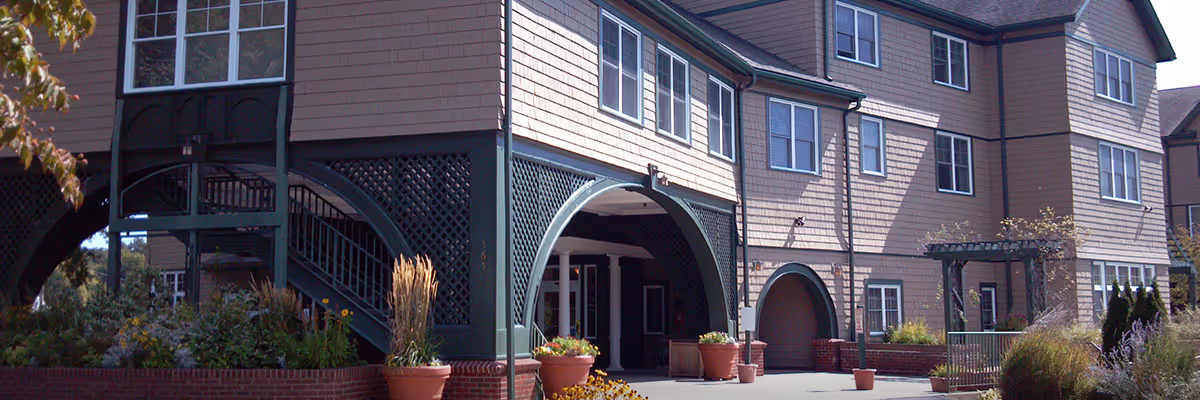
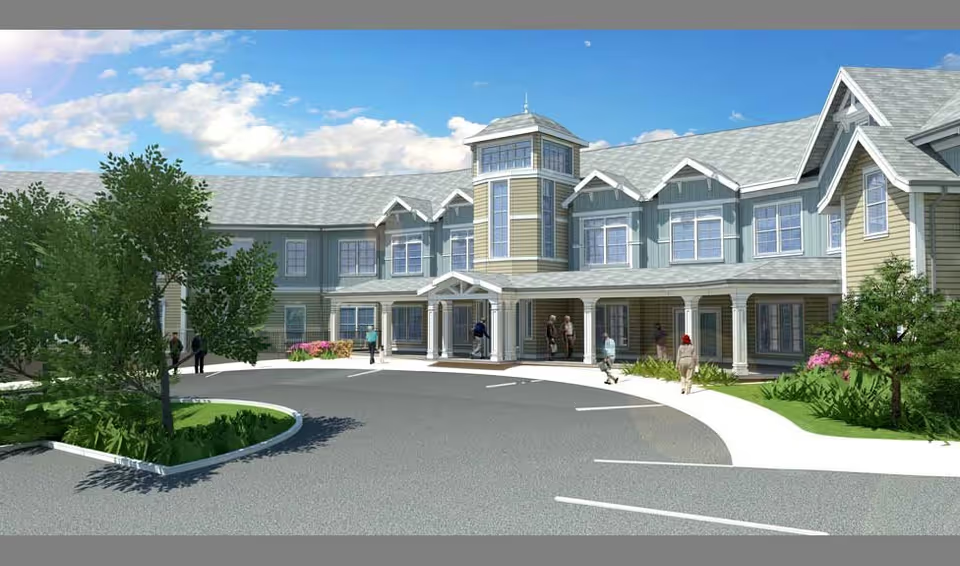
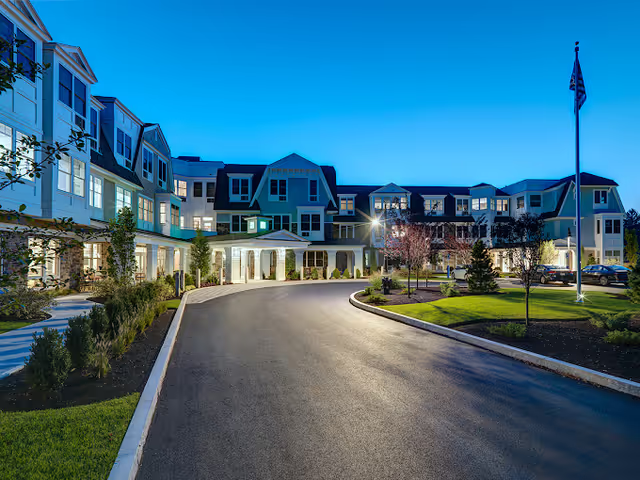
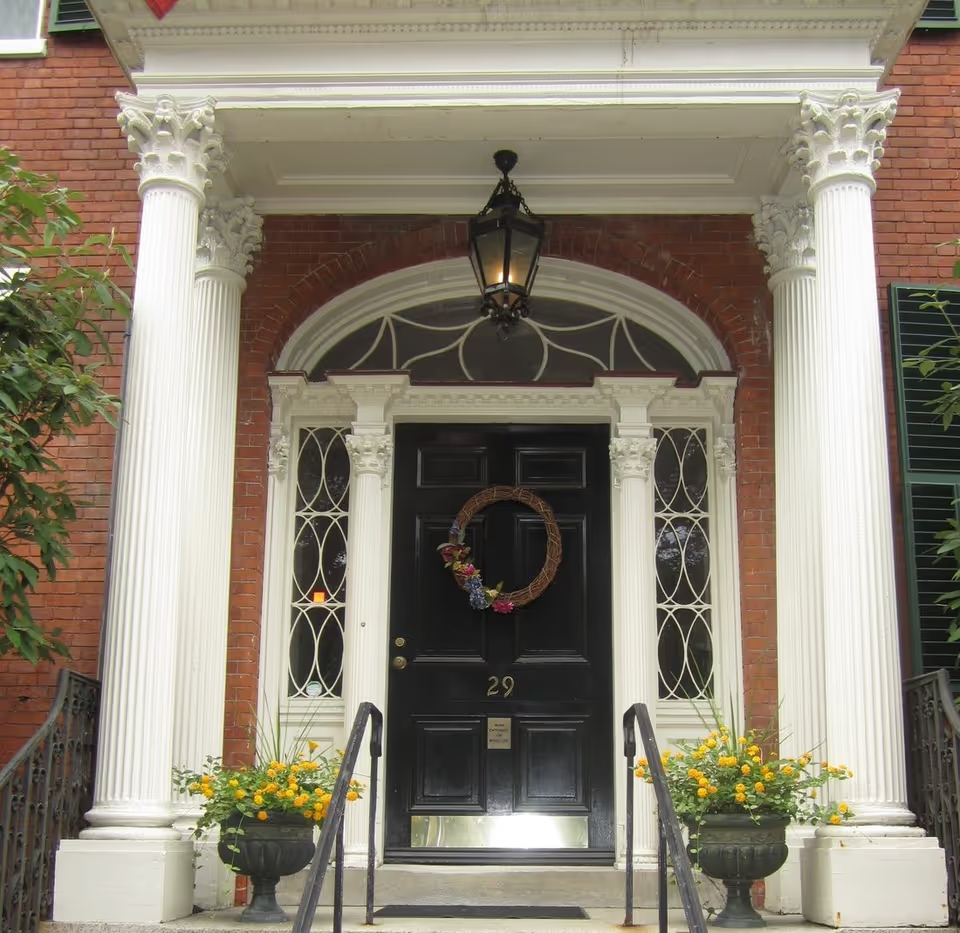
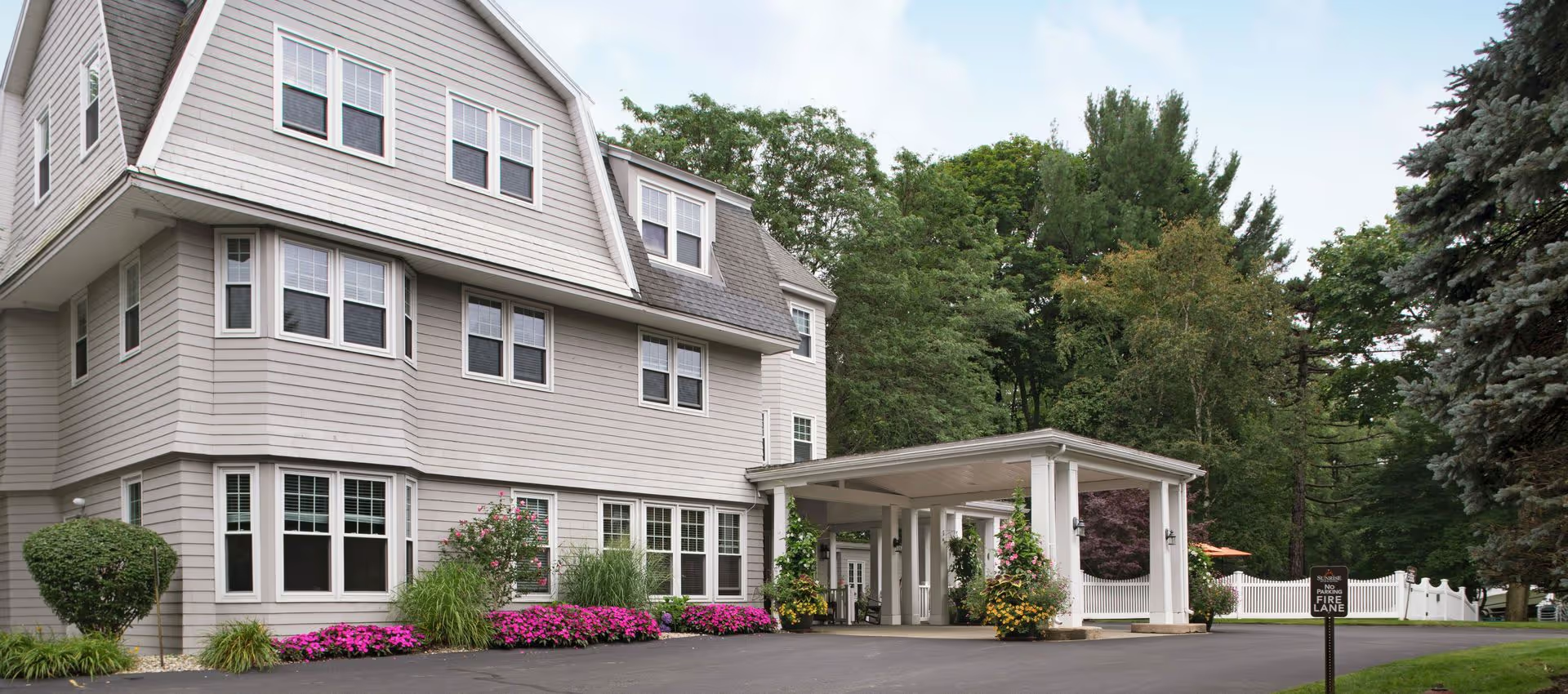
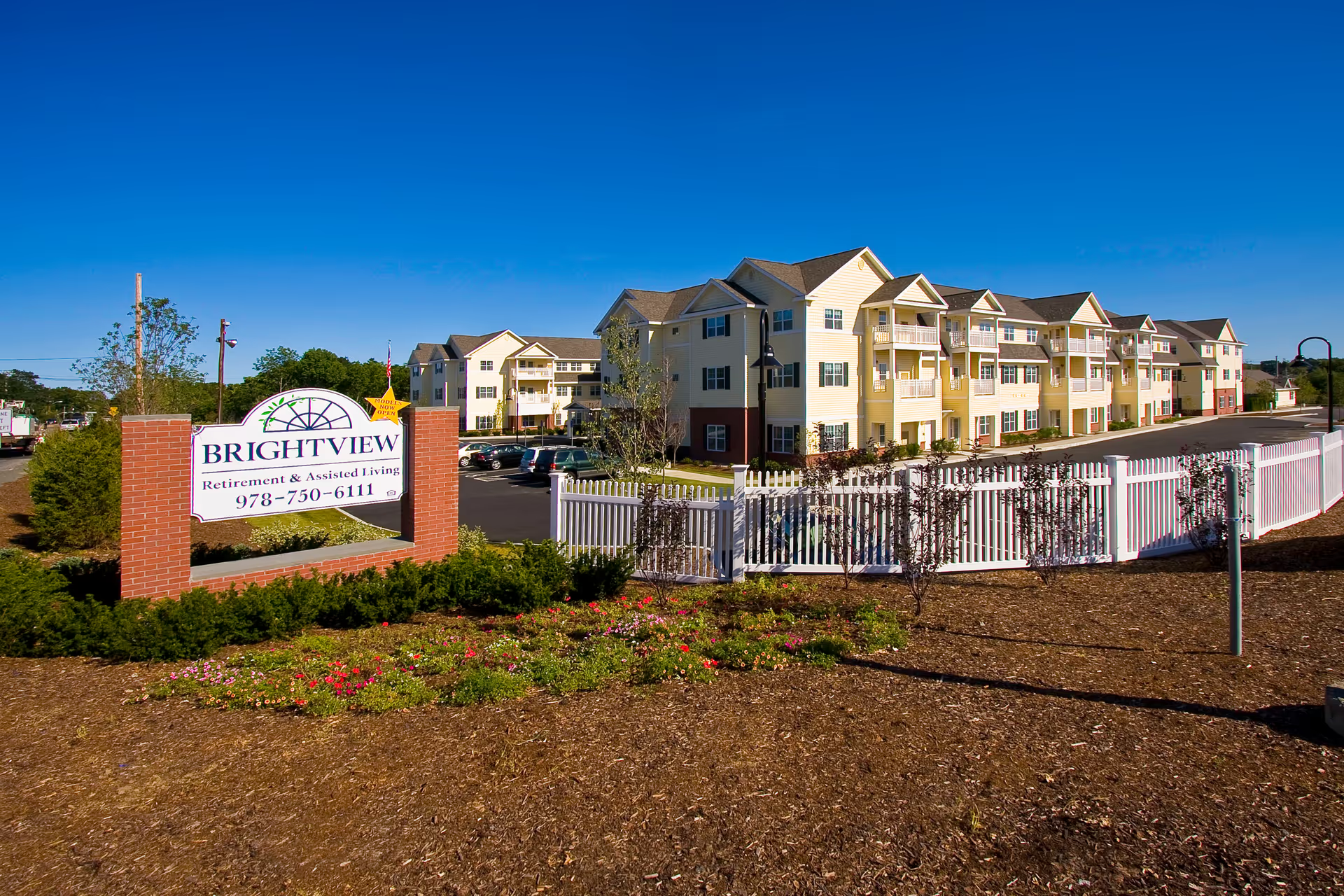
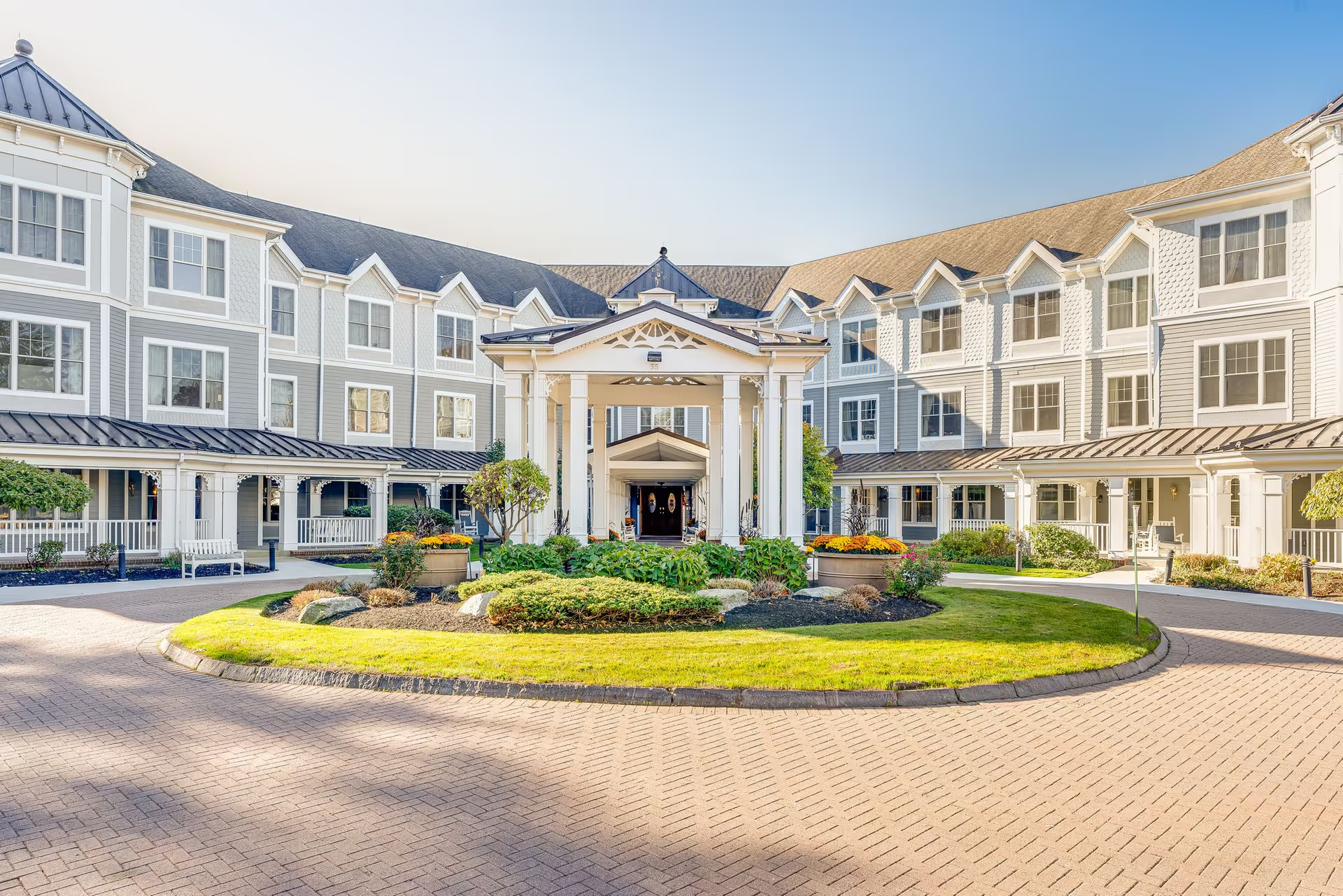
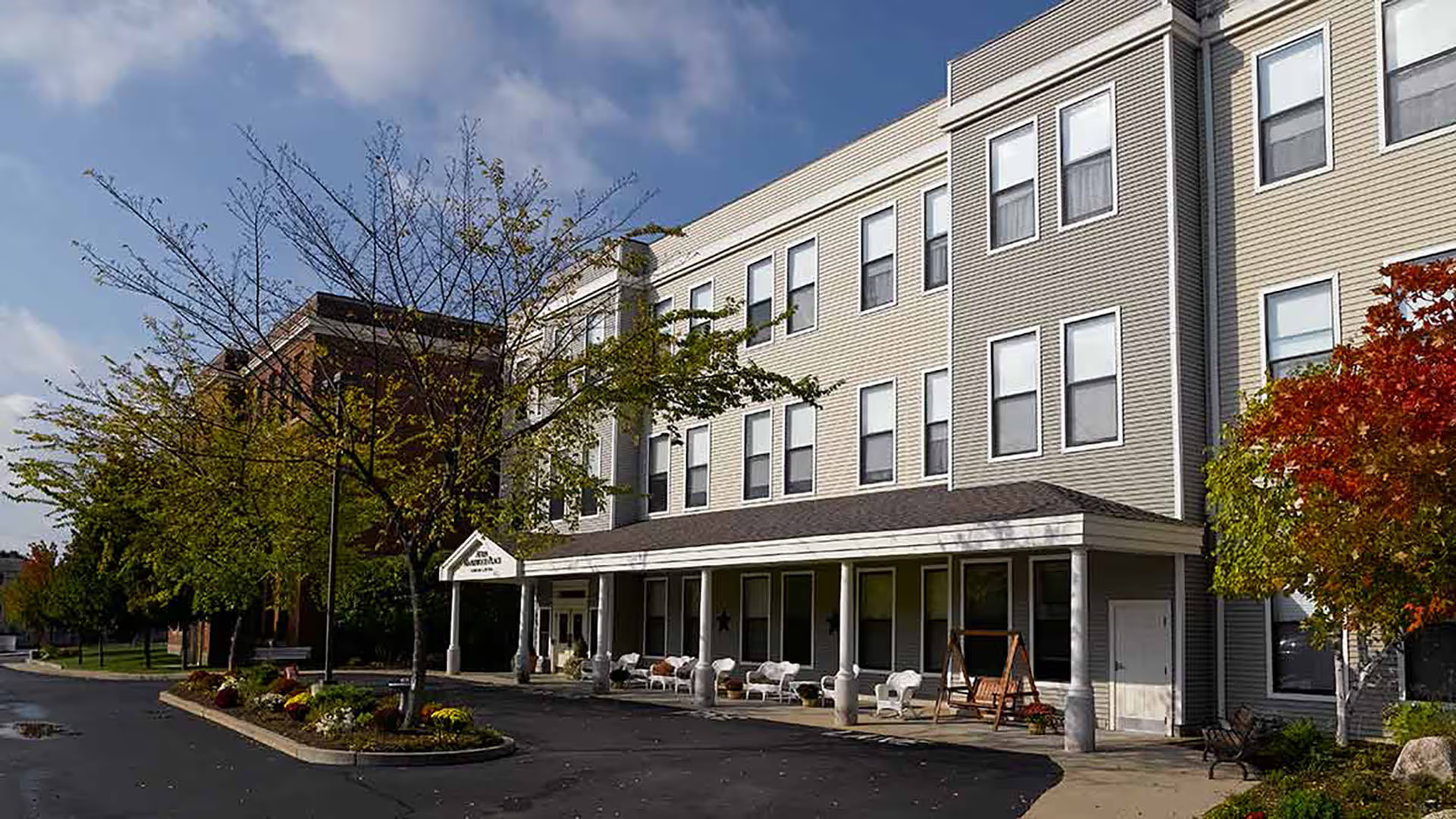
Life Care Center of the North Shore elicits a polarized set of impressions. Many families and residents highlight the facility’s clinical strengths: experienced, long-tenured staff, a strong rehabilitation program, and a cadre of nurses and aides described as compassionate and attentive. The building and grounds are frequently described as clean, bright, and well maintained, with enclosed patios, a courtyard and fountain area that residents and families appreciate. Admissions and front-desk staff, along with several individually praised employees, contribute to a welcoming first impression and ongoing family communication in a number of cases.
Care quality shows a split pattern. Positive reports emphasize effective rehabilitation outcomes, proactive nursing check-ins, consistent laundry services, and personalized attention from certain unit directors and case managers. Conversely, recurring operational issues include delayed responses to call bells, slow provision of routine assistance, and lapses in personal-care scheduling. Several accounts raise concerns about timeliness of medication administration and inconsistent adherence to physician-directed care plans, which suggests variability in clinical processes across shifts or units.
Dining and activities are generally favorable but inconsistent. The facility offers a variety of activities and special events (spa days, petting zoos, holiday programming) and some families note tailored meals and pleasant dining areas. At the same time, reviewers describe uneven meal quality, delayed or missed meal service at times, and differences in how dining is managed between units. Activity staff and events are seen as a clear asset when consistently supported by adequate staffing.
Facilities and operations present a mixed picture. Maintenance and grounds staff receive praise for keeping the facility attractive and for the courtyard/koi pond. However, several operational reliability issues are noted, including elevator outages, telephone wiring problems, locked doors after hours without clear staff presence, and alarms that are not consistently attended. Security and asset-control concerns, including allegations of valuables going missing, point to gaps in storage and accountability procedures rather than issues with the built environment itself.
Management and organizational culture emerge as notable themes. Positive experiences cite an open-door administration, collaborative case managers, and award-winning employees who go beyond their roles. Negative experiences focus on inconsistent management follow-through, insufficient incident reporting, and variable responsiveness when families raise concerns. A small number of serious individual claims—including alleged financial coercion and missing personal items—appear among the reviews; these items suggest that prospective families should examine contract processes and asset-protection practices closely.
Overall pattern: the facility demonstrates clear strengths in rehabilitation, several consistent caregiving relationships, and an appealing physical environment with a robust activities program. The principal liabilities are operational and systemic: staffing variability, slow response times, inconsistent clinical process adherence, occasional meal-service interruptions, and gaps in incident accountability and physical-plant reliability. Prospective residents and families should weigh the facility’s rehabilitation and activity strengths against the operational variability described here, and when touring or interviewing staff ask specific, measurable questions about staffing ratios by shift, call-bell response expectations, medication-administration protocols, incident-reporting practices, and secure storage for valuables.