Across the reviews, Briarwood Rehabilitation & Healthcare Center presents as a facility with strong rehabilitative capabilities and many frontline staff who are experienced and caring. Physical, occupational, and speech therapy receive frequent praise; several families described rapid functional gains, use of advanced equipment, and effective therapist–patient interactions that led to timely discharges. Social work and case-management staff are often called out for helpful coordination, and some clinical leaders (nurse managers, wound-care nurses) drew positive attention for responsiveness.
Staff quality is a clear mixed pattern: numerous reviews emphasize compassionate, attentive nurses and CNAs who provide individualized support, while other accounts describe staff who are overworked, variably professional, or slow to respond—particularly on evenings and weekends. Call-light response times and availability of direct hands-on assistance show variability across shifts. Several reviewers noted excellent single-staff interactions (including admissions, reception, and a handful of standout aides and therapists), but also described inconsistent behavior and communication tone from others.
Dining and activities are generally strengths, with a functioning dining room, family-meal options, substitutions, and a robust recreation program that emphasizes inclusive events for memory-care residents. Many reviews praised themed events, music, and efforts to engage residents. At the same time, food-service quality and consistency are variable: reviewers described fluctuations in temperature, serving times, and menu tailoring for special diets, and some families felt feeding assistance was delayed or inconsistent.
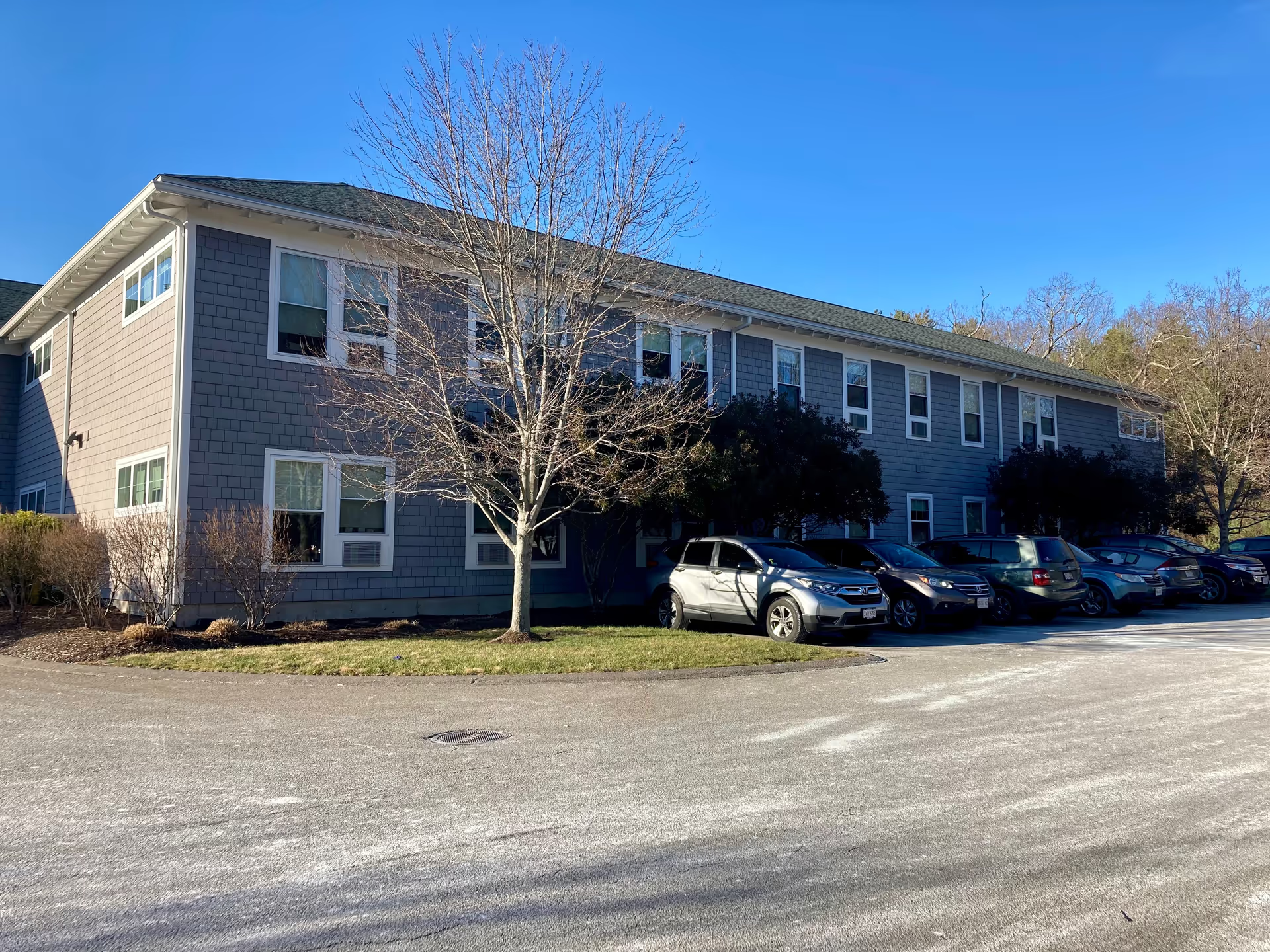
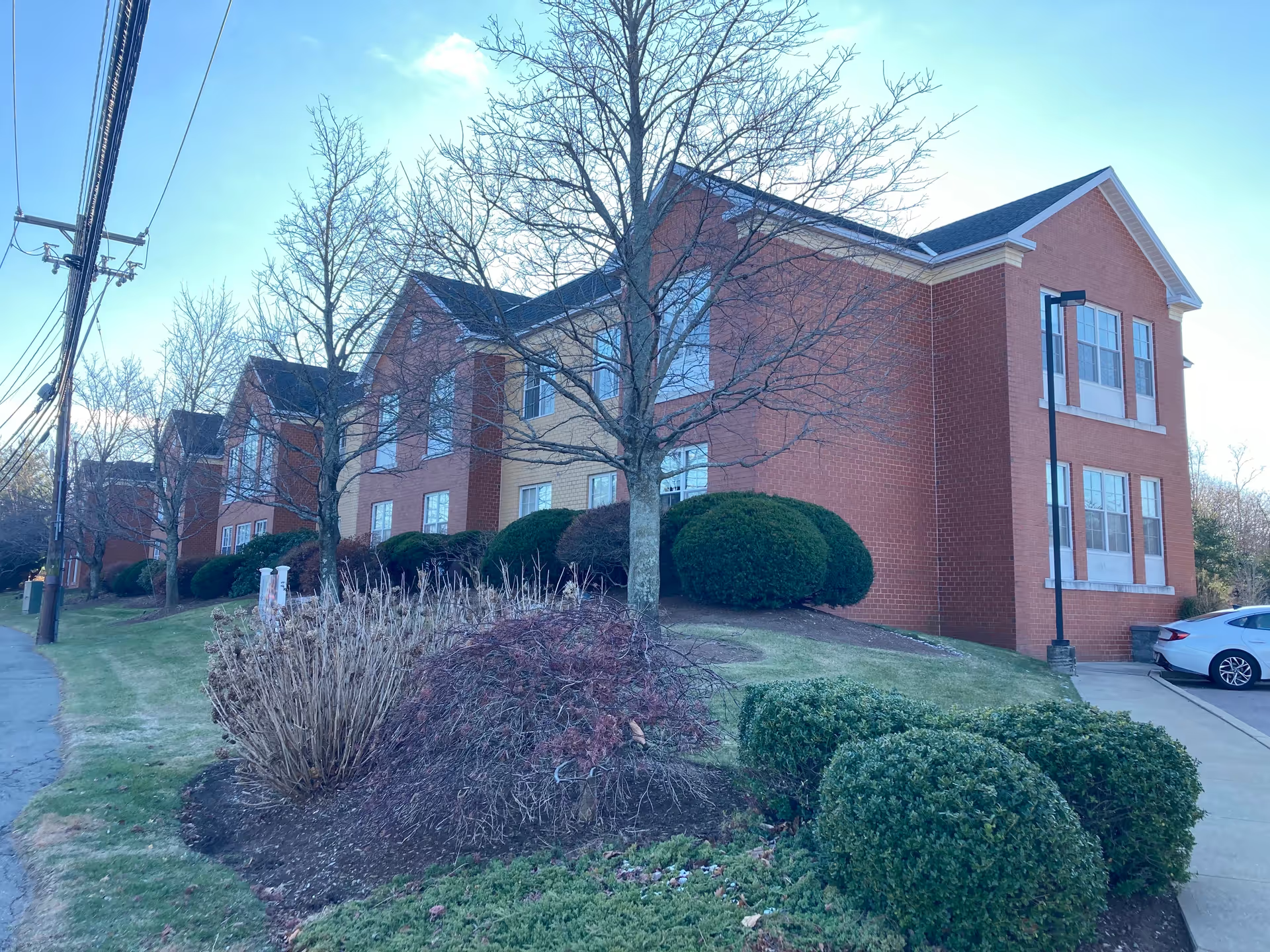
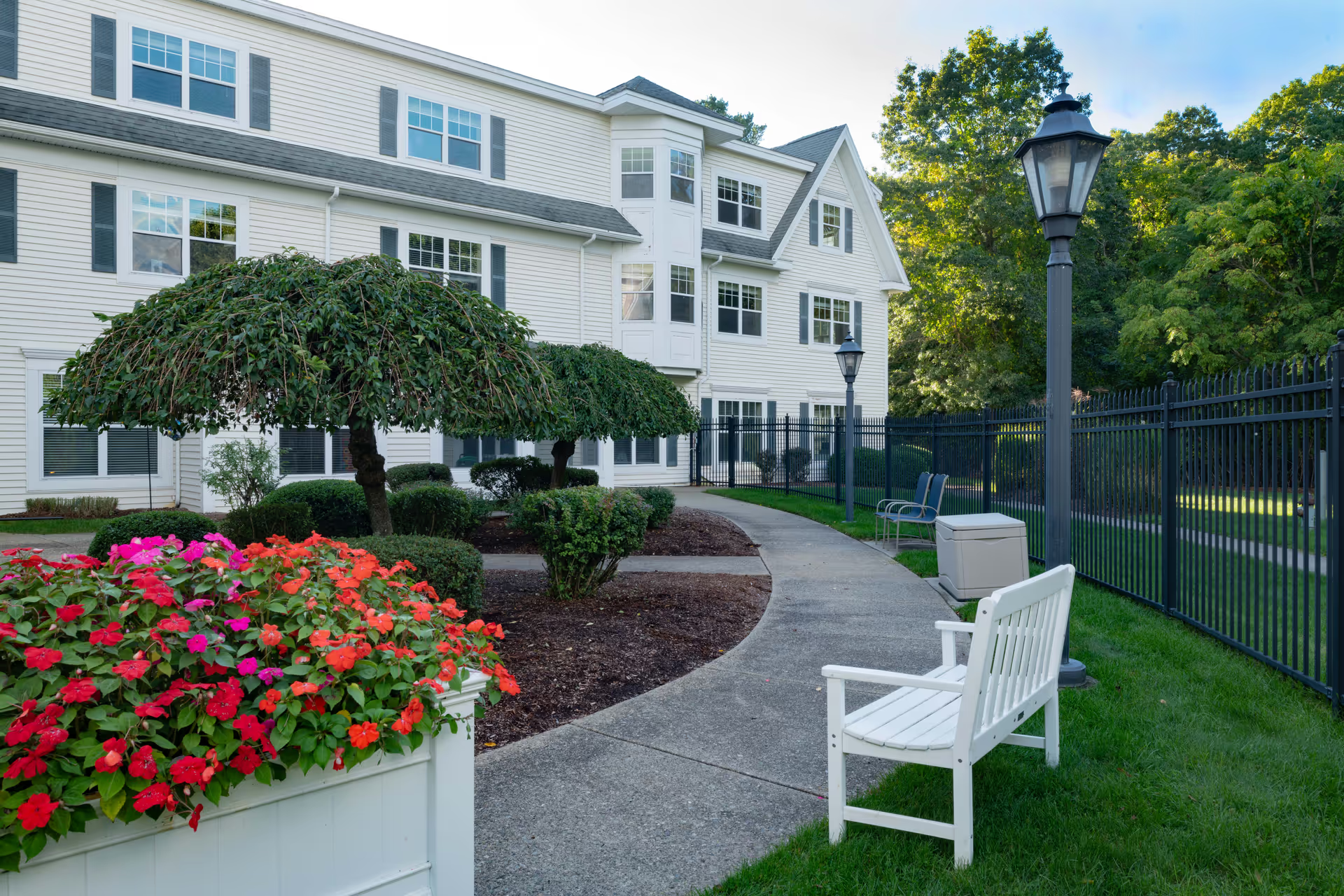
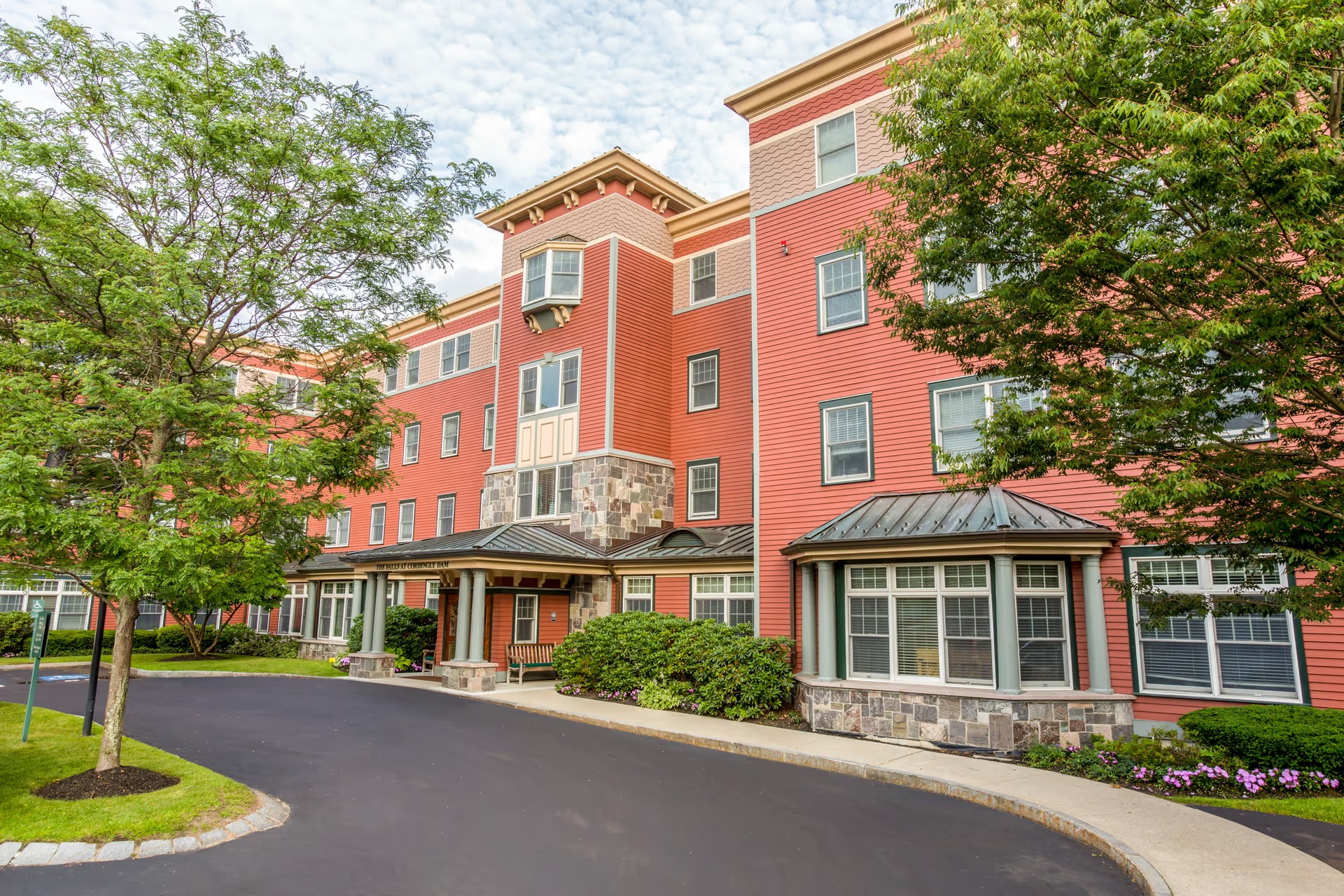
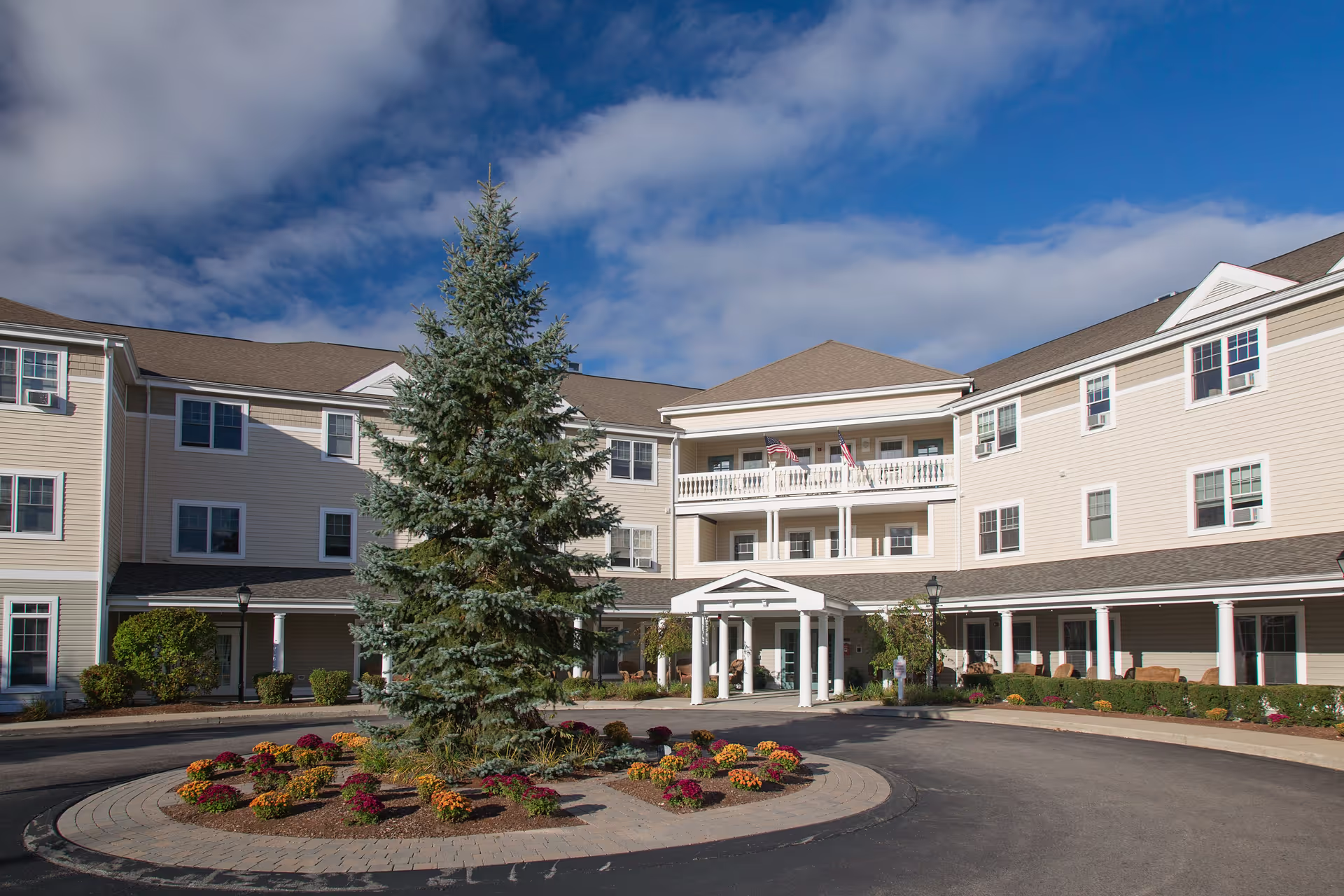
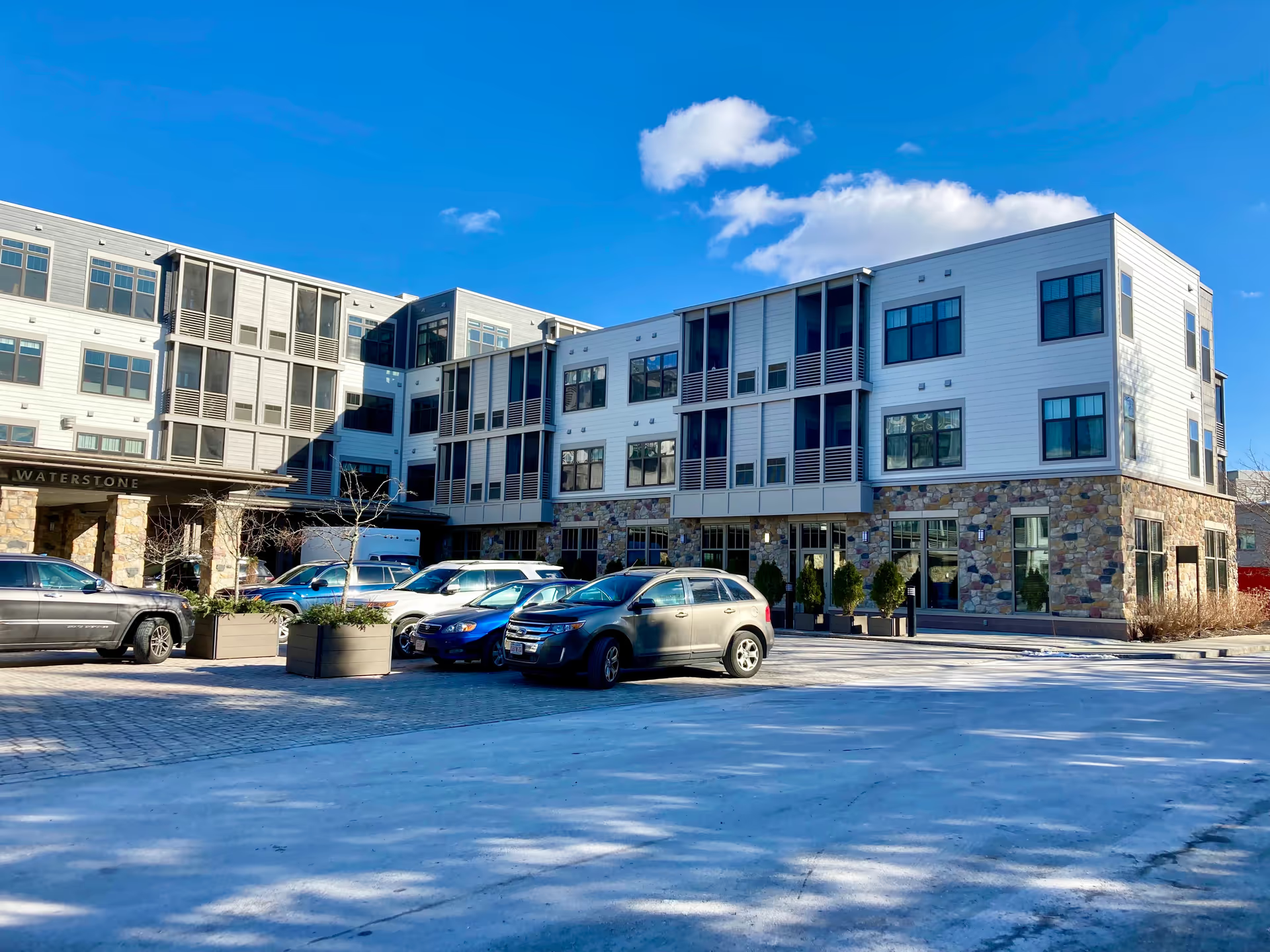
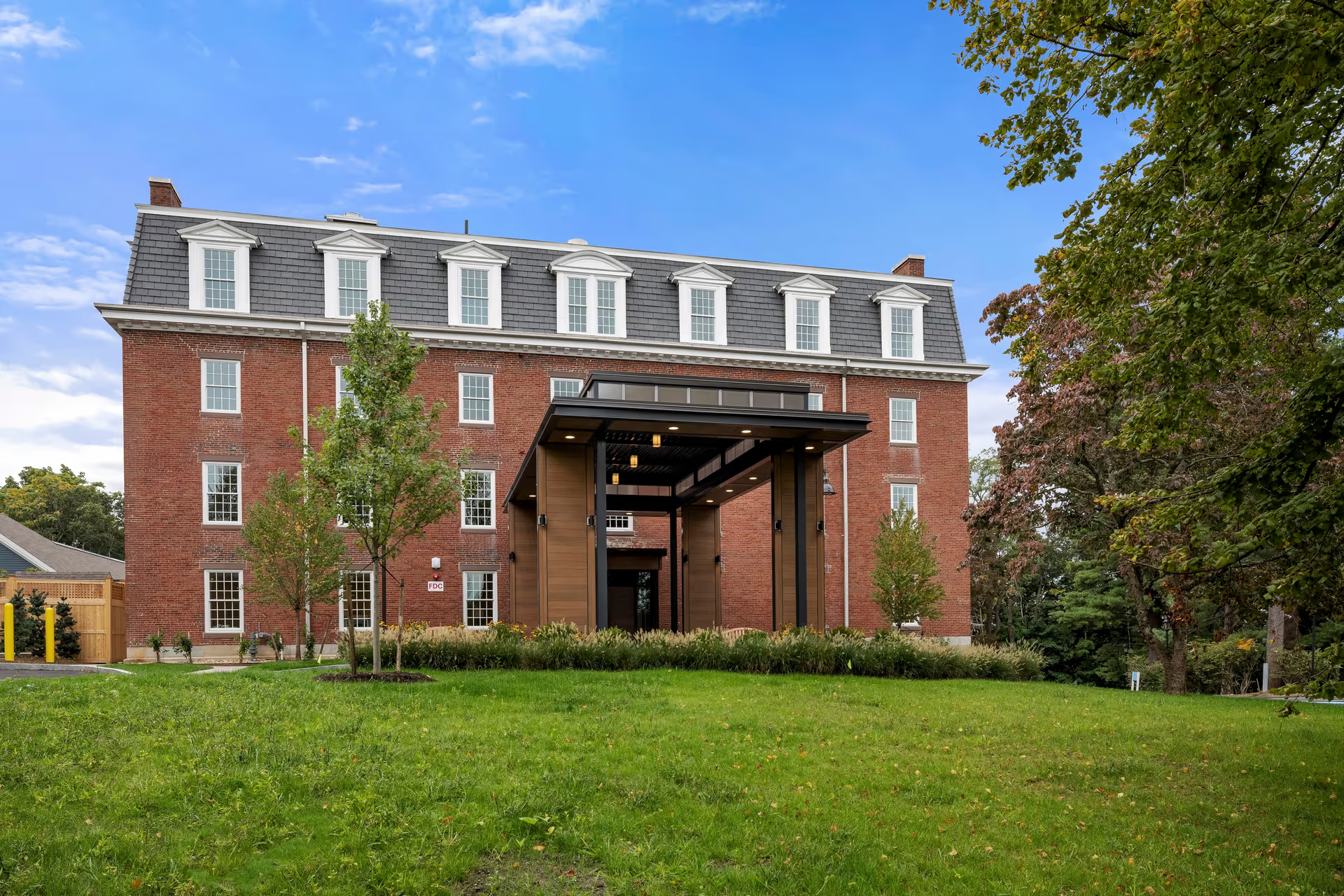
The facility itself shows contrasting features. Parts of the building are clean, remodeled, and well-kept, with pleasant communal spaces (library, sunroom, patio). However, the facility is also described as older in layout: double-occupancy rooms can be very small with limited natural light, shared bathroom arrangements reduce privacy, and hallway crowding is reported. Reviewers flagged maintenance and equipment issues such as HVAC failures, broken lifts, and delayed repairs, which contributed to concerns about comfort and reliability.
Operational and management themes recur in the feedback. Understaffing and reactive staffing patterns are commonly cited, producing delays in routine assistance and variable coverage on weekends. Communication gaps appear between facility clinicians and outside physicians, and some families experienced inadequate clinical follow-up after discharge or during complications. There are also reports suggestive of lapses in sanitation processes and incontinence-care timeliness in certain cases; these accounts raised family concerns about infection risk and wound healing, prompting readmissions for some residents.
In summary, Briarwood offers substantial rehabilitative strengths, engaged therapy teams, and many caring staff members and programs that benefit residents—especially for short-term rehab stays. Prospective residents and families should balance those strengths against recurring operational issues: ask specifically about current staffing ratios, weekend therapy availability, room configurations (private vs. shared), maintenance protocols, incontinence-care procedures, and the facility’s process for family communication and physician coordination. A targeted tour and direct questions about shift coverage, emergency response, and recent maintenance activity will help clarify whether the facility’s strong therapy resources are matched by consistent day-to-day care and operational reliability for your loved one.