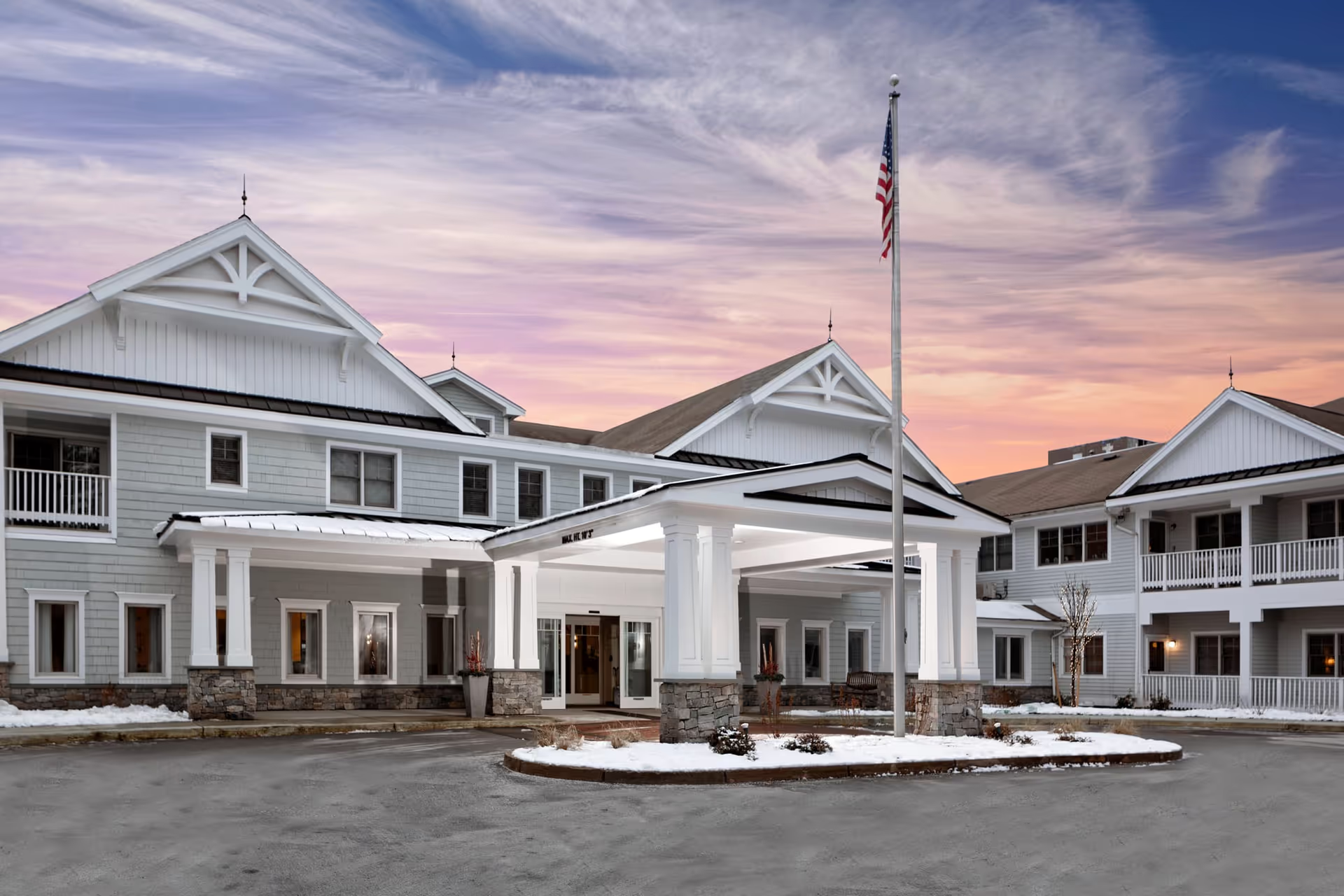
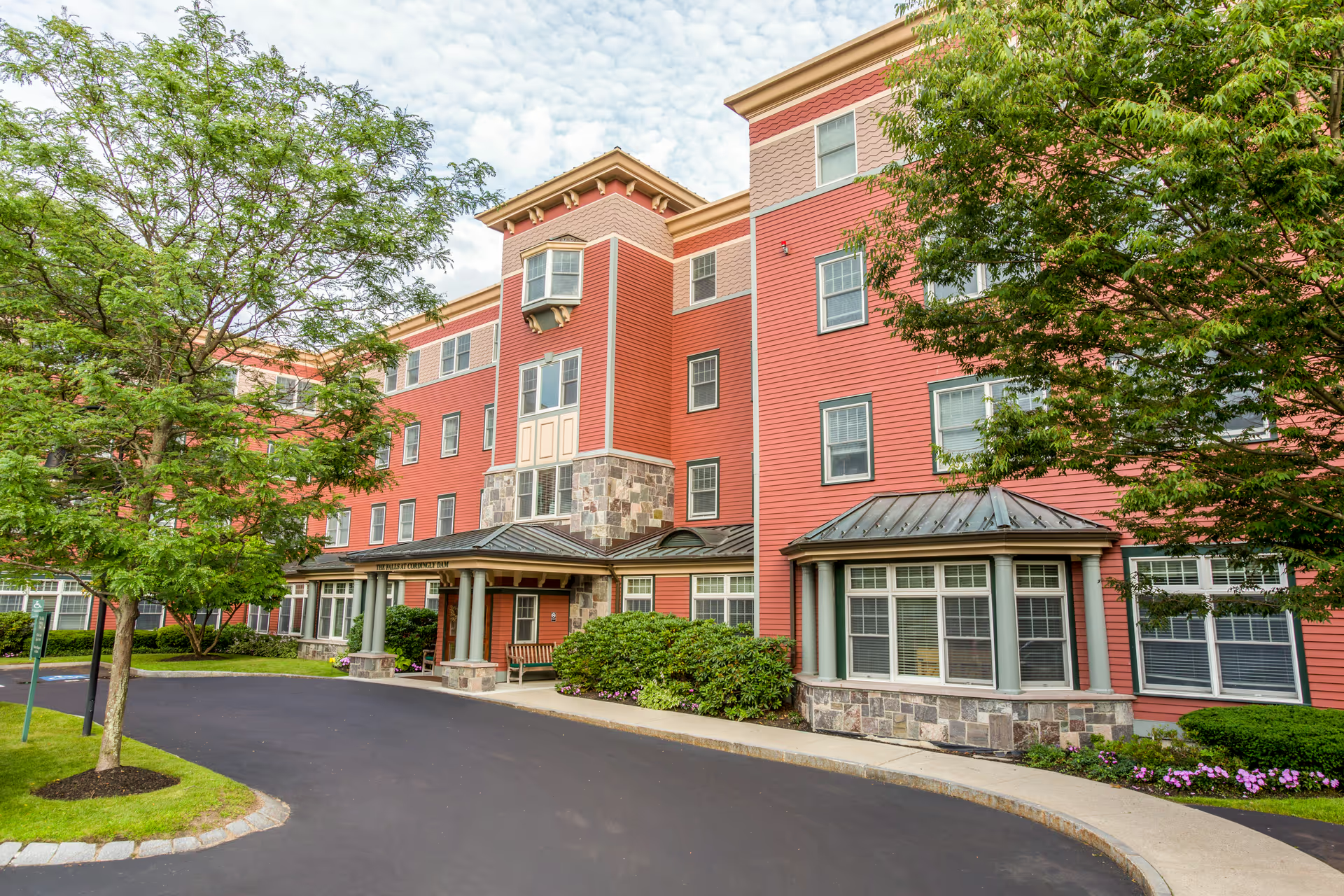
Lasell Village is described overall as a well-appointed, academically oriented continuing-care community with many operational strengths alongside notable areas for inquiry. Reviewers consistently praise the frontline workforce — nurses, CNAs, therapists and dining staff — and highlight strong short-term rehabilitation outcomes, particularly in orthopedic and physical/occupational therapy. The campus setting, integration with Lasell College programming, and an active calendar of classes, lectures and resident-run activities create a socially and intellectually engaging environment. Facilities and amenities (pool, cafe, gardens, light-filled apartments) receive repeated positive mention, as do private rooms, cleanliness and accessible transportation services.
Care quality is a central positive theme but shows mixed operational signals. Many families and residents commend compassionate bedside care, attentive therapy teams, effective discharge planning, and visible social-work support. At the same time, there are recurring concerns about responsiveness to call signals, variability in medication administration practices, and uneven nurse-to-resident staffing levels. Some reviewers described serious safety-related events and questioned clinical oversight; these accounts translate into broader concerns about safety-protocol implementation and the need to review incident-response procedures and family communication practices.
Dining and activities are strengths for many residents: reviewers cite a restaurant-style dining experience, diverse menus including special-diet options, and a wide range of classes and campus involvement. However, reviewers also describe variability in meal quality across services or shifts, suggesting operational inconsistency rather than a uniform dining experience. The educational affiliation with the college and the breadth of social and intellectual offerings are distinctive selling points that support engagement and community life.
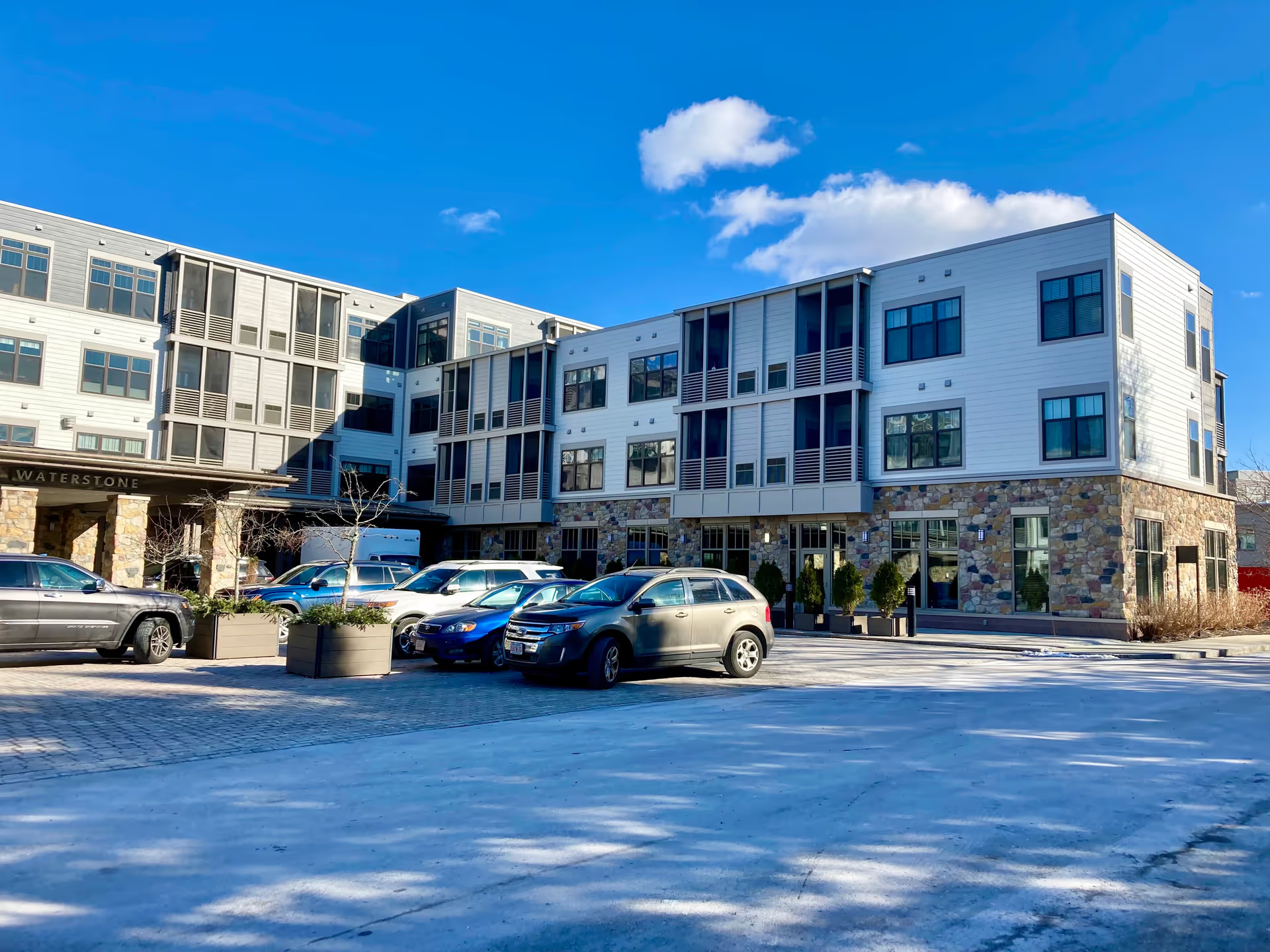
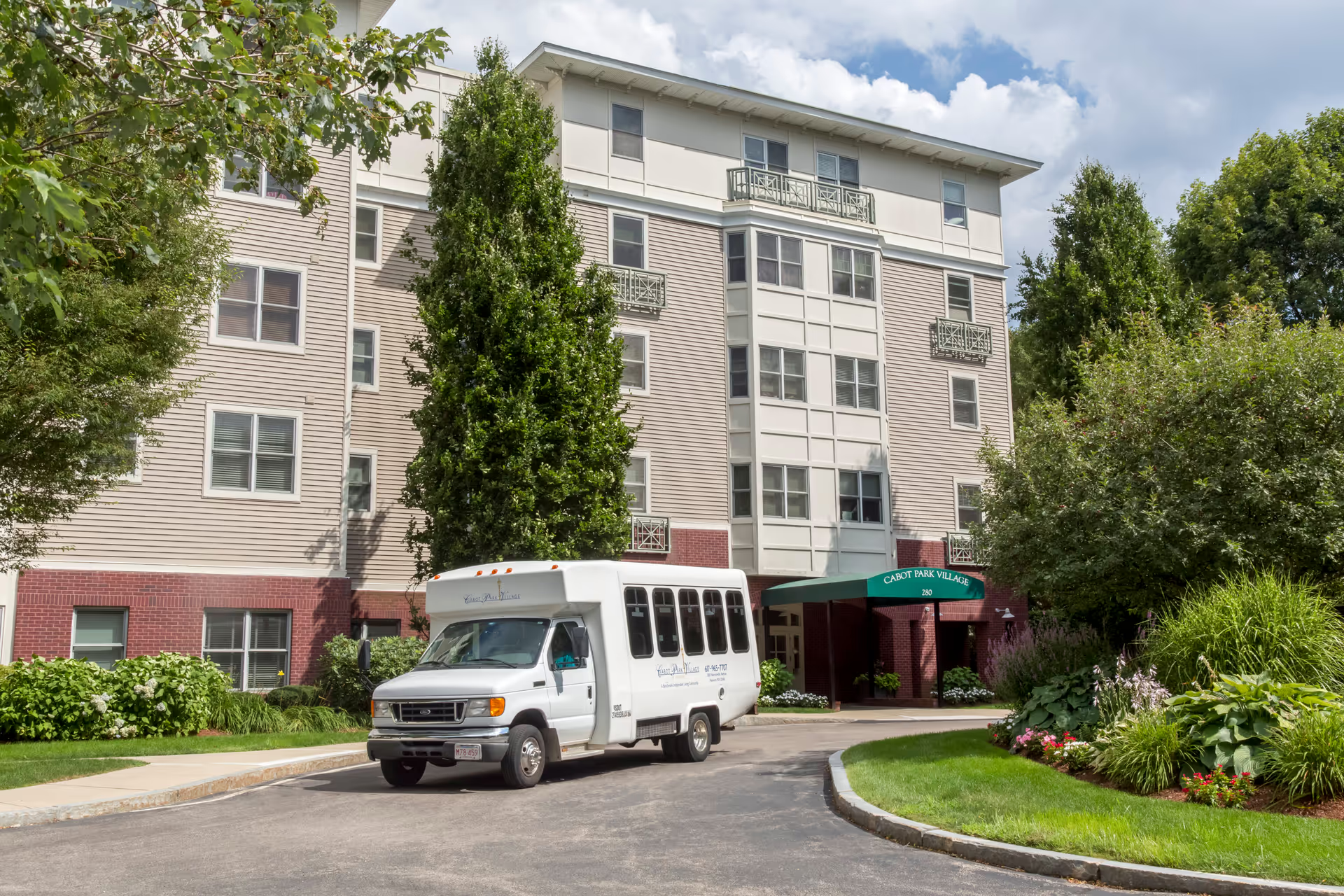
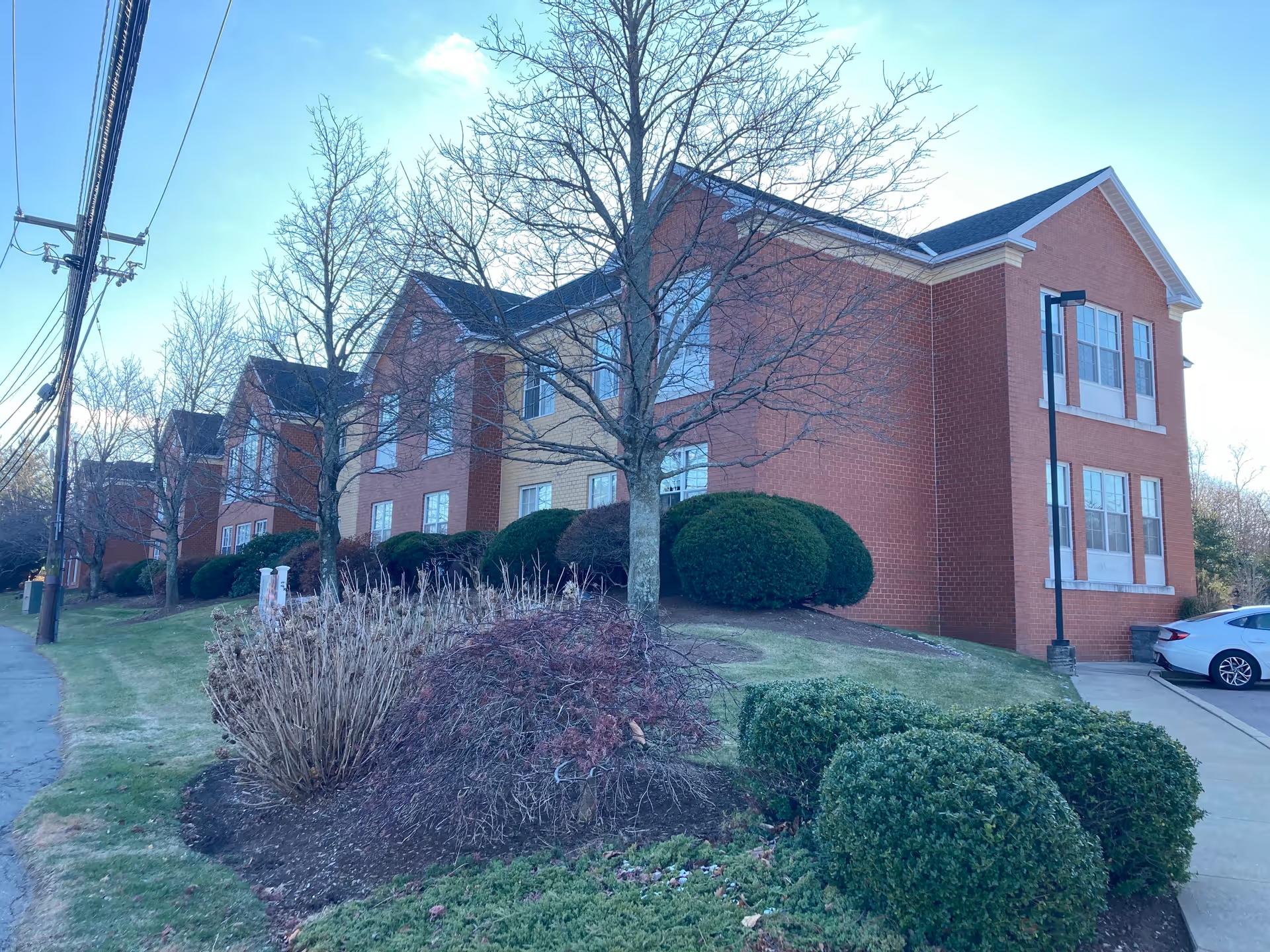
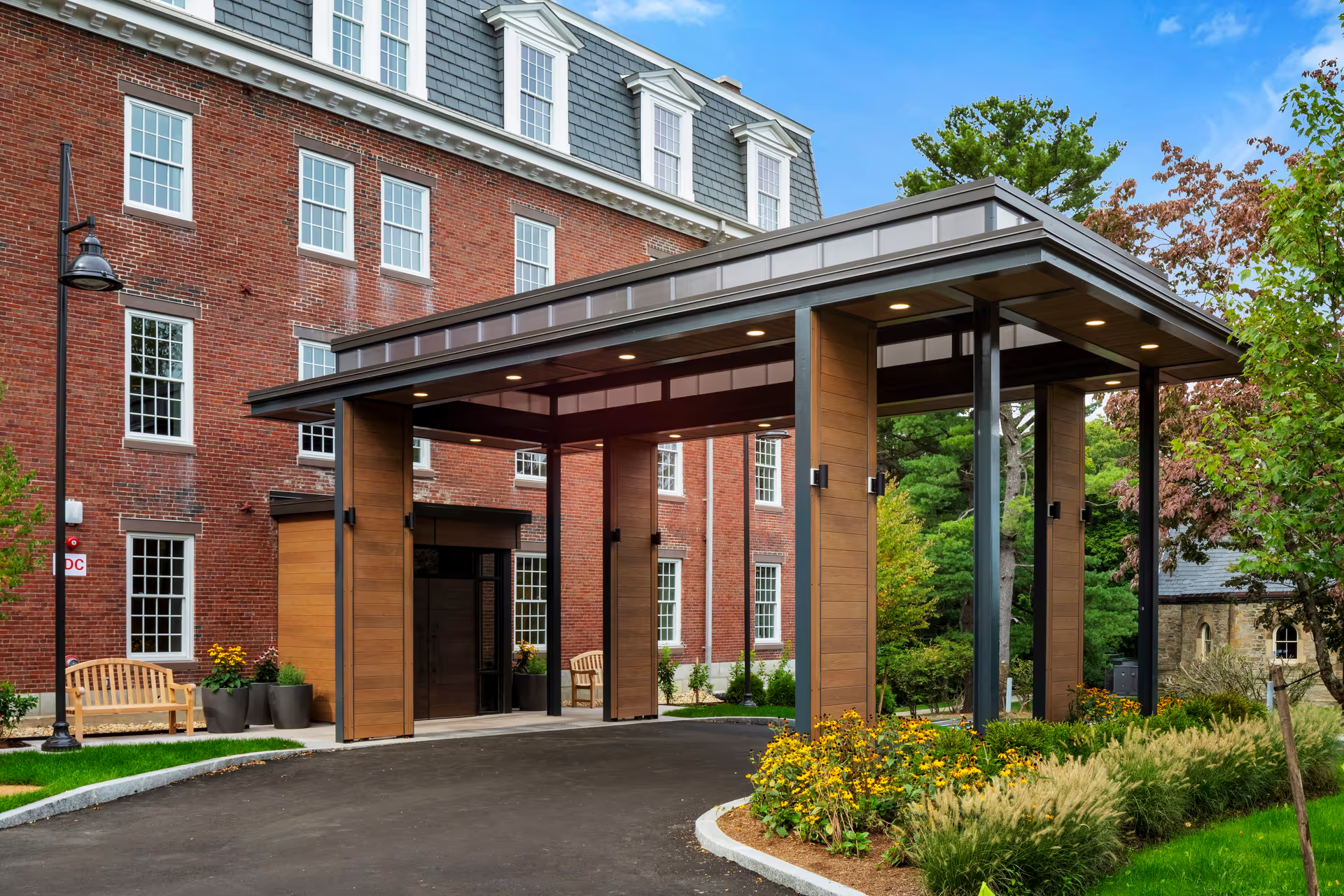
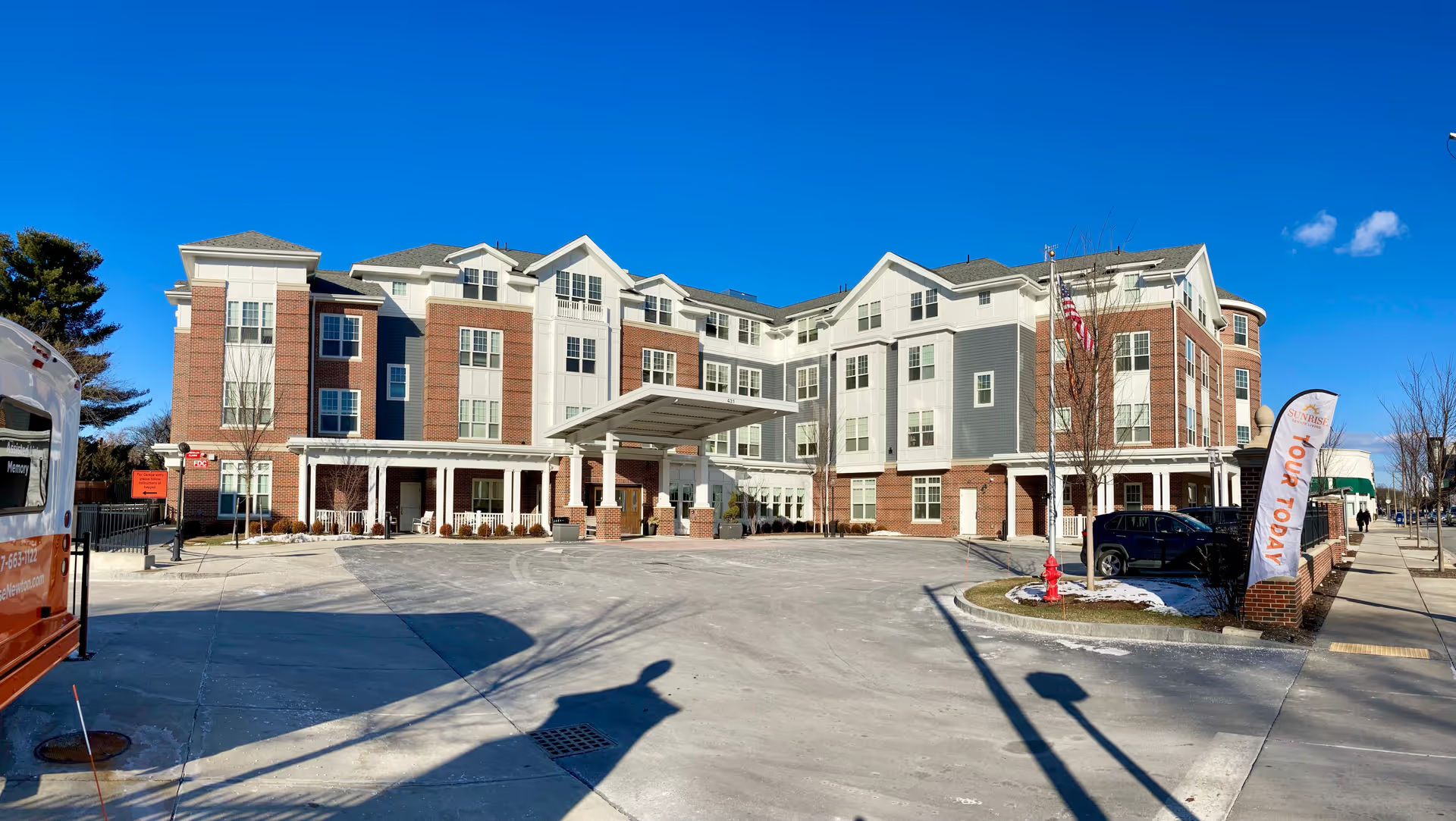
Facility environment and amenities are frequently praised for cleanliness, maintenance and scenic grounds, though a subset of comments note practical limitations such as smaller apartment sizes and intermittent building-systems issues (for example, HVAC on certain floors). Transportation support and proximity to public transit and highways are positives for visitors and outpatient appointments.
Management and governance present a mixed picture. Frontline staff receive strong, repeated commendation; several reviewers contrasted that with criticisms of leadership transparency, strategic direction, and responsiveness to systemic concerns. There are mentions of budgetary or corporate decisions that families perceived as affecting operational consistency. For prospective residents and families, these patterns suggest focusing questions during a visit on staffing ratios, medication administration protocols, incident reporting and follow-up, leadership communication channels, assisted-living availability, and cost/contract details.
In sum, Lasell Village shows clear strengths in person-centered frontline care, rehabilitation excellence, robust programming and an attractive campus environment. At the same time, recurring operational themes — responsiveness delays, medication and staffing variability, leadership and safety-protocol gaps, and affordability — merit careful review during selection. Prospective families should verify current staffing levels, clinical oversight practices, dining consistency, building-systems maintenance, visitation and infection-control policies, and the fee structure to ensure the community matches their priorities and risk tolerance.