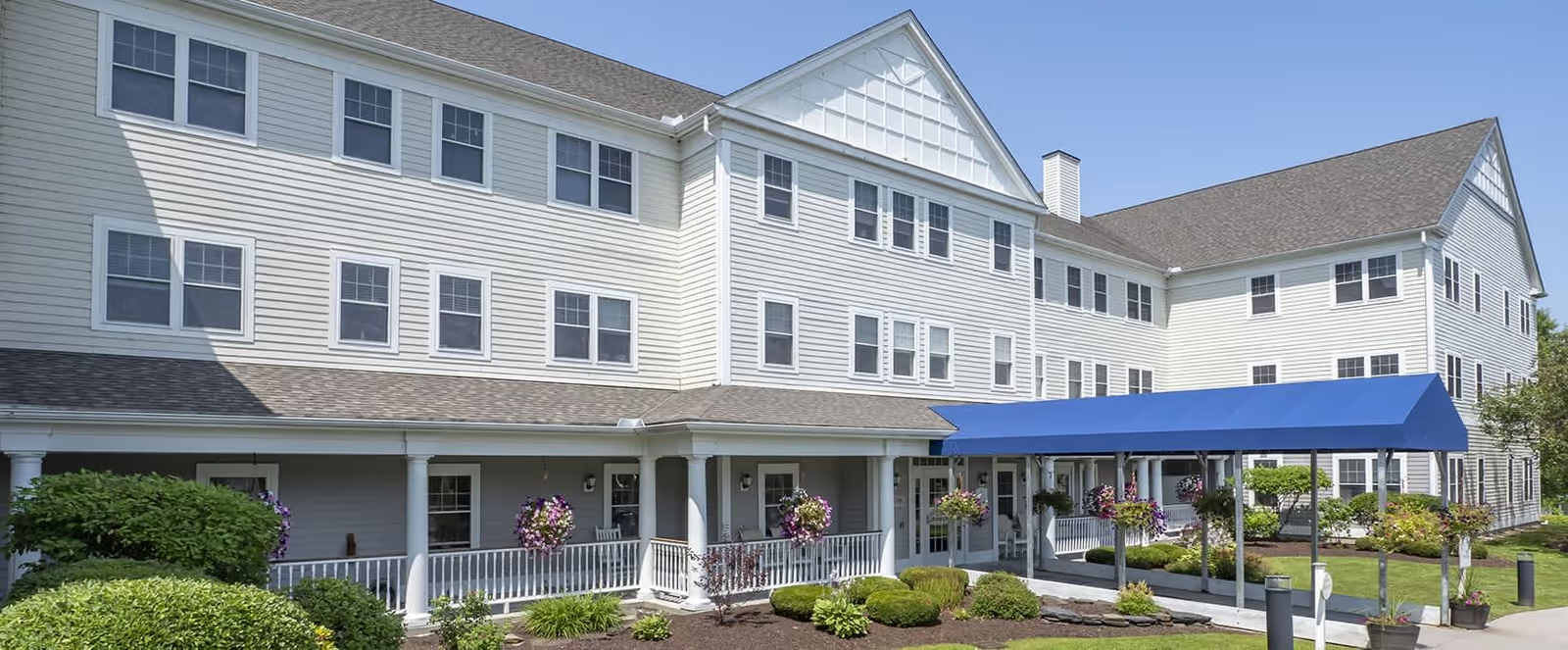
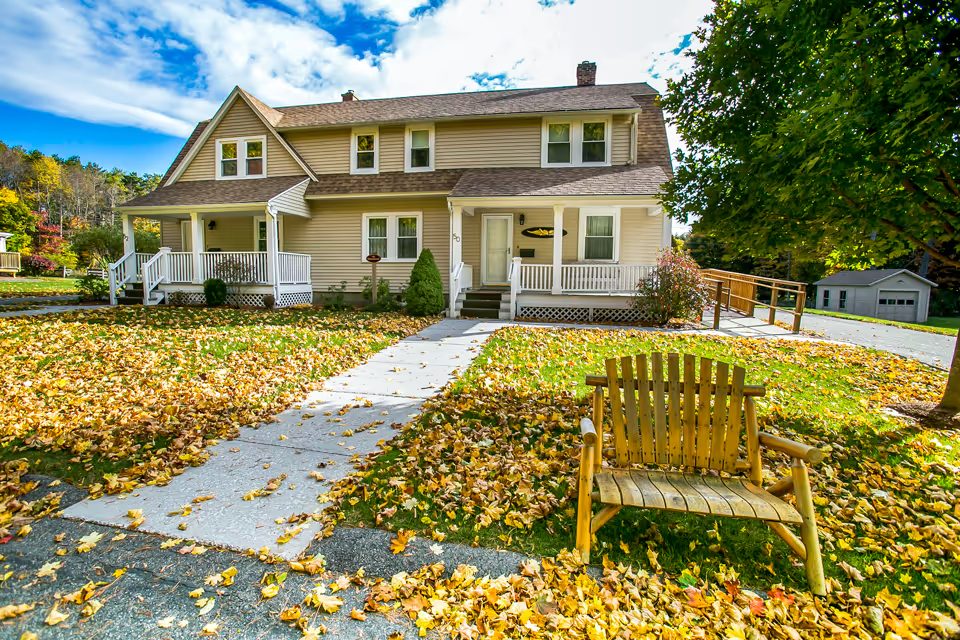
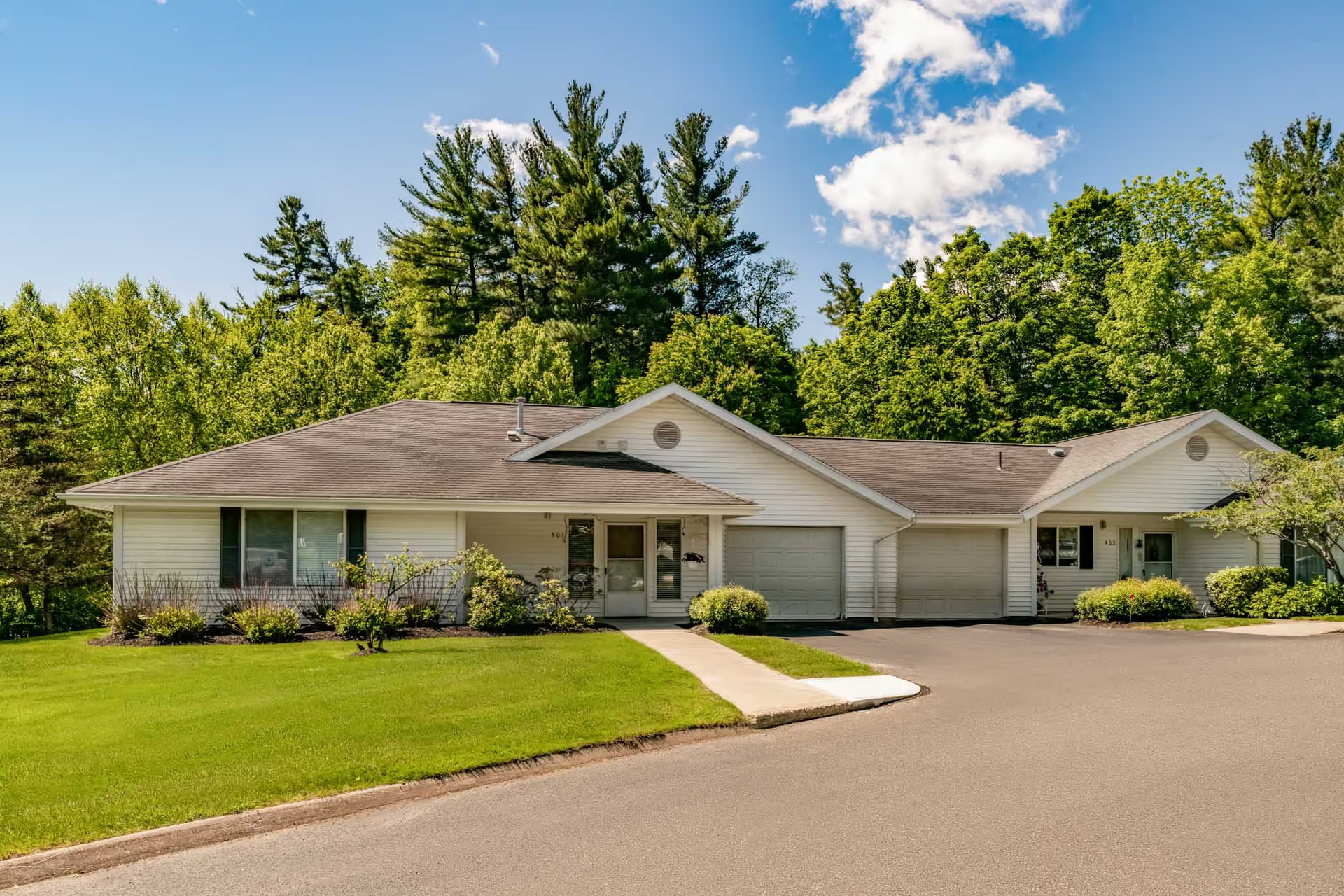
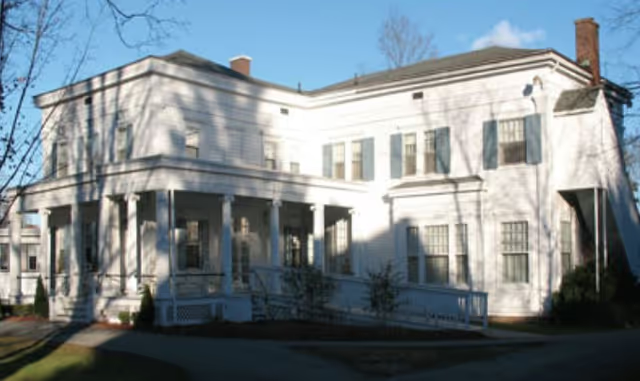
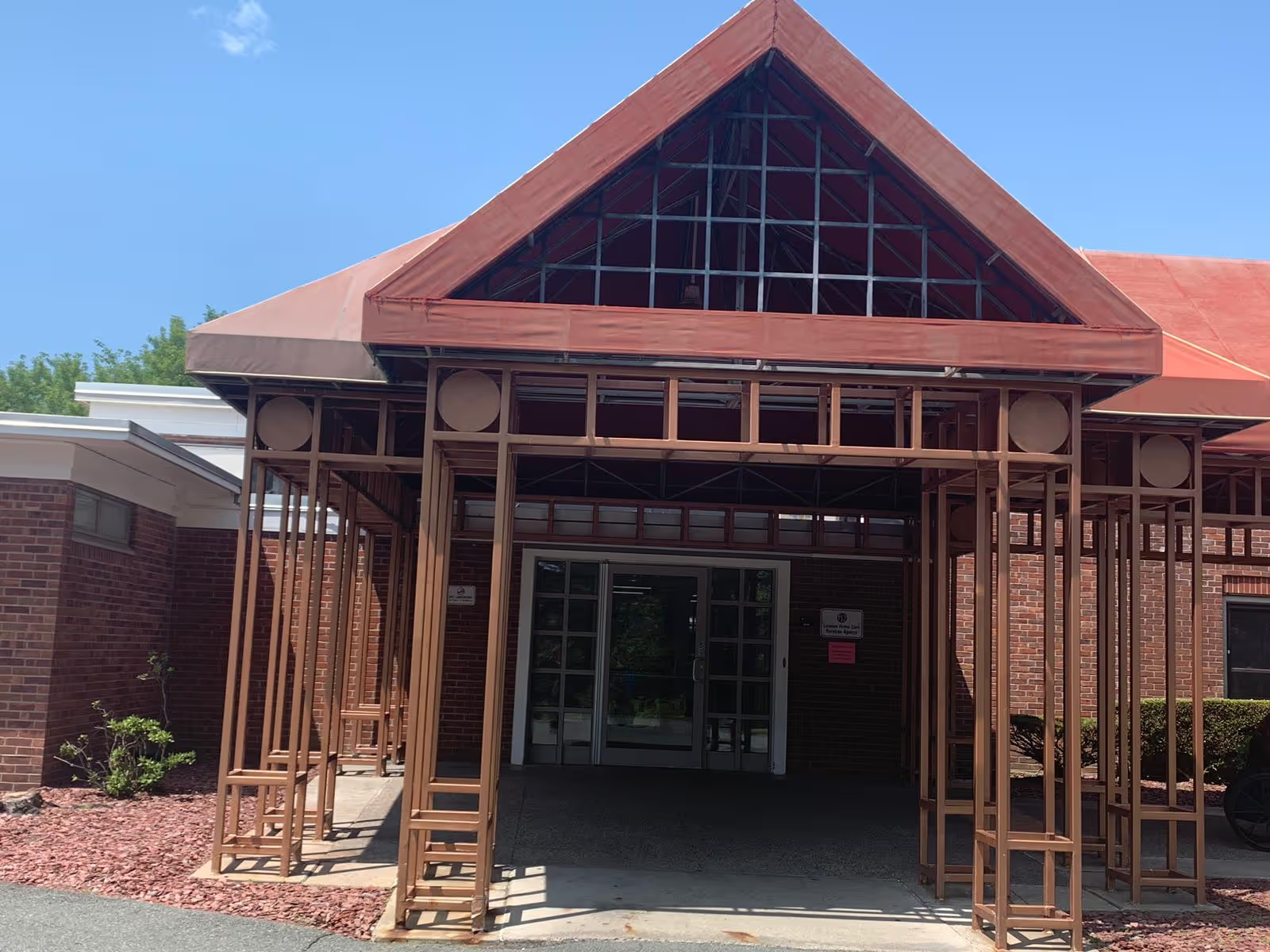
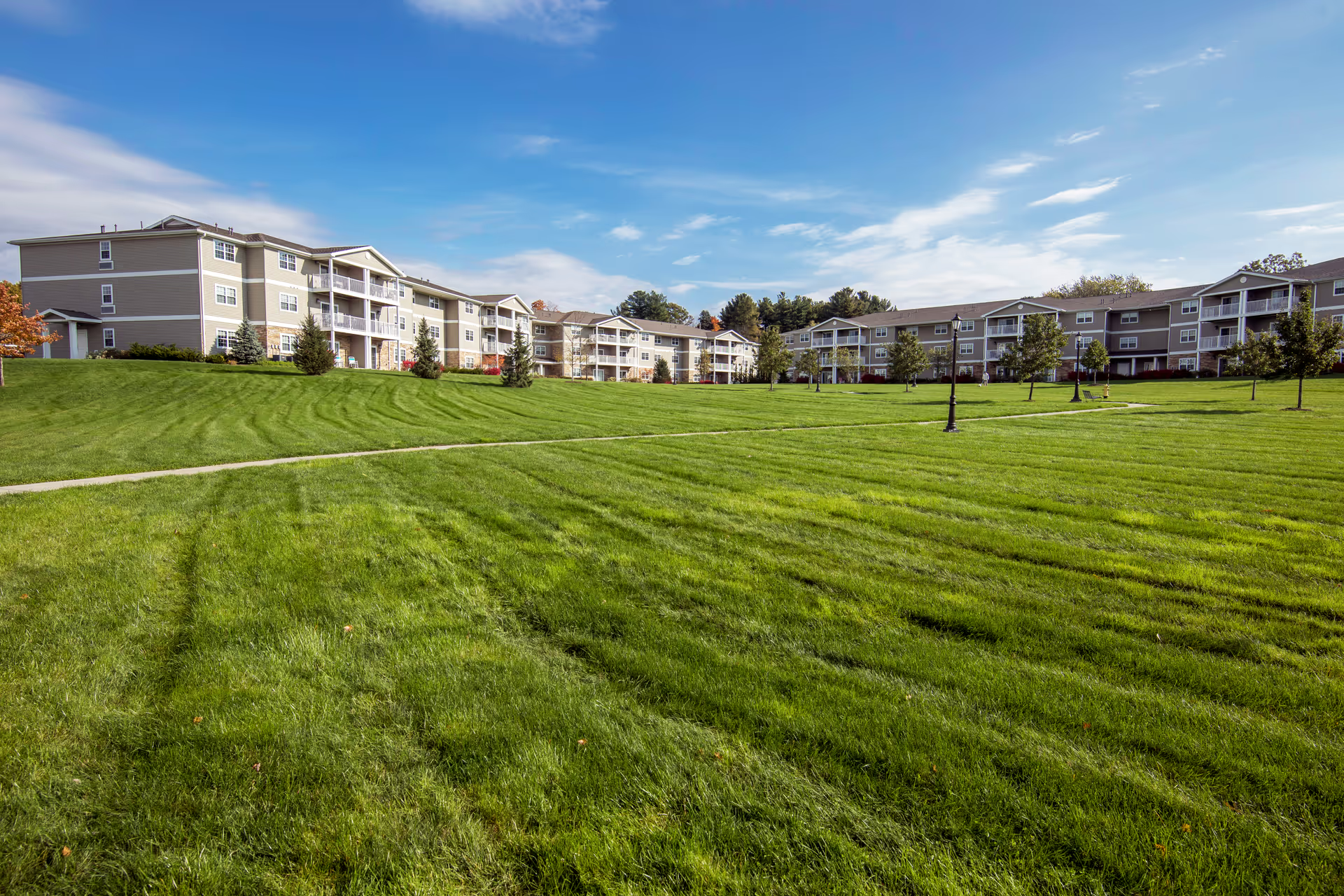
North Adams Commons presents a mix of clear strengths and operational areas that prospective residents and families should evaluate. Reviewers frequently praised the therapy program and identified individual therapists as skilled and effective; therapy is noted as a meaningful part of rehabilitation outcomes when available. Many families and visitors described staff as caring, professional, and emotionally supportive—several accounts highlighted compassionate end-of-life presence and a family-like atmosphere among residents. The building itself was described as clean and well-maintained, contributing to a generally positive physical environment.
At the same time, reviewers describe variability in clinical care that appears tied to staffing and skill-mix issues. While some nurses and CNAs were praised for competence and kindness, others were described as less skilled or less responsive; this pattern suggests inconsistent care quality depending on shift or assignment. Multiple comments indicate staffing shortages that limit direct-care time and reduce available therapy minutes, and several observers recommended that families be prepared to advocate for their relative’s needs. Concerns about the facility’s medication-management processes were raised, including a sense that some systems or practices felt impersonal or automated; prospective families should ask about medication administration protocols and oversight.
Operational issues extend to dining, security, and resident rights. Reviewers noted difficulty obtaining individualized meal accommodations, indicating limited dietary flexibility for residents with special preferences or requirements. There were also remarks about security and safety practices that merit clarification during a tour. Communication and staff conduct were described as variable—while many staff were professional and kind, others elicited complaints about tone or responsiveness. A specific area of concern is access and advocacy for non-ambulatory residents; reviewers felt that rights and accommodations for less-mobile residents were not always straightforward to obtain.
In summary, North Adams Commons appears to offer strong rehabilitative therapy, a generally clean facility, and many compassionate staff members who provide meaningful emotional support. However, variability in nursing skill mix, staffing levels, medication processes, and operational consistency (dining customization, security, and advocacy access) are recurring themes. When considering this facility, prospective residents and families should prioritize questions about staffing ratios and schedules, medication administration and oversight, dietary accommodation procedures, security protocols, and specific supports for non-ambulatory residents. An in-person tour that includes a review of clinical staffing, a meeting with therapy leadership, and conversations about recent staffing and quality-improvement measures will help clarify whether the facility’s strengths align with individual care needs.