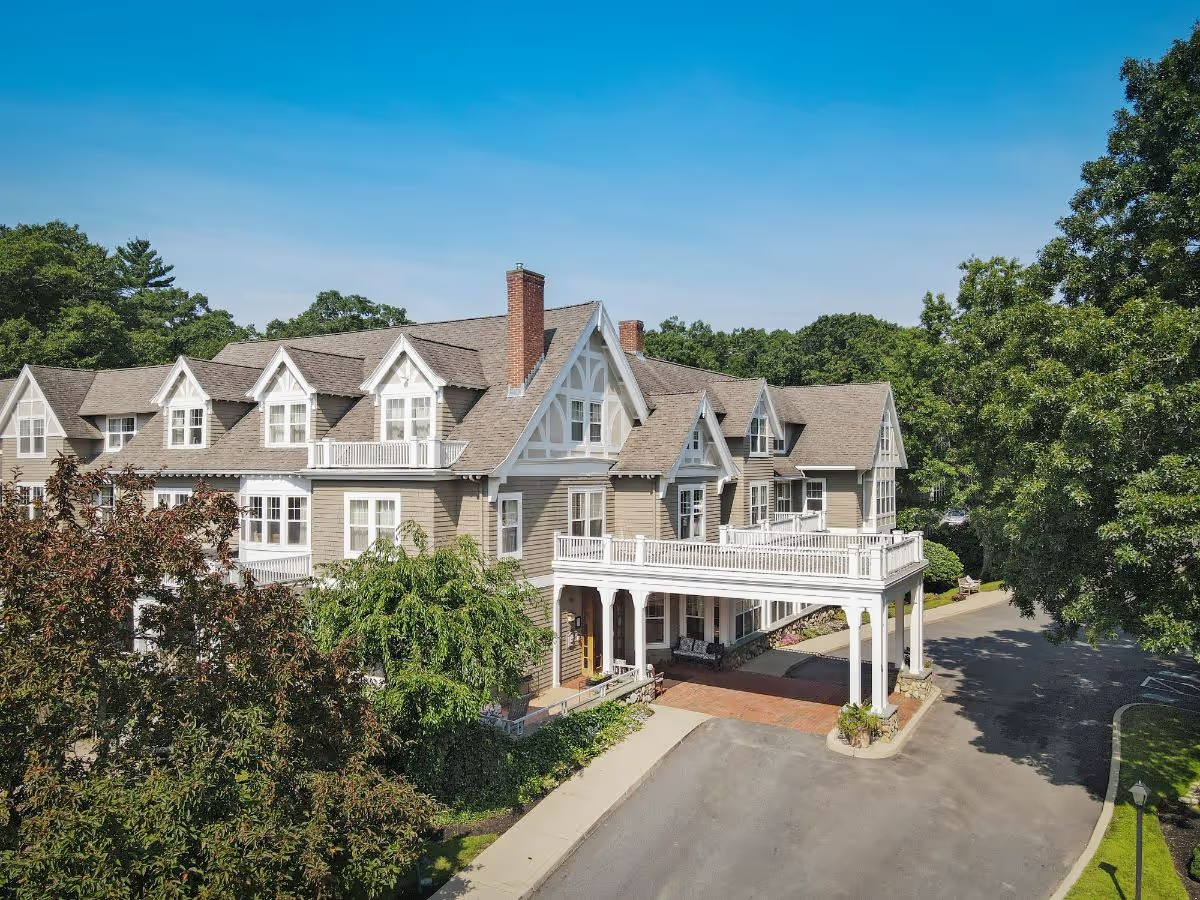
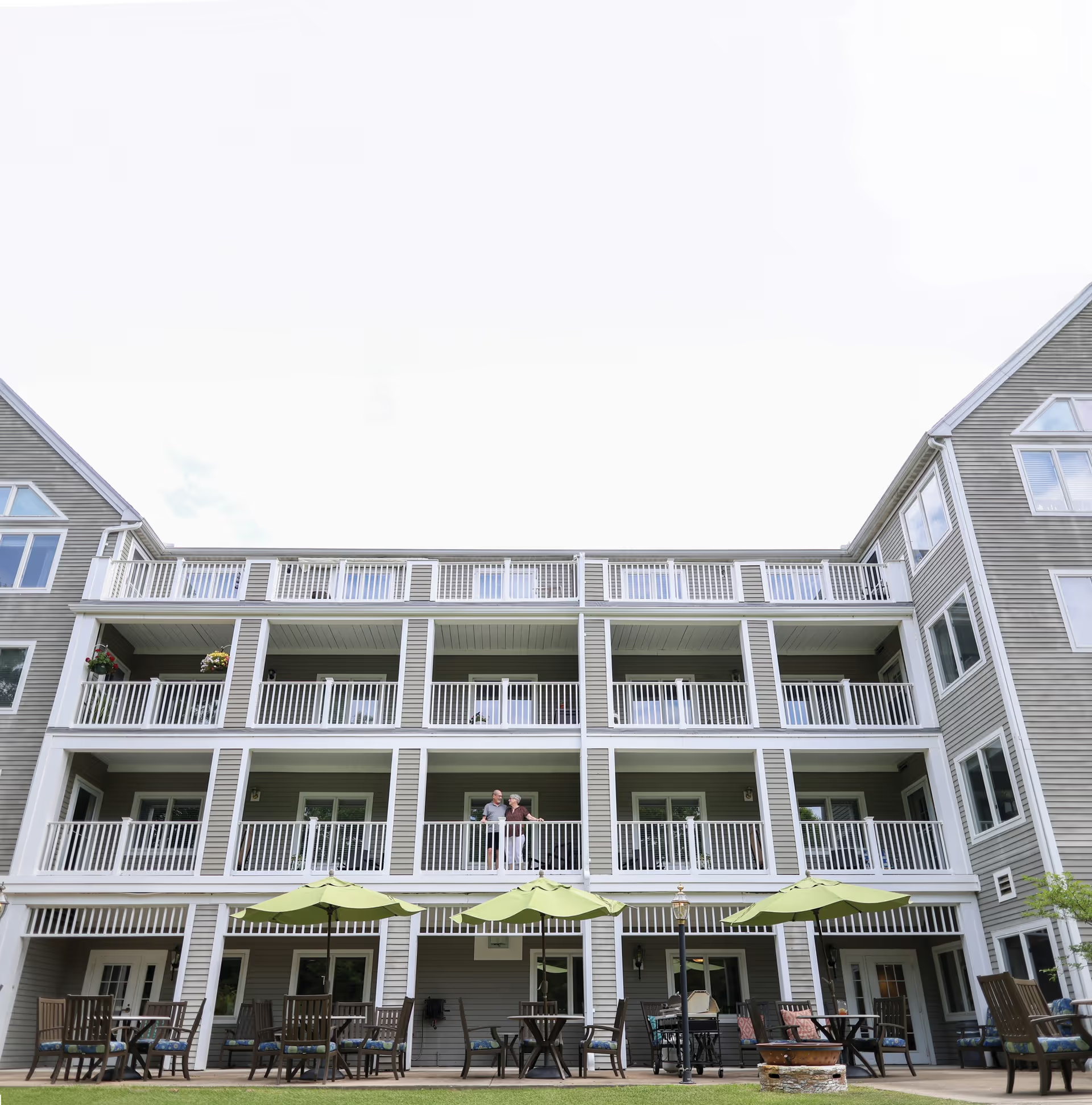
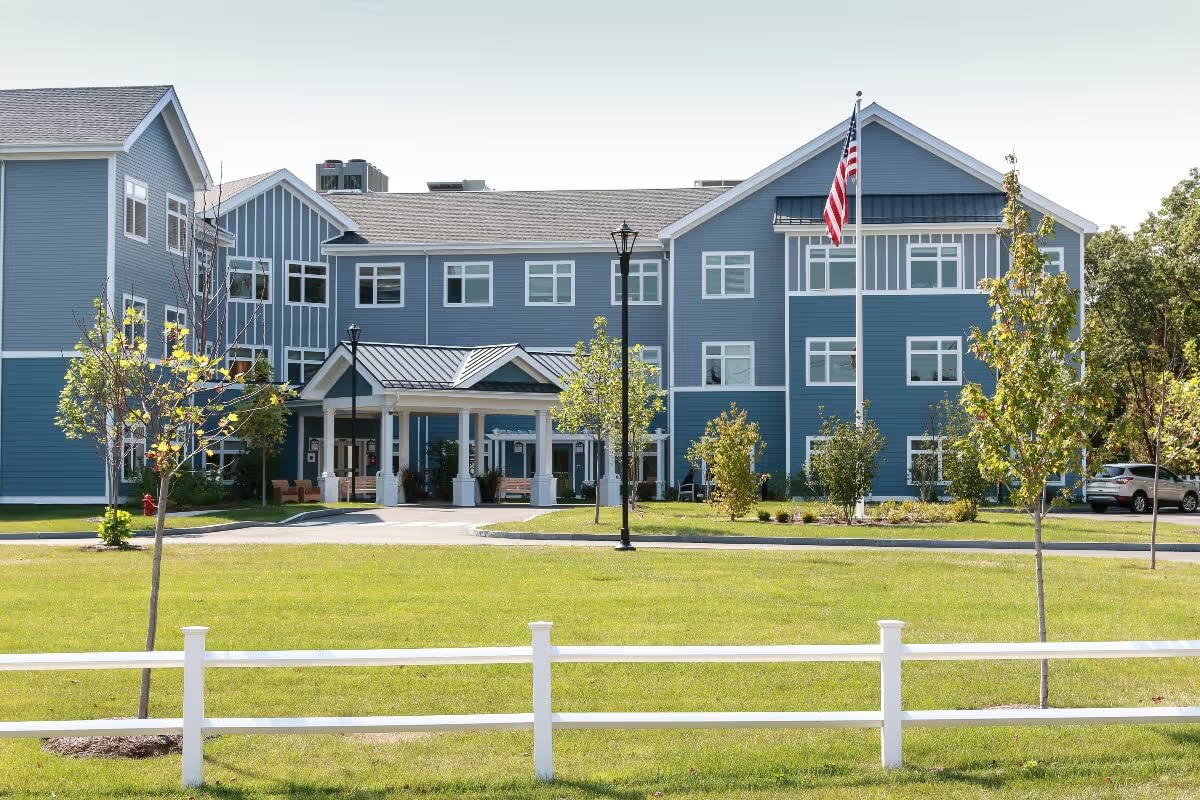
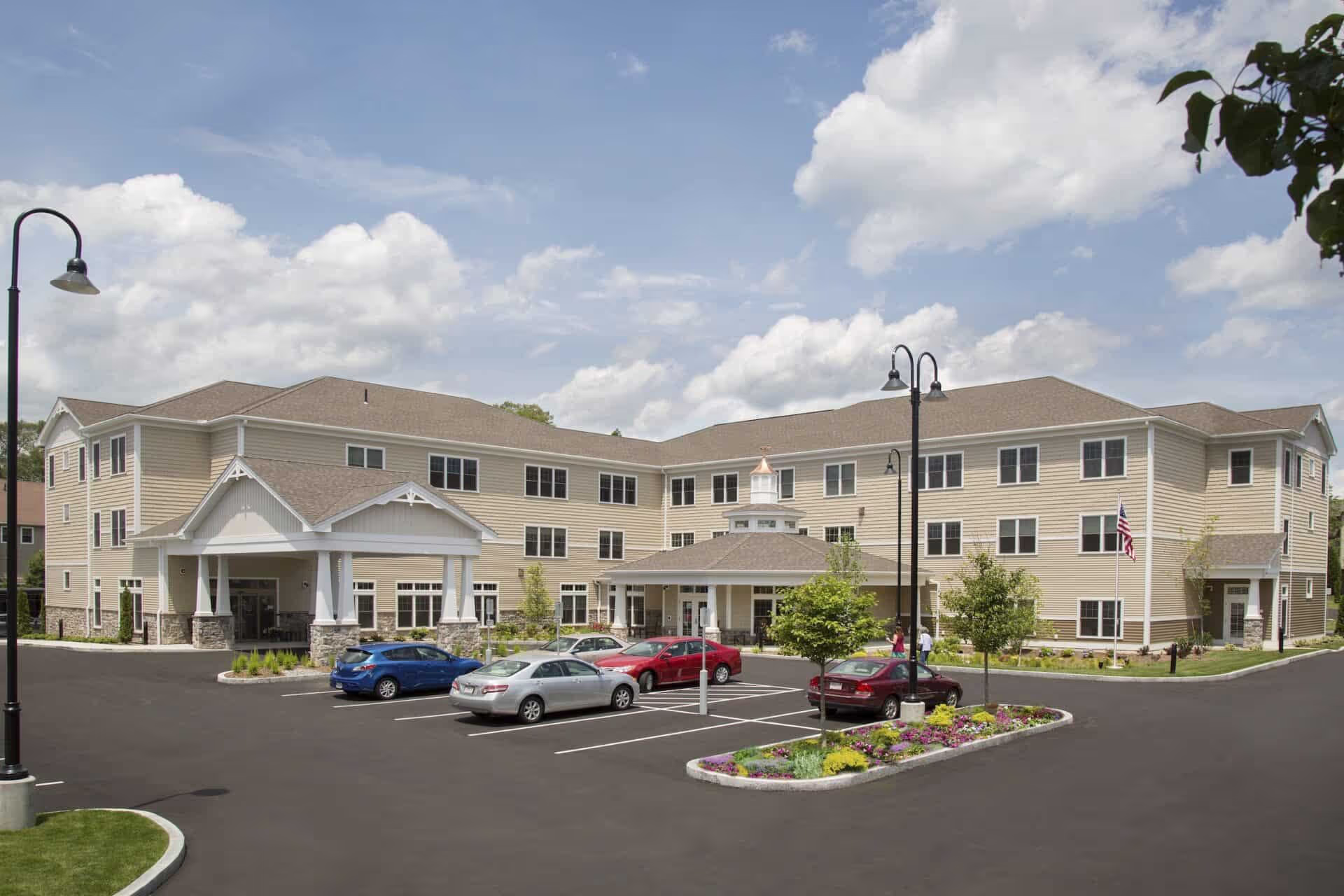
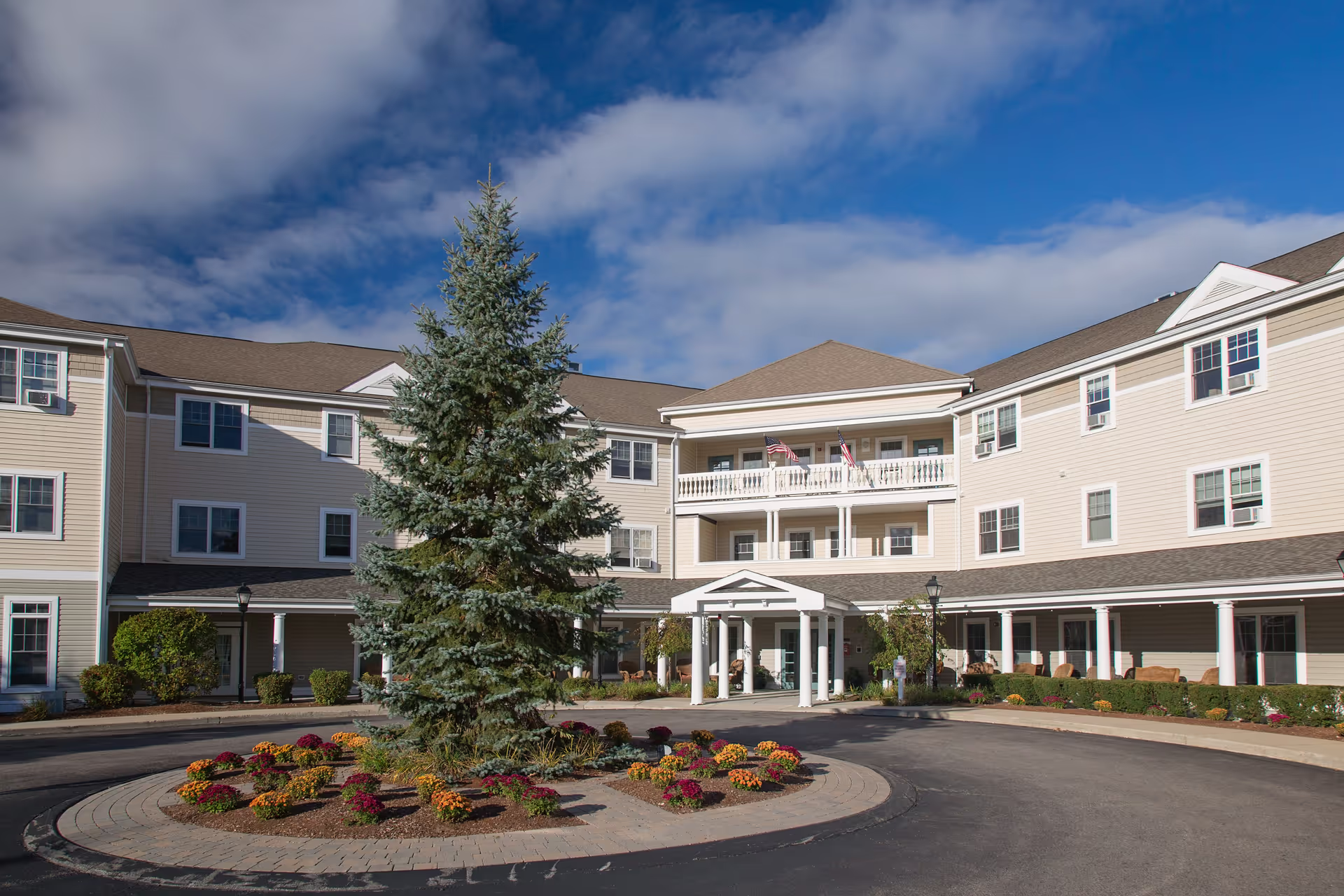
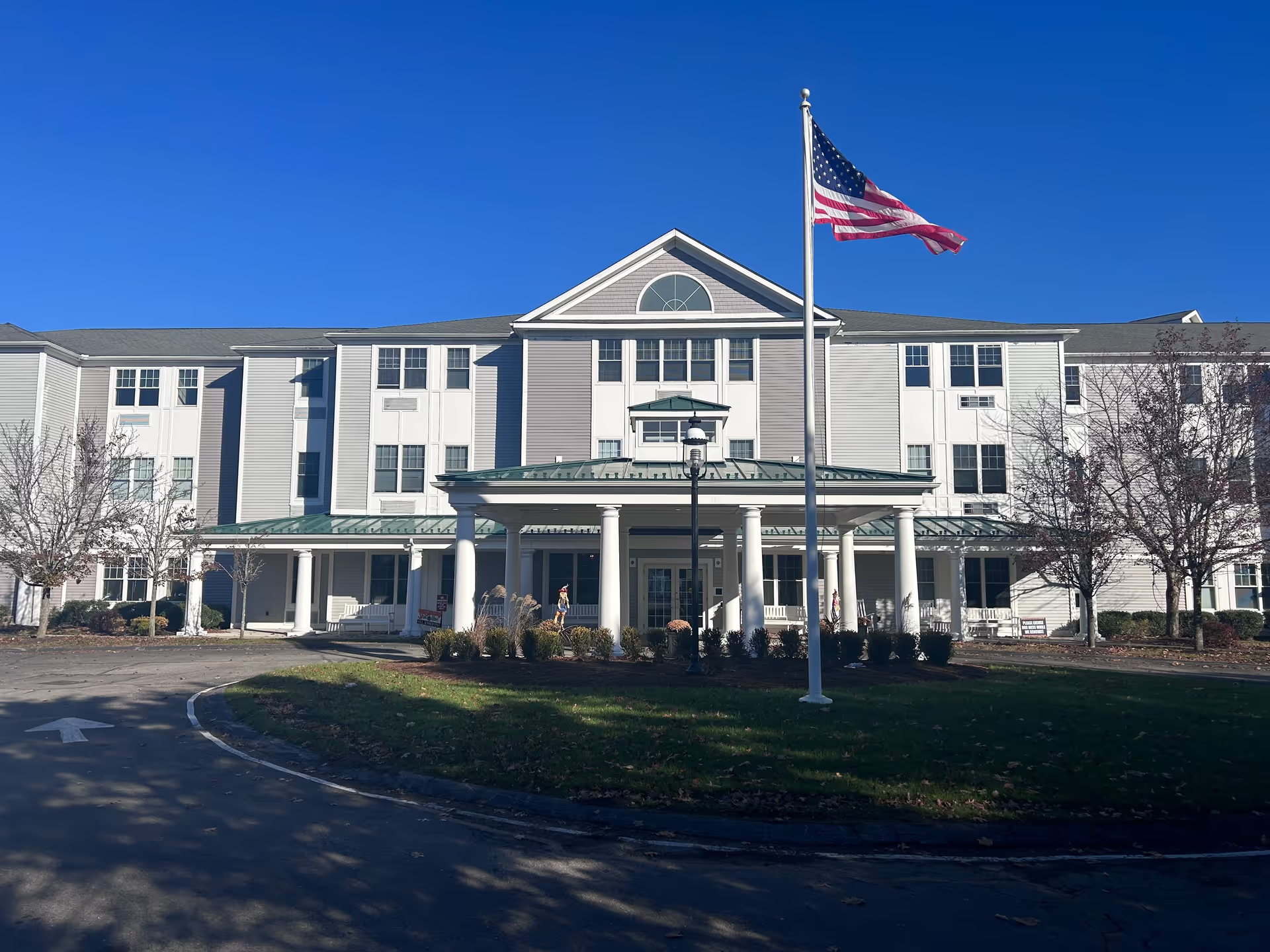
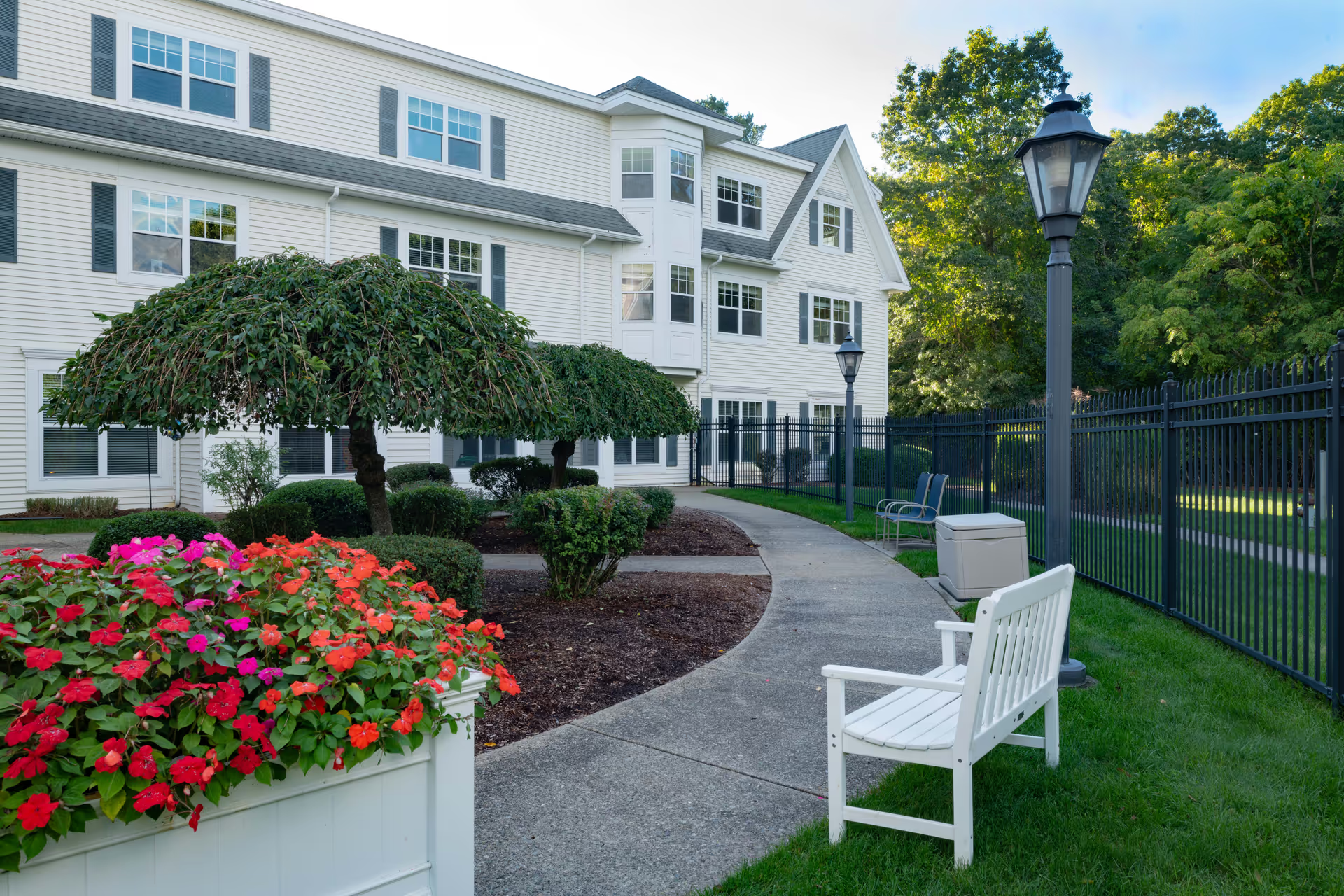
The reviews of Charlwell House Health & Rehabilitation Center present a strongly polarized picture. Many families and residents describe a clean, welcoming environment with visible nursing leadership, attentive caregivers, a robust rehabilitation program and an energetic activities team. Named staff and administrators are frequently credited for creating a family-like atmosphere and for delivering clinically effective short-term rehab outcomes. In those accounts the facility is praised for its communal spaces, proactive clinical attention, and readily accessible admissions process.
Conversely, a substantial set of reviews raises operational concerns that affect quality of care and daily life. The predominant clinical issues are inconsistent responsiveness to call alarms, gaps in medication administration and coordination with pharmacy, and inconsistent attention to personal-care and grooming. Reviewers also describe breakdowns in nutrition and hydration management processes, variability in therapy availability, and safety/monitoring weaknesses that correlate with falls and unanticipated hospital transfers in some cases. These patterns suggest uneven performance across shifts and departments rather than uniformly applied practice standards.
Facility maintenance and environmental issues form a second theme. While some units are described as pristine and well-maintained, other accounts indicate sanitation and odor concerns in parts of the building, pest-control problems, and aging physical plant elements such as dated equipment, small beds, and inoperative bedside amenities. Dining is another mixed area: the dining space and size are often praised, but food temperature, adherence to dietary restrictions, and meal presentation are frequently criticized. Activity programming is energetic where well-staffed, yet several reviewers note early end times and limited evening engagement.
Staffing, training, and management practices contribute to the variability. Positive reviews emphasize compassionate, communicative leaders and front-line staff who provide reassurance and good coordination. Negative reviews point to staffing instability, scheduling lapses, language-proficiency gaps among some aides, and instances of inattentive conduct that families found unacceptable. Administrative strengths cited include visible leadership and rapid resolution of problems when management is engaged; weaknesses include billing inconsistencies, disputed charges, and perceived prioritization of cost-control over individualized care.
Taken together, the pattern is one of a facility capable of delivering high-quality, family-centered rehabilitation and nursing care in some units or under particular leadership, while simultaneously exhibiting systemic operational weaknesses that create risk and dissatisfaction in other areas. Prospective residents and families should weigh both sets of observations: verify current staffing patterns, ask about medication-safety protocols, pest-control and sanitation practices, dining accommodations, activity schedules, and billing procedures during a tour; and request information about staffing ratios and recent quality-improvement actions to understand how the facility manages the variability reflected in these reviews.