Reviews of The Ellis Rehabilitation and Nursing Center present a mixed but coherent picture: the facility demonstrates clear strengths in rehabilitation, therapy, social work, activities, and family communication, while also showing recurring operational weaknesses that have affected safety, basic care processes, and family confidence.
Care and clinical oversight: Many families praised the nursing, CNAs, and therapy teams for hands-on rehabilitation, mobility encouragement, and coordinated medical communication. Physical and occupational therapy are frequently highlighted as a major asset, and several accounts describe successful short-term rehab and safe discharges home. At the same time, there are persistent concerns about inconsistent clinical performance: delays in recognizing deterioration, lapses in monitoring (including night hours), uneven medication-timing practices, and specific problems with catheter and wound care. These clinical gaps sometimes resulted in hospital transfers or additional family intervention. Prospective families should ask about staffing ratios, night-shift oversight, and protocols for medication timing and device (catheter/wound) management.
Staff, conduct and communication: Numerous reviewers commended individual staff members—nurses, aides, social workers, and activity directors—by name and described high-quality, compassionate interactions, regular family meetings, and FaceTime or update practices during infectious-disease restrictions. Conversely, reviewers described variability in staff conduct and competence, with language barriers noted as an impediment in some caregiver–resident interactions. There are recurring reports of slow call-bell response times and perceived inattentiveness on certain shifts (particularly nights and weekends). Leadership responsiveness appears to have improved for some families after management changes, but other accounts describe unresolved administrative communication and billing frustrations. One review referenced an allegation of wrongful termination tied to an infection-control policy; such claims signal the need to clarify institutional policies and staff protections.
Dining and activities: Activity programming is a clear strength—robust music, table games, outings, and social events that support resident engagement and friendships. Dining feedback is mixed: some residents and families praise the food and dining environment, while others cite inconsistent meal quality, cold trays, and lapses in following dietary restrictions. Families should inquire about menu accommodations, meal delivery processes, and how the facility manages special diets.
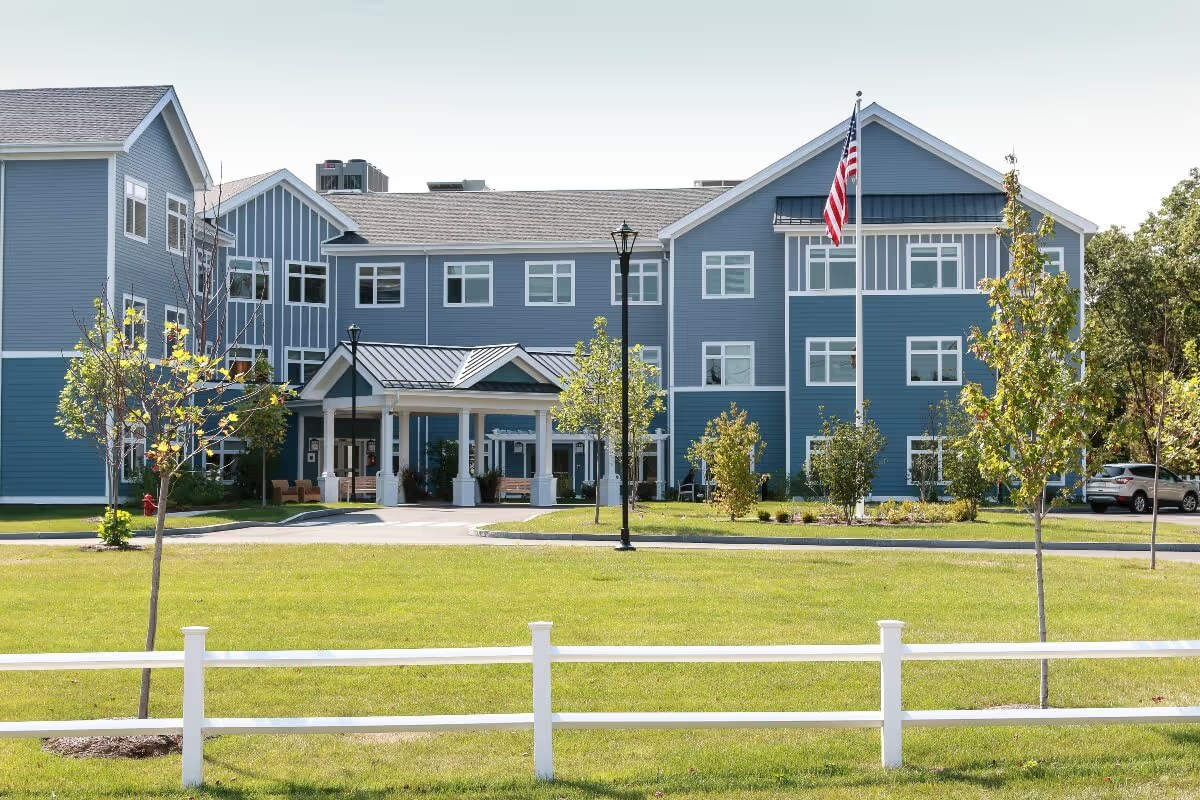
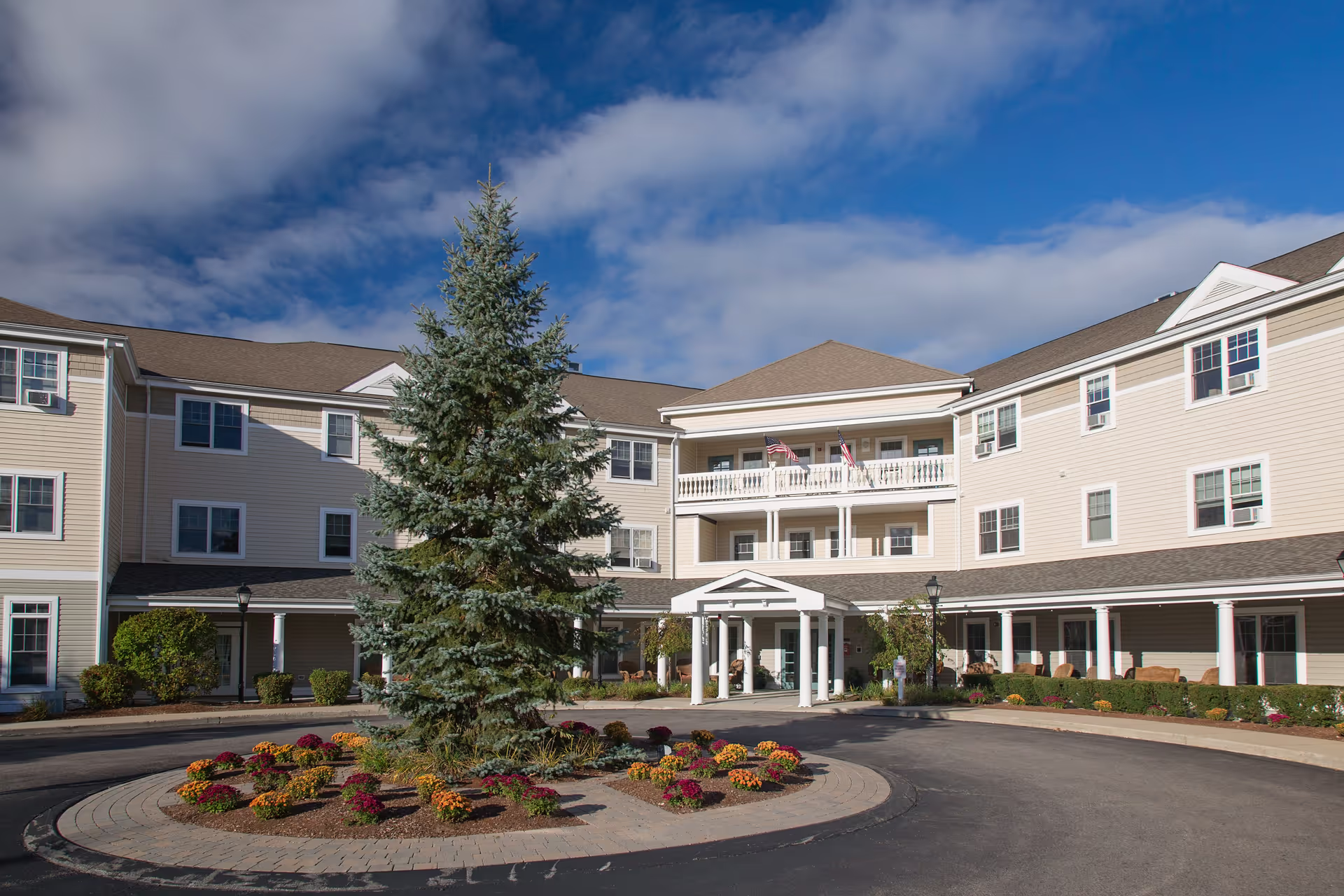
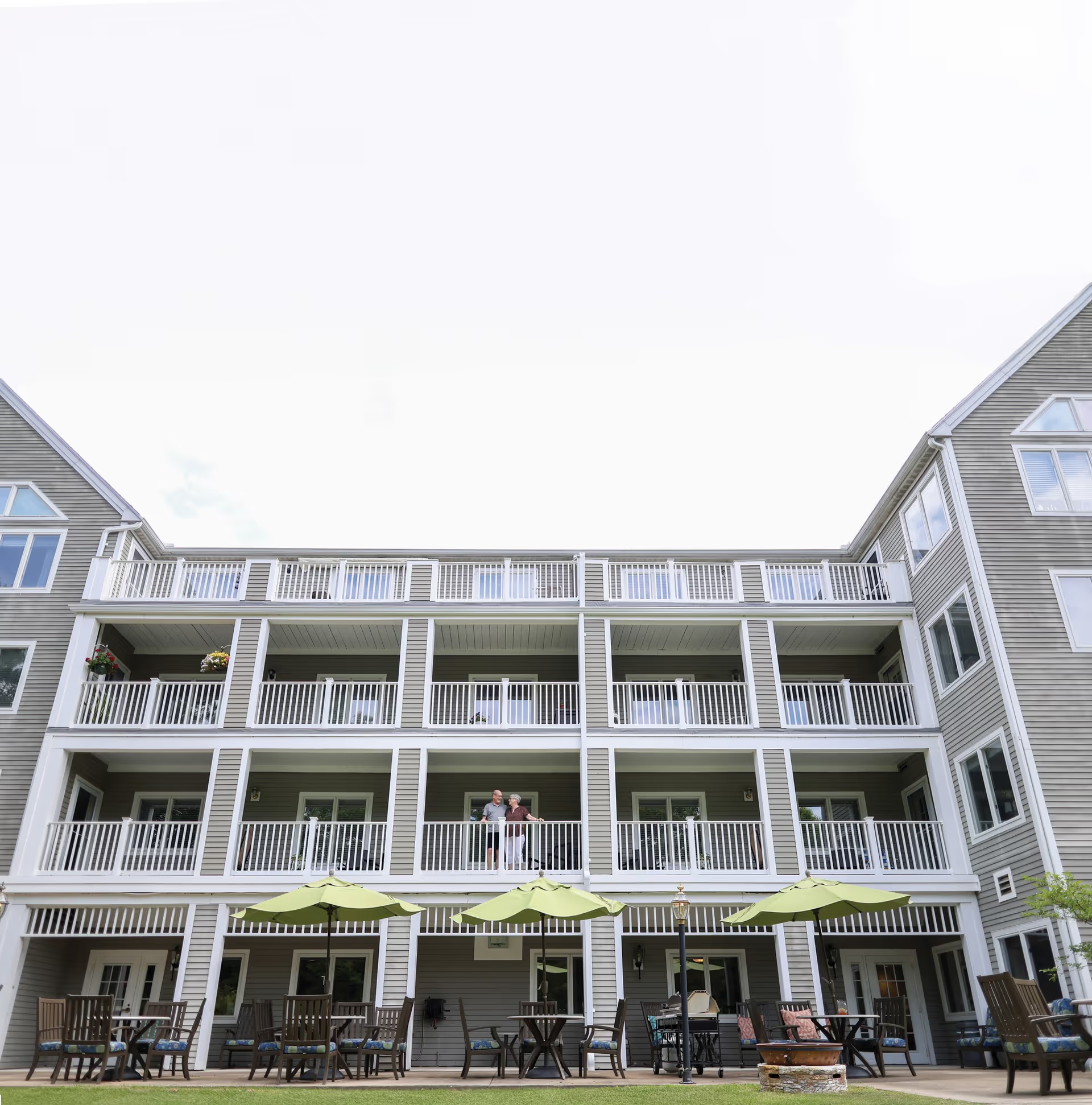
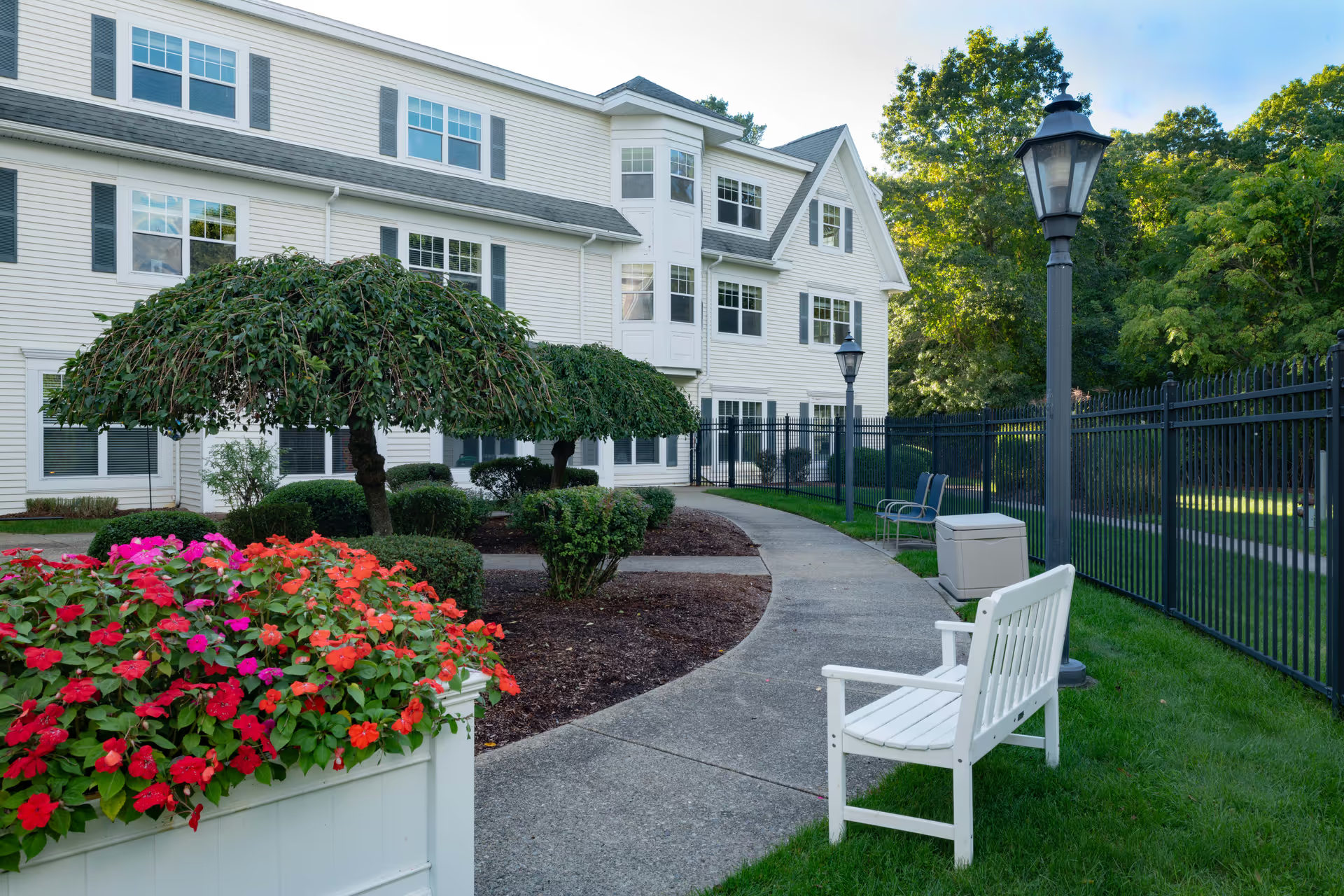
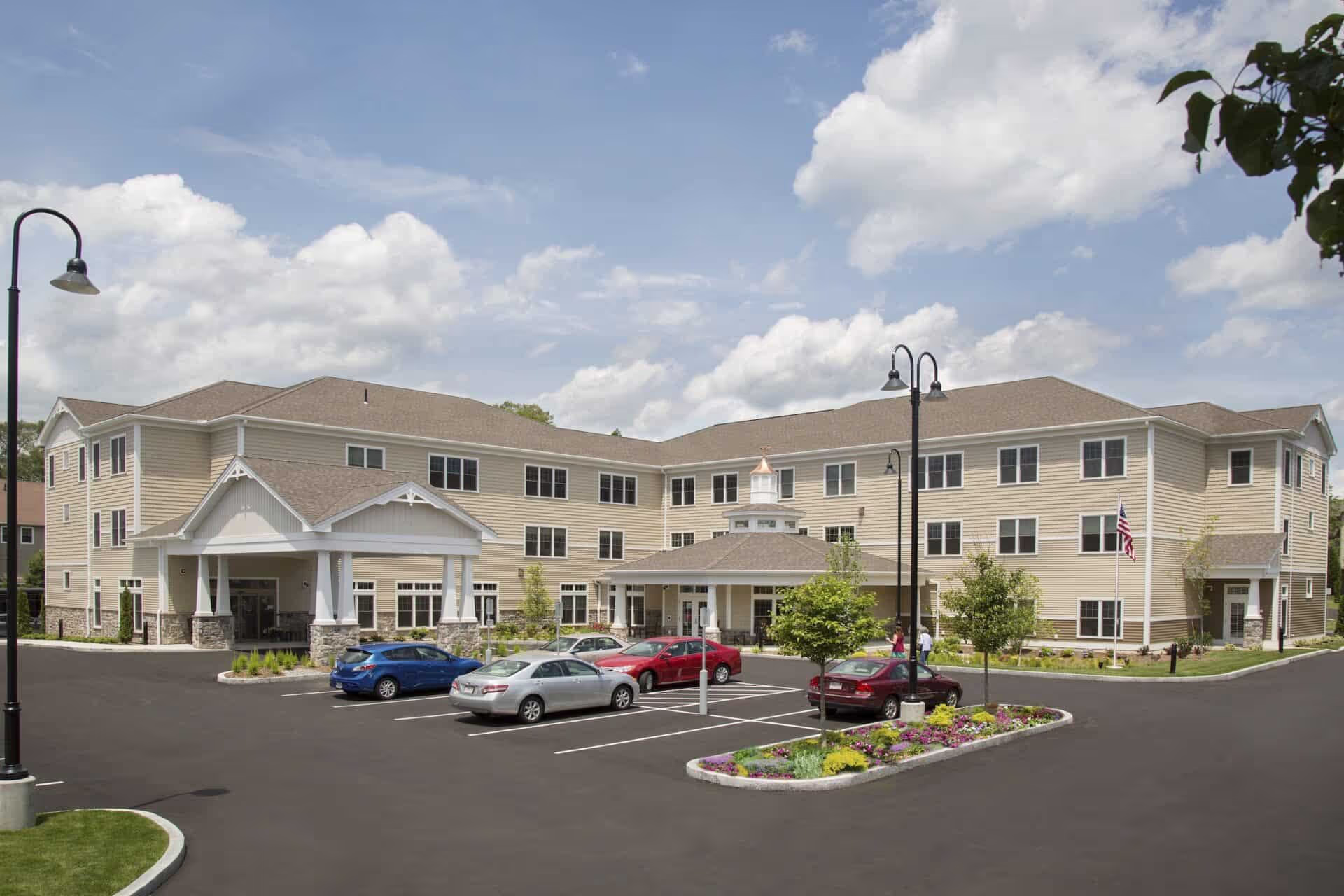
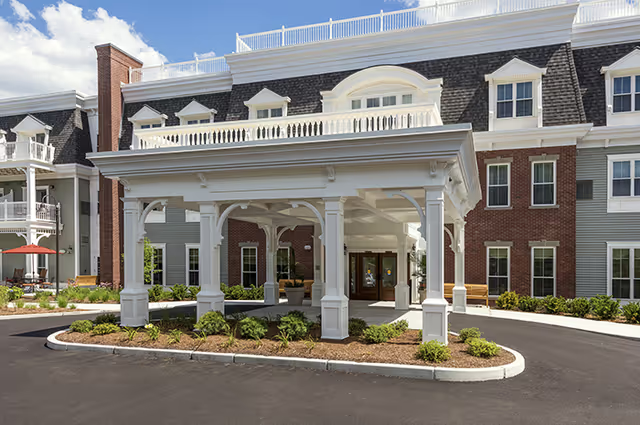
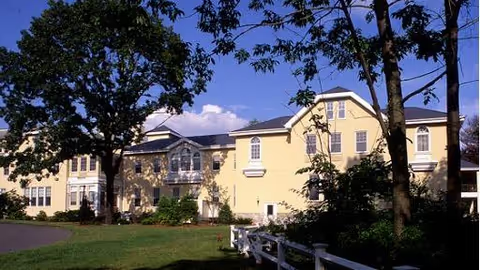
Facilities and environment: The campus and grounds, including an on-site chapel and courtyard, receive frequent positive mention. The rehab floor has been updated in places and therapy spaces are generally well regarded. However, several reviews signal sanitation concerns in particular areas and occasional pest-control issues; cosmetic improvements do not always correlate with consistent operational hygiene. Weekend coverage and use of agency staff were sometimes associated with lower perceived quality of care.
Patterns and recommendations: The dominant pattern is one of polarization—many families describe excellent, person-centered rehab and compassionate staff, while others describe significant lapses that affected safety and dignity. This variability appears tied to shift, unit, and personnel differences rather than uniform facility performance. For prospective residents and families, recommended inquiries include: which units have the highest staff consistency, night- and weekend staffing levels, protocols for call-bell response and medication timing, catheter/wound-care procedures, how dietary needs are enforced, and recent leadership or quality-improvement initiatives. Direct visits at different times of day and conversations with social work and nursing leadership can help assess whether the unit-level practices match the strengths highlighted by satisfied families.