CareOne at Peabody presents a mixed picture: it is repeatedly praised for clinical strengths in respiratory care and rehabilitation, while operational inconsistencies and staffing shortfalls create notable risks for some residents. Respiratory therapy—particularly trach and oxygen management—receives strong, consistent commendation; families cite clinicians who provide education, airway management, and confident coordination with physicians. The facility’s physical and occupational therapy teams are also highlighted for motivating, milestone-driven programs that support discharge and functional improvement.
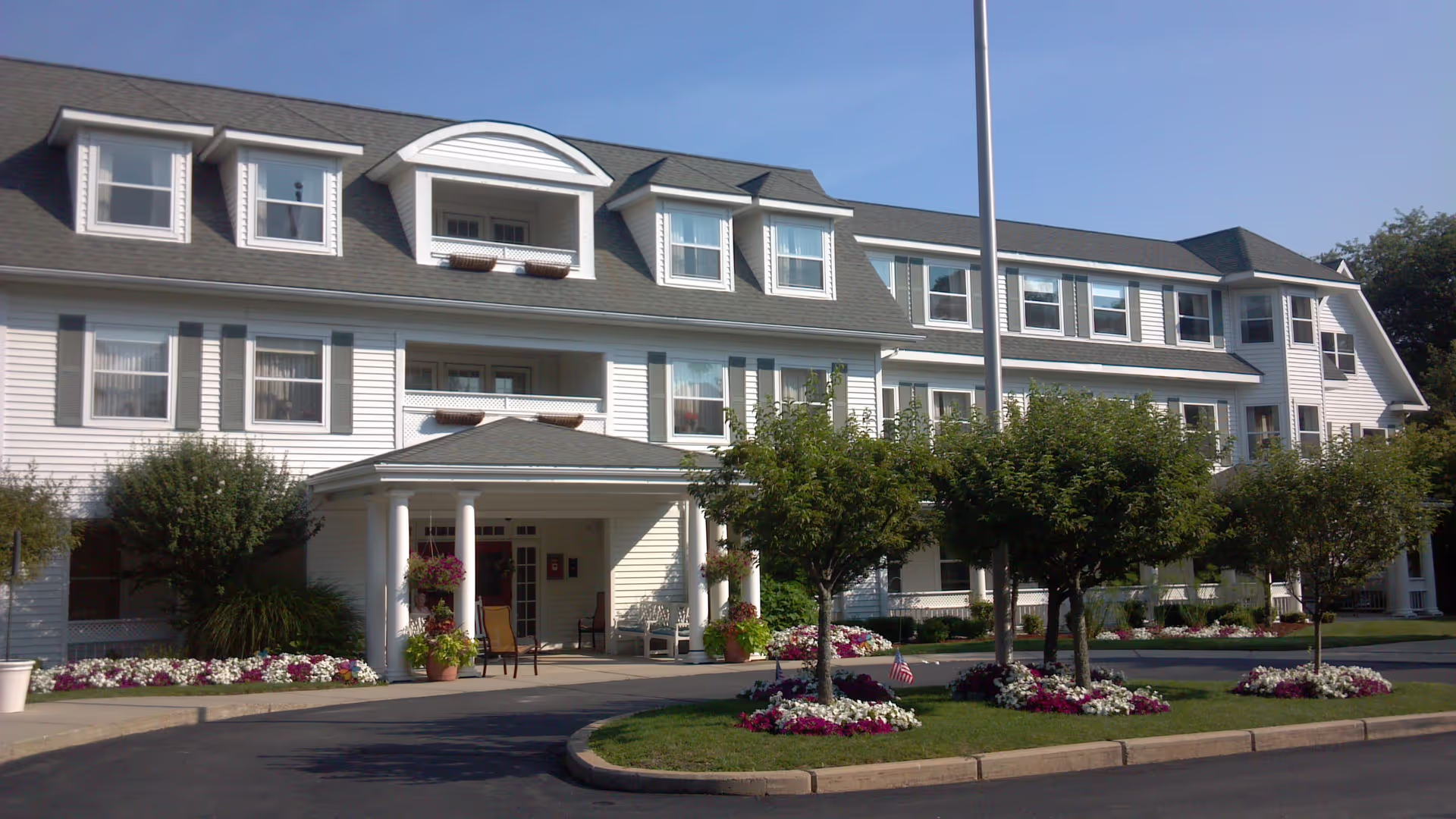
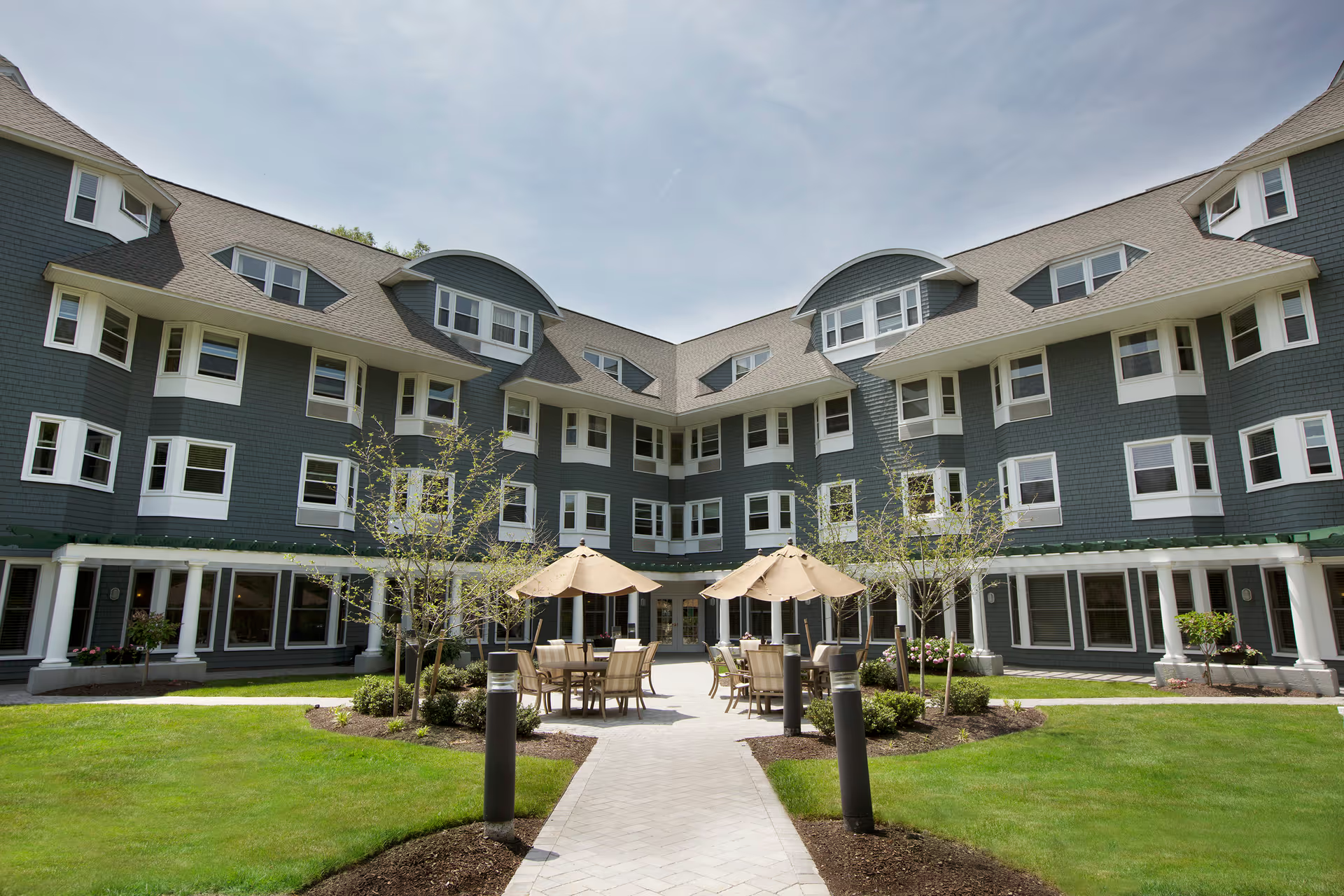
Direct-care staff are frequently described as compassionate and dedicated, with numerous individual CNAs and nurses identified by name for attentive bedside care. Admissions, concierge, and case-management staff are often characterized as helpful and communicative, and many accounts praise housekeeping and the general cleanliness and welcoming atmosphere of patient rooms and common spaces. The facility offers an active activities program and an ambassador volunteer initiative that contribute positively to resident engagement and social life.
However, the positive clinical areas sit alongside persistent operational concerns. Staffing shortages and inconsistent coverage—especially overnight—are recurring themes that correlate with delayed responses to call lights, slow emergency assistance, and variability in care quality between shifts. Reviewers describe uneven nursing oversight and leadership, which appears linked to medication-administration errors, irregular wound-care practices, and inconsistent adherence to dietary modifications (including thickener use and special diets). These process gaps have been associated with higher clinical risk, including wound complications and aspiration concerns.
Facility operations and environment show mixed performance. While many families find the facility clean and well-maintained, others report maintenance and equipment reliability issues such as nonfunctional elevators, aging nurse-call systems, and isolated safety hazards that warrant attention. Dining receives both praise and critique: some note palatable meals and effective dietary directors, while others report inconsistent food quality and limited accommodations for specific dietary needs. Several reviews raise concerns about management of personal belongings and inventory control, including missing items and unsatisfactory follow-up.
Communication patterns are uneven. When case managers and certain nurse leaders are engaged, families describe clear updates and collaborative planning; conversely, breakdowns in communication between departments and with families are linked to delays in follow-up care, missed physician or medication coordination, and dissatisfaction after critical events. A small number of severe individual accounts include allegations about mishandling of property and end-of-life communication shortcomings; these appear as isolated but significant concerns that prospective families may wish to probe directly.
For prospective residents and families, the facility’s strengths in respiratory therapy and rehab are compelling for patients needing those services. To make an informed decision, families should inquire about current staffing ratios (including night coverage), wound-care and infection-control protocols, medication-administration auditing, dietary-accommodation processes, and procedures for handling personal property. Visiting during different shifts, asking for names of key clinical staff, and requesting documentation of therapy frequency and nursing supervision may help clarify whether the facility’s operational practices meet the needs of a particular patient.