Hillcrest Commons elicits highly polarized impressions: several reviewers describe committed, compassionate clinical and rehabilitation teams and a well-equipped rehab program, while others describe operational and care-consistency problems that affect resident experience. The facility appears to provide strong multidisciplinary rehabilitation services — physical and occupational therapy and respiratory nursing are repeatedly highlighted — and some families describe staff who go above and beyond and take an active advocacy role. Conversely, there are repeated accounts of inconsistent direct-care staffing and delays in routine assistance.
Care quality and staff: reviewers praise individual caregivers, nurses, and therapy staff for professionalism, responsiveness, and effective rehab outcomes. At the same time, there are consistent concerns about workforce stability: CNA shortages, scheduling problems, staff burnout, and variable performance among shifts. Operational consequences described include long call-light response times, delayed attention to personal-care needs, and inconsistent adherence to medication and dietary plans. There are also several serious individual claims (including privacy and belongings concerns) that families should evaluate during inquiry and visitation.
Dining and activities: feedback on dining is mixed. Some reviewers found meals adequate and recovery-focused, while others cited overcooked entrées, limited menu options, infrequent snacks, and inconsistent adherence to prescribed diets (notably diabetes-related plans). Activity programming shows a similar pattern: robust programming is present in some periods (therapy-led groups, arts, sewing, posted daily activities), but other reviewers report reduced offerings and less engagement from the activities team at times.
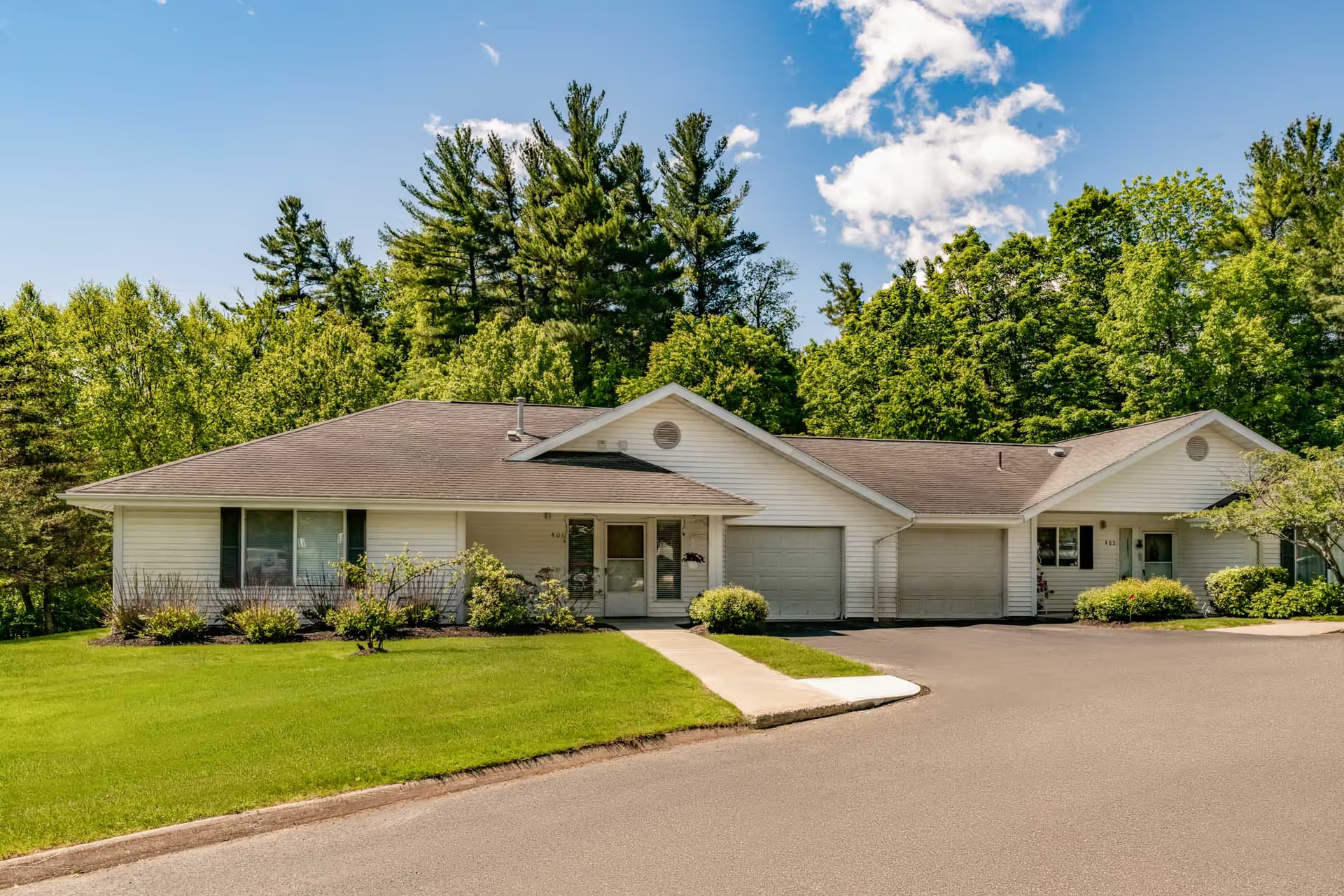
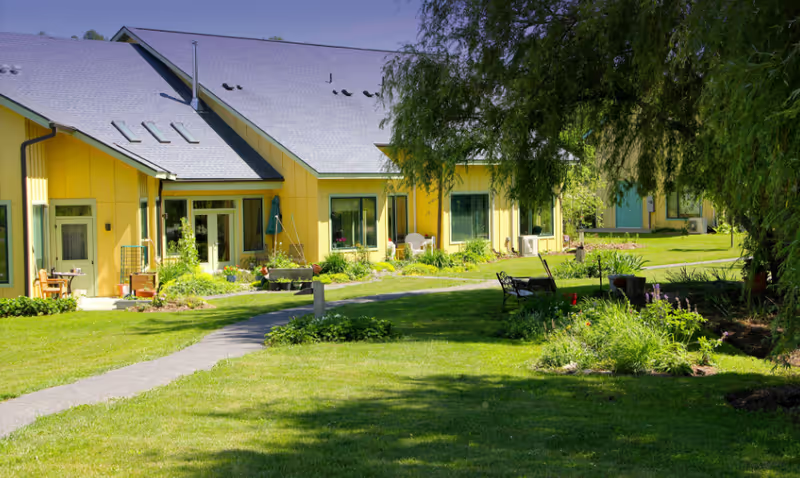
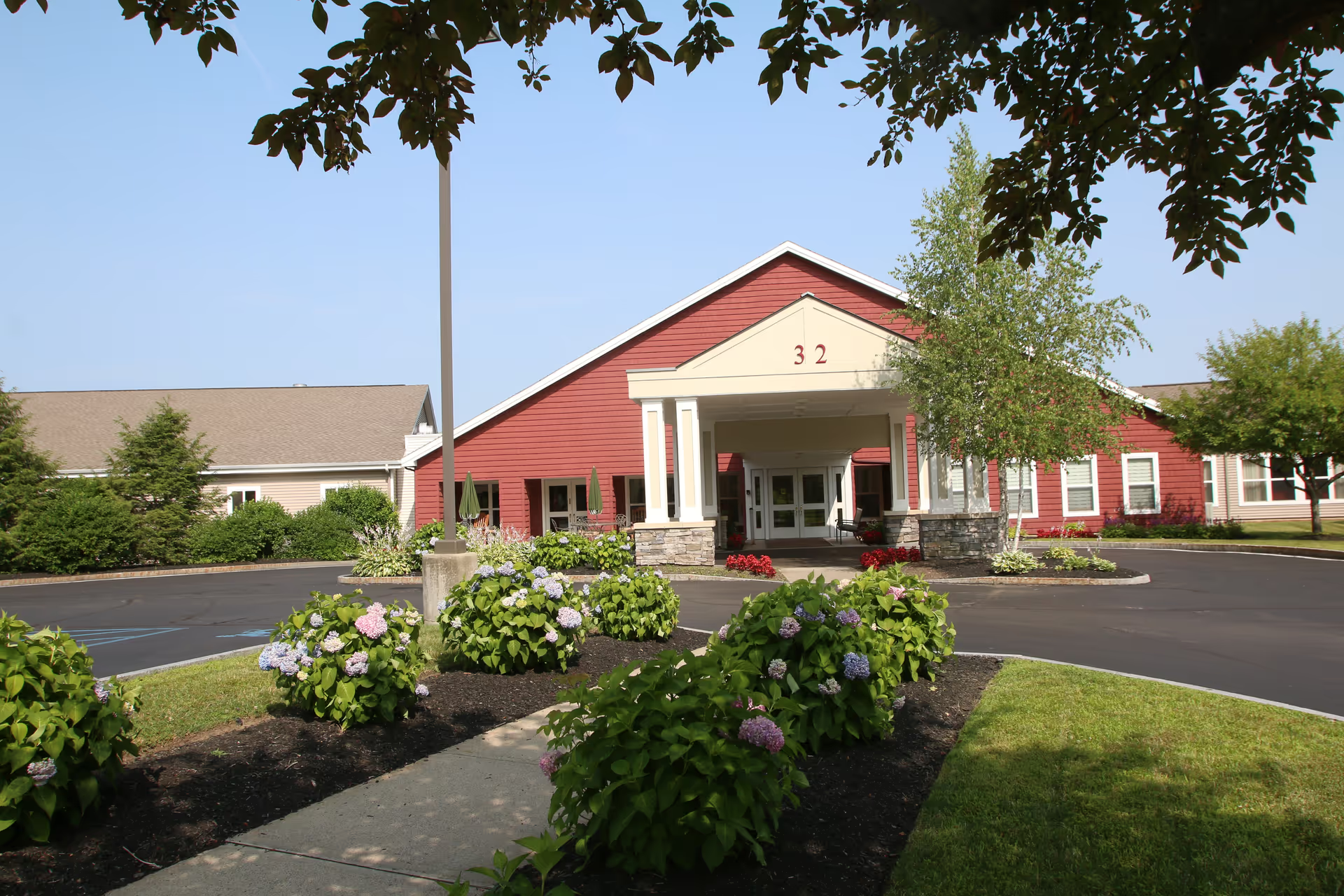
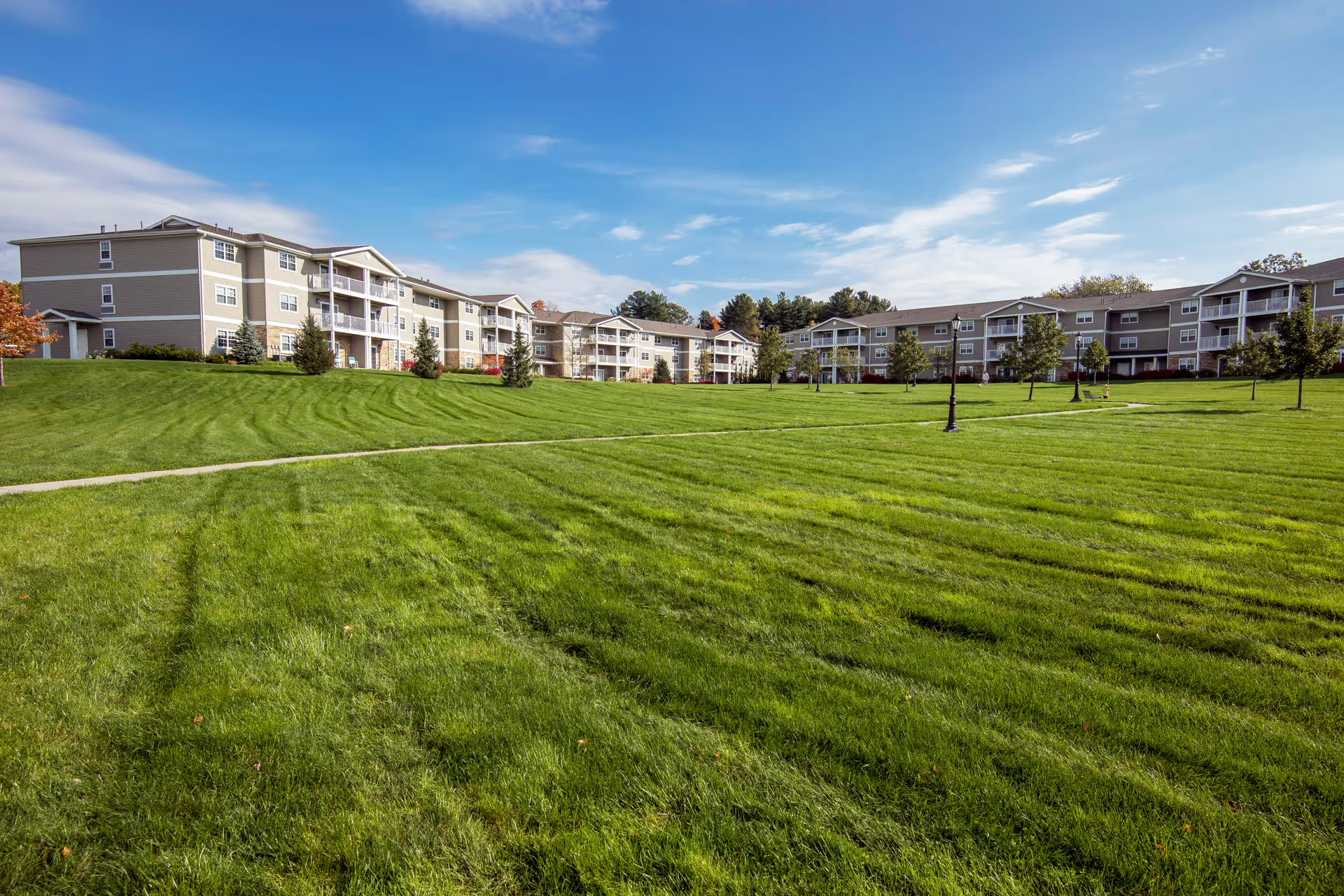
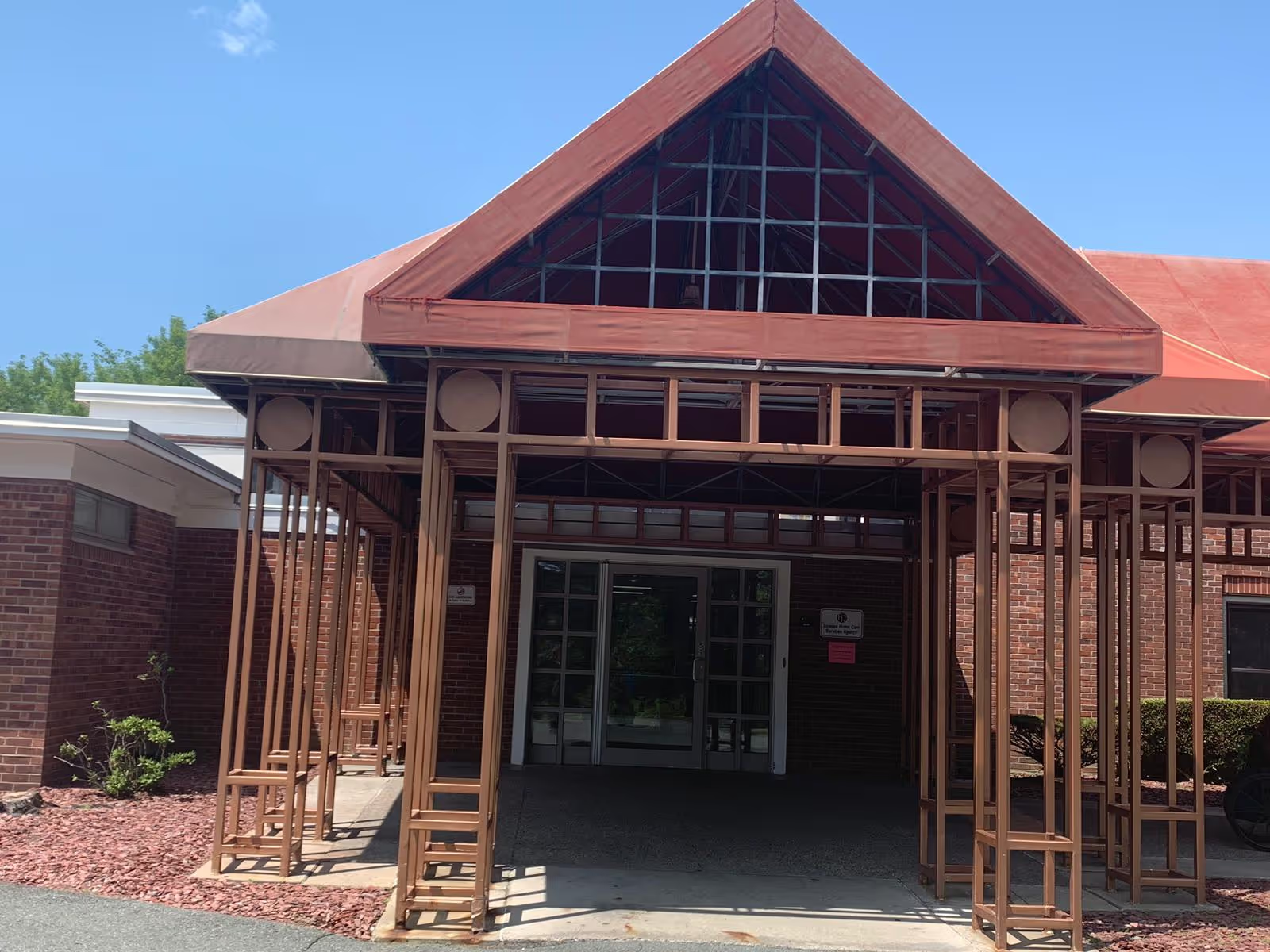
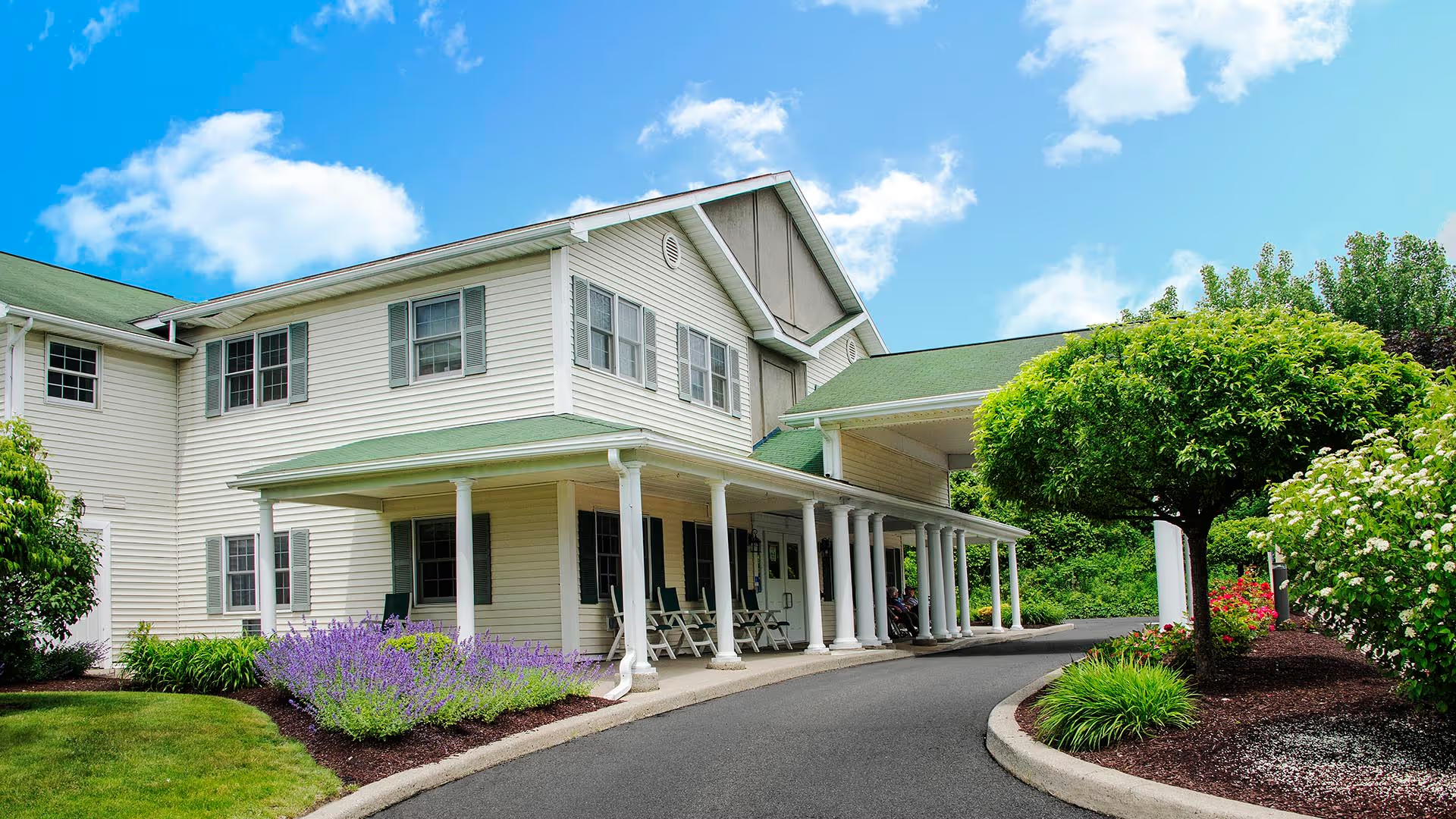
Facilities and sanitation: many reviewers compliment the facility’s exterior landscaping, updated rehab areas, and clean, tidy rooms. However, other accounts identify uneven housekeeping and sanitation practices in some units, occasional pest-control or mold concerns, cobwebs, and broken cleaning or dishwashing equipment. Equipment and supply management issues (missing wheelchairs, broken items, clothing misplacement) were described and raise concerns about inventory controls and unit-level oversight. The facility’s size was cited as a factor complicating consistent oversight across all units.
Management and communication: administration receives mixed feedback. Some families praise responsive administrators and individualized care coordination; others describe weak family notification practices, delayed callbacks from social work, restrictive communication policies during infection-control events, and instances characterized as privacy breaches or theft. These allegations are serious and, while they appear to be individual events, they point to gaps in incident reporting, transparency, and family communication protocols.
Notable patterns and takeaways: the dominant pattern is variability — strong clinical and therapy resources and compassionate staff coexist with operational inconsistencies that can materially affect daily life (timeliness of assistance, meal experience, cleanliness, and family communication). Prospective residents and families would benefit from an in-person tour focused on current staffing levels, call-light response metrics, wound and pressure-injury management practices, dining and diet-plan processes, activity schedules, infection-control policies, and incident/asset-management procedures. Asking for recent staffing rosters, therapy schedules, and examples of family communication protocols can help clarify whether the facility’s strengths are being delivered consistently across the units relevant to a prospective resident.