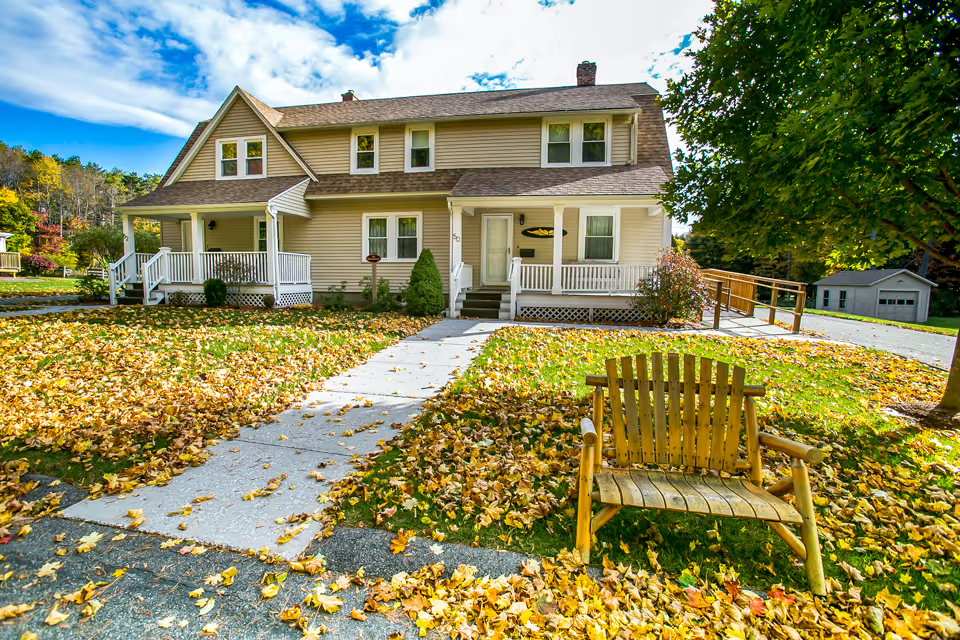
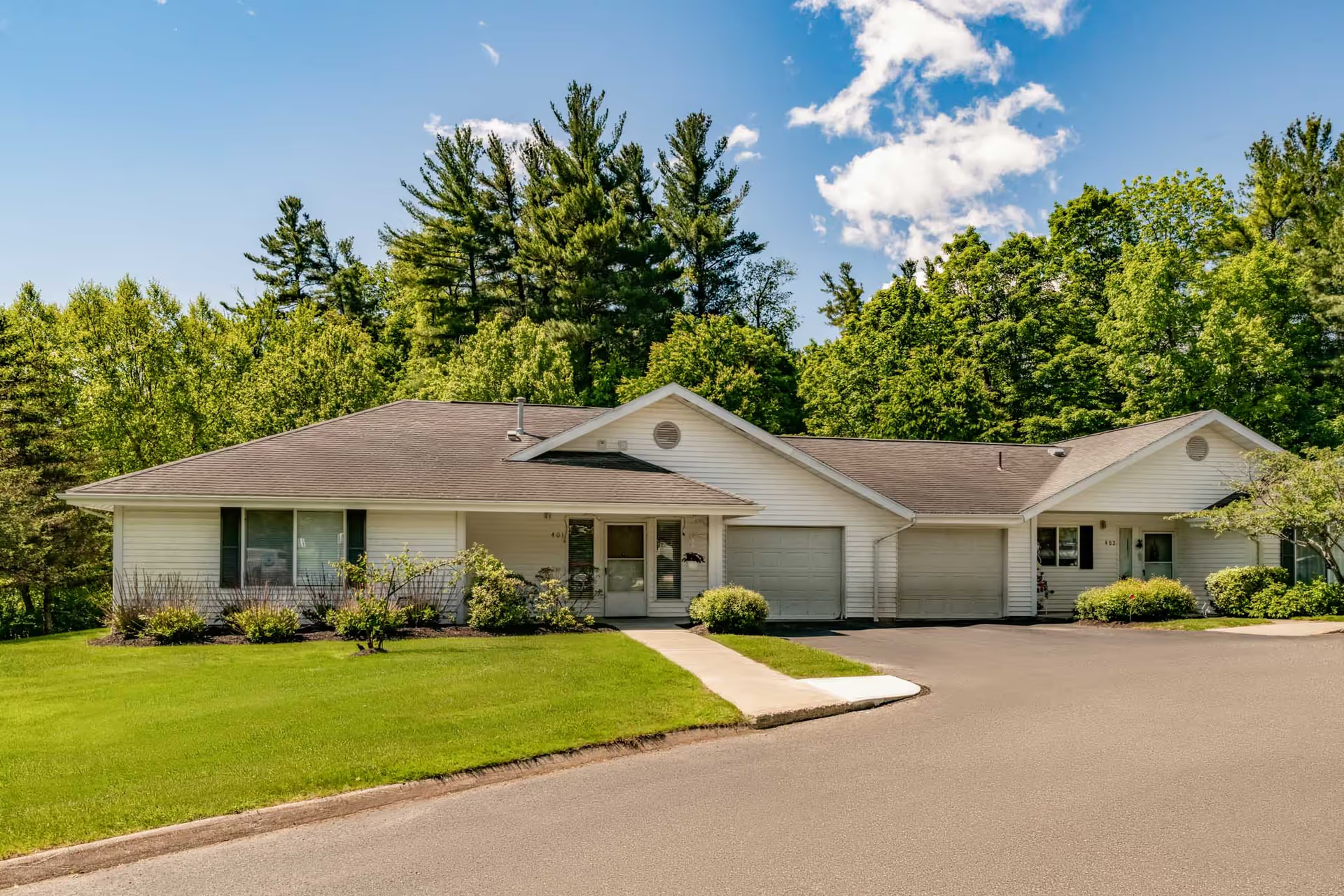
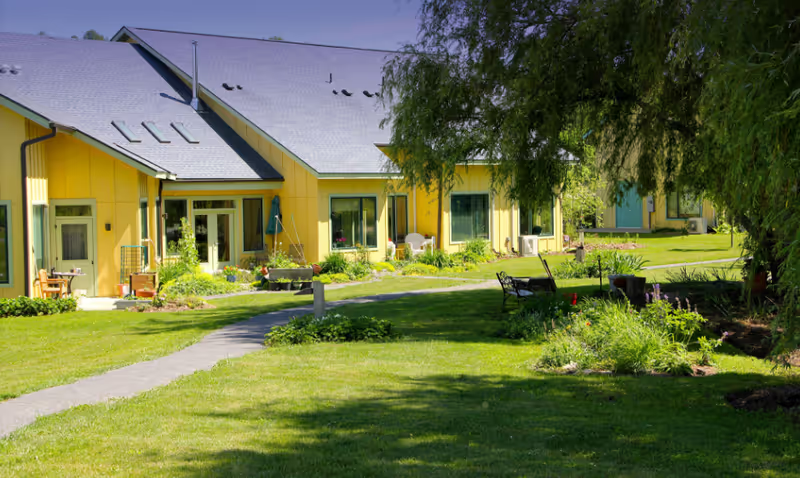
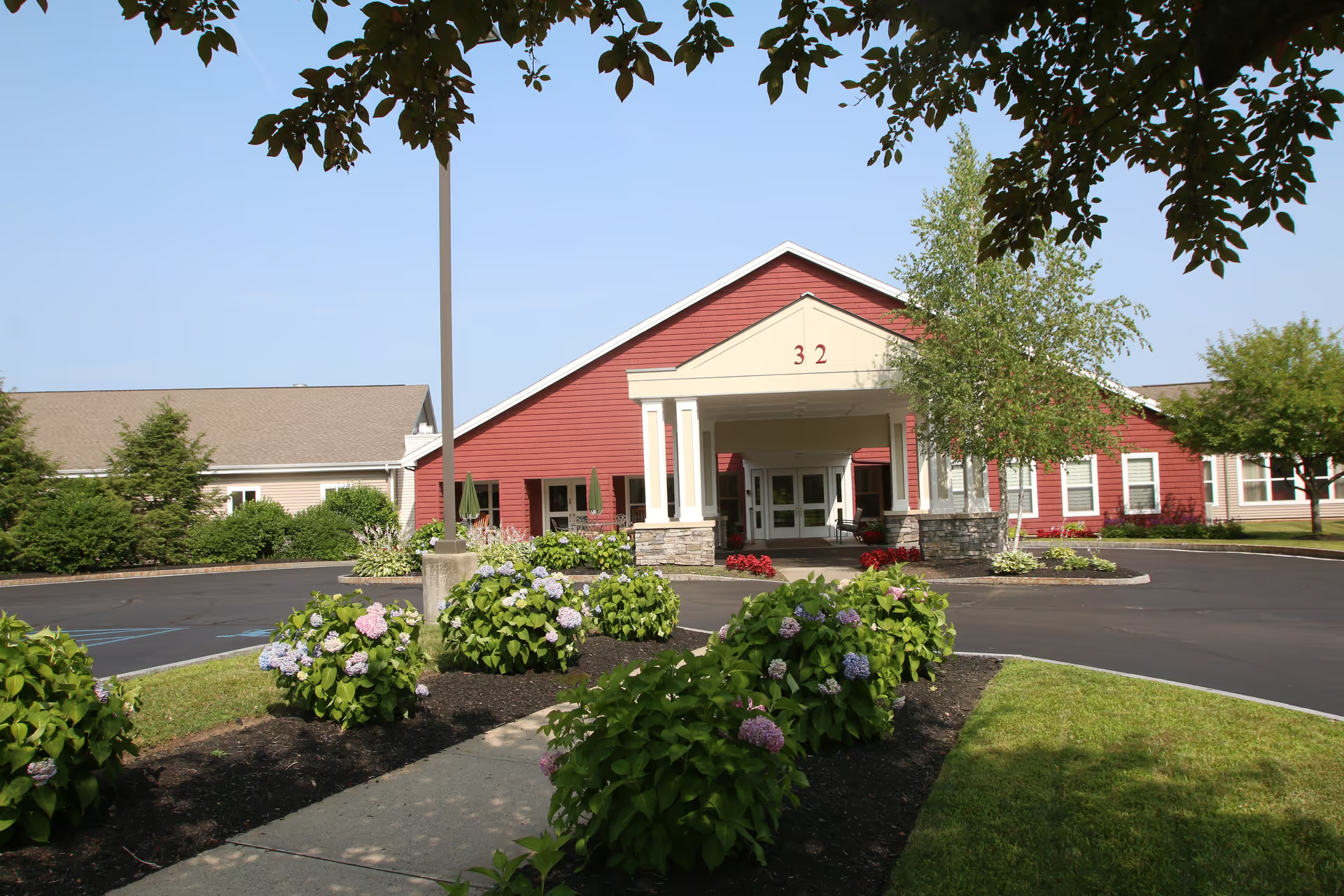
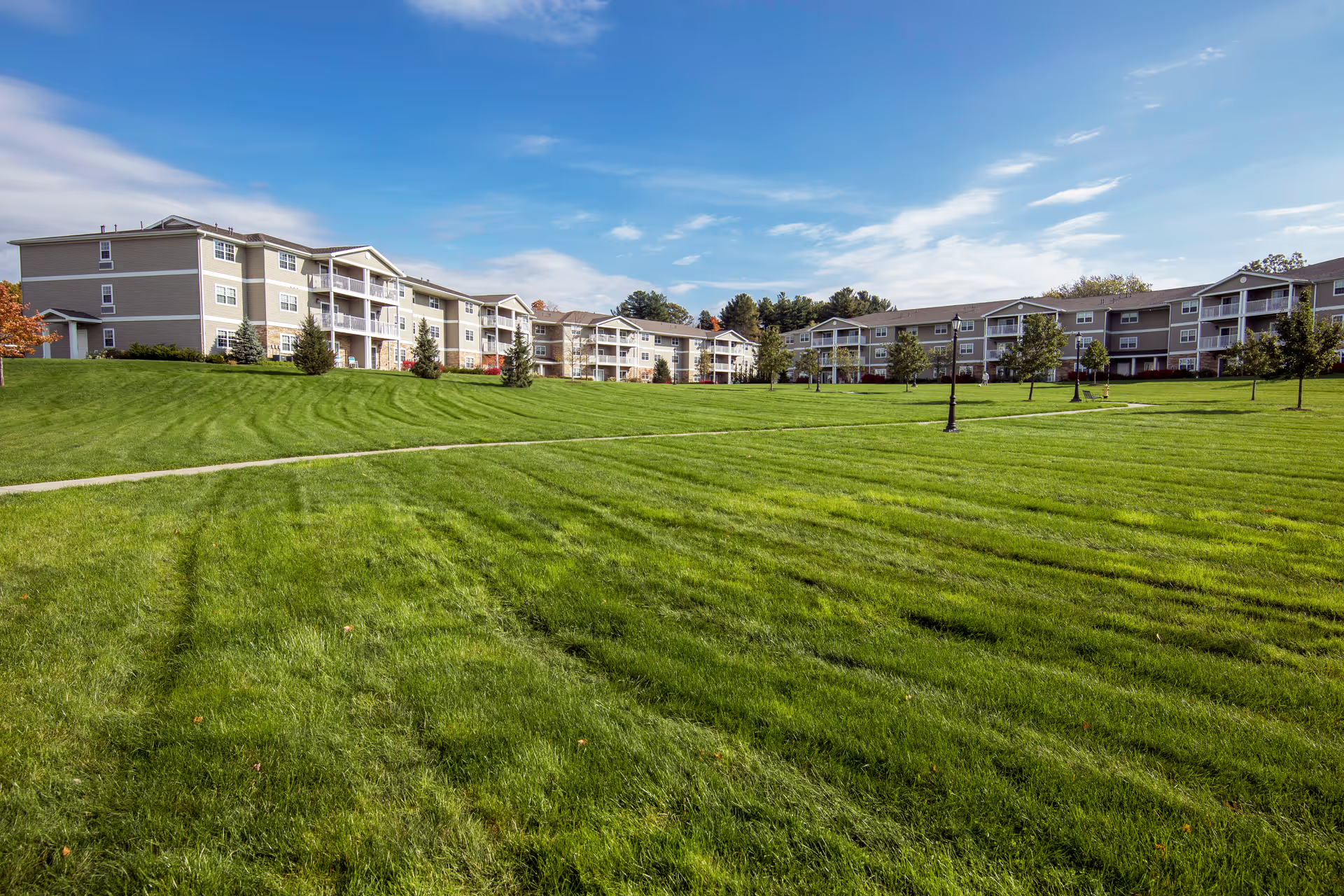
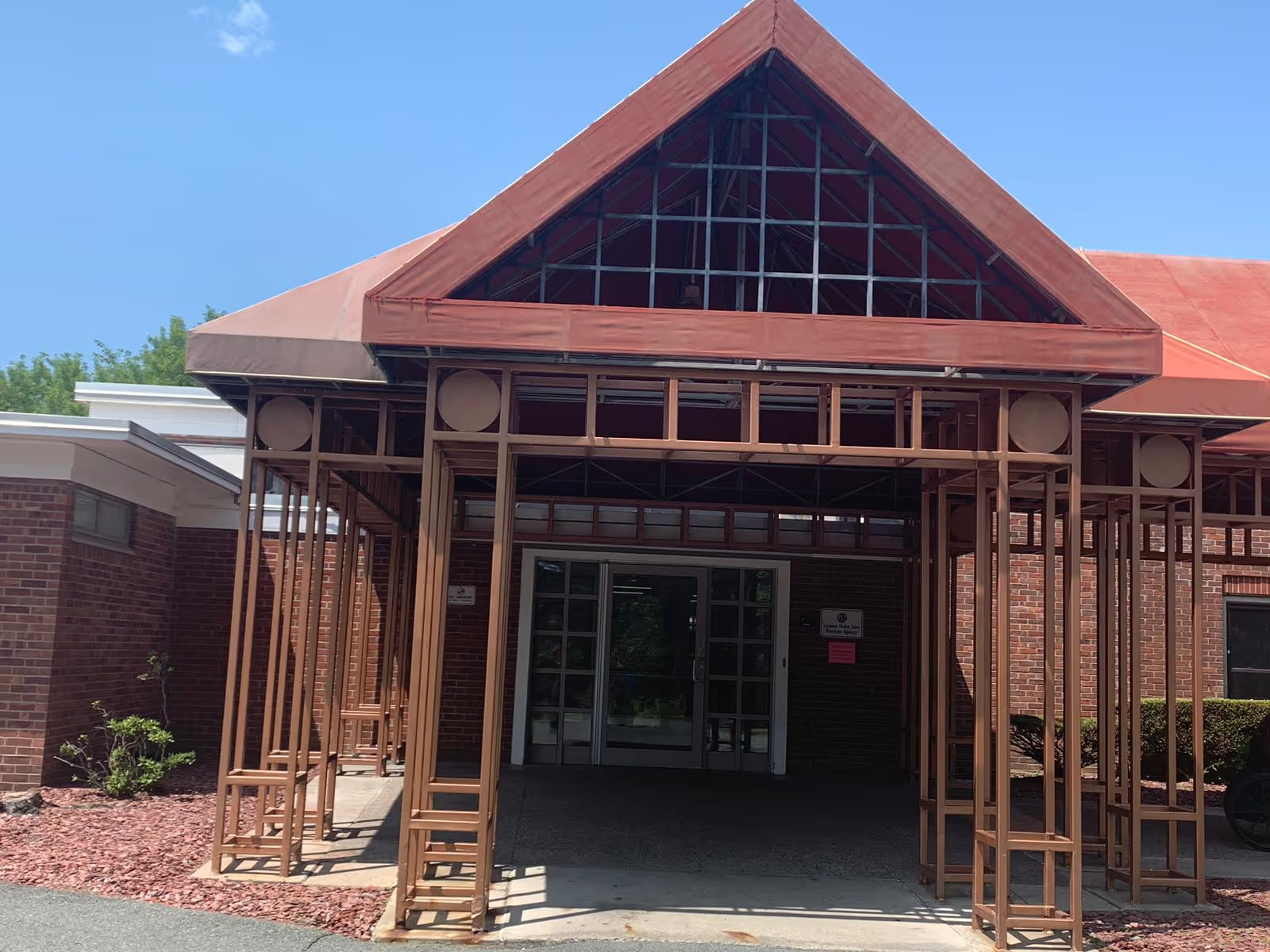
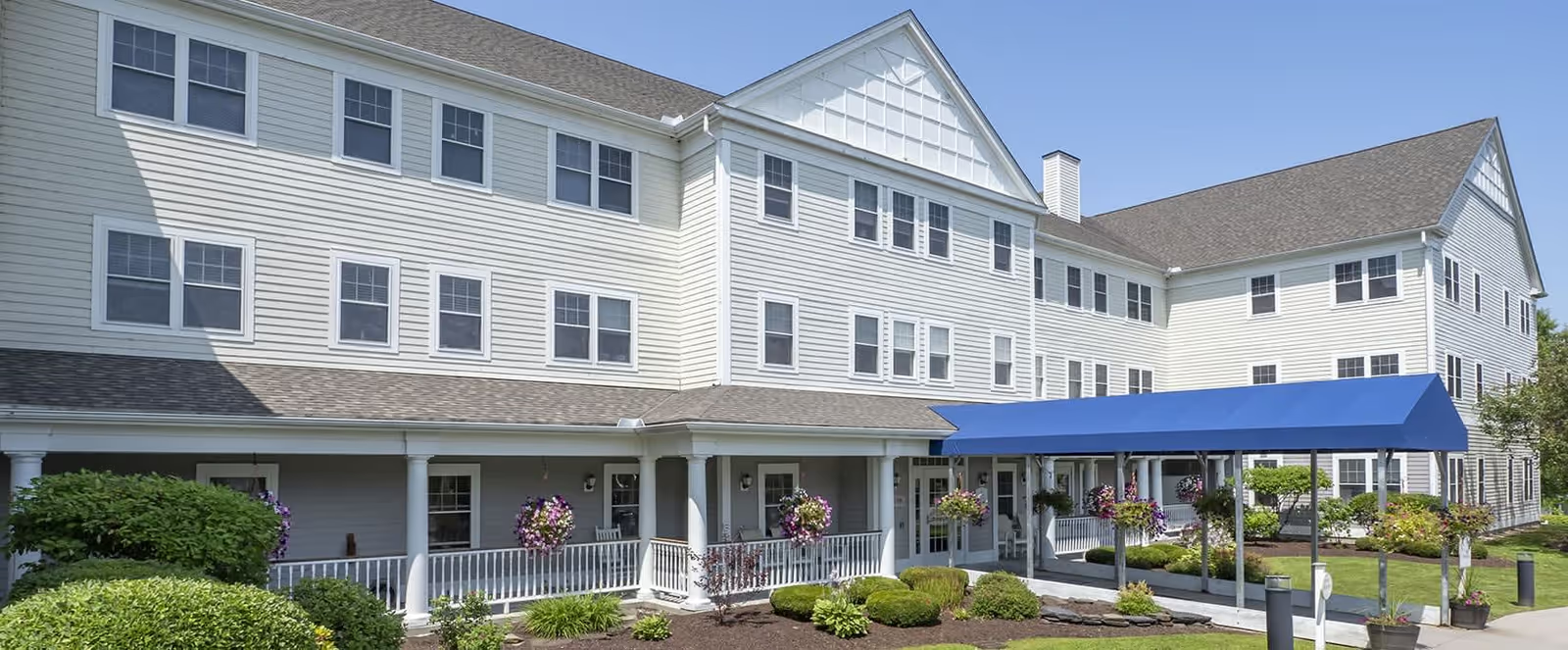
Overall impression: The facility receives consistently positive feedback for the frontline caregiving team and its rehabilitation capabilities, while operational and accommodation issues emerge as recurring concerns. Families and residents frequently describe nursing and therapy staff as compassionate, patient, and technically skilled; many highlight successful rehab outcomes and attentive end-of-life support. The facility offers a full range of therapy services, on-site amenities such as a salon, activities programming, and attractive outdoor spaces with wooded views, and its location adjacent to a hospital is seen as a practical advantage.
Care and staff: Clinical care and rehabilitation are strengths. Reviewers emphasize effective PT/OT/speech services and individualized therapy progress. Nursing staff are commonly described as caring and communicative, with several families noting clear updates and prompt reporting on clinical issues. At the same time, there are operational gaps: responsiveness to call bells and routine requests is uneven, and staffing level variability appears to affect continuity of care at times. There are also isolated concerns about medication-management consistency and occasional unprofessional communication among staff members.
Dining and activities: The facility provides activities programming and therapy spaces that residents and families find engaging. Meal service receives mixed feedback — some residents are well fed and satisfied, while others cite inconsistent food quality and small portion sizes. The presence of a salon and organized activities contributes positively to quality of life, and outdoor seating and views are repeatedly noted as beneficial for resident well-being.
Facilities and daily living: The building and grounds are generally viewed positively: modern-feeling spaces, free parking, and private outdoor areas are strengths. However, two facility characteristics recur as concerns: resident rooms are described as small with limited personal space, and housekeeping/cleaning routines are perceived as inconsistent. Reviewers also note issues with room equipment or repairs not always being completed in a timely manner, and some describe hallway crowding and residents seated in public corridors.
Management and policies: Families cite mixed experiences with administrative communication and follow-through. Some reviewers feel management is not fully forthcoming when operational problems arise, and there are examples of assistive devices or promised accommodations not being implemented consistently. Security procedures that require codes for entry and exit are viewed by some as overly restrictive and inconvenient. In addition, accessibility for hearing-impaired residents is a notable area of concern: communication barriers (exacerbated by masking) and lack of effective interpreter services were specifically raised, with families referencing legal expectations for language-access accommodations.
Notable patterns to weigh: Prospective residents and families should balance the facility's clear strengths in compassionate bedside care and robust rehabilitation services against operational variability in housekeeping, responsiveness, medication handling, and accommodations for sensory impairment. Many families express gratitude and describe excellent individualized care, while others highlight systemic reliability issues that can affect day-to-day comfort and communication. Those with hearing-impaired residents or who require consistent responsiveness or frequent repairs would be advised to discuss specific accommodations and service-level expectations with facility leadership before admission.