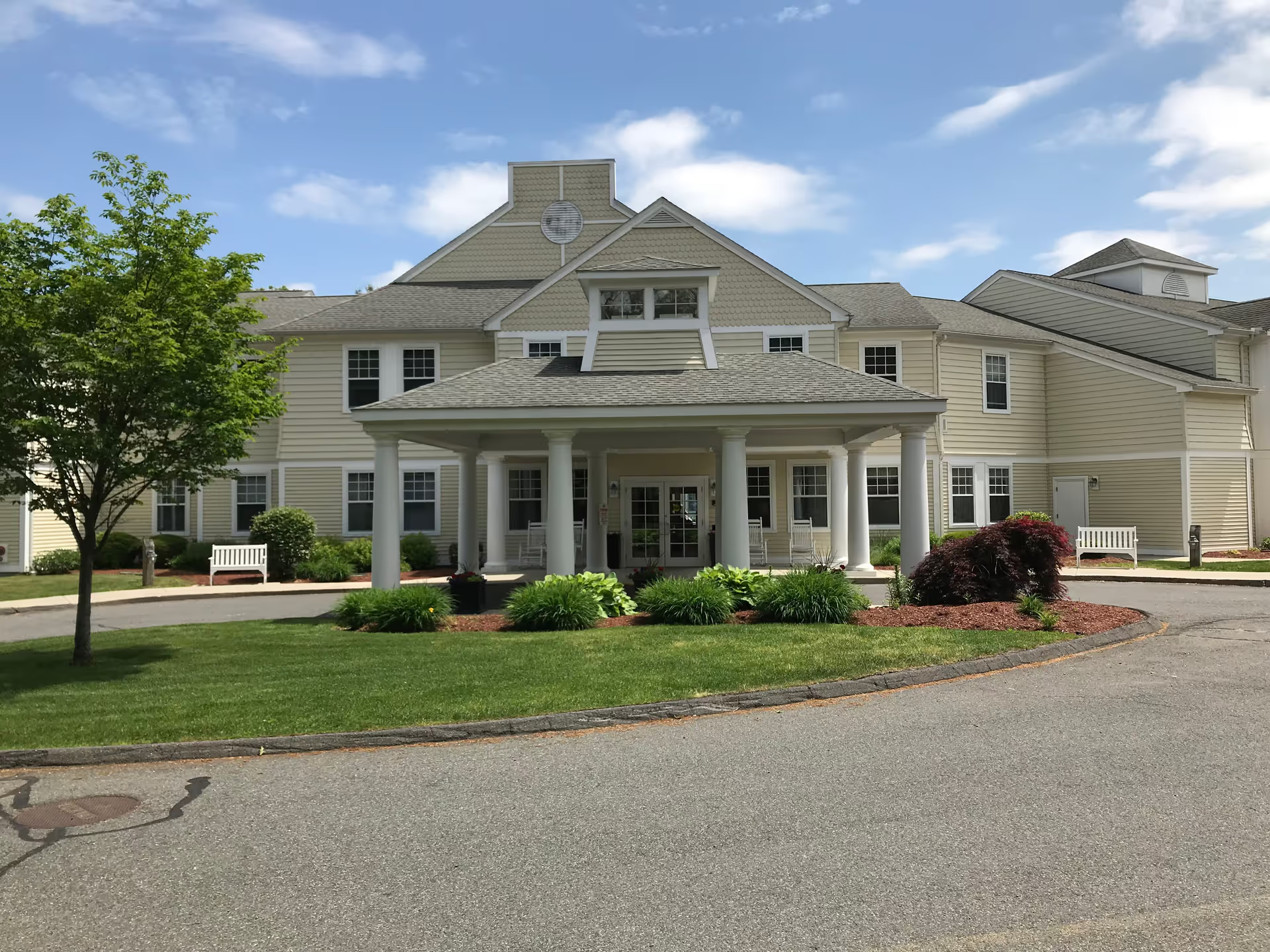
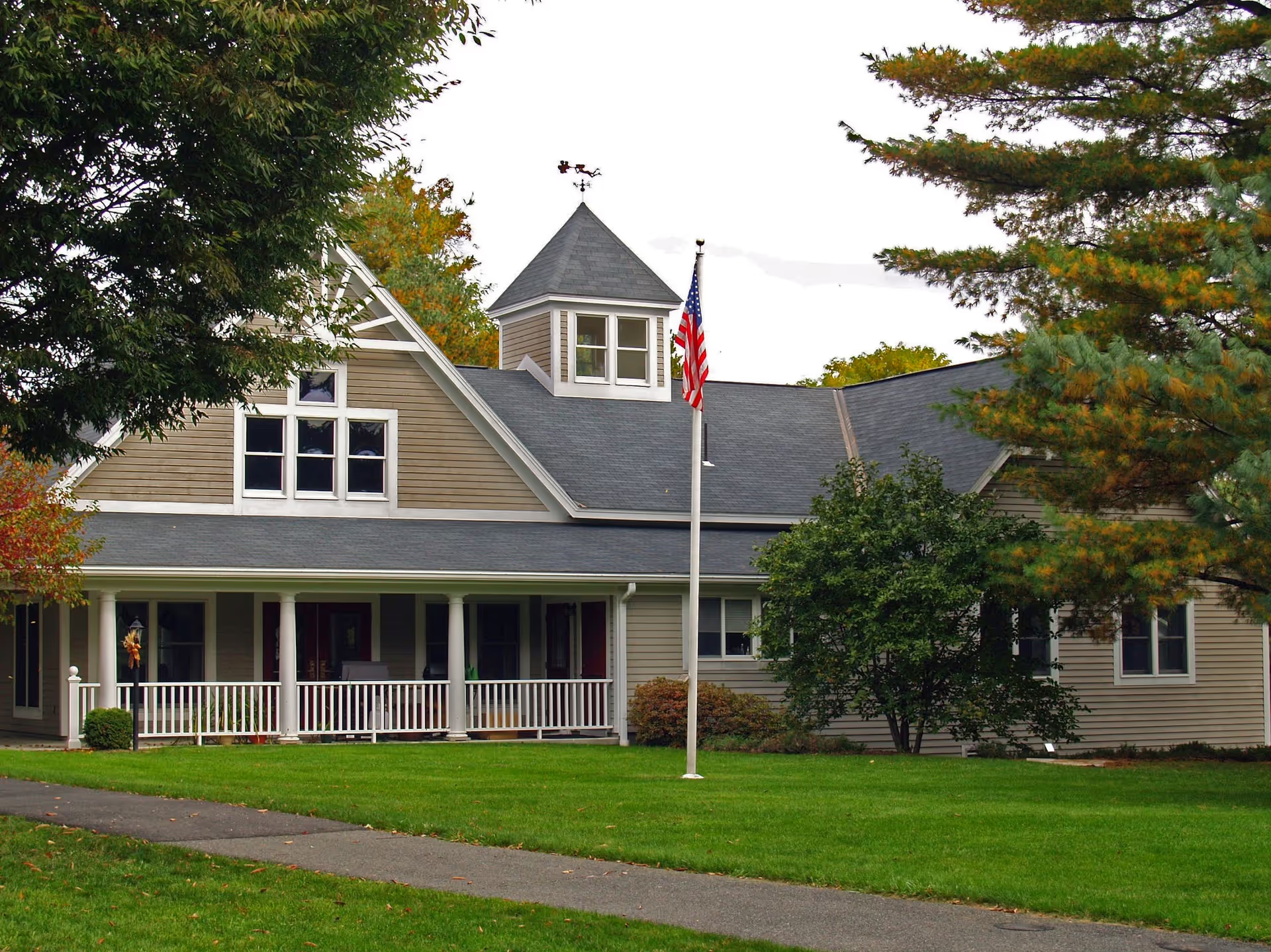
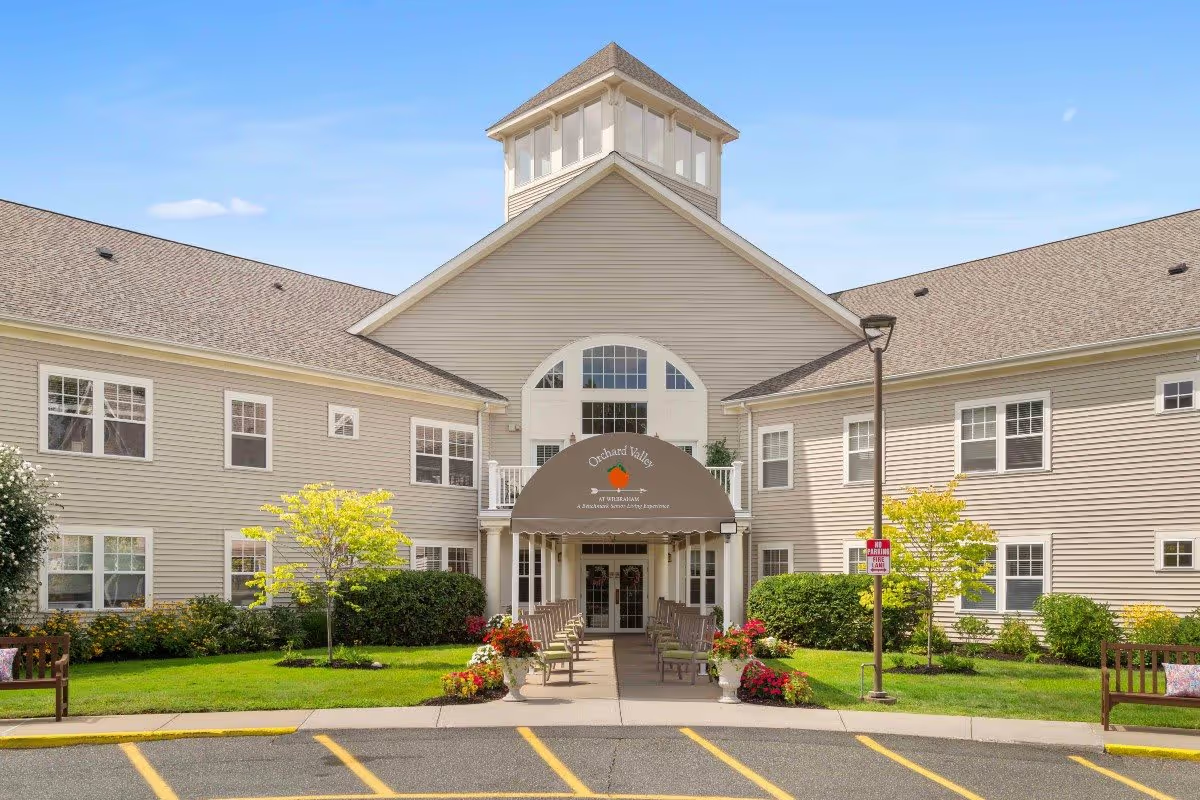
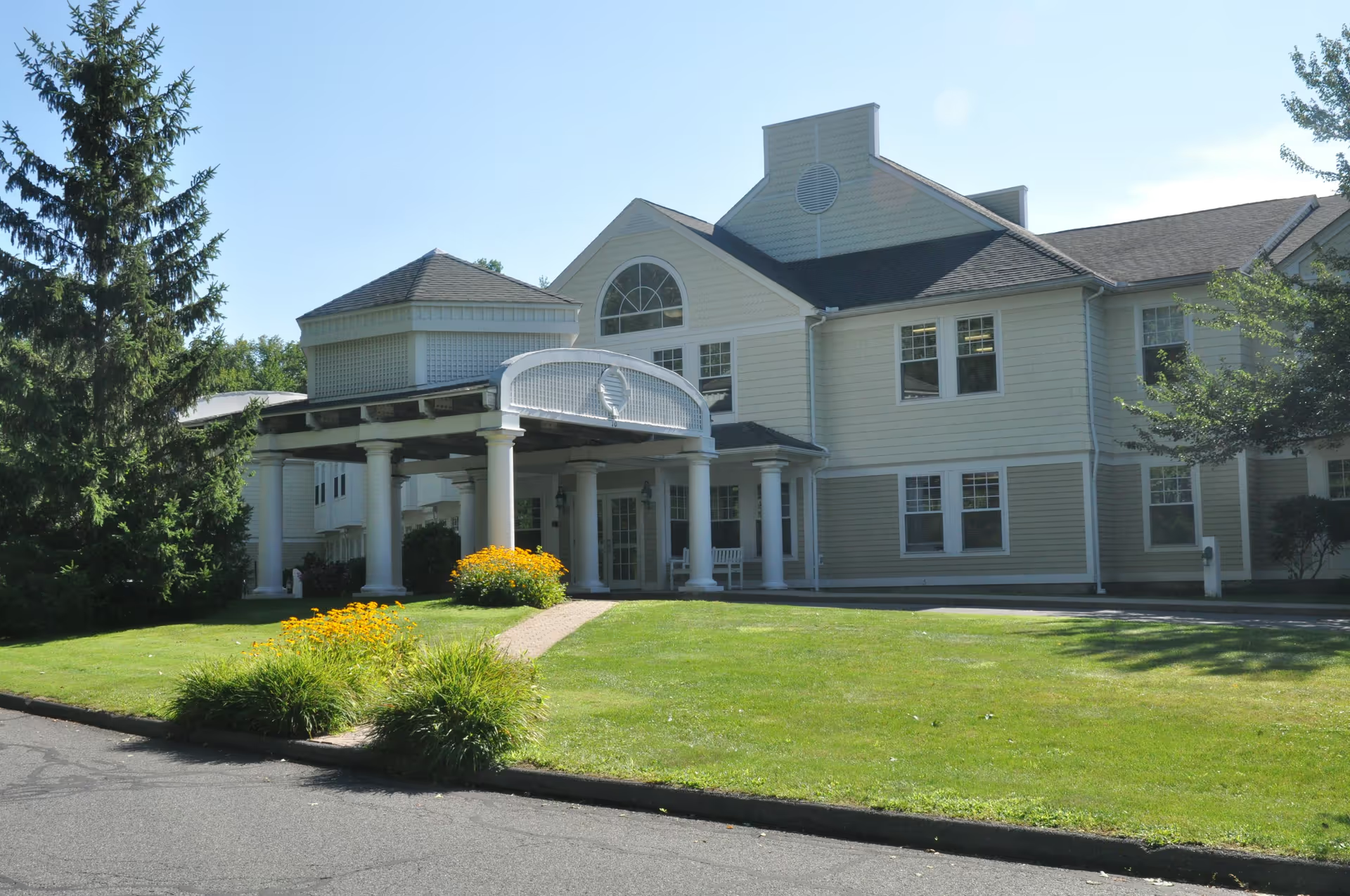
The reviews present a mixed picture of care at Pioneer Valley Health & Rehabilitation. Many families and residents describe compassionate, attentive nursing and aide staff who provide personalized support, emotional presence, and timely clinical attention. The facility's clinical and therapy teams receive positive mentions for knowledge and helpfulness, and several accounts highlight effective hospice collaboration and peaceful end-of-life experiences. The rehabilitation department is specifically praised by multiple sources for helpful therapists and positive outcomes for some patients.
Alongside those positive accounts are consistent operational concerns. Medication-management lapses and fragmented care coordination appear repeatedly, and reviewers describe communication breakdowns between clinical staff, social work, and families. Staffing inconsistency is a recurring theme: reviewers cite limited coverage or delayed responses that affect routines, mobility support, and timely attention after falls or clinical changes. Discharge coordination and documentation are another area of weakness, with instances of incomplete or missing discharge summaries and delayed transitions back to home or downstream care.
Dining experiences are polarized. Some reviewers commend the kitchen and waitstaff for excellent, comforting meals and an improved dining atmosphere. Others report inconsistent meal quality, small portions, meals served cold or from off-site sources, and menus that do not match posted offerings—suggesting variability in food-service execution and portioning. Facility and room conditions are similarly mixed: while some units are described as clean and bright, other accounts note sanitation and odor concerns in common areas, unaddressed stains, pest-control issues, and maintenance problems such as inoperable phones, internet outages, and unreliable equipment.
Management and business practices emerge as a notable pattern. Several reviews praise administrators who attempted to address problems, yet there are also reports that raise concerns about financial management, including alleged nonpayment to vendors and billing disputes. These financial and administrative issues reportedly affect the availability of supplies and the ability to place orders, which reviewers link to downstream care impacts. Social-work and administrative responsiveness is uneven—families describe both helpful caseworkers and difficult-to-reach or unresponsive personnel.
Overall, the facility appears to deliver high-quality, compassionate bedside care in many cases, particularly in hospice and therapy contexts, but suffers from operational inconsistencies that affect medication safety, communication, meal service, cleanliness in some areas, and administrative reliability. Prospective residents and families should prioritize an on-site visit and targeted questions about medication protocols, staffing ratios and coverage, meal service procedures, pest control and housekeeping standards, discharge processes and documentation, and the facility’s financial/vendor stability. Asking to meet the supervising nurse, therapy lead, social worker, and the administrative contact who handles vendor relations can help assess how consistently the facility can maintain the level of care and operations described in the positive reviews.