Reviews for Windsor Skilled Nursing–Rehab present a mixed but instructive picture. Many accounts emphasize strong clinical and rehabilitative capabilities: interdisciplinary teams (nursing, PT/OT, social work, case management) are frequently described as collaborative, communicative, and effective, and several families credited the therapy team with clear functional gains. Reviewers consistently highlight compassionate, attentive caregivers and long staff tenure among CNAs and nurses, which suggests workforce continuity and an established culture of direct-care experience.
Dining and hospitality are commonly cited strengths. Multiple comments praise house-made recipes and higher-caliber meals compared with typical skilled-nursing fare, and some families said dining exceeded expectations. Common areas and rooms are often described as clean and odor-free, supporting an overall impression of routine sanitation and maintenance for many residents.
Alongside these positives, there are recurring operational concerns. Several accounts describe uneven staff conduct and responsiveness; these range from respectful, dignified interactions to reports of staff being dismissive or slow to attend to residents. Relatedly, reliance on part-time coverage and inconsistent staffing patterns is a noted theme that can affect continuity of care. Reviewers also mention variability in therapy delivery and scheduling, indicating that rehabilitation quality can be uneven depending on timing and personnel assignment.
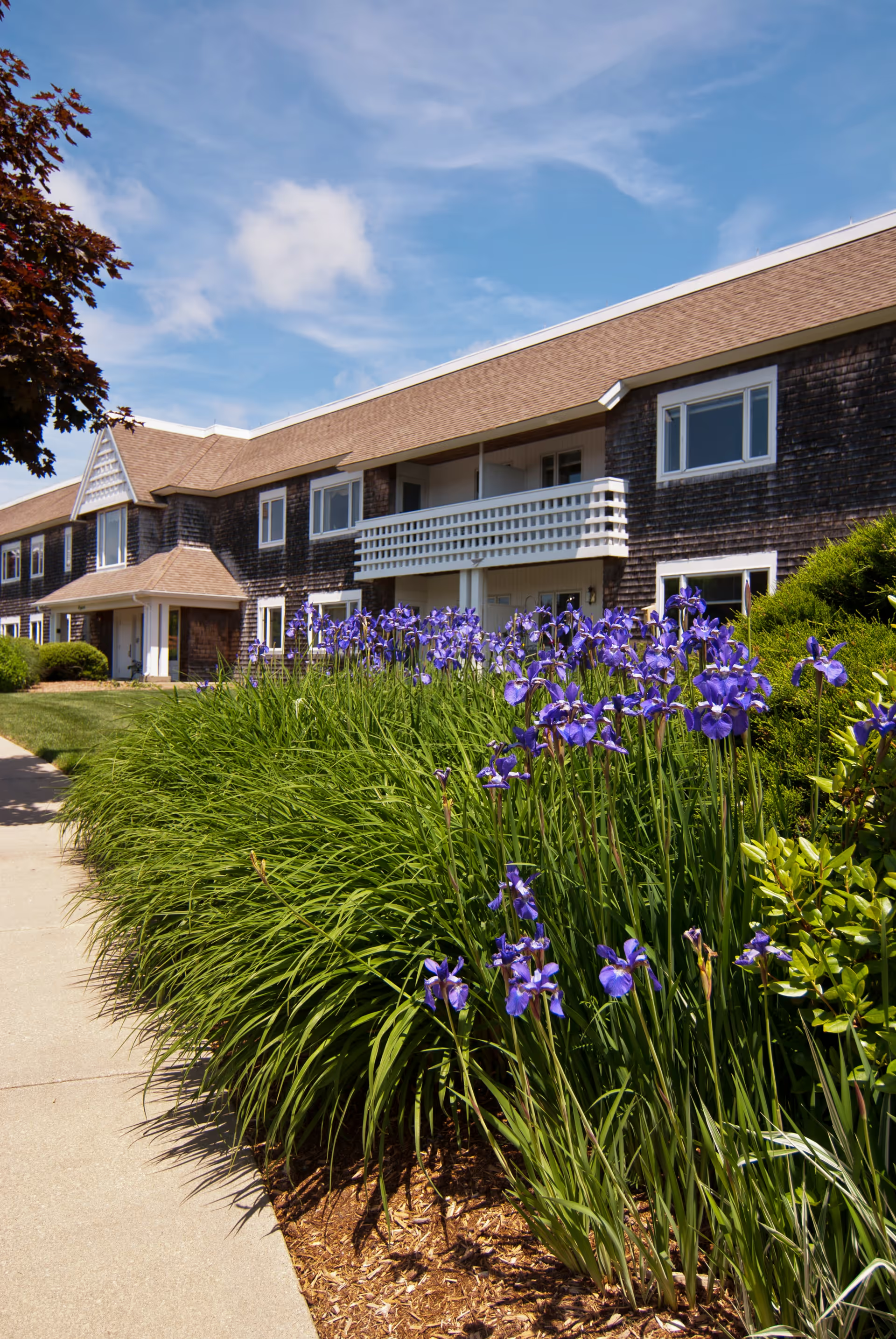
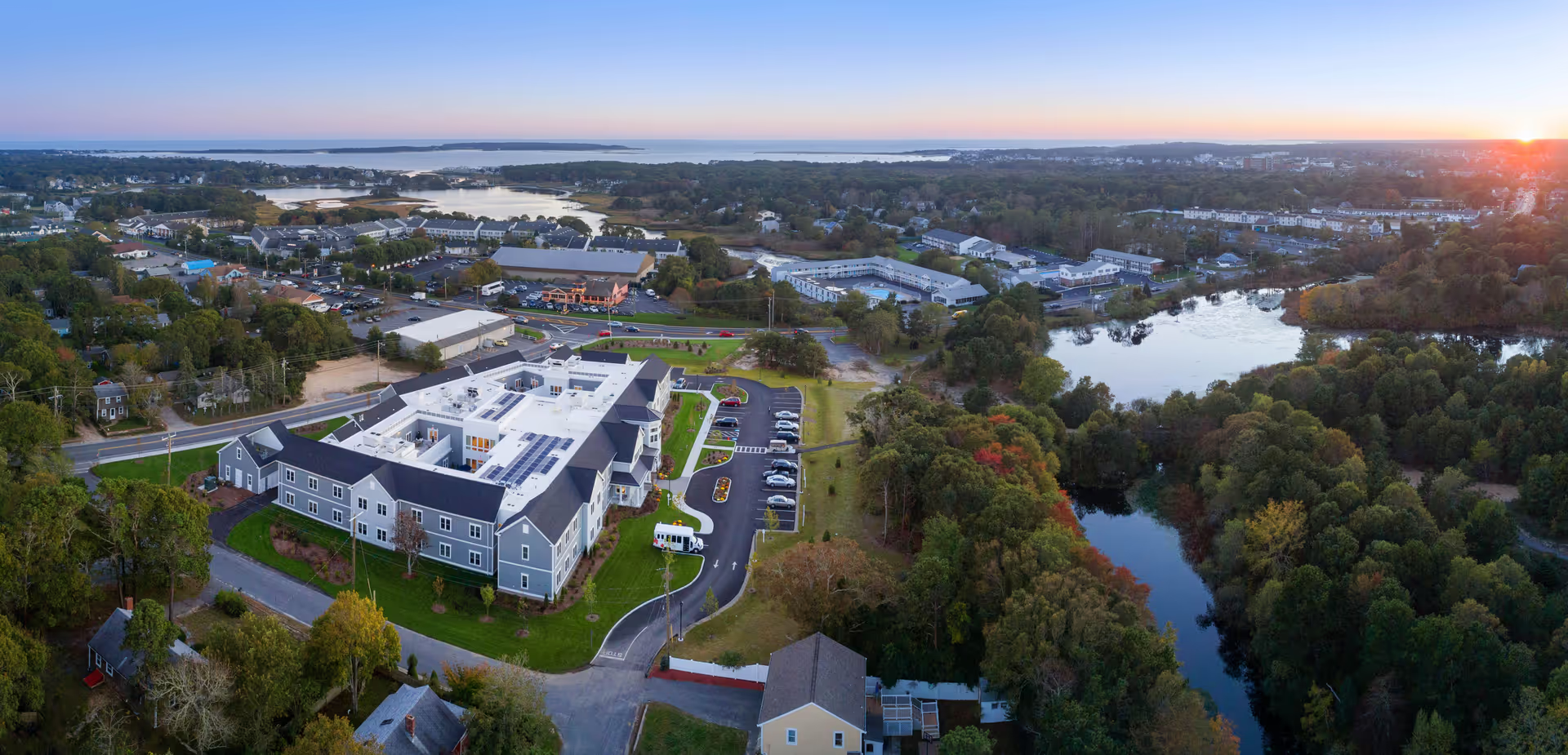
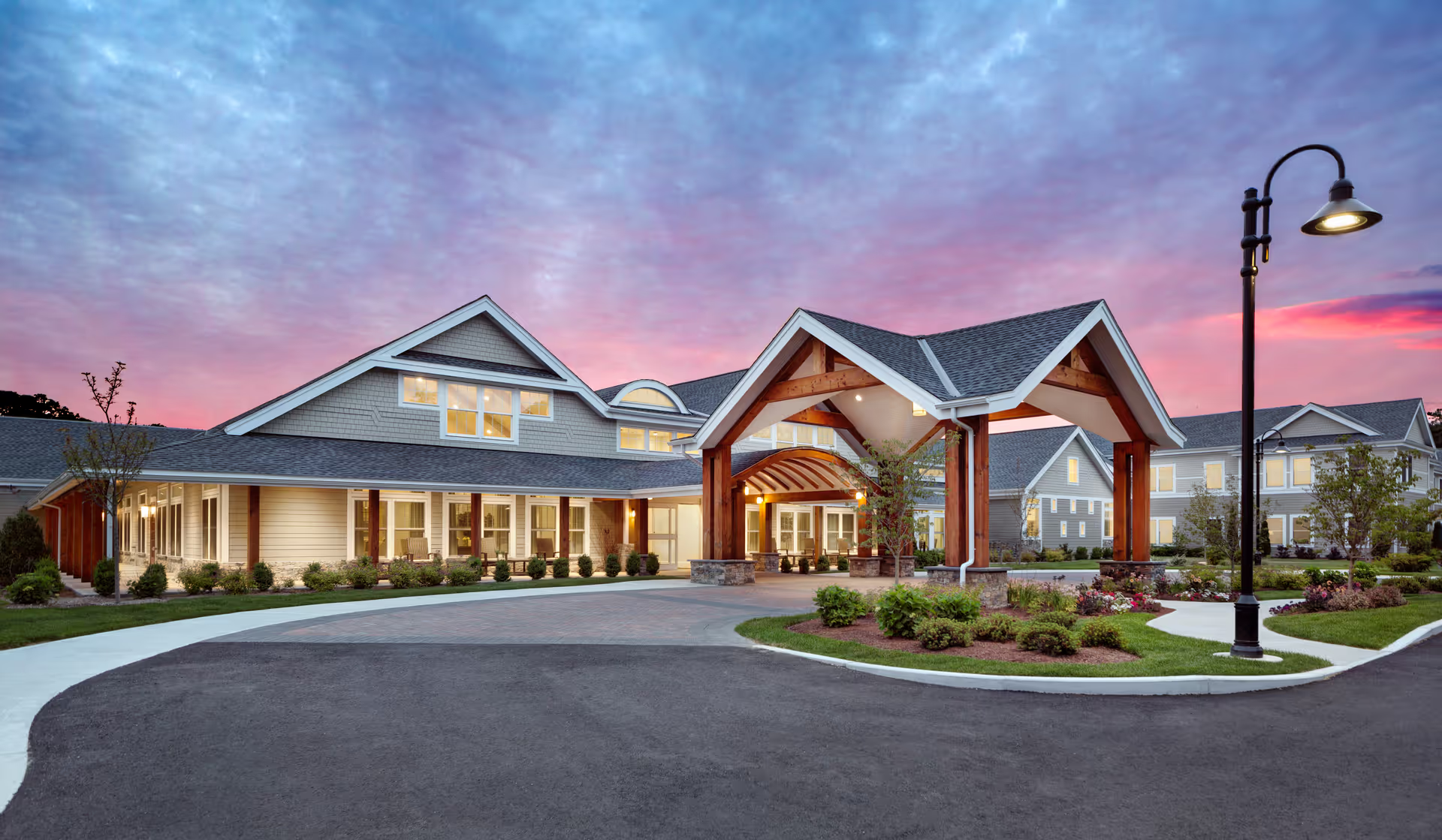
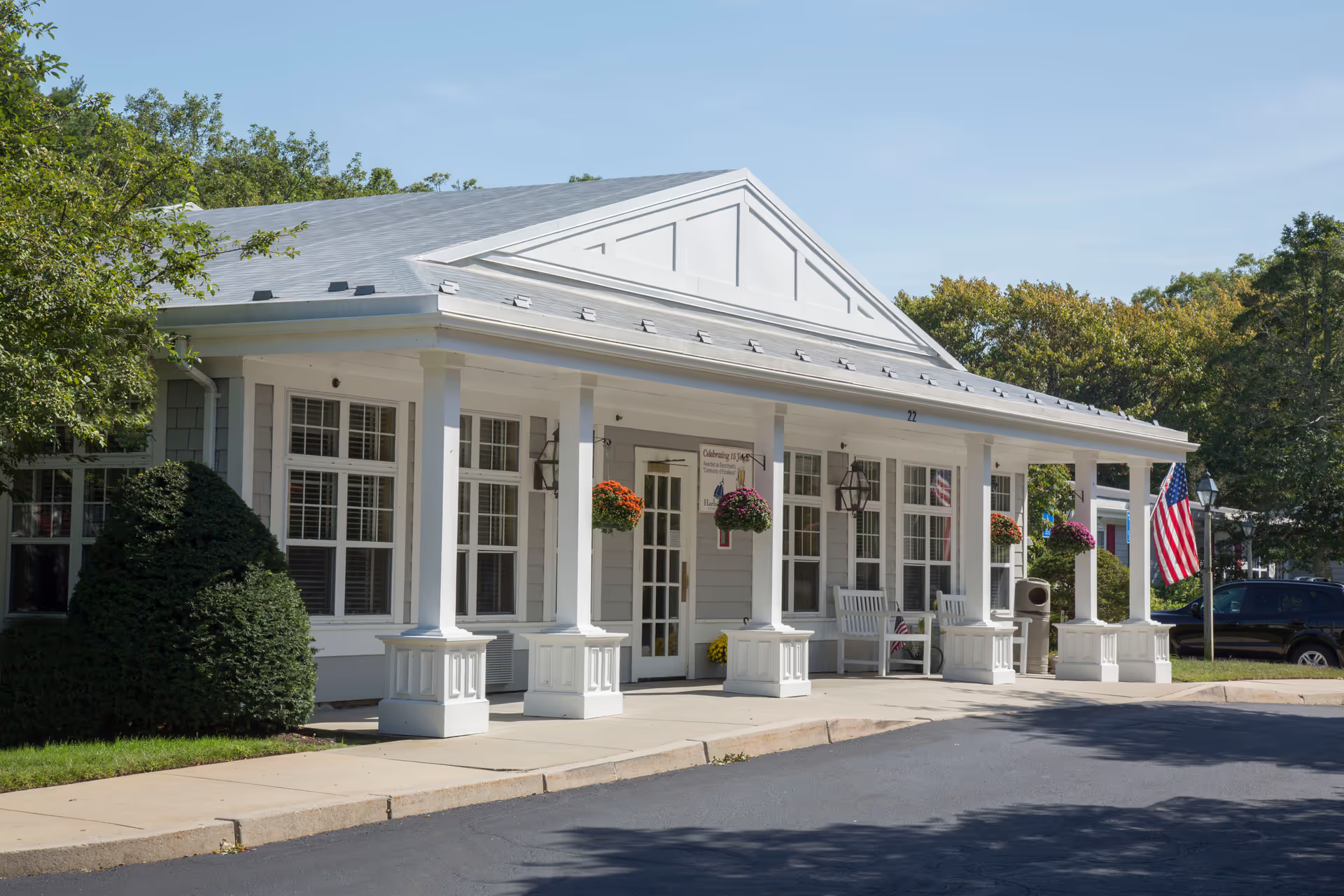
Facility condition and management communication present additional contrasts. While many reviewers report a well-kept environment, others describe cleanliness and upkeep problems in portions of the building, and a few noted older, dated physical plant characteristics. Communication gaps with families—particularly after adverse or end-of-life events—and limited follow-up were singled out as important areas for improvement. Privacy and dignity concerns were raised in a few accounts, suggesting that policies or practice around personal privacy may be applied inconsistently.
For prospective residents and families: Windsor appears to offer strong rehabilitation services, a long-tenured caregiving staff, and a higher-quality dining program under nonprofit management. At the same time, experiences appear polarized on staff consistency, facility upkeep in some areas, therapy scheduling, and family communication. A focused tour and targeted questions are recommended—ask about staffing ratios and use of part-time staff, cleaning and maintenance protocols, therapy schedules and measurable outcomes, family communication practices (including post-event follow-up), and how privacy and dignity are protected. These checks can help clarify whether the facility’s strengths align with a particular resident’s needs.