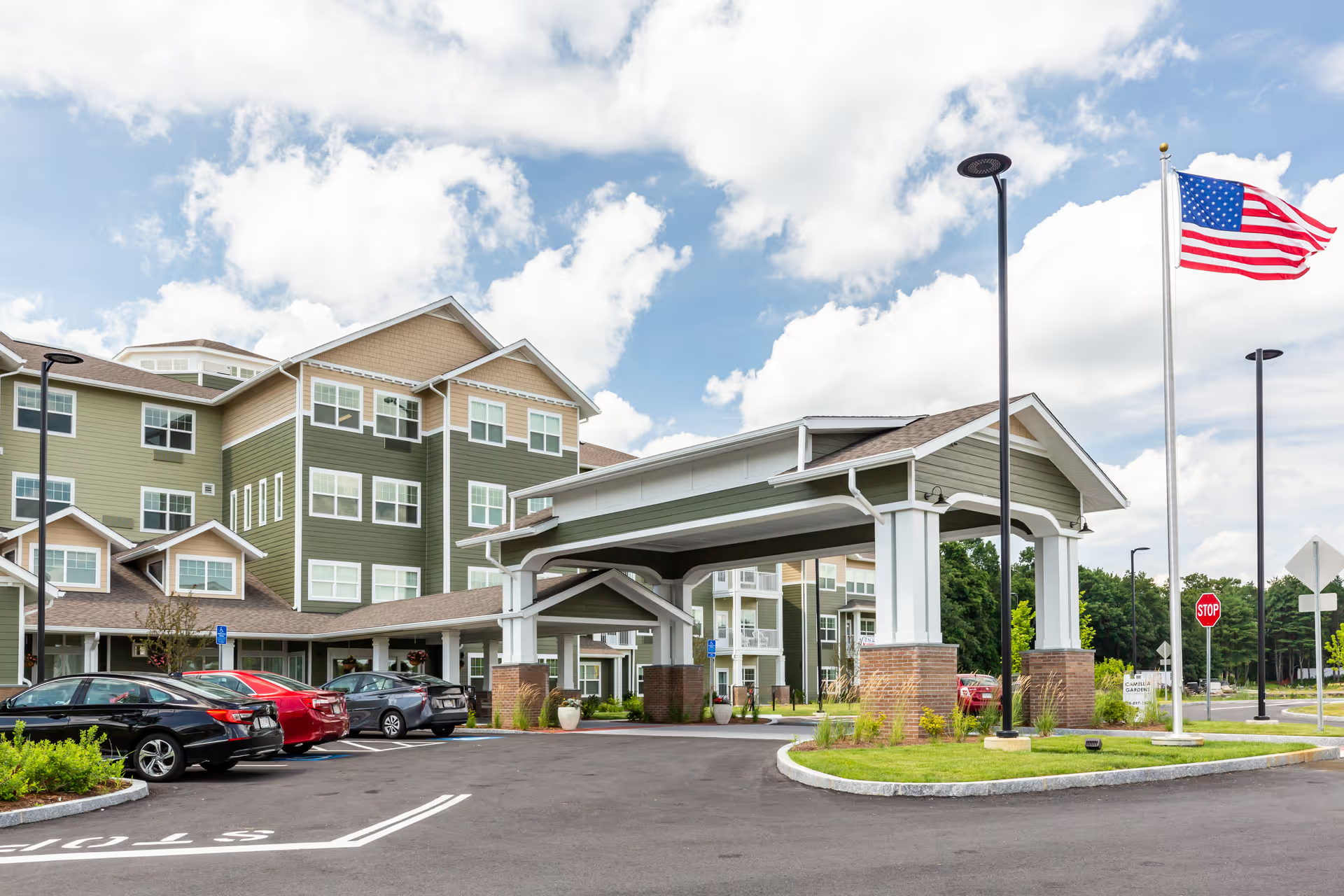
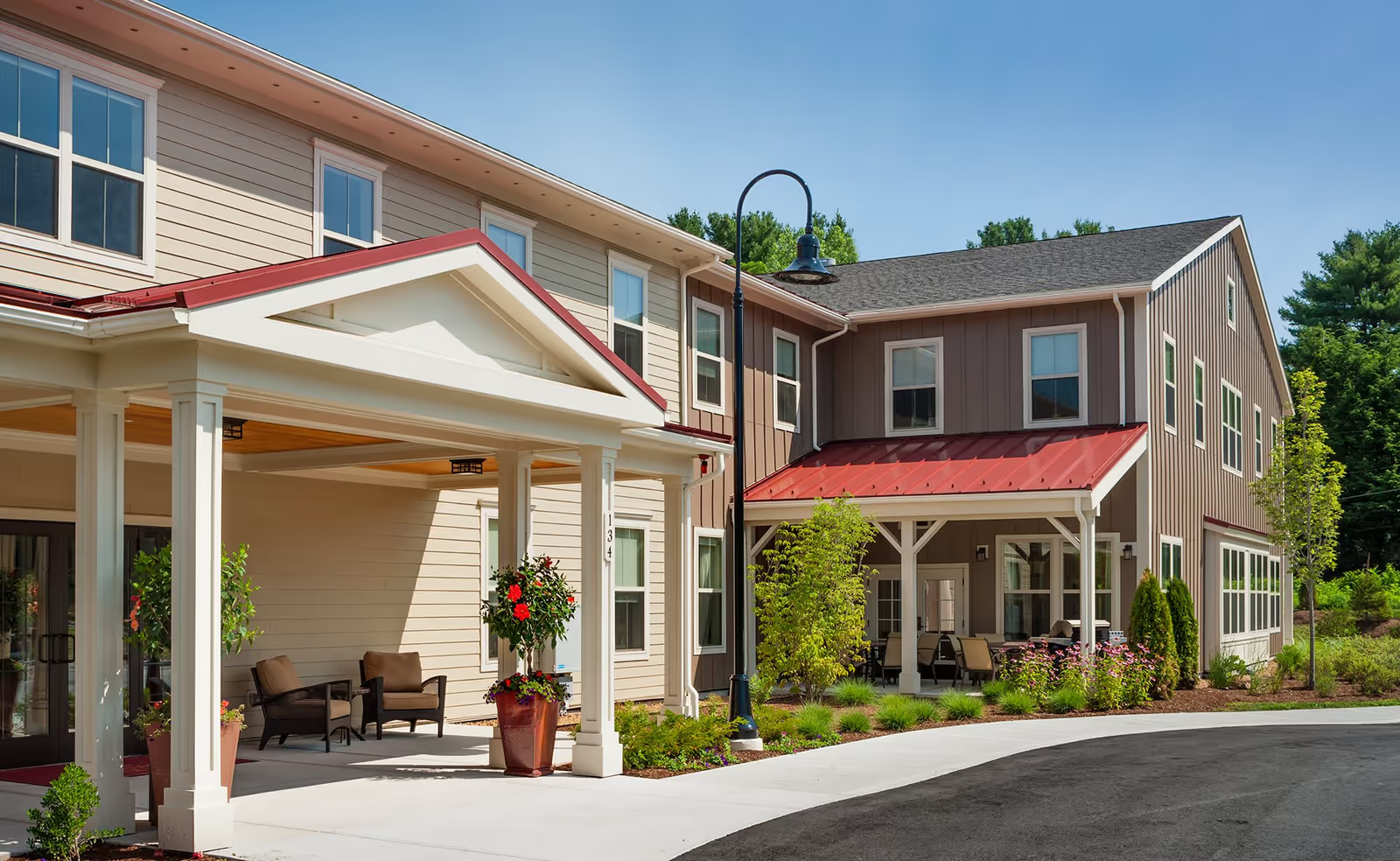
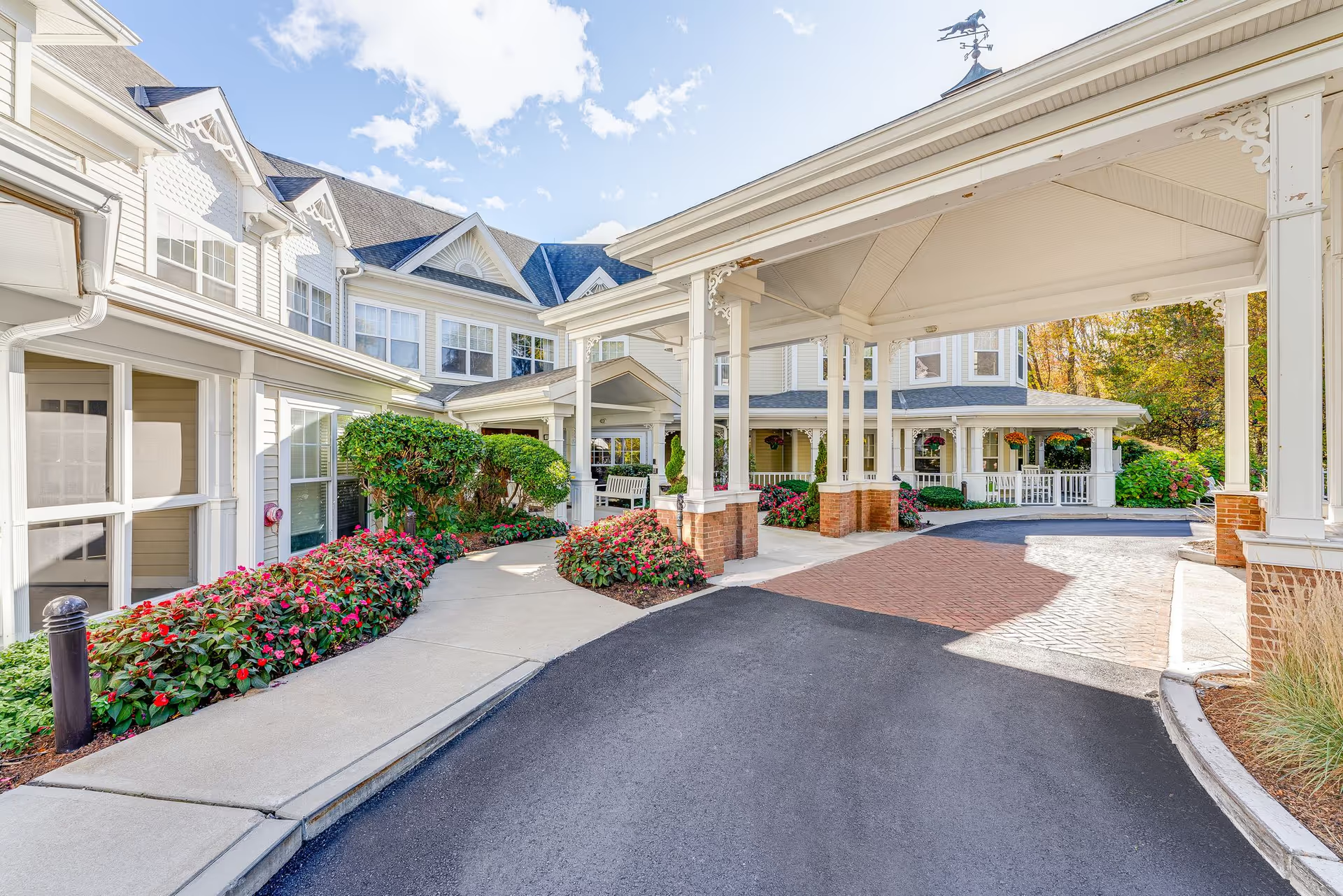
The body of feedback about Sudbury Pines Extended Care presents a mixed but distinct set of themes. Strengths include a consistent pattern of compassionate, hands‑on nursing and caregiving, and a rehabilitation program that many families credit with measurable gains (for example, patients discharged able to ambulate with a walker after therapy). Reviewers frequently describe individualized care approaches — tailored medication timing, flexible meals, and close attention to personal needs — and note the presence of on‑site clinical providers (physician assistant/nurse practitioner) that support those efforts.
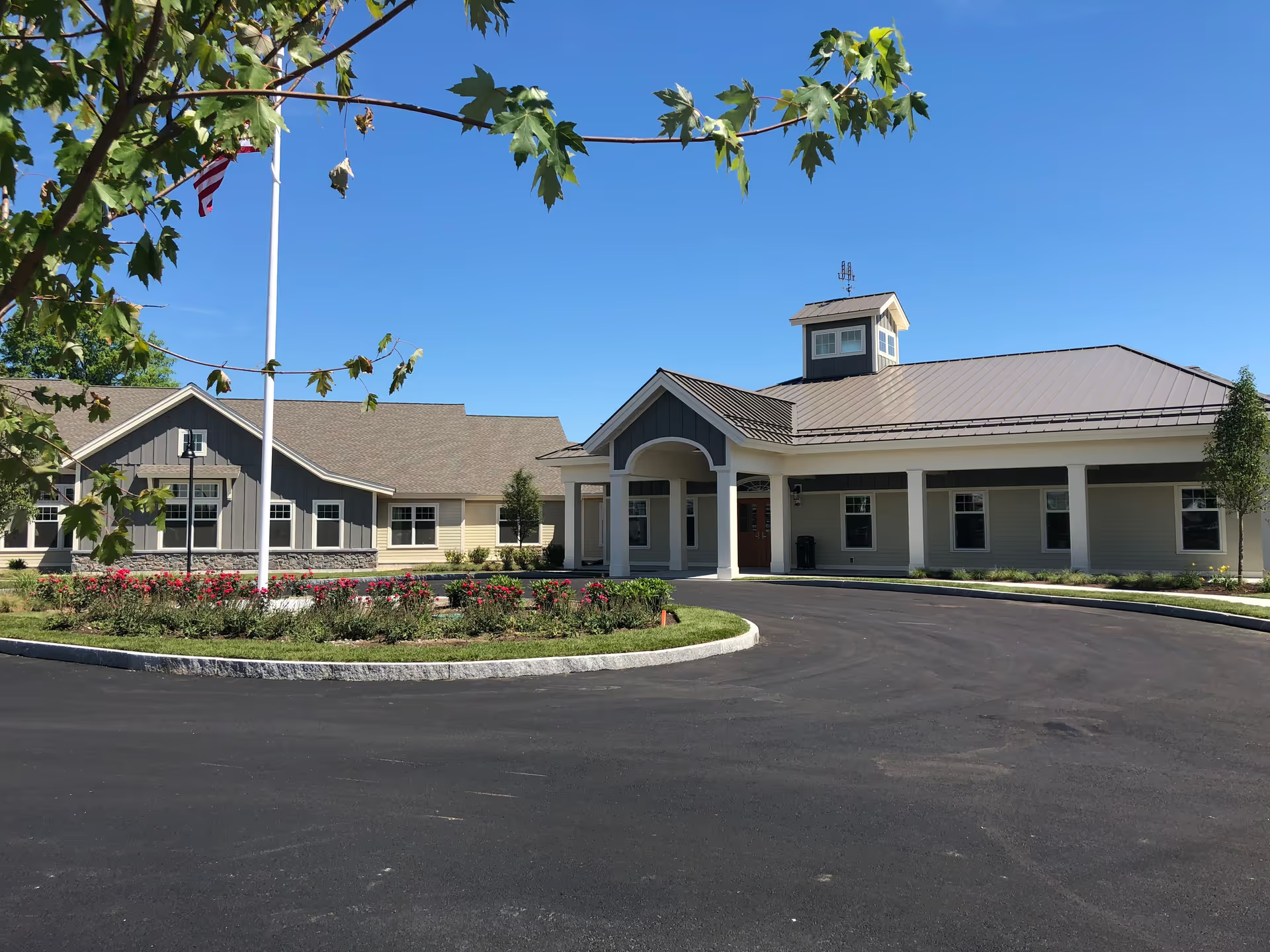
Staff and activities are widely cited as positive features. Many families praised aides, nurses, therapy staff, and activities personnel for keeping residents socially engaged, providing stimulating programming, and offering emotional support during difficult transitions and end‑of‑life care. The facility's scale and atmosphere are described as home‑like and family oriented rather than institutional; maintenance staff and groundskeeping receive favorable mention, including small projects such as growing herbs for the kitchen that contribute to a pleasant dining environment. Several accounts also highlight the kitchen's willingness to accommodate health‑conscious needs and substitutions.
At the same time, there are meaningful and recurring concerns. Cleanliness and odor control in some areas were called out by multiple families, sometimes associated with environmental irritation. While many described clean, antiseptic common areas, other accounts described sanitation concerns and inconsistent upkeep. Reviewers report variability in staff conduct and responsiveness: while numerous families praise attentive, respectful caregivers, others describe interactions with staff or leadership that they found uncaring or intimidating. These reports point to uneven staff performance or supervision rather than a uniform culture.
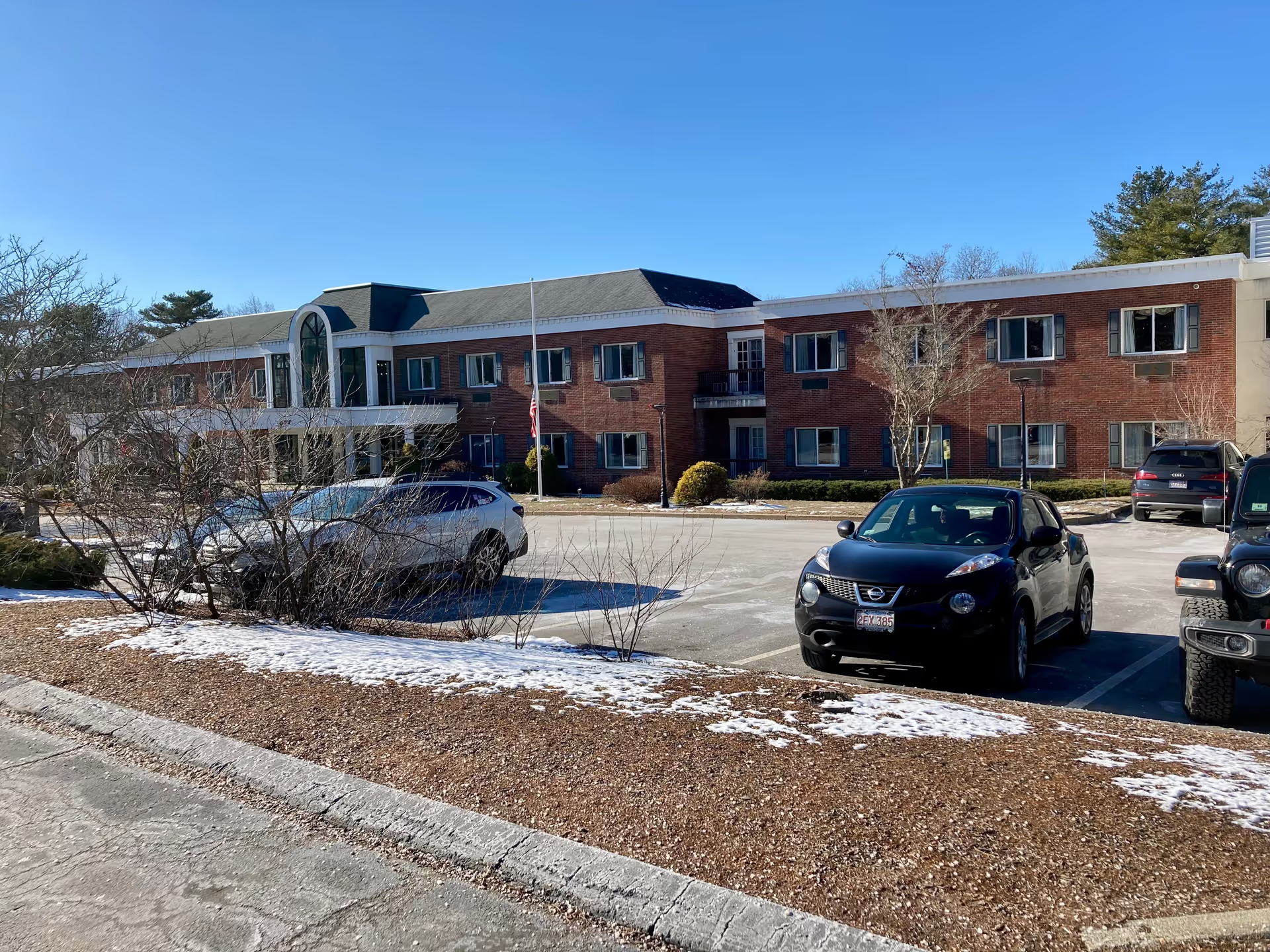
Operational and management issues surfaced as a notable pattern. Several families raised disputes around billing and administrative decisions; one serious account included an allegation of intimidation linked to a payment disagreement. Communication and transparency with families appear inconsistent — good at times, but lacking for others — which can amplify worry during transitions or when clinical questions arise. The physical plant is described as functional and well maintained in places but also dated; some reviewers consider the accommodations older and not hotel‑style, which may matter for families prioritizing modern amenities.
Safety and environment are additional themes. A number of comments referenced difficulty managing resident behavior and noise levels in communal areas, creating conditions that some families found stressful or unsuitable for certain loved ones. Taken together, the pattern suggests that Sudbury Pines delivers strong clinical rehabilitation and deeply compassionate caregiving in many cases, but that experience can vary depending on unit, staff on duty, and administrative interactions. Prospective residents and families should weigh the facility's demonstrated strengths in therapy and individualized care against the possibility of uneven cleanliness, management responsiveness, and older infrastructure. When evaluating placement, consider an in‑person tour focused on current unit cleanliness, staffing patterns, and written billing/communication policies, and ask about recent quality‑assurance measures the facility has implemented.