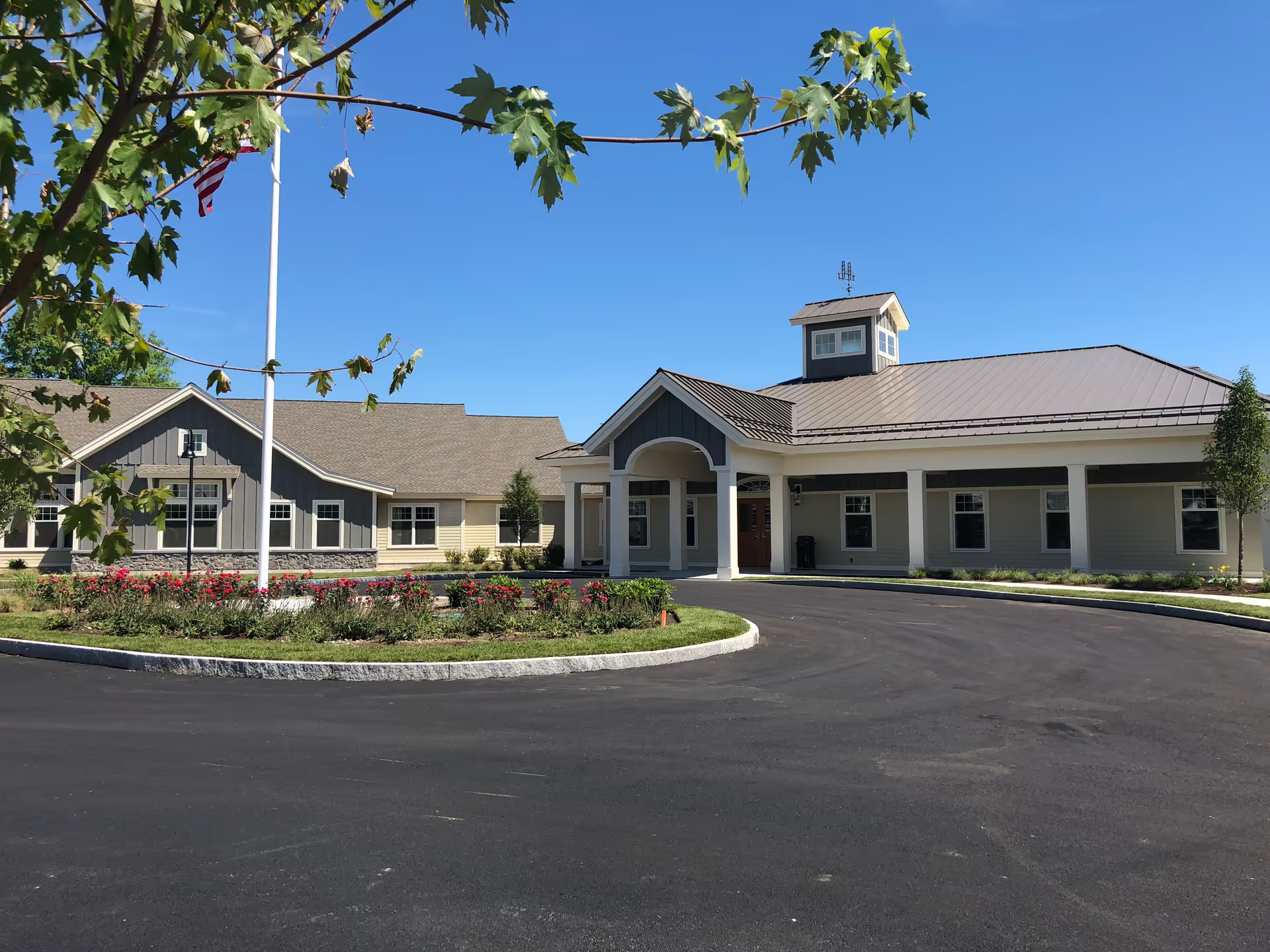
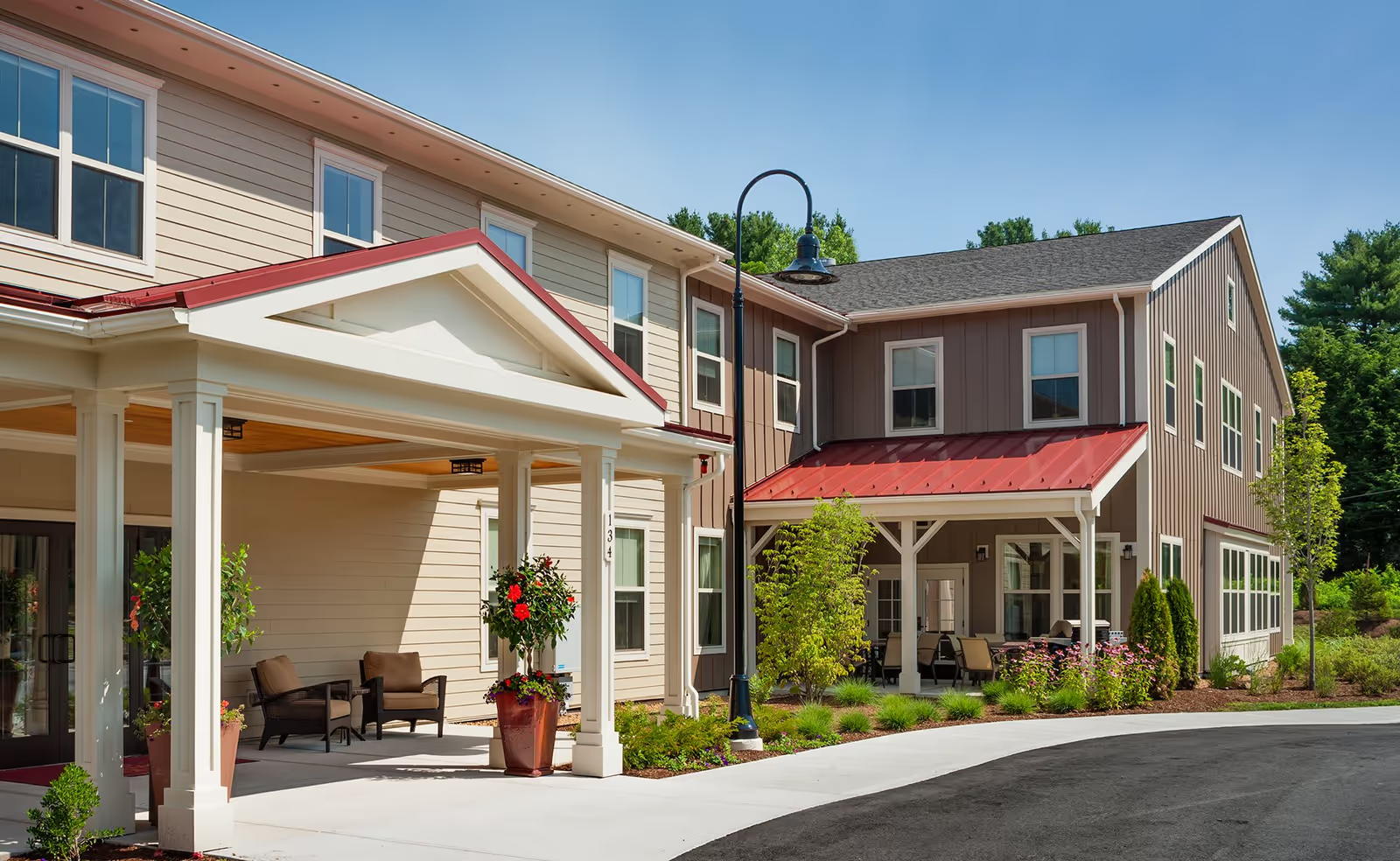
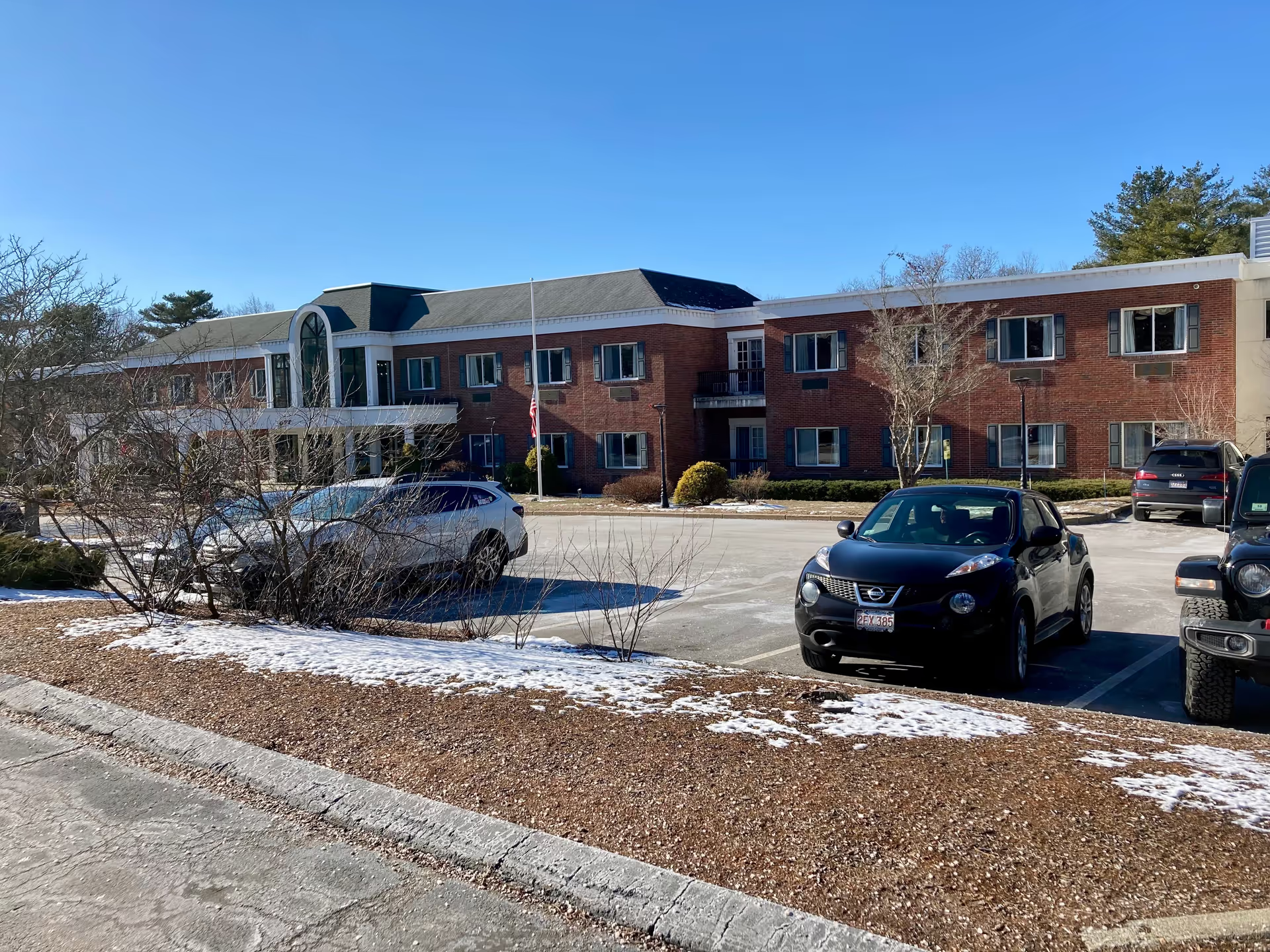
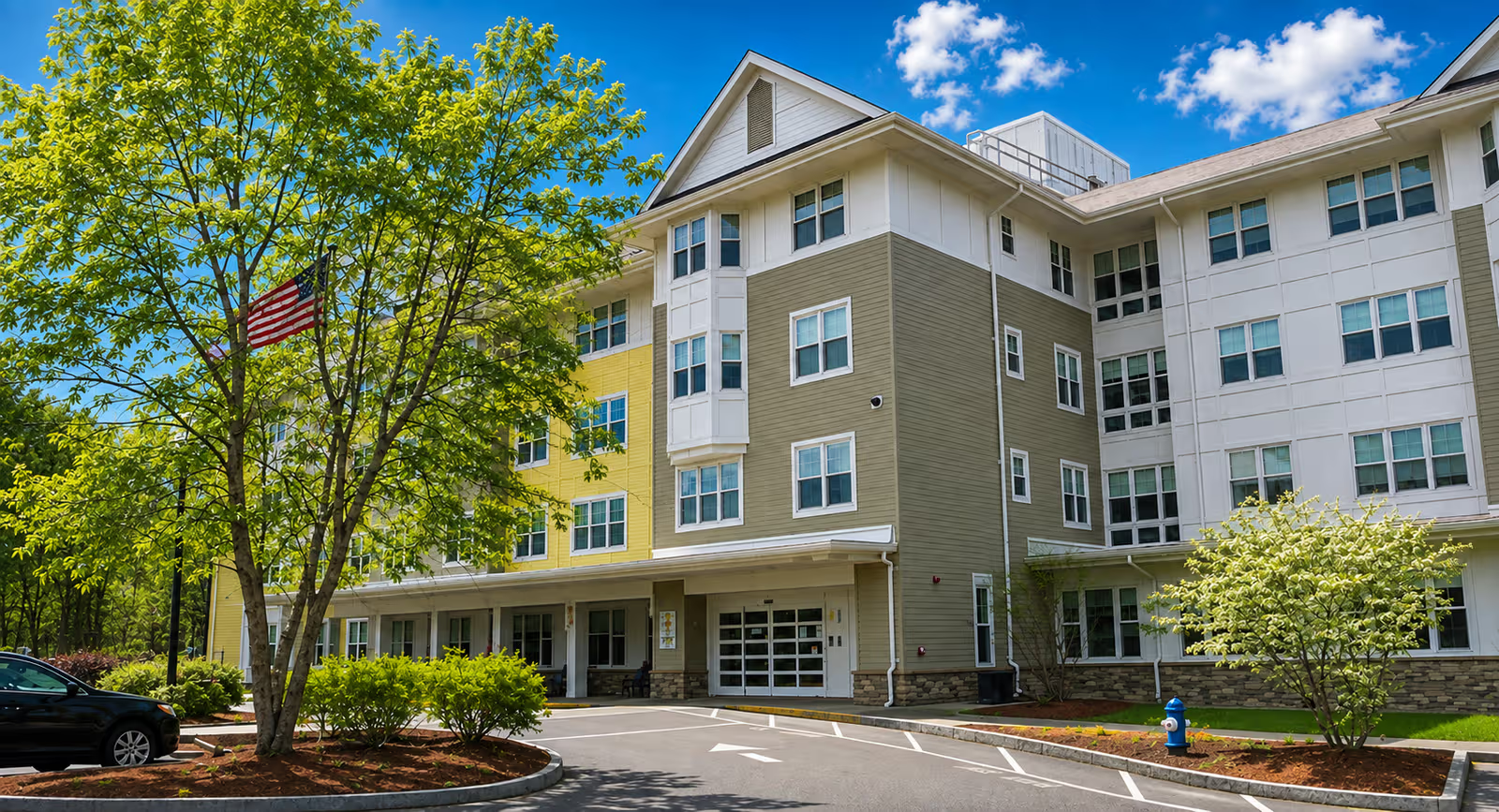
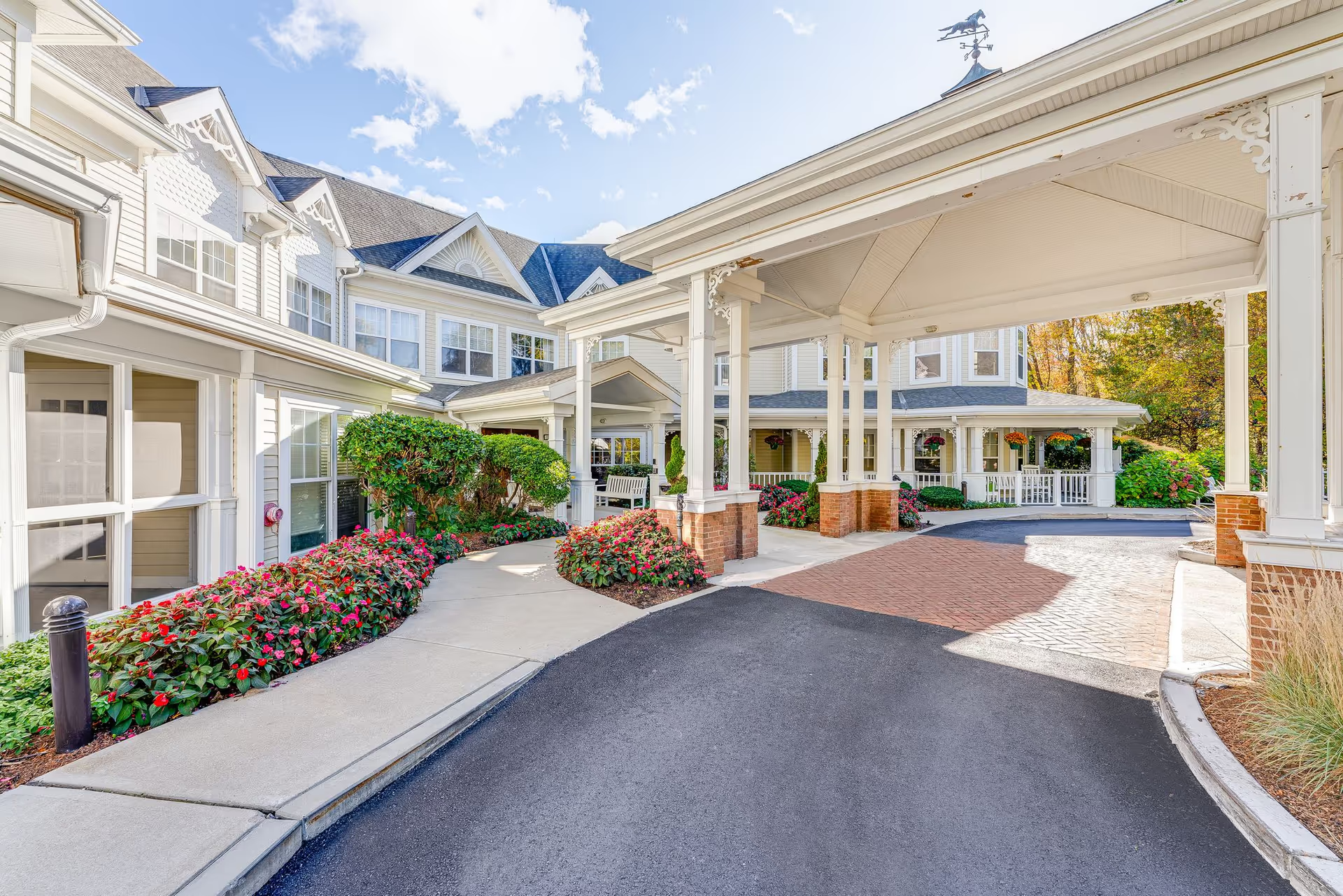
The reviews describe a facility with pronounced variability in the resident experience. Many accounts highlight strengths in short-term rehabilitation — including private ensuite rooms, a hotel-like rehab wing, and a consistently strong PT/OT team — as well as a number of staff members and managers who are described as attentive and effective. Renovations, a pleasant courtyard with large windows, and generally comfortable rooms are recurrent positives that support recovery-focused stays.
At the same time, a substantial number of accounts raise operational concerns that affect safety and daily care. Staffing levels and responsiveness appear uneven across shifts, producing delays in assistance, slow call-light responses, and intermittent failures of nurse-call equipment. Several narratives indicate gaps in medication administration and reconciliation, and others describe inconsistent physician and advanced-practice coverage; together these factors point to variable clinical oversight. Reviewers also describe weaknesses in fall-response and transfer procedures and in coordination with outside case managers or hospice services.
Dining and daily living services show mixed results. Some families and residents reported accommodating meal service and appropriate dietary adjustments, while others experienced unappealing food and limited substitution options. Laundry and personal-item management are recurring concerns, and sanitation and incontinence-care practices were described as inconsistent in certain units, indicating uneven implementation of housekeeping and personal-care protocols.
Staffing culture and communication are polarizing themes. Numerous reviews praise individual caregivers and administrators for compassion, clear communication, and proactive problem-solving; named staff were often credited with providing peace of mind. Conversely, other accounts describe curt or confrontational interactions with staff, lapses in family communication about clinical changes, and instances where families felt excluded from care decisions. This pattern suggests the facility has capable personnel and leadership but struggles to maintain consistent training, supervision, and communication standards across the entire staff.
In summary, prospective residents and families should weigh the facility’s strong rehabilitation resources, renovated environment, and several highly regarded caregivers against documented operational weaknesses: inconsistent staffing and responsiveness, medication- and oversight-related gaps, dining variability, and uneven sanitation and property-management practices. Asking specific, verifiable questions about staffing ratios by shift, medication reconciliation processes, physician/NP coverage, fall-response protocols, and how personal items and laundry are tracked may help clarify whether the facility’s strengths apply to a particular unit or level of care.