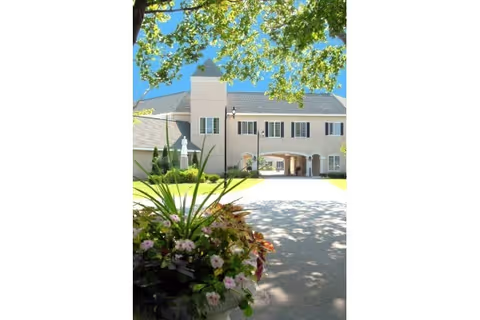
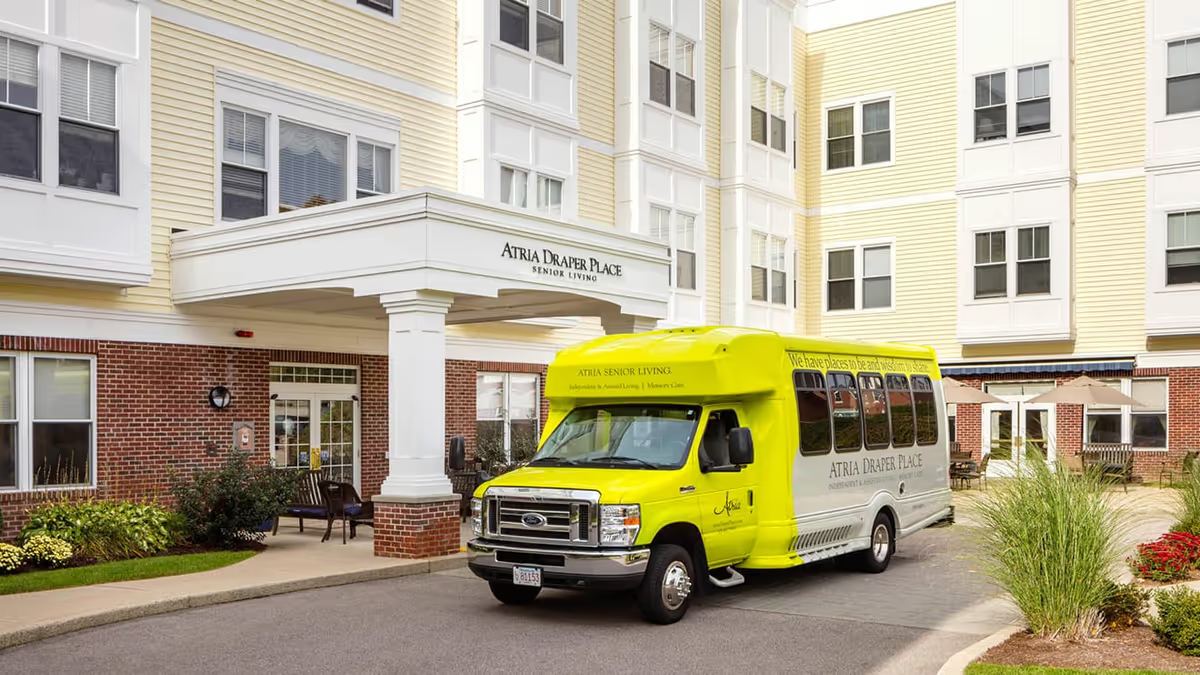
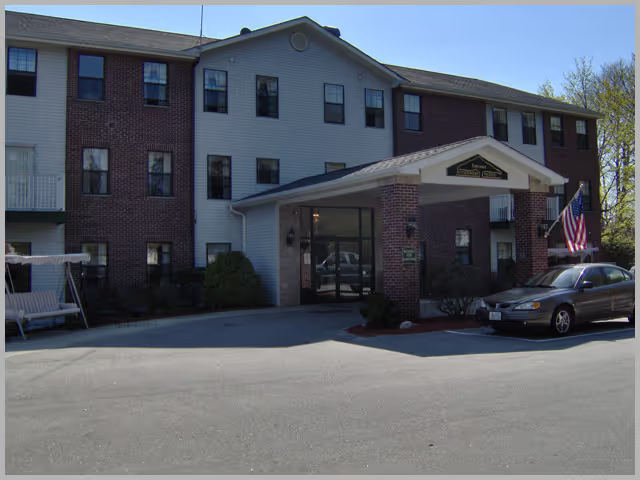
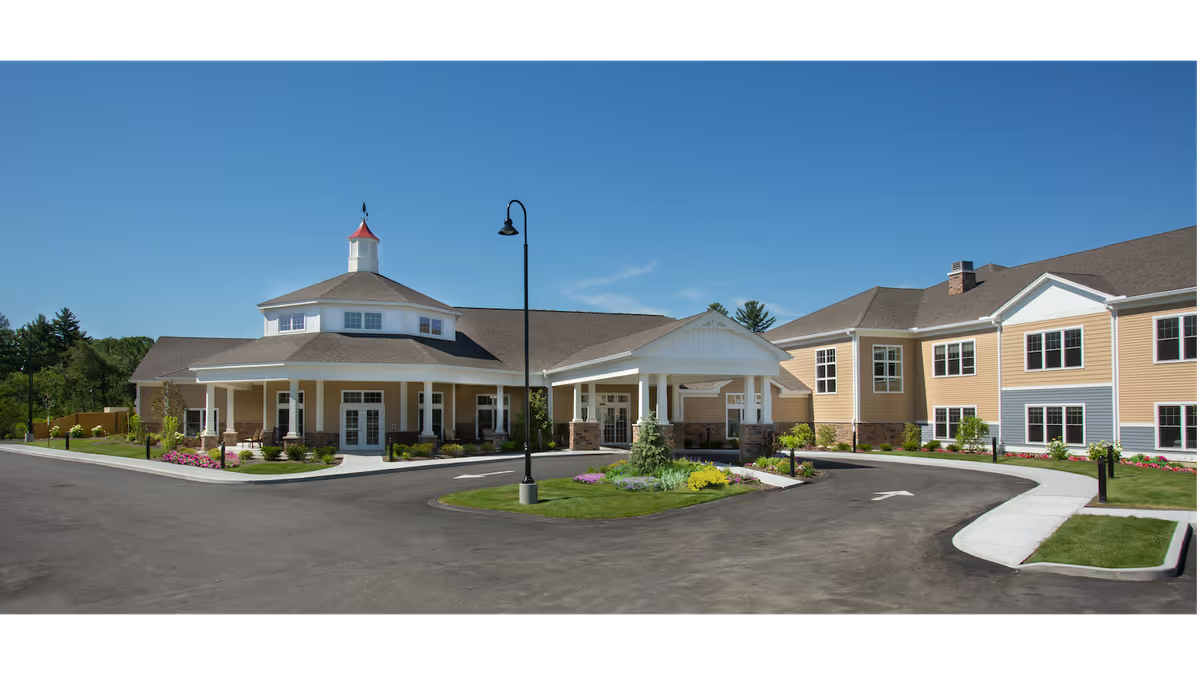
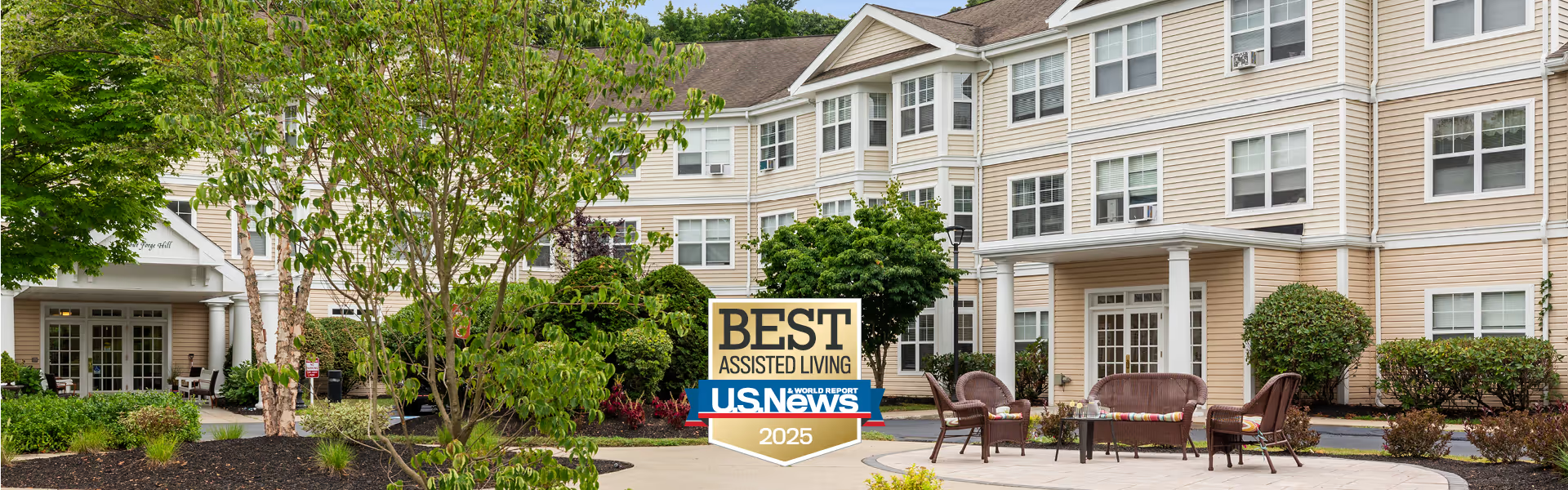
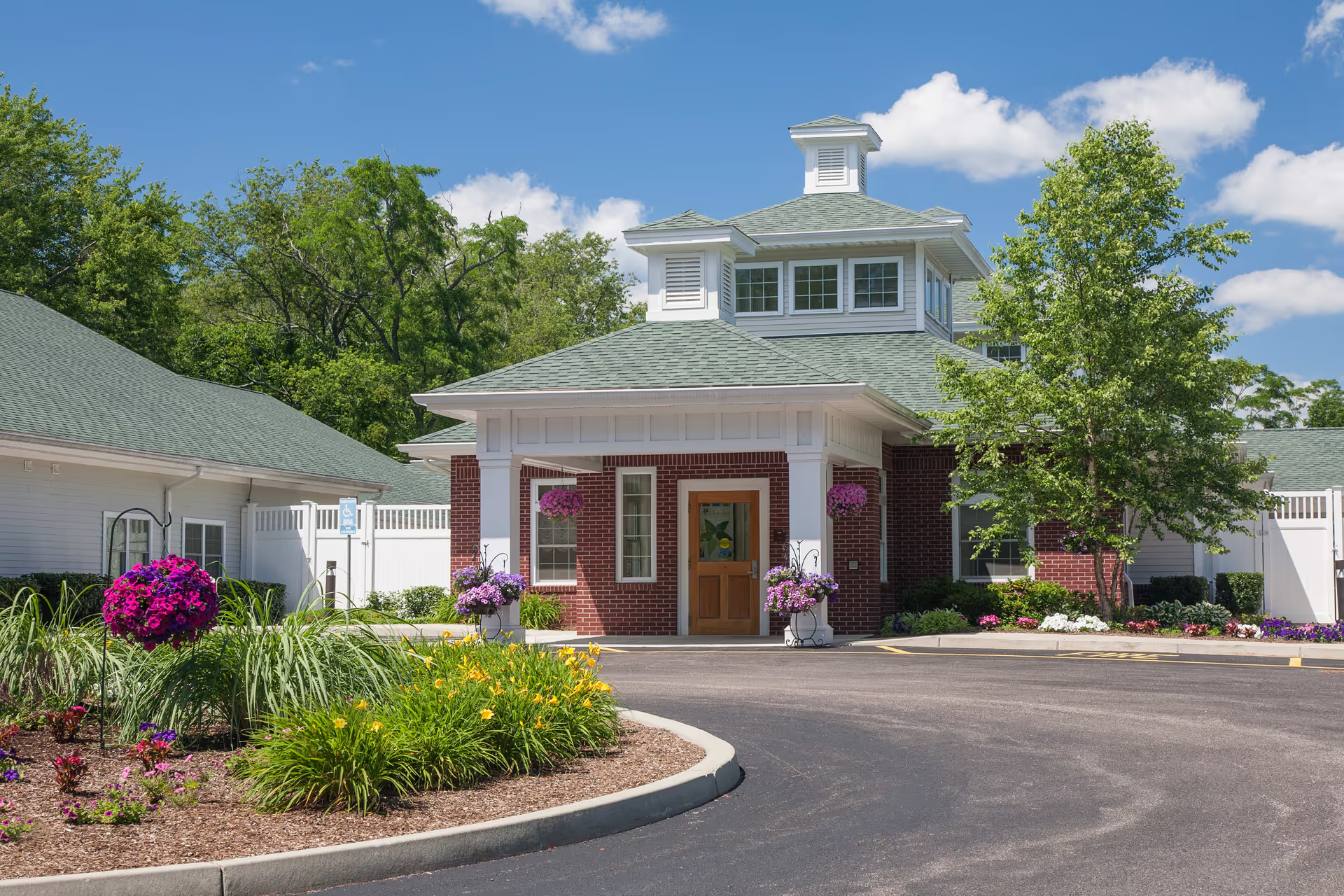
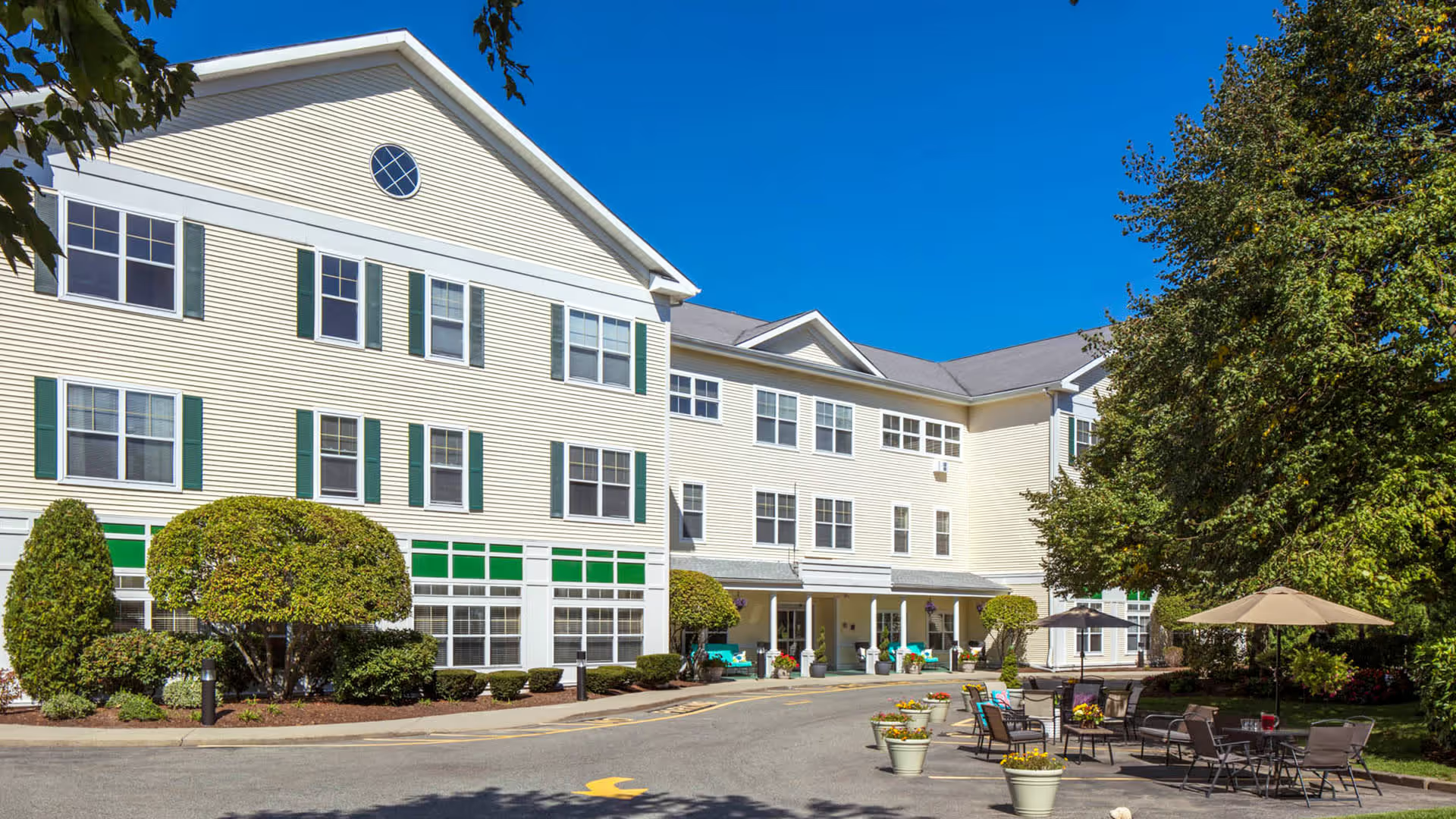
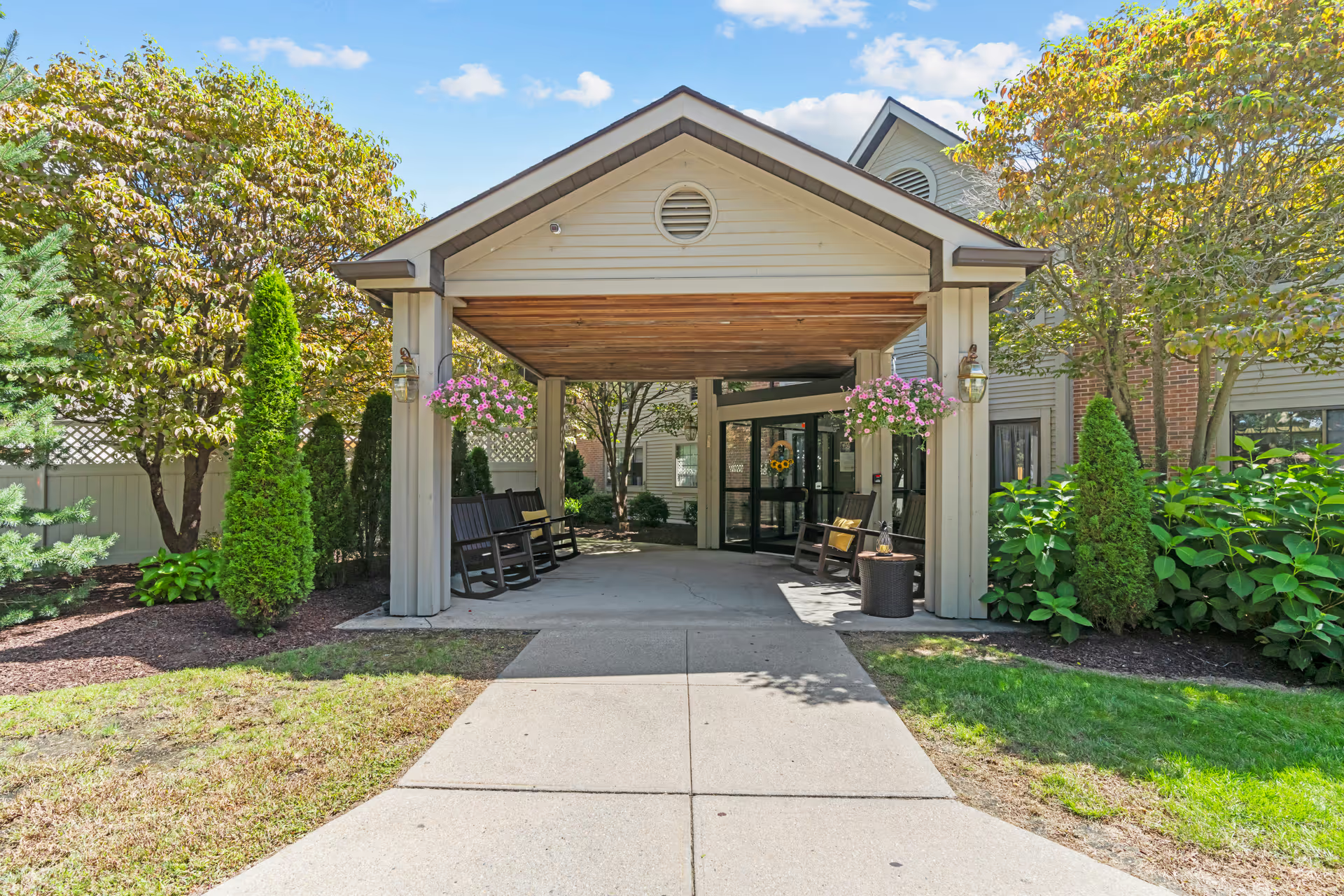
Lydia Taft House presents a mixed profile: many reviewers describe strong clinical and rehabilitative strengths alongside significant operational challenges. Strengths most frequently cited include an experienced therapy team and effective post-surgery rehabilitation that several families credited with accelerating recovery. Numerous accounts highlight compassionate, attentive direct-care staff who contribute to a home-like, small-facility atmosphere; the 53-bed scale is repeatedly associated with a calmer environment, personalized attention, and pleasant room features such as large windows and outdoor views.
Direct-care quality is a prominent positive theme. Reviewers commonly note respectful staff–resident interactions, cheerful housekeeping, and active programming that supports social engagement. Several comments specifically praised personalized meal options and accommodating dietary practices, and housekeeping was described as generally good. The facility’s therapy and nursing staff are repeatedly recognized for professional skill and encouraging patient dignity and independence.
Counterbalancing those positives are recurring operational concerns. Staffing levels and workload pressures are a consistent theme: reviewers described long call-bell response times and an overtaxed staff complement, which reviewers linked to delays in basic care tasks. There are multiple descriptions indicating inconsistent adherence to nursing procedures and variable clinical follow-through. Relatedly, several reviewers raised sanitation and incontinence-care concerns that suggest variability in daily care processes and infection-control vigilance.
Dining and dietary oversight appear uneven. While some families praised personalized meal choices and a variety of options, others found food preparation inconsistent and overly salty; reviewers also cited a perceived lack of active dietitian engagement in some cases. Facility cleanliness and housekeeping receive generally positive notes, but the sanitation and incontinence-care comments indicate areas needing attention to ensure consistent standards across shifts.
Management and communication are notable weak points in the pattern. Reviews referenced disengaged management, gaps in staff oversight, and frustrations with follow-up after care incidents. There are also serious, singular claims concerning clinical incidents and family communication; these have elevated the perception of regulatory and follow-up concerns for some reviewers. Additionally, practical issues such as inaccurate online directions were mentioned and may affect visitors and families.
Taken together, the pattern is one of strong front-line caregivers and effective rehabilitative services within a small, home-like setting, coupled with operational vulnerabilities tied to staffing, procedural consistency, dietary oversight, and management communication. Prospective residents and families should consider touring the facility, asking for current staffing ratios and call-bell response metrics, reviewing recent state inspection history, inquiring about procedure adherence and incident-reporting practices, and tasting sample meals or meeting dietary staff to assess consistency before making a placement decision.