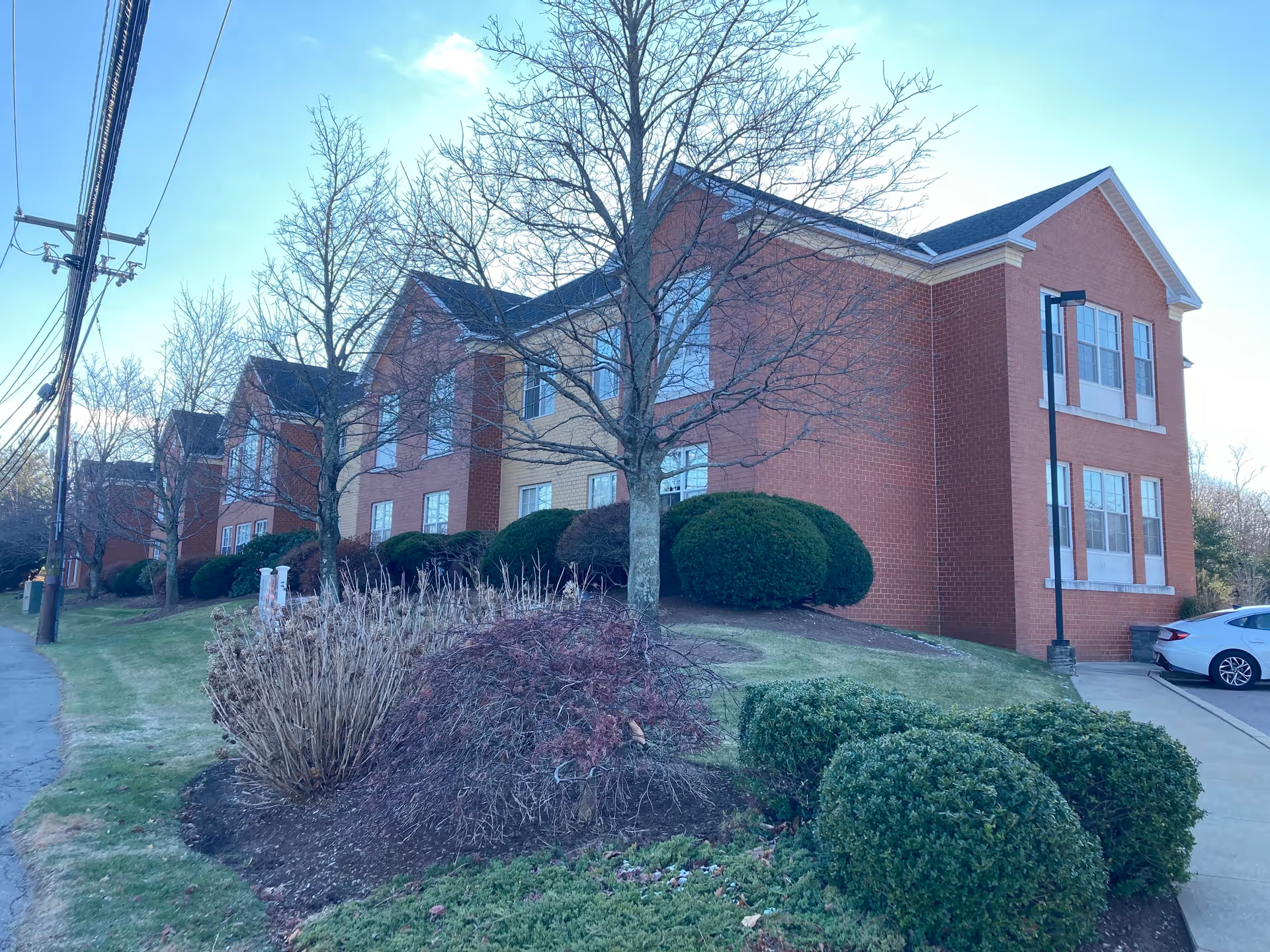
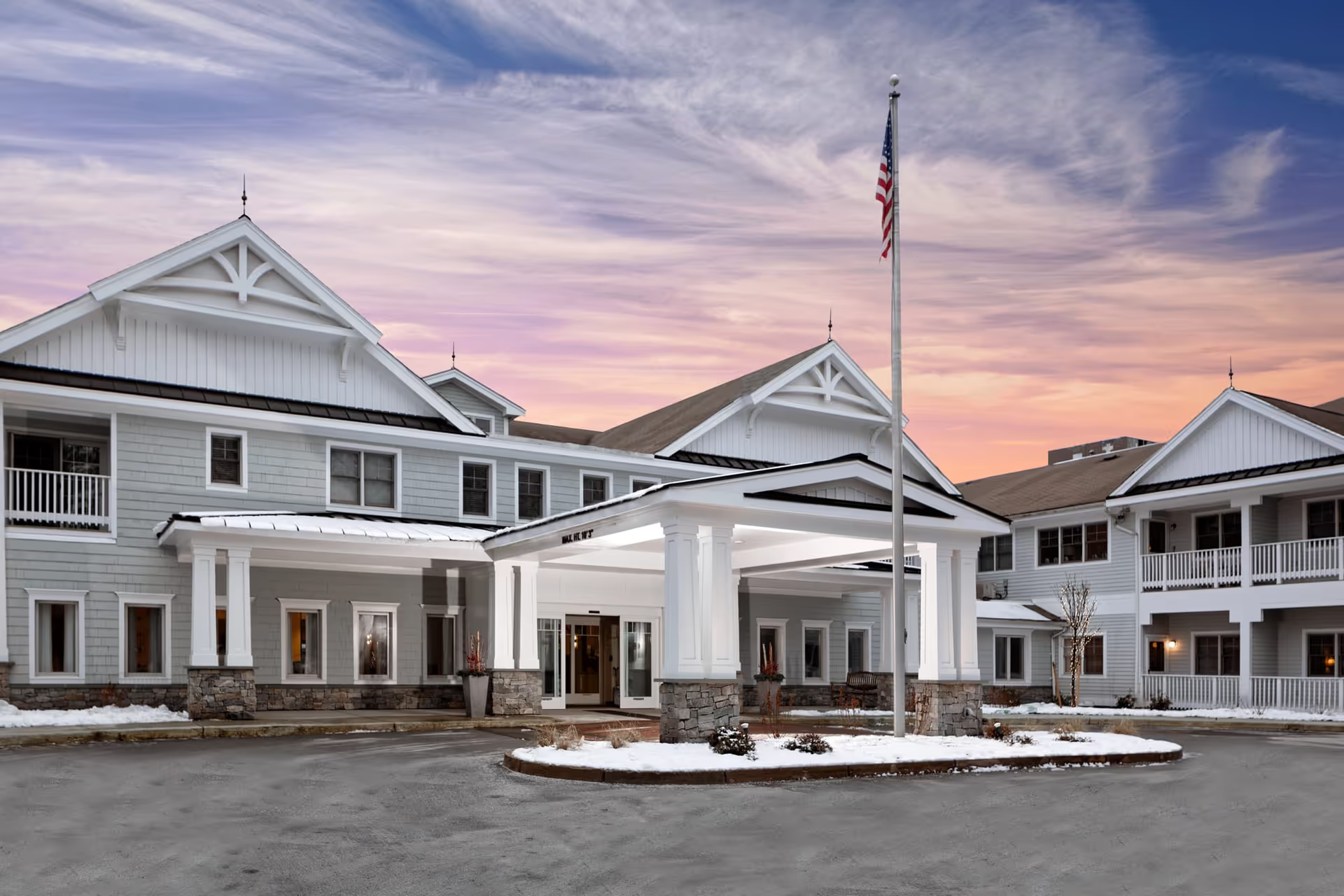
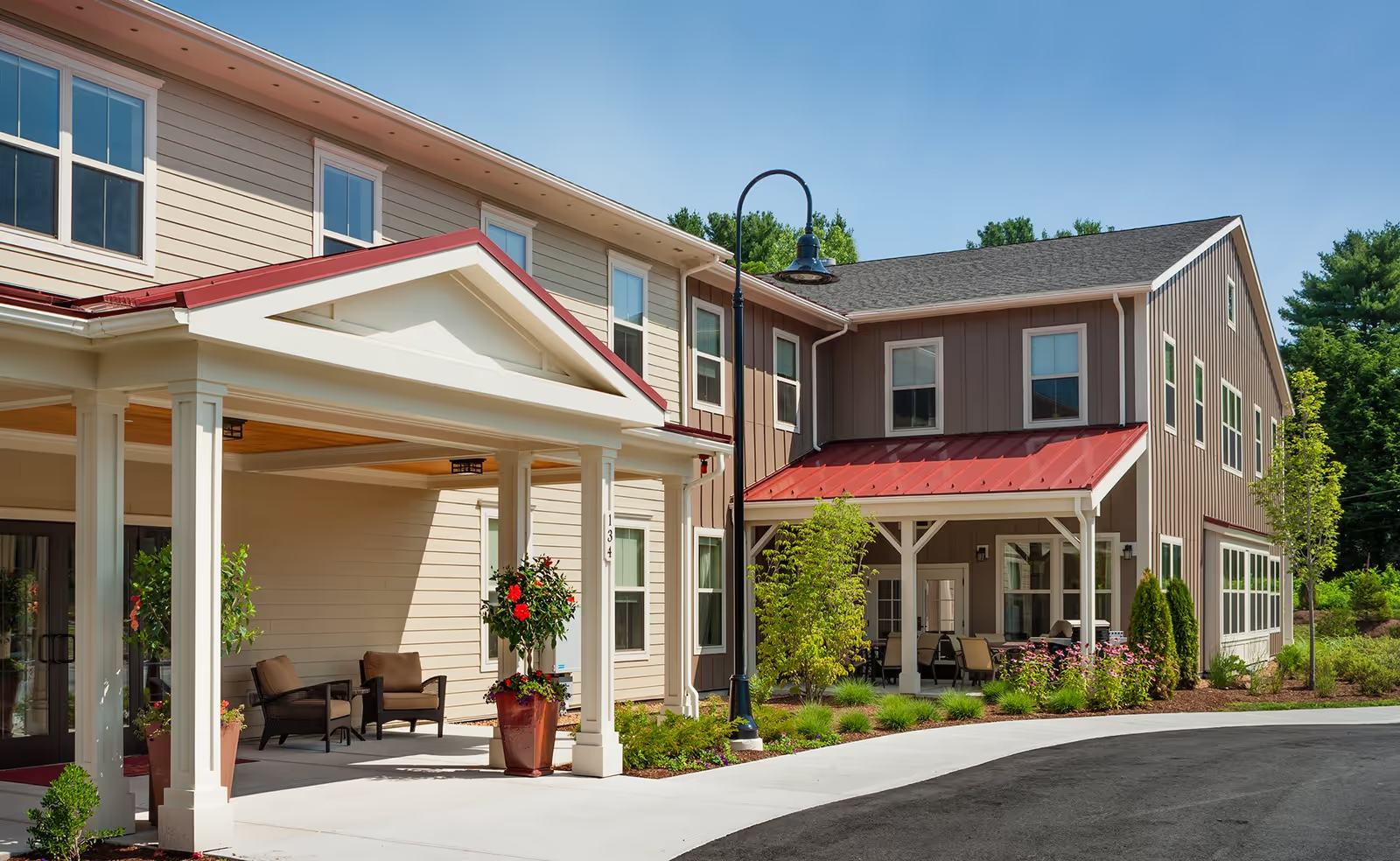
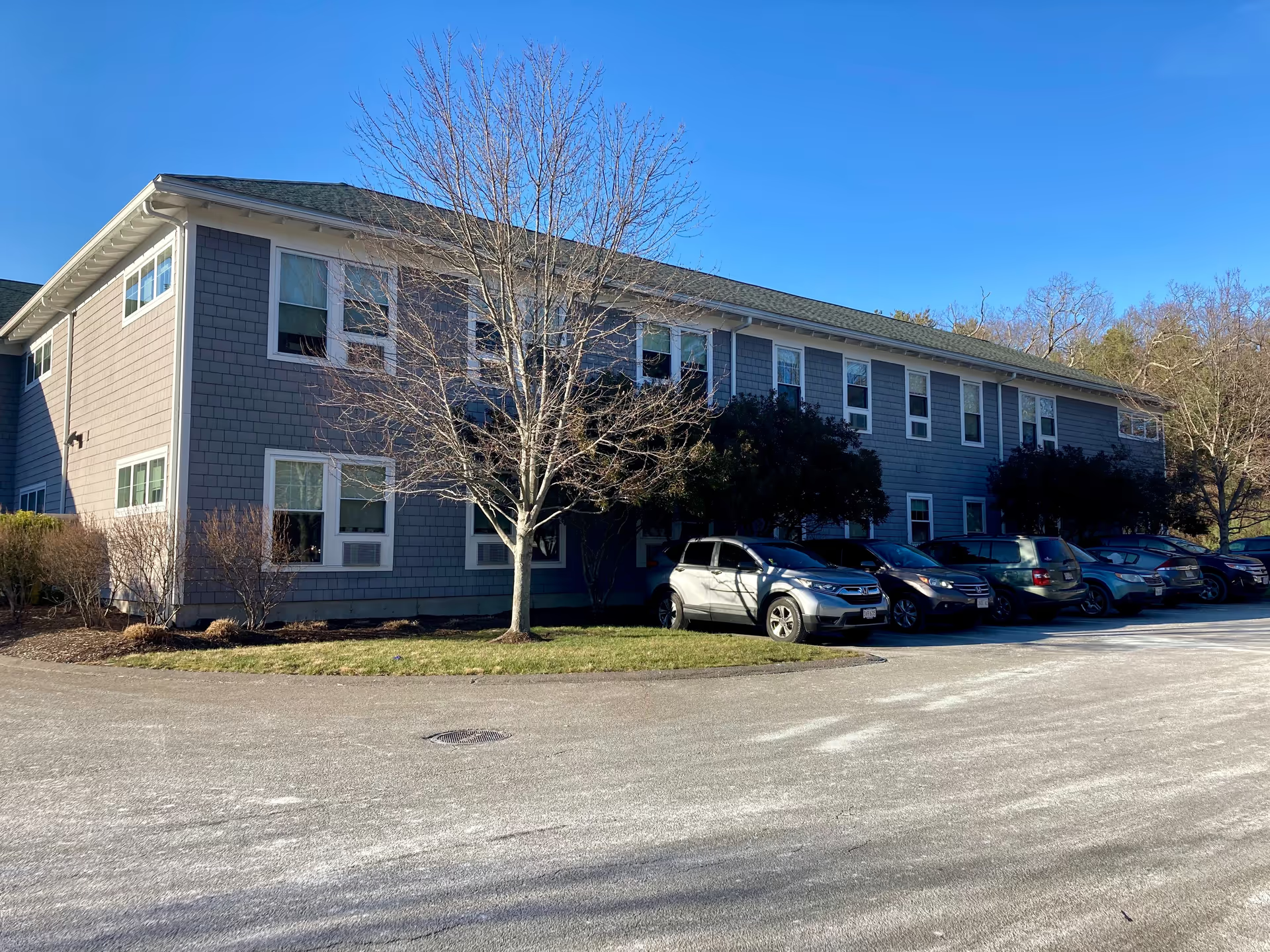
AdviniaCare Wellesley Alzheimer's Center is characterized primarily as a dementia-specialized memory-care program with considerable strengths in person-centered caregiving. Many families emphasize the facility's focus on Alzheimer’s and related dementias, noting a team that prioritizes resident dignity, individualized care planning, and accommodation of mobility needs. Long-serving caregivers and an engaged social-work presence are repeatedly described as sources of emotional support and practical coordination for families, including facilitation of virtual visits and pandemic-era visitation coordination.
Staff performance and the culture of care are the facility's most frequently noted positives. Reviewers commonly describe compassionate, respectful interactions and clinical staff who listen and communicate with families. Several comments highlight skillful nursing, attention to medication review, and care teams that invest time learning residents as people rather than relying solely on routines. Activity leaders and social programming receive praise where present, contributing to residents' social engagement and quality of life.
At the same time, patterns in the reviews point to operational inconsistencies that prospective families should weigh. There are numerous concerns about variable staffing levels and perceptions of understaffing that affect the consistency of daily care tasks, bathing schedules, and responsiveness during acute events. Relatedly, some families described gaps in clinical oversight and incident-response procedures, including delays in escalation or transfer for urgent medical needs; other families, however, reported responsive nursing and good communication. These mixed accounts create a picture of uneven clinical reliability dependent on unit staffing and shift coverage.
Dining, activities, and amenities show a similar variability. Positive descriptions of engaging programming, singalongs, and trips coexist with accounts of limited or sporadic activity scheduling. Meal quality and portioning are frequently cited as inconsistent; some families praised food and nutrition attention, while others found offerings inadequate. Marketing materials and amenity listings appear to exceed on-the-ground availability in some reviewers’ experience, so expectations about recreational spaces and extras should be verified on a tour.
Facility-level issues also include maintenance and accessibility reliability (for example, elevator outages and restricted outdoor access), sanitation and odor concerns in particular areas, crowded rooming with shared bathroom arrangements, and isolated incidents suggesting weaknesses in personal-belongings handling and laundry procedures. Privacy-related concerns around personal care timing and modesty were mentioned in the context of bathing routines. These operational traits tend to be described as uneven across units and shifts rather than uniformly present.
Management transition is a recurring theme. Several families attribute quality changes to new ownership and leadership turnover, noting shifts in responsiveness, administrative style, and staff retention. Communication experiences are mixed: many praise an outstanding social worker and clear, timely updates, while others encountered dismissive or unhelpful exchanges by phone or during intake. A small number of serious individual incidents prompted significant concern from families, including events that led to clinical escalation and end-of-life questions; these are best explored directly with administration and through licensing/inspection records when evaluating the facility.
In summary, AdviniaCare Wellesley presents substantive strengths as a dementia-specialized program with committed, compassionate caregivers and an emphasis on dignity and individualized planning. Those positives coexist with operational variability in staffing, clinical oversight, facilities maintenance, dining, and amenities. Prospective residents and families should prioritize an in-person visit focused on current leadership, staffing patterns, clinical incident protocols, rooming arrangements, and how the facility implements activity and dining programs to determine whether the facility’s strengths align with their expectations and care needs.