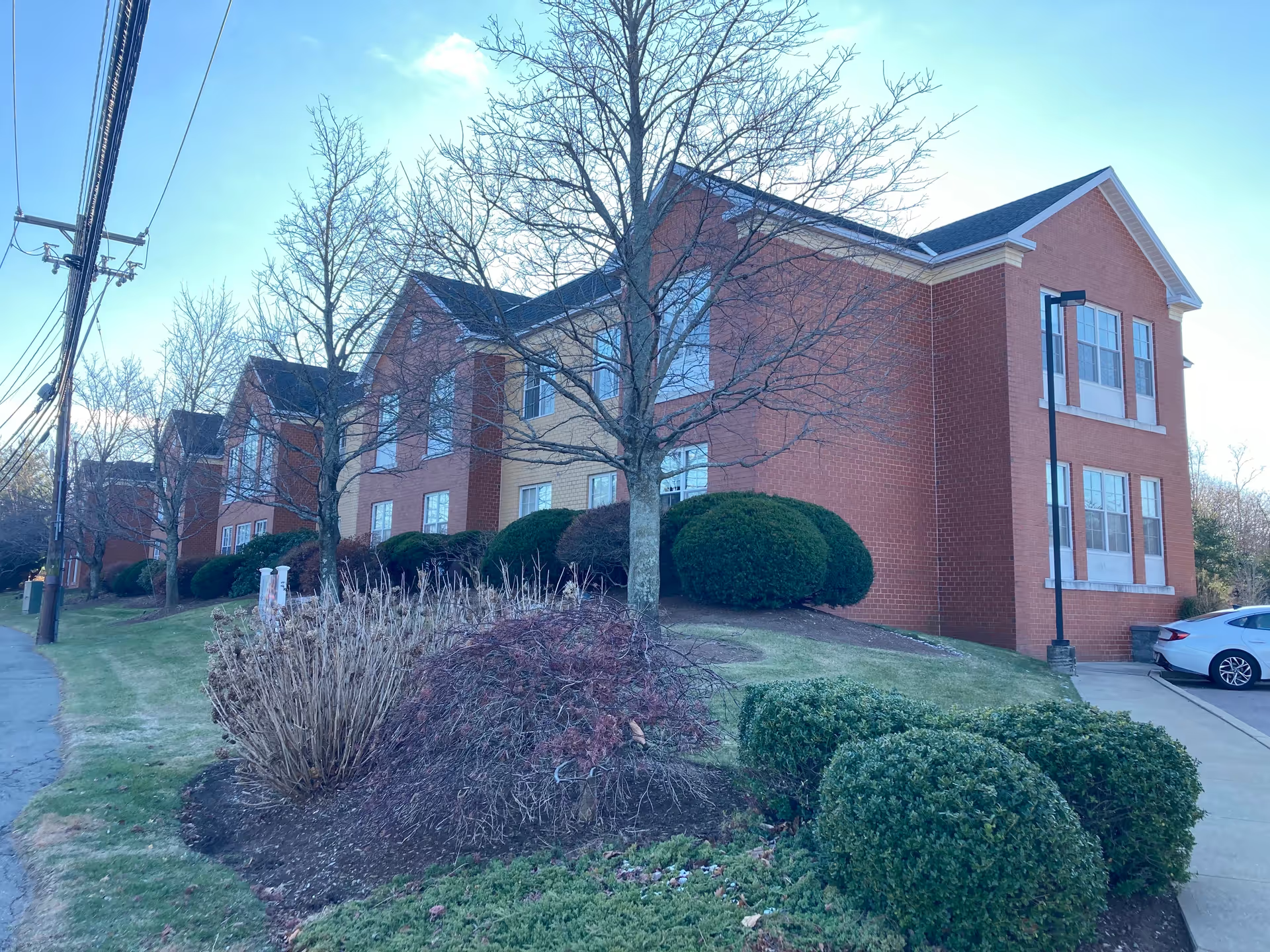
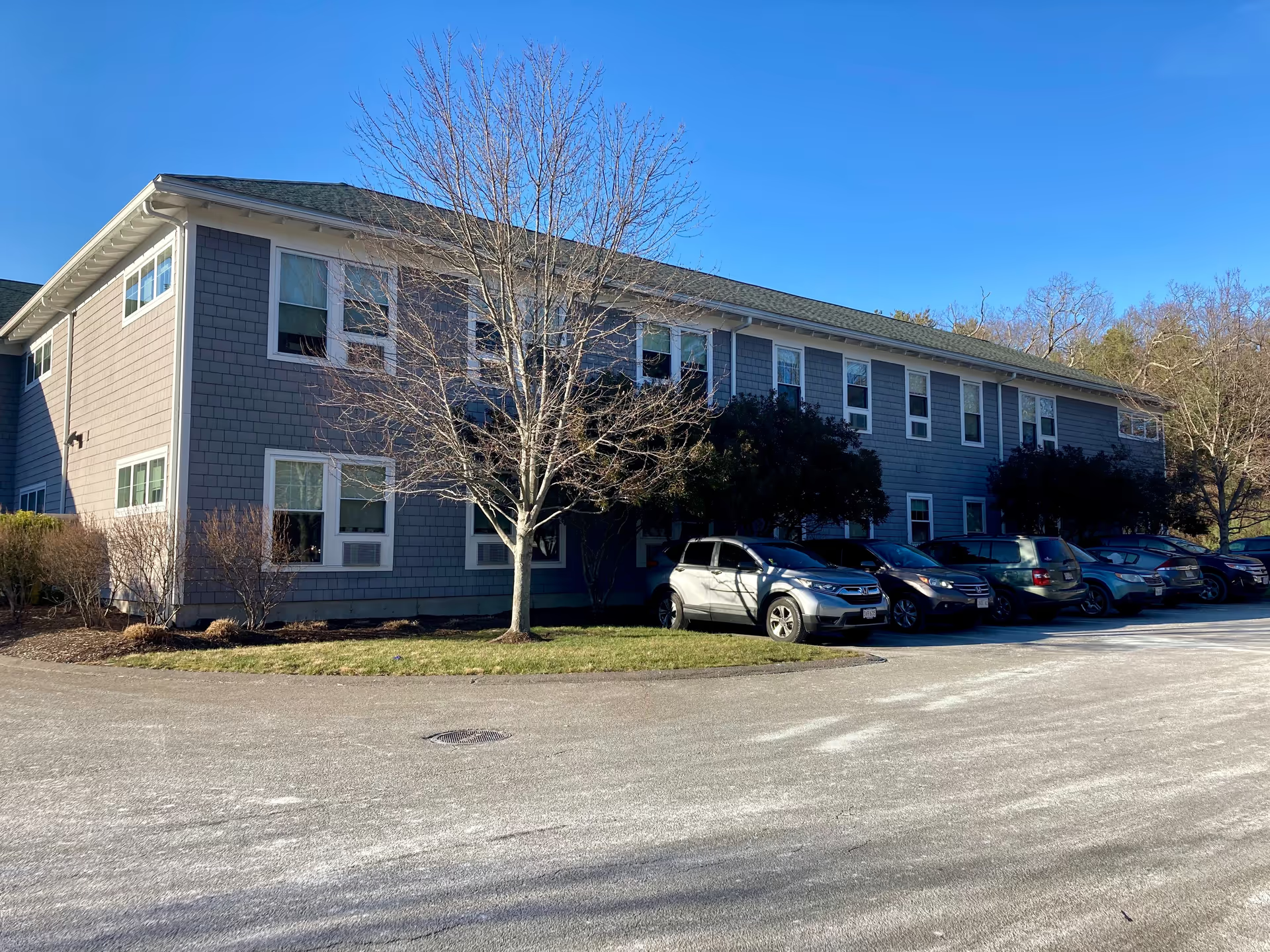
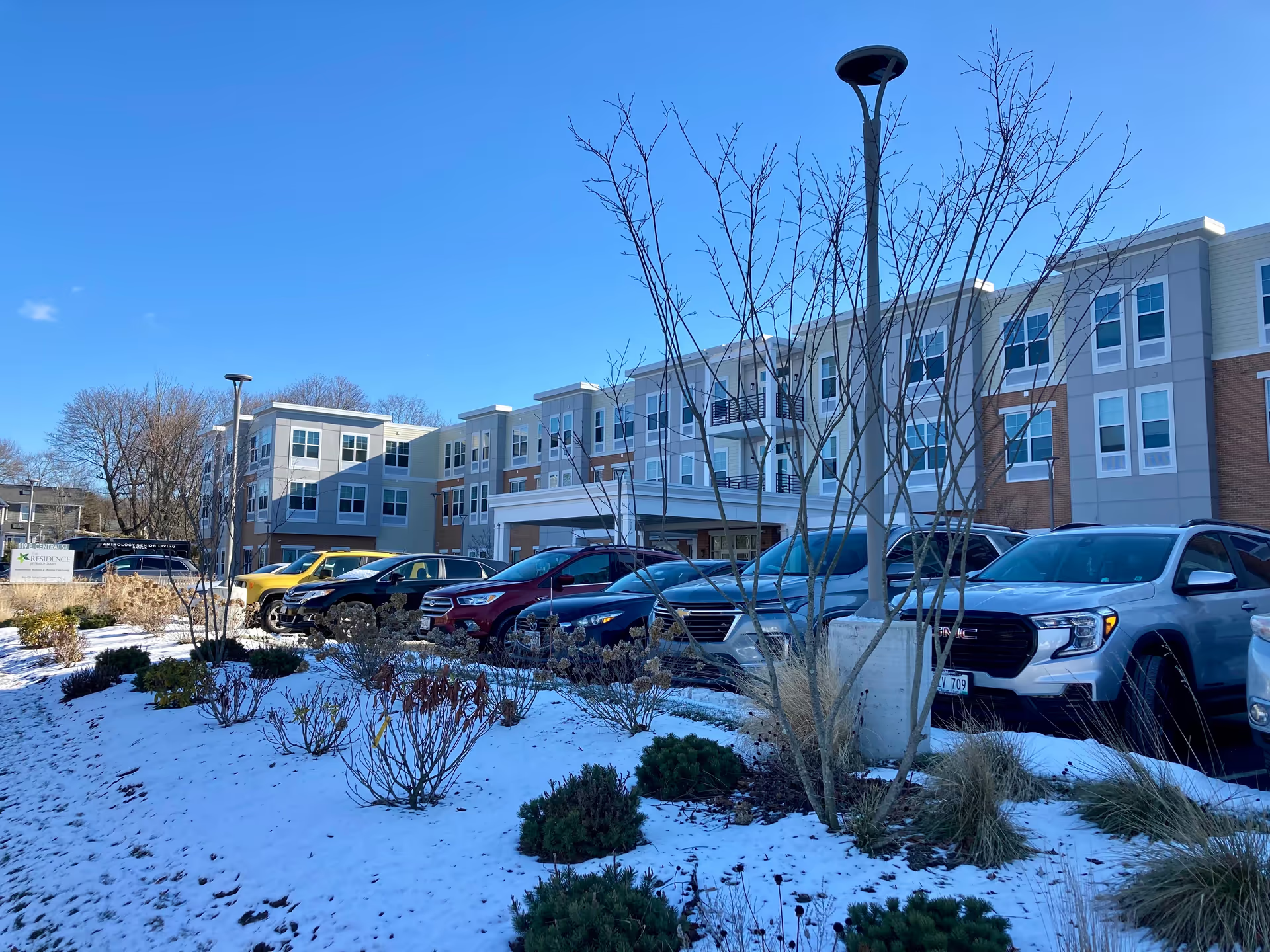
Overall impression: Reviews describe Elizabeth Seton Residence as a well-maintained, orderly facility with a strong spiritual identity and a family-oriented atmosphere. Common positives include a clean environment, private rooms, pleasant outdoor spaces and a dedicated chapel with regular liturgy. The physical layout and neighborhood-style 'pod' units are noted for promoting a more intimate, residential feel rather than long institutional corridors.
Care quality and staff: Clinical care and direct-care staff are frequently characterized as compassionate, respectful and attentive. Nursing and rehabilitative services (physical and occupational therapy) receive repeated praise for effectiveness; several families highlighted strong therapy outcomes and individualized attention. At the same time, reviewers indicate variability in responsiveness to resident needs and timing of personal care, suggesting that while many residents receive high-quality support, service consistency can fluctuate across shifts or units.
Dining and activities: The facility offers an active program of social and spiritual activities, including community events and daily Mass, and residents generally find the activities engaging. Dining impressions are mixed: some accounts praise varied, flavorful meals and changing daily options, while others describe interruptions in meal service, limited menu access and occasional inability to meet immediate food requests. Prospective residents should expect a robust activity calendar but recognize that dining operations have shown inconsistent performance for some families.
Facilities and environment: Physical plant features are widely praised — private rooms with en-suite bathrooms, bright common areas, well-kept grounds, patios with views and a calming chapel. Housekeeping and overall cleanliness receive consistently positive remarks, contributing to a sense of comfort and sanctuary for many residents.
Management and operational patterns: Recurring operational concerns center on communication and care coordination. Families describe difficulty reaching staff by phone, limited proactive updates, and care-plan meetings or communications that did not always include family input. Clinical coordination issues were also raised, including medication reconciliation and discharge preparation gaps. These items point to process weaknesses rather than isolated interpersonal problems: verify medication-transfer protocols, family notification practices, and meal-service procedures during a facility tour.
Bottom line: Elizabeth Seton Residence appears to provide generally strong clinical and rehabilitative care in a clean, spiritually oriented setting with private rooms and active programming. However, reviewers cite inconsistent operational execution in areas such as meal service, staff responsiveness, medication/discharge coordination and family communication. Families considering this facility should balance the facility’s strengths in clinical care, environment and activities against these process-oriented concerns and seek specific assurances about communication, medication reconciliation and dining procedures during the decision process.