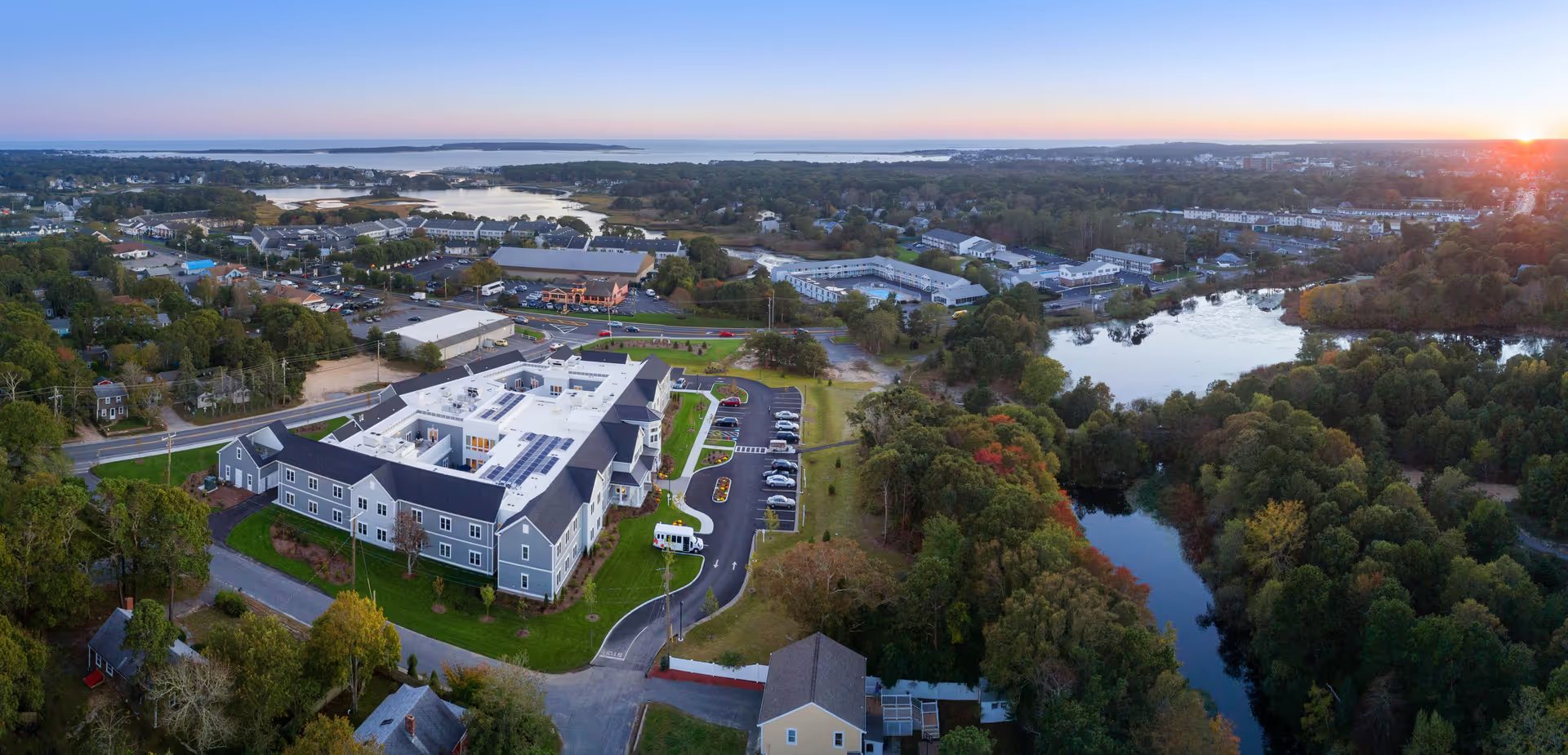
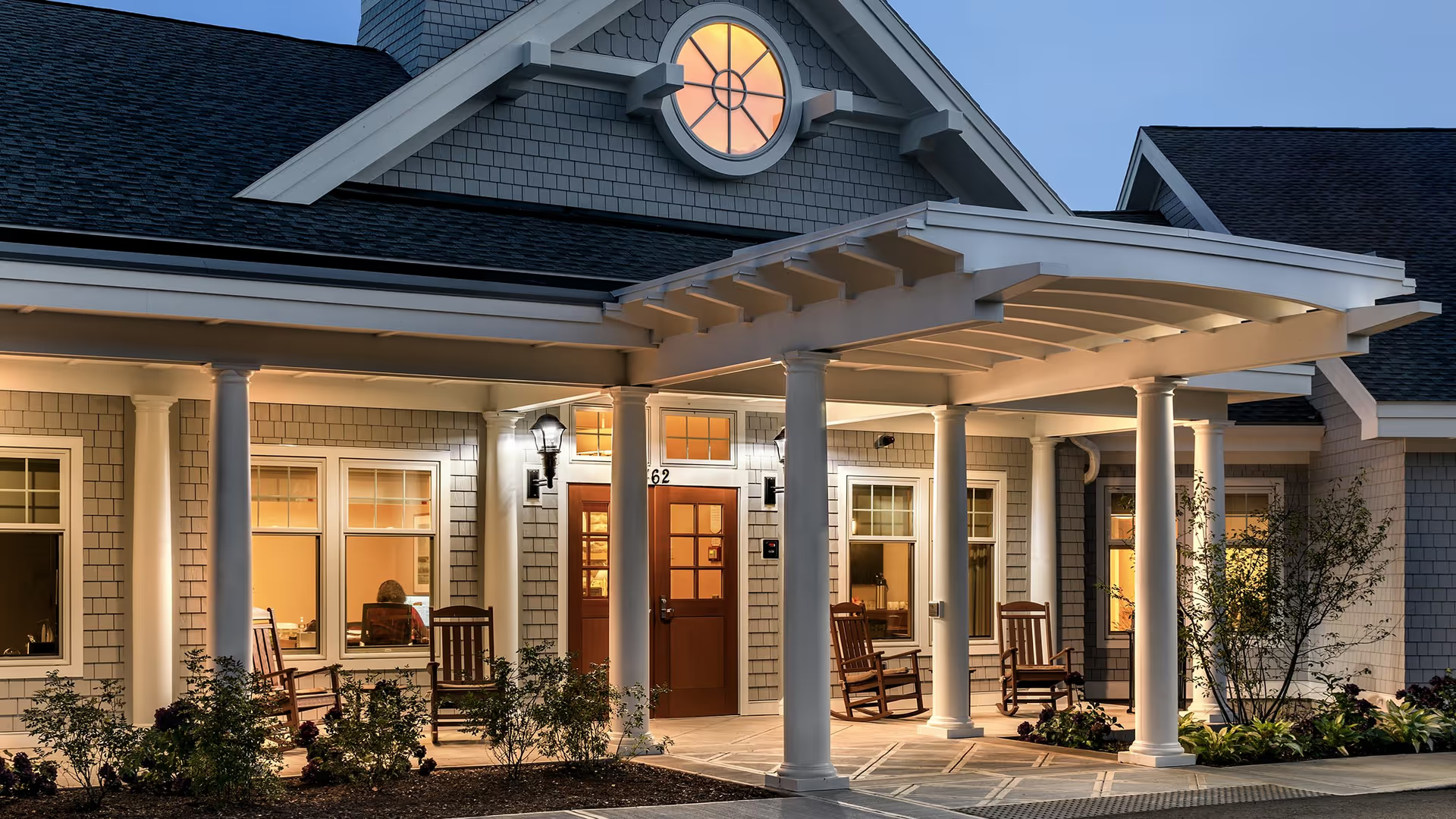
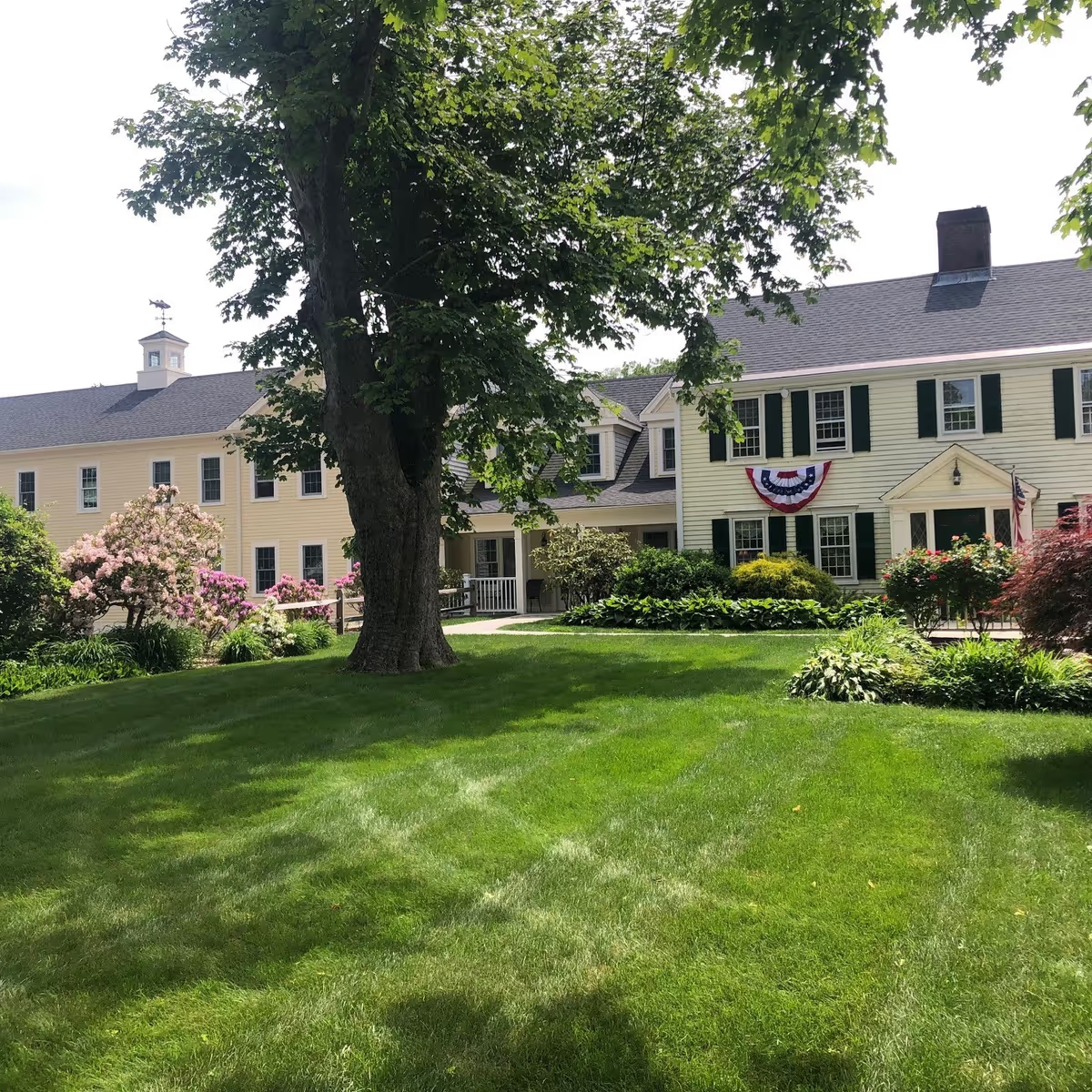
Maplewood at Mayflower Place elicits two consistent impressions: a well-appointed campus with robust amenities, and operational friction tied to management and service consistency. Many families and residents praise the staff’s compassion and the clinical resources available on campus. Care strengths include 24/7 nursing coverage (as advertised), a strong rehabilitation/therapy program, visiting specialty clinicians, and hospice support when needed. Reviewers frequently describe staff who are attentive, comforting, and skilled at restoring or maintaining residents’ independence; several named team members are singled out for particularly strong family communication and hands-on support.
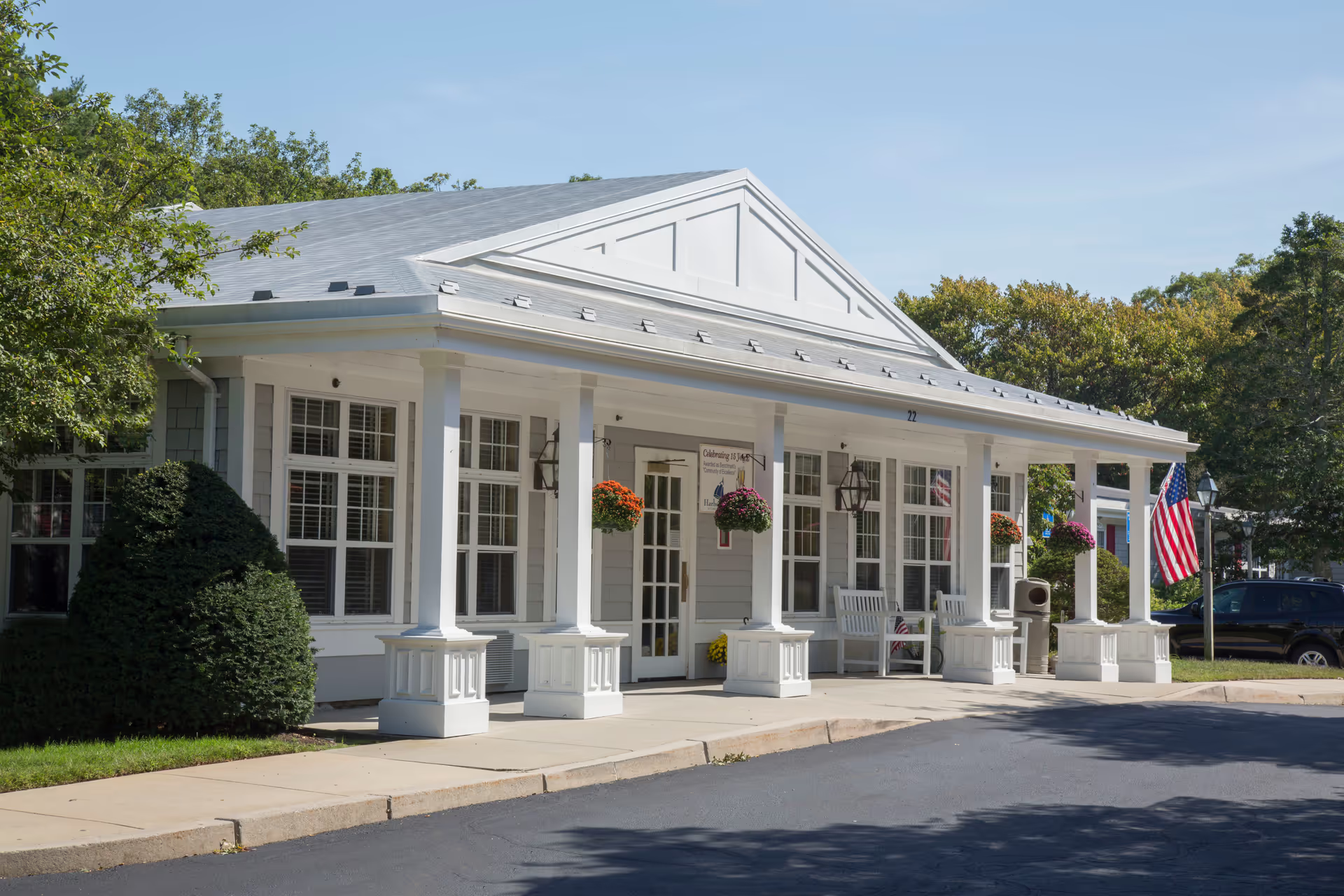
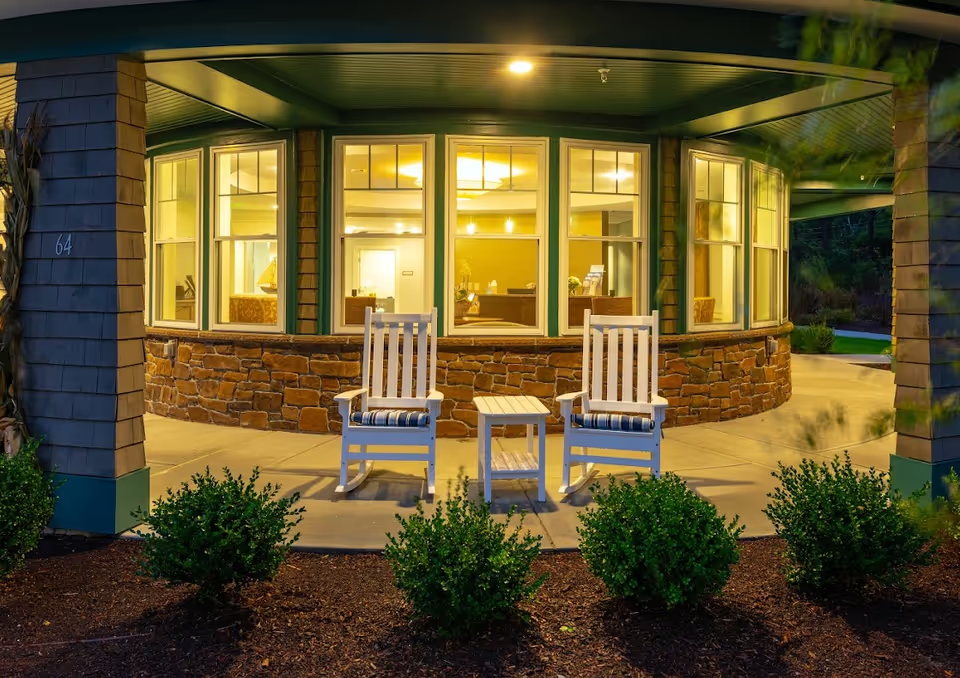
Dining and daily life are often cited as highlights. The community offers chef-level, restaurant-style dining with varied menus, fresh-baked items, and a range of meal choices; planned events and a broad activities calendar (exercise classes, water aerobics, concerts, bowling, clubs, and social outings) support an active social environment. Amenities such as an atrium lobby with concierge, an indoor pool, fitness center, theater, salon, library, and in-building postal services contribute to a resort-like resident experience. Apartment features — including kitchenettes, in-unit laundry in some units, spacious accessible bathrooms, and large decks — are commonly described as attractive and comfortable.
Despite these strengths, a recurrent pattern of operational issues emerges. Several families reported management turnover and what they describe as company-led operational changes that correlated with declines in consistency: increased fees, altered dining coverage or limited meal availability at times, and shifts in staffing models. Staffing shortages and intermittent clinical coverage were noted in multiple accounts, producing delays in responding to care needs and variability in medication administration and follow-up. Relatedly, communication gaps with families about clinical incidents or service disruptions were raised as a significant concern; reviewers recommended confirming how clinical events are escalated and communicated.
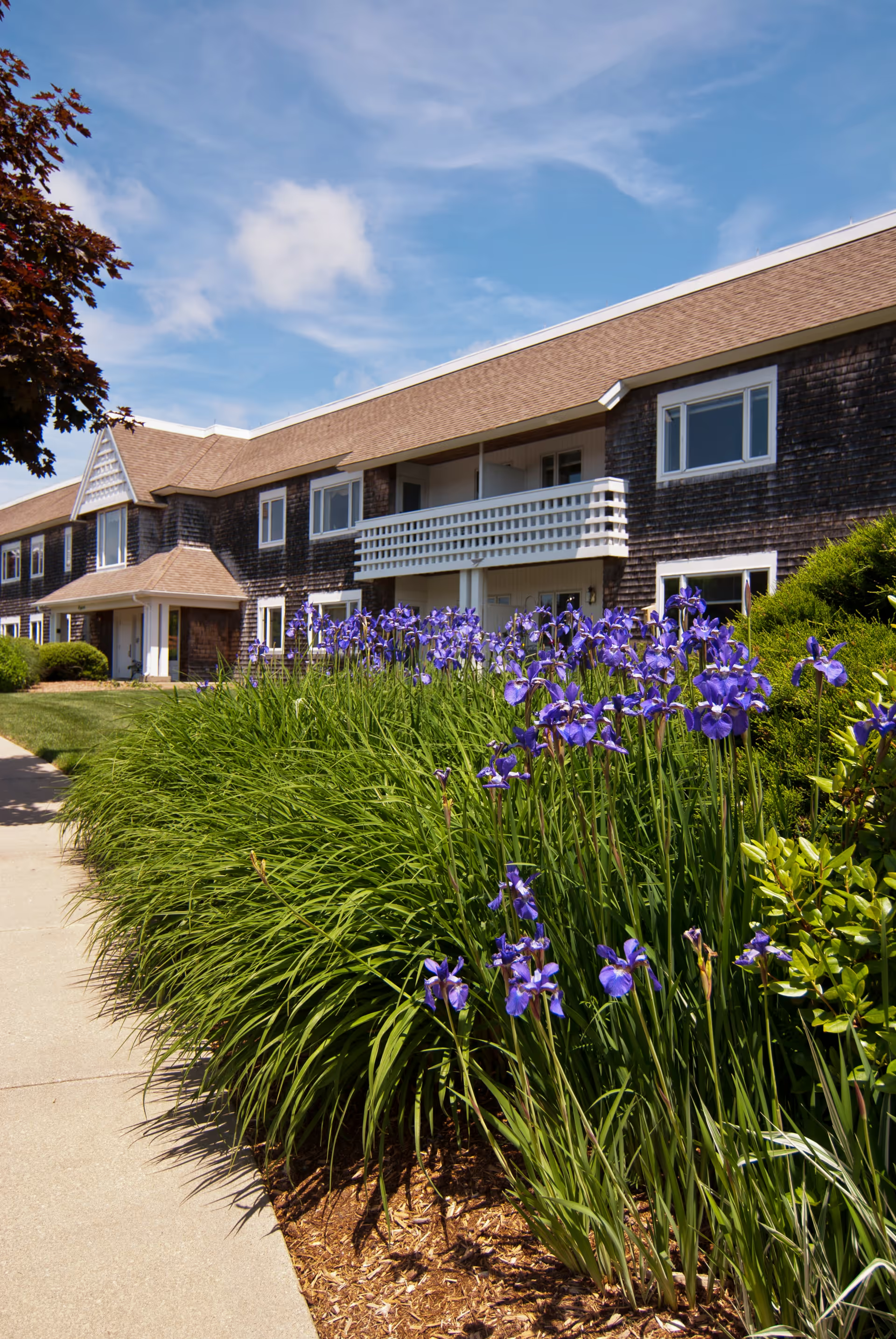
Maintenance and logistical coordination are another source of inconsistency. Positive comments about a well-kept lobby and renovated units are balanced by accounts of delayed maintenance requests, parking and key-fob problems, and uneven exterior landscaping upkeep. Move-in and onboarding logistics (phone/cable setup, mail handling, keys) were sometimes handled smoothly and other times required follow-up to resolve. Finally, fee structure and increases are an important consideration: several families described sharp or unexpected fee increases and recommend careful review of contract terms and fee escalation policies before committing.
In short, Maplewood at Mayflower Place offers many of the amenities and clinical services families look for in a continuing-care setting — strong therapy, varied activities, and an engaged caregiving workforce — and residents often report a strong sense of community. Prospective residents and their families should prioritize verifying current staffing levels and clinical coverage, clarifying medication- and incident-communication protocols, reviewing contract fee escalation language, and testing maintenance/operations responsiveness during the visit to ensure the facility’s operational reliability meets their expectations.