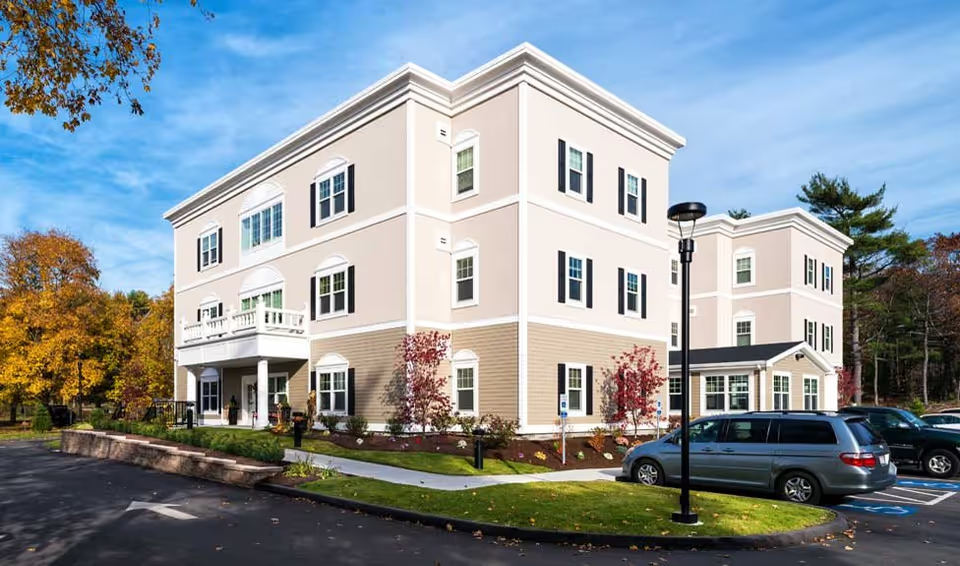
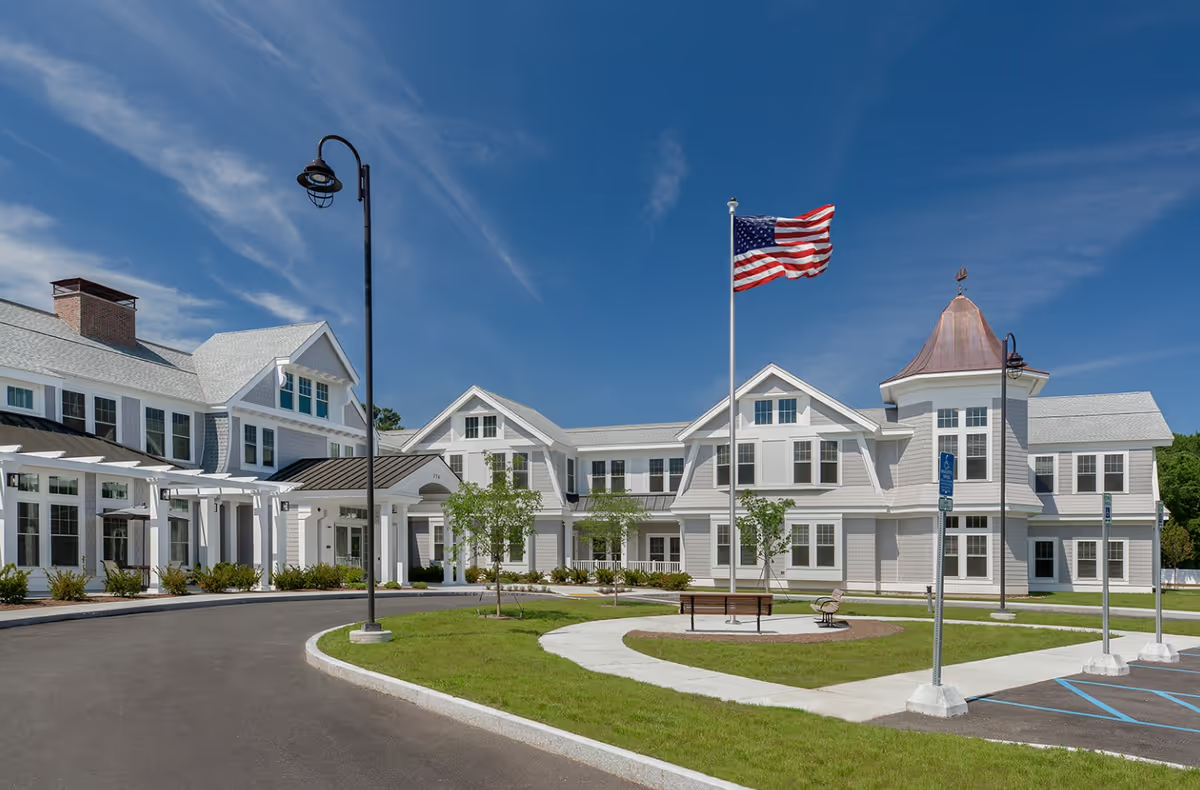
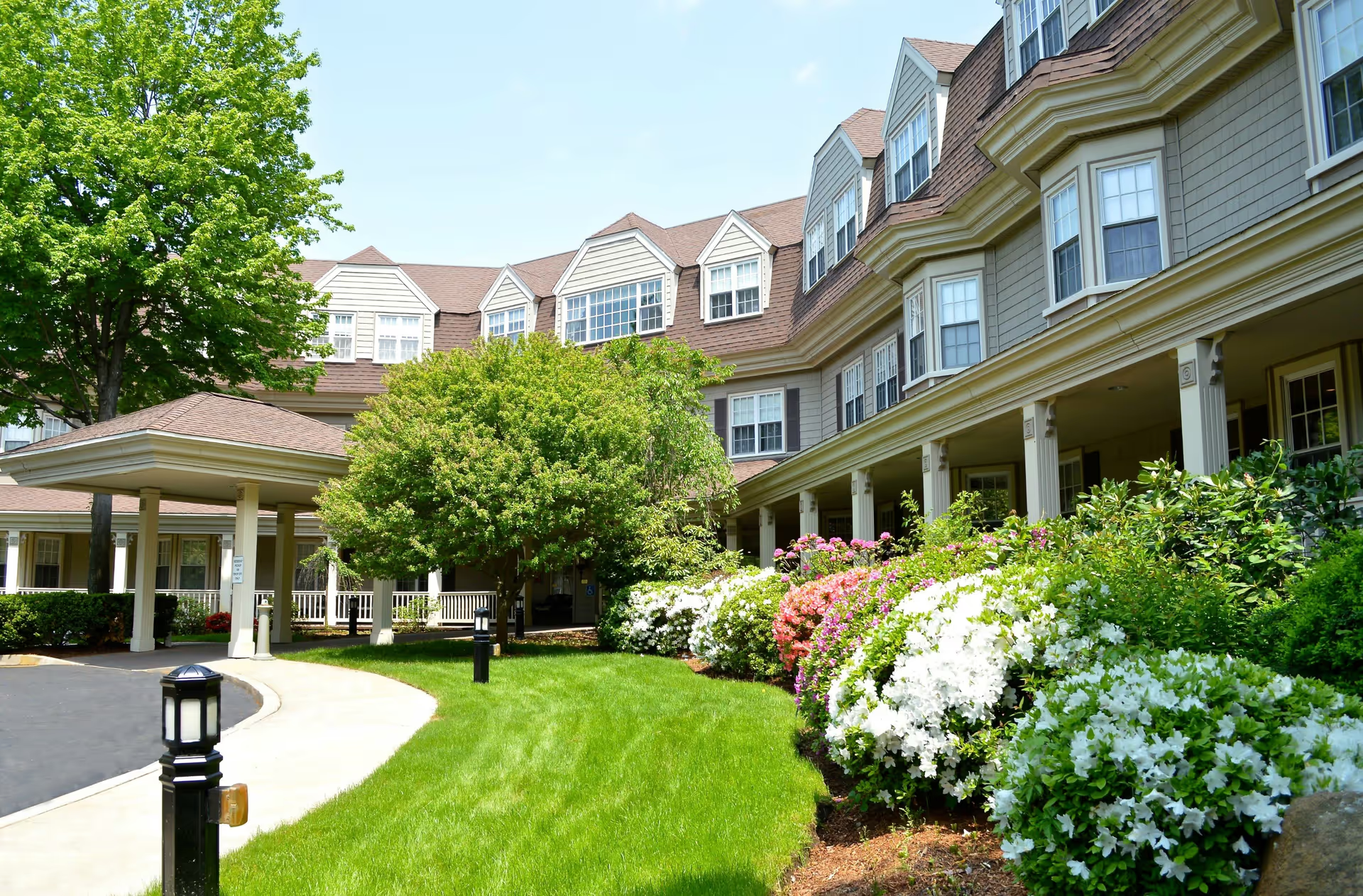
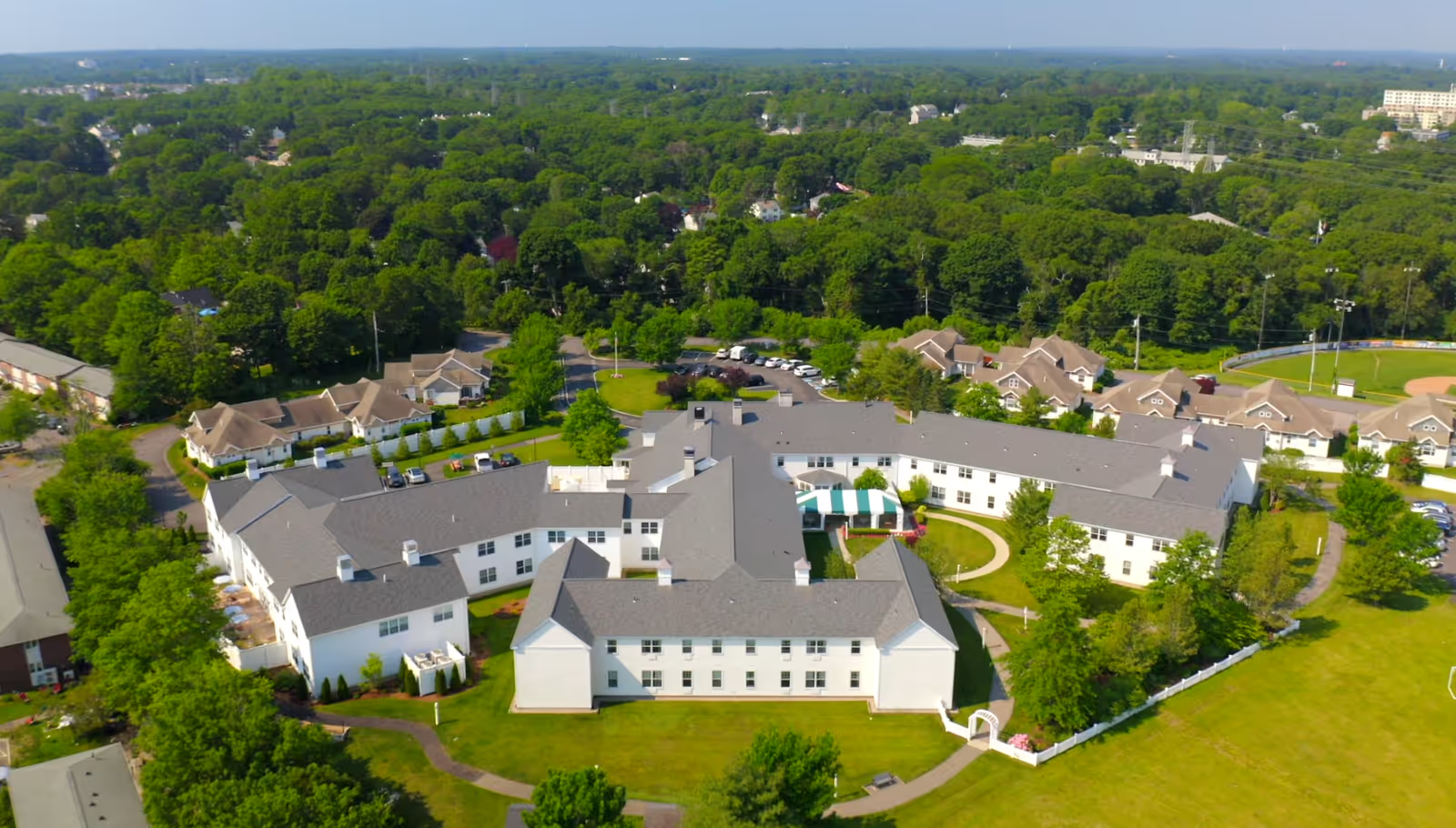
The Current South Shore elicits strongly divergent impressions. Many families and visitors describe a high-quality built environment—bright, modern apartments and a wide range of well-appointed common areas (dining rooms, gym, salon, library, movie room and bar). Reviewers frequently praise the culture of care at the frontline: staff are often described as compassionate, attentive and welcoming, with particular strength noted in memory-care programming and on-site therapy services. Activity programming and social events are called engaging, and many cite a smooth move-in experience and a family-like atmosphere.
At the same time, a clear and recurring set of operational concerns appears across reviews. Staffing levels and scheduling practices are commonly described as inconsistent, with CNAs and aides characterized as overextended; reviewers link these constraints to care delays, housekeeping gaps and pressured meal service. Several reviewers described injuries and unsafe transfer experiences; when aggregated, these comments point to potential weaknesses in transfer-safety and fall-prevention practices rather than isolated events. High staff turnover and what families perceive as leadership instability amplify these operational challenges.
Dining and environmental services draw mixed feedback. While some reviewers praise the food and dining environment, others describe repetitive menus, variable food quality and interruptions to normal meal-service staffing. There are also concerns about kitchen food-safety processes and broader sanitation practices in resident bathrooms and some common areas; these comments indicate gaps in infection-control and food-safety oversight that prospective families should evaluate directly. Housekeeping consistency is another theme, with positive accounts of clean public spaces offset by reports of missed housekeeping in resident areas.
Management and oversight are a notable source of concern. Several reviewers describe communication problems with leadership, unclear billing practices, and decisions tied to census that affect staffing. There are also allegations of regulatory noncompliance and references to potential involvement by the state elder-affairs agency; these are serious matters that bear verification. Conversely, many reviewers single out individual staff members and departments (activities, maintenance, therapy) as caring and effective, suggesting that operational issues may be concentrated at the managerial or administrative level rather than uniformly across direct care.
For prospective residents and families: the facility offers a compelling physical environment and many examples of strong direct-care relationships and programming. However, recurring operational themes—staffing consistency, housekeeping reliability, dining continuity and regulatory/management stability—warrant targeted questions during a tour. Recommended areas to probe include current staffing ratios and scheduling practices, documented protocols for fall prevention and transfer safety, food-safety and sanitation policies, housekeeping frequency, billing practices for assisted transfers, and the facility’s current regulatory status and any corrective actions. This mixed profile means the facility may be an excellent fit where the strengths align with a family’s priorities, but validation of operational controls is appropriate before a placement decision.