Overall impression: Reviews portray a facility that delivers generally strong hands-on care, particularly for short-term rehabilitation, while operating in an older, small-scale building with space and privacy constraints. Families and patients frequently praise individual caregivers, therapy outcomes, and the facility’s communicative approach; however, recurring operational issues around room occupancy, shared facilities, therapy continuity, and meal quality reduce perceived value for some families.
Care quality and staff: The most consistent positive theme is direct care. Nursing staff are described as compassionate and attentive, and many families single out physical and occupational therapy as skilled and effective — several accounts indicate meaningful mobility gains over short rehabilitation stays. Social work and administrative staff are also often described as responsive, with clear communication and timely outreach. At the same time, a subset of comments point to variability in care continuity (for example, therapy that begins strongly but is not consistently sustained) and occasional concerns about staff conduct or responsiveness; these suggest unevenness in service consistency rather than an absence of capability.
Dining and nutrition: Dietary services receive mixed feedback. Numerous reviewers praise individualized meal accommodations and responsiveness to dietary needs, and some find the food enjoyable. Conversely, other reviewers describe food that lacks appeal or perceived nutritional quality, and the dining area itself is sometimes characterized as less attractive or cramped. These mixed impressions indicate that while meal accommodations are available, culinary consistency and dining environment could be areas for operational improvement.
Activities and resident life: The activities program is frequently highlighted as a strength. Reviewers describe an engaged activities director, a variety of programs including intellectual and religious options, and well-organized special events that contribute to a home-like atmosphere. The facility’s small size appears to support close caregiver–resident relationships and a sense of personal attention.
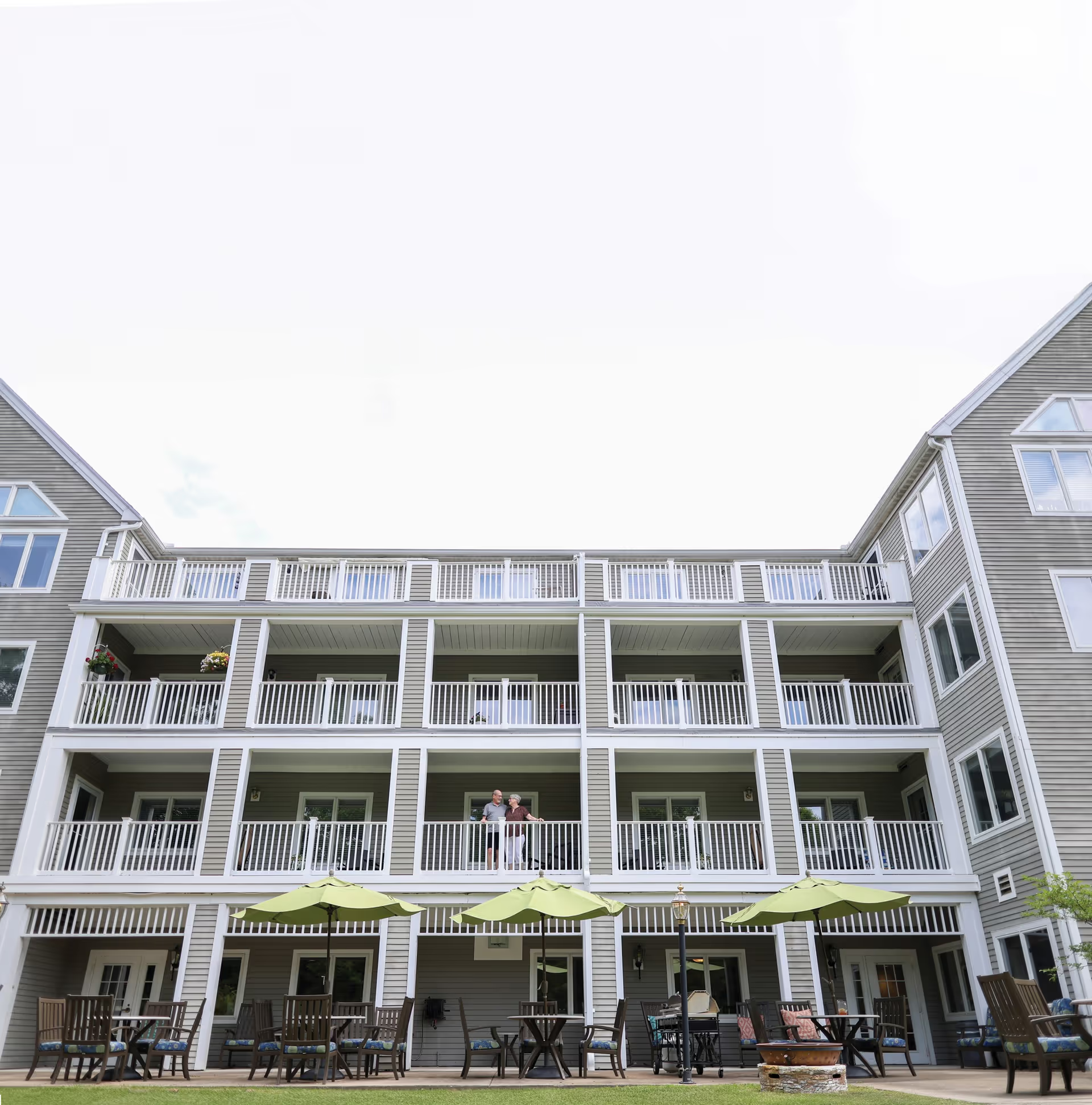
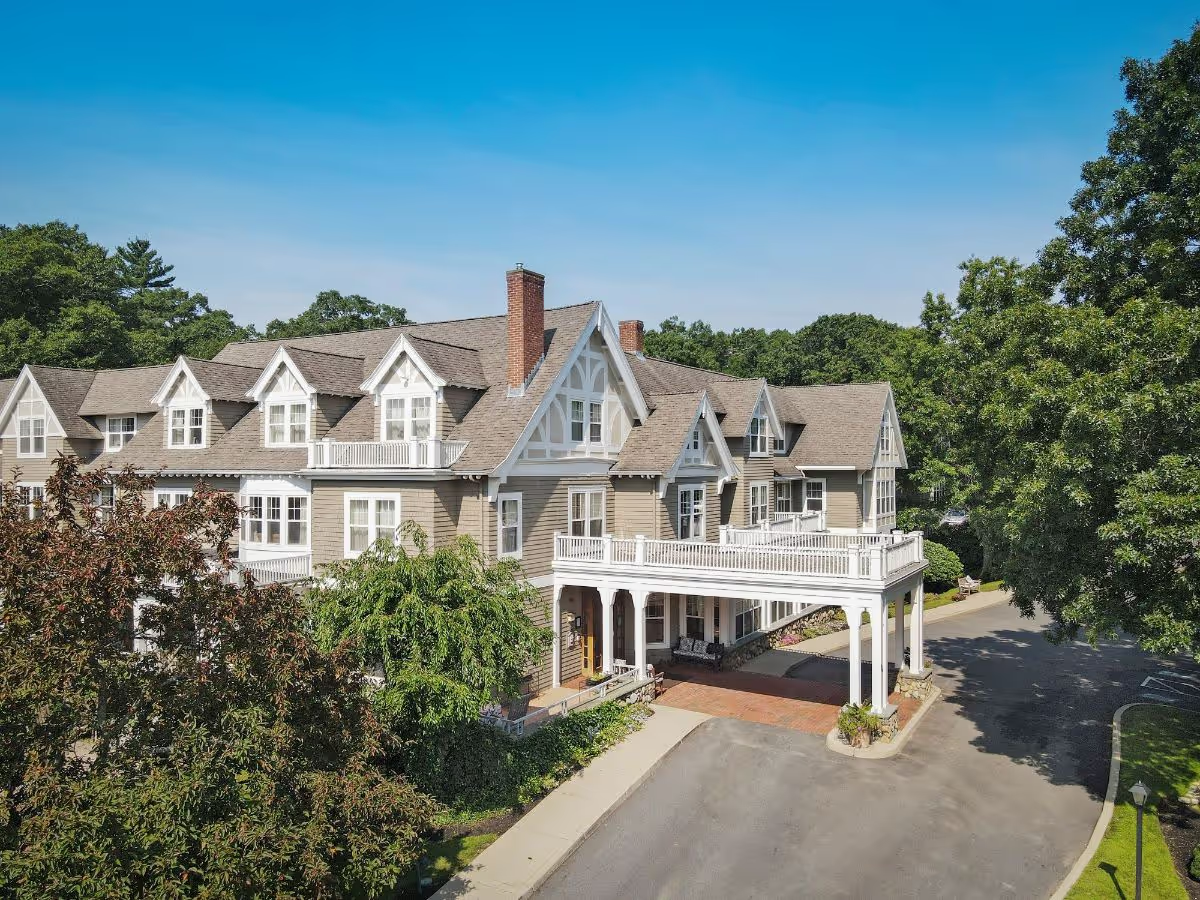
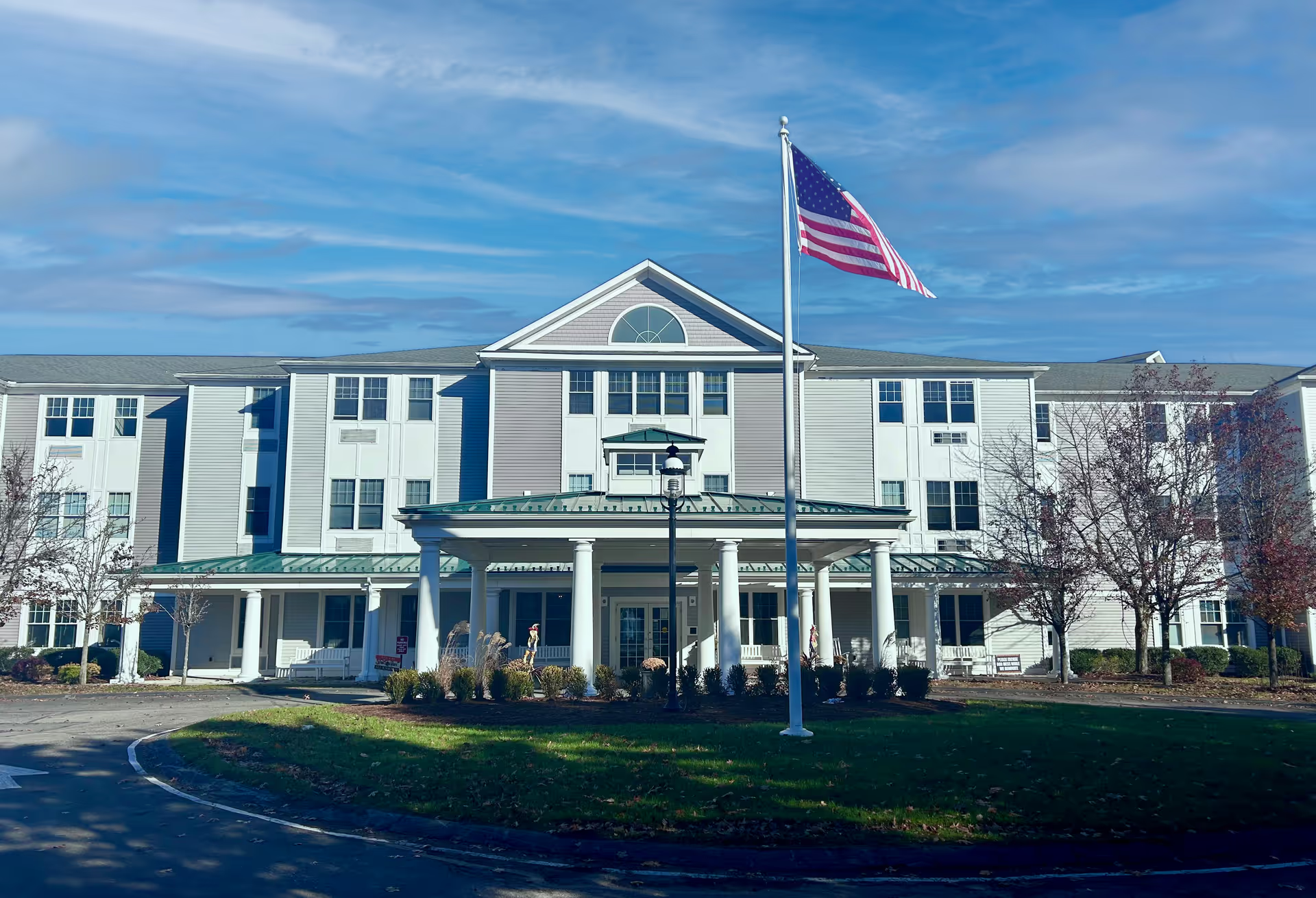
Facility, layout, and amenities: Physical plant comments show a contrast between cleanliness and dated infrastructure. Resident rooms and general cleanliness are regularly commended, but the building is described as older and the dining/common areas as dated. A significant operational concern is the prevalence of high-occupancy rooms (up to four residents) with shared bathroom facilities and limited privacy — an acknowledged tradeoff for the facility’s small, home-like scale. Limited dedicated therapy space is also suggested by at least one account and may tie into the noted variability in therapy continuity.
Management, cost, and notable patterns: Administrative responsiveness and clear communication are recurring positives, with families thanking staff and leadership for engagement. At the same time, there are repeated mentions of opaque pricing and add-on fees that affect perceptions of value. Putting the patterns together, the facility’s strengths are its staff relationships, effective short-term rehab, and individualized responsiveness; its operational weaknesses center on space constraints, inconsistent service continuity, and variability in dining experience. Prospective residents and families should weigh the value of close, attentive care and strong therapy capabilities against privacy limitations and the potential need to clarify therapy schedules and final billing details before admission.