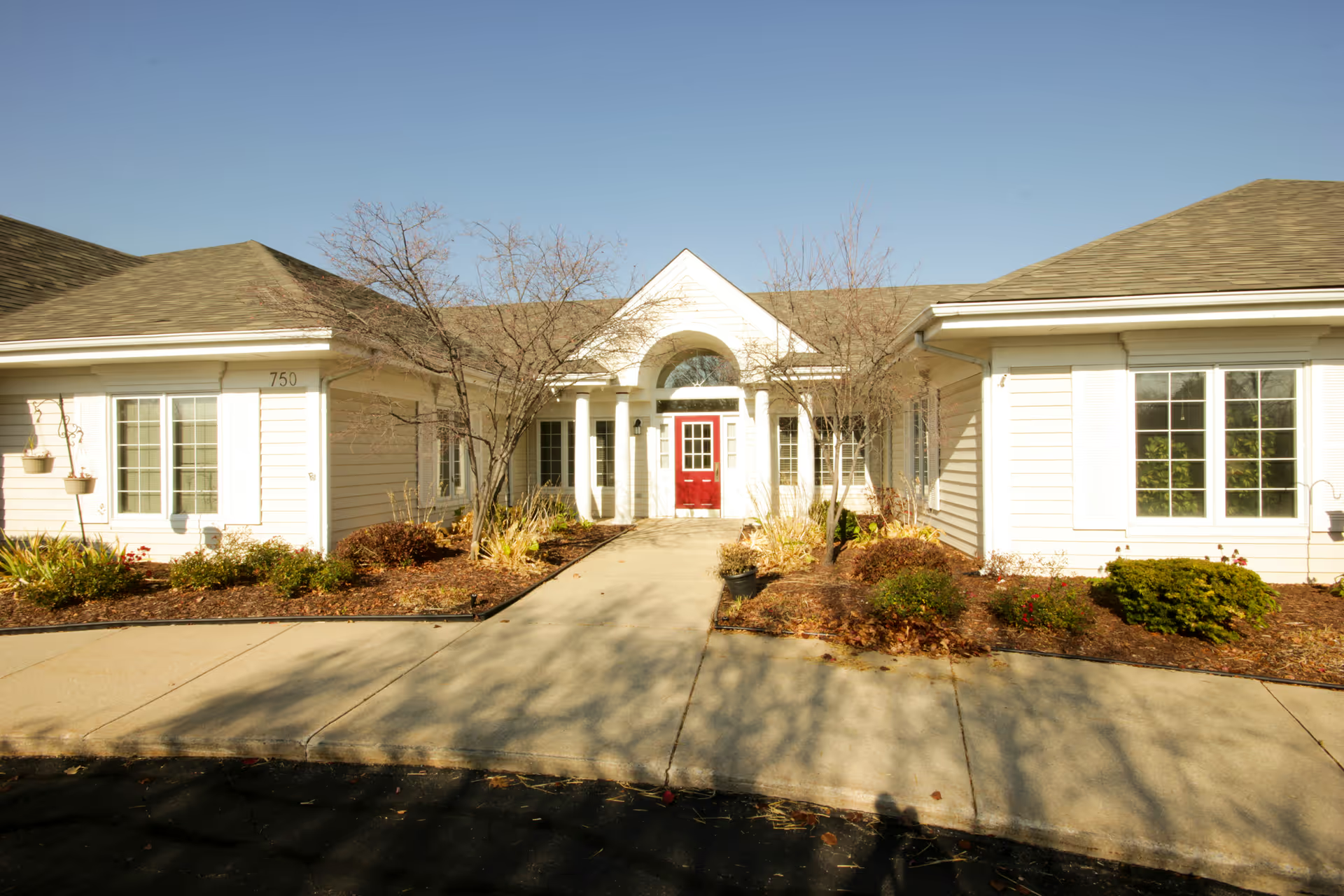
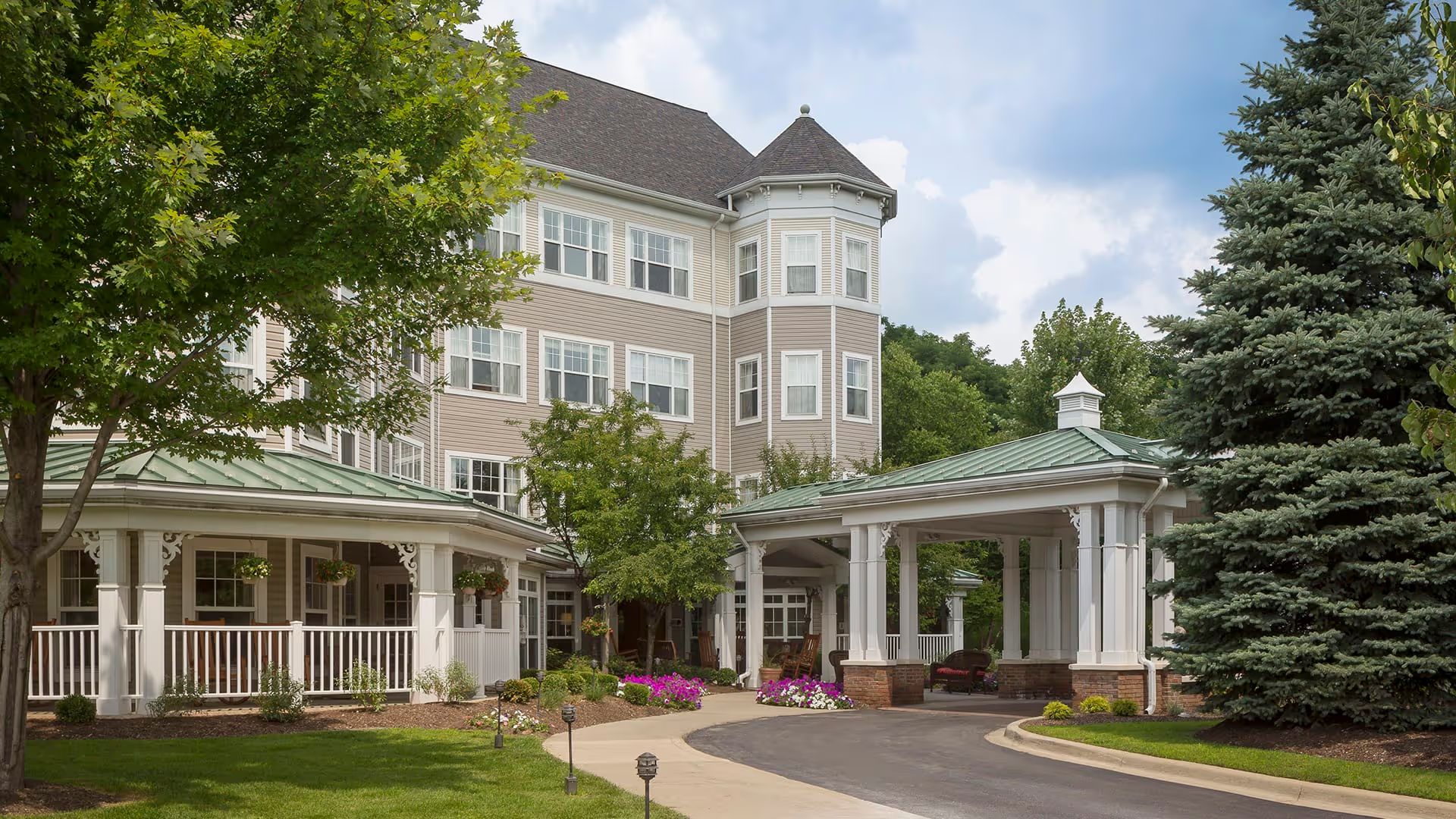
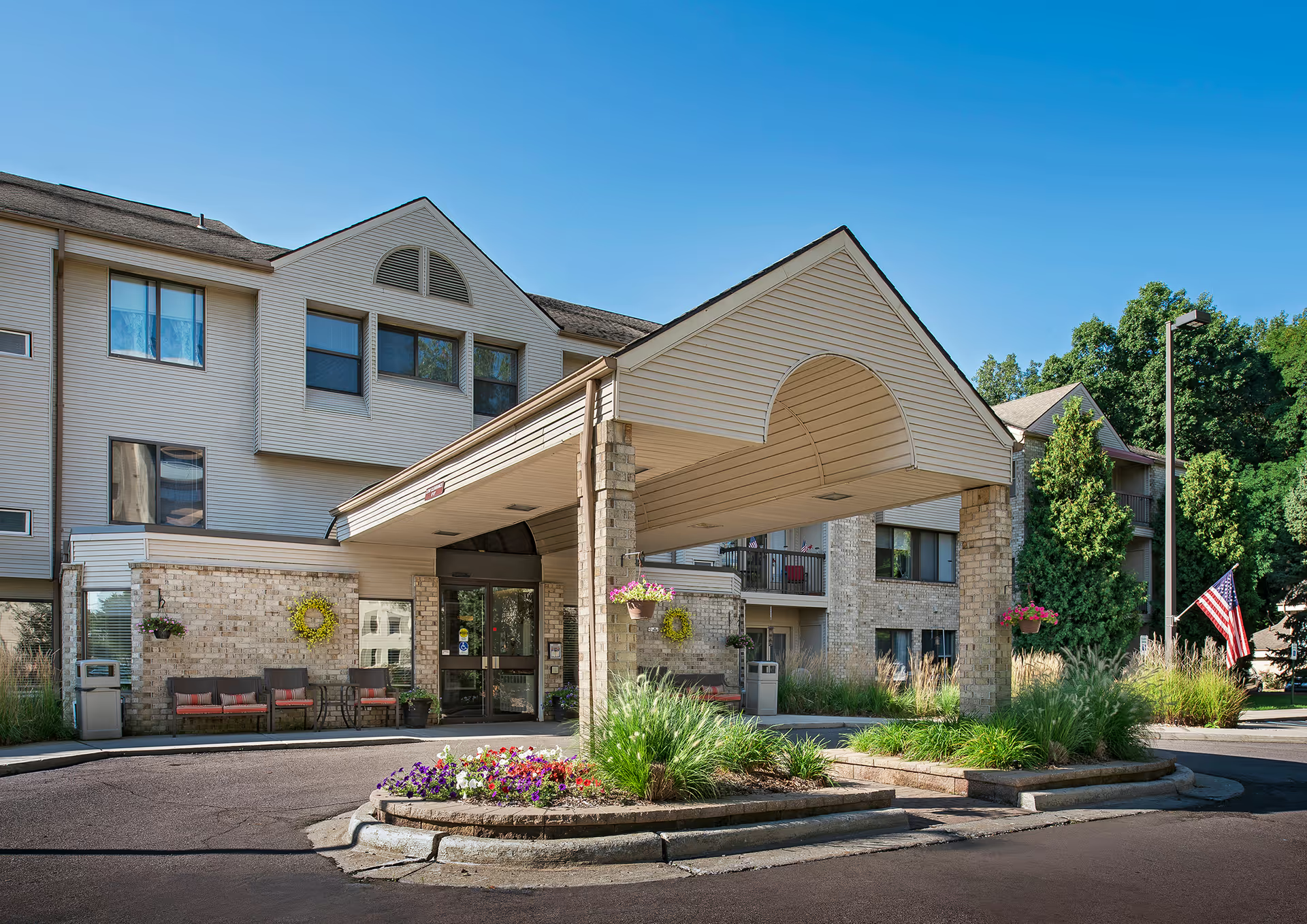
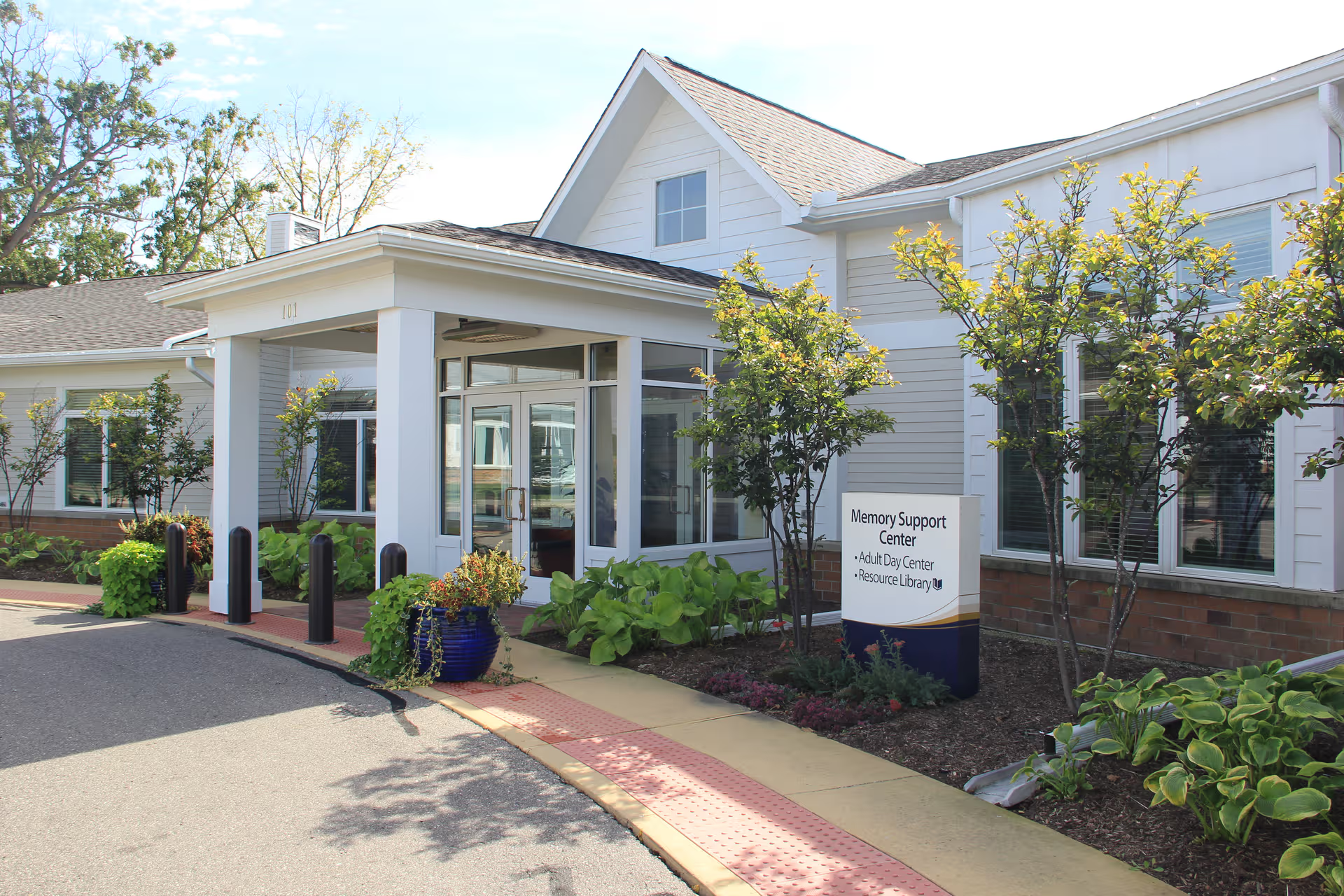
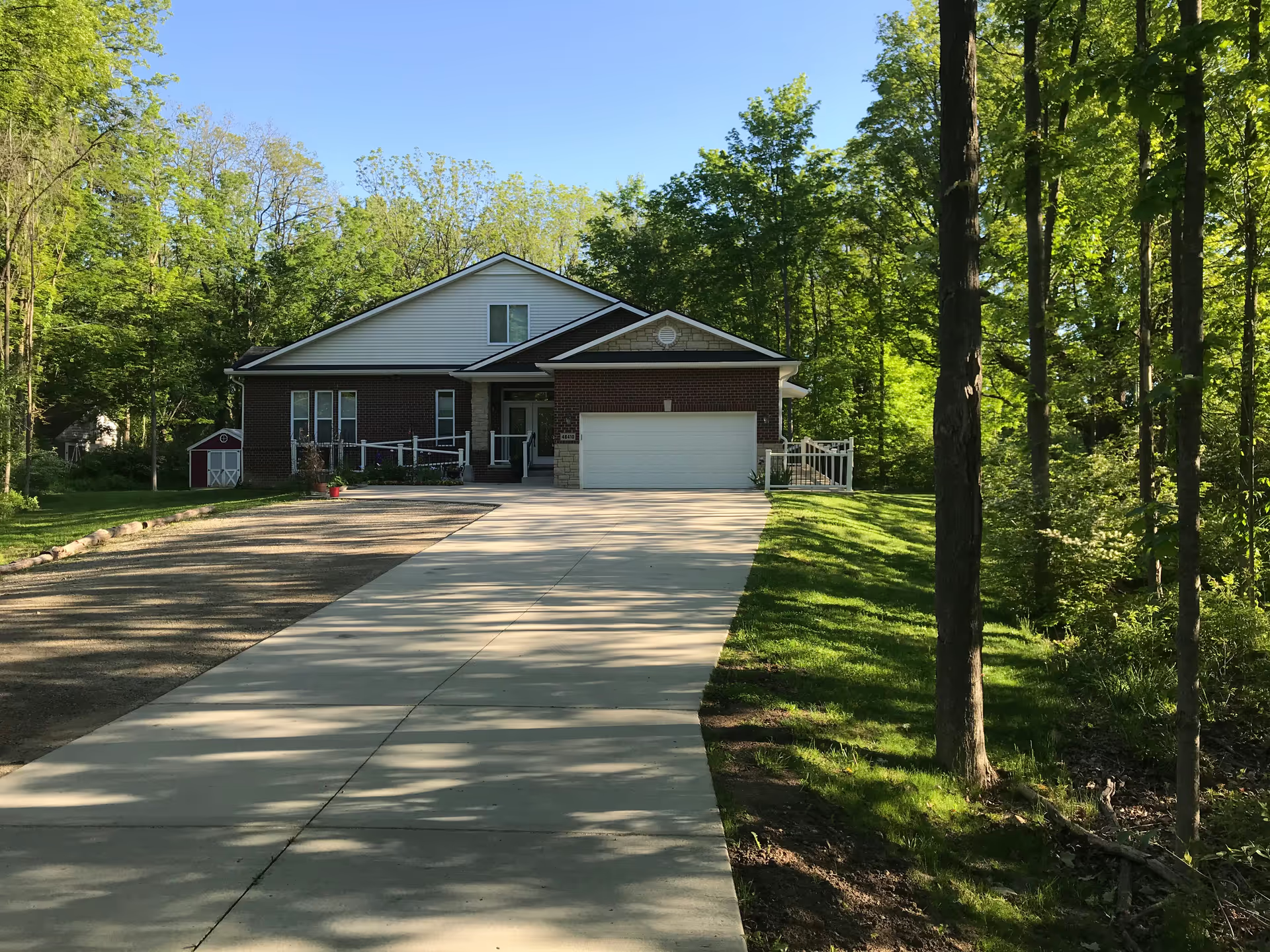
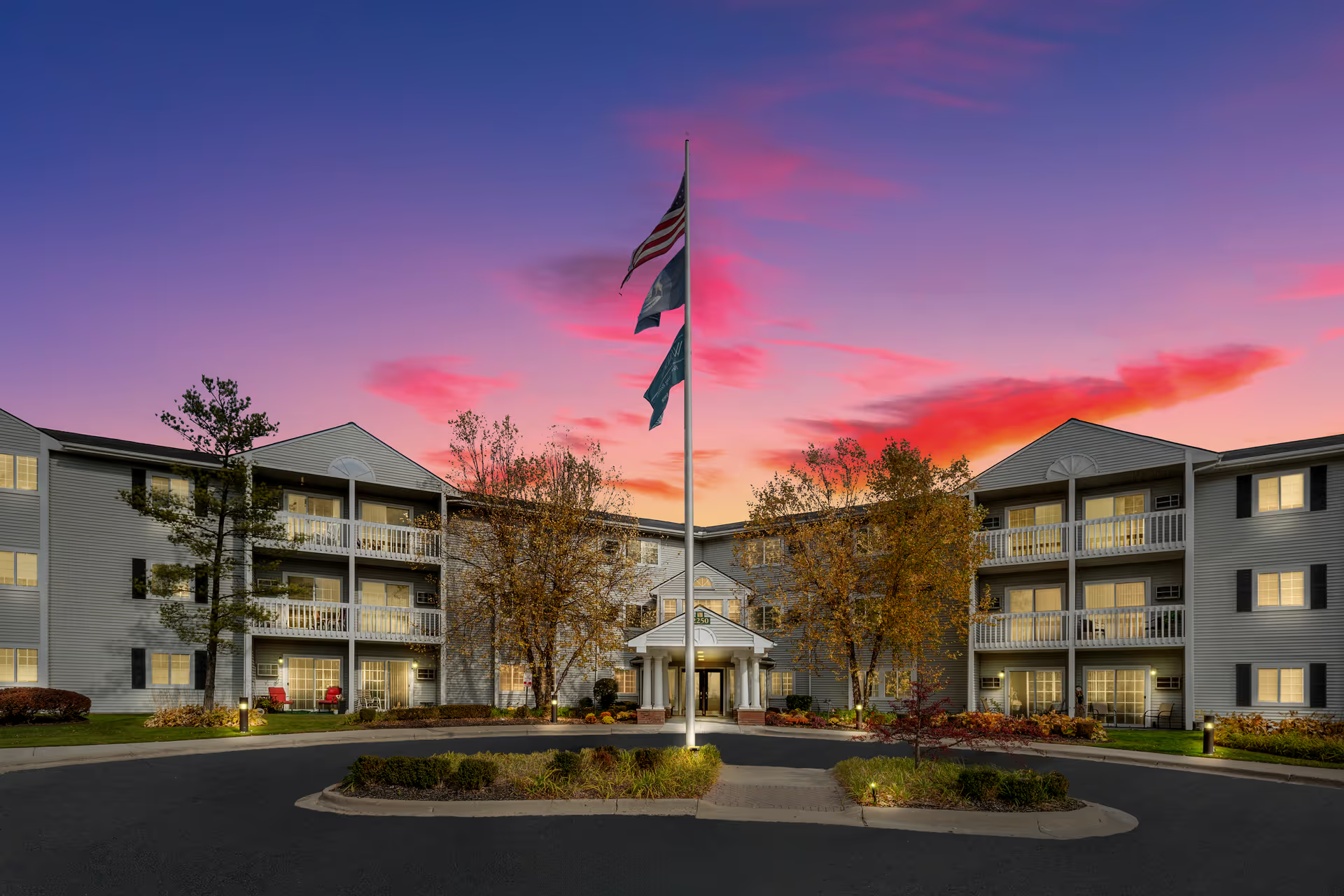
Brookdale Ann Arbor elicits strongly mixed but consistent themes. Many reviewers praise the facility's physical environment: well-maintained grounds, landscaped outdoor areas with spaces for picnics and bus outings, attractive and updated common rooms, and a range of apartment sizes. The location—close to hospitals, shopping, and major routes—receives positive mention. Amenities such as a salon, gym/therapy areas, craft spaces, and restaurant-style dining contribute to a residential, feuilleton-like atmosphere for families who prioritize environment and convenience.
Care and staff are frequently the facility's greatest strength. Numerous families describe caregiving teams as compassionate, personable, and coordinated, with long-tenured employees and visible teamwork on the floor. Staff are also noted for creative family communication during the COVID period (photo/video updates, window or Zoom visits), proactive maintenance, and a family-inclusive approach to programming. Onsite therapy and rehabilitation services, plus memory-care programming (exercise, music, sing-alongs, specialized games), are cited as meaningful supports to resident quality of life.
Dining and activities present a generally positive but variable picture. Several reviewers call the meals a highlight—formal dining options, menu changes, desserts, and hydration emphasis are appreciated—while a smaller group describes bland or unappealing offerings. The community provides a broad slate of activities and outings, and when fully staffed the programming is regarded as engaging; however, activity levels can drop during illness outbreaks and some families perceive low baseline engagement for more active residents.
Operational and clinical patterns give cause for caution. Multiple reviews cite inconsistent staffing levels (especially at peak or overnight times), gaps in medication-administration timeliness, and limited on-site nursing coverage contrary to some expectations. There are recurring reports of delays in clinical response and family notification after incidents, and several reviewers identified problems with toileting schedules and other care-timing adherence. Housekeeping frequency and room-cleanliness consistency appear uneven: many describe very clean common areas while others report variability in in-room cleaning. Safety processes and fall-response practices are another area where experiences vary, with some families reporting prompt, effective responses and others noting slower follow-up.
Management and administrative themes are mixed. Many reviewers praise responsive leadership, problem resolution, and admissions staff who supported transitions; others describe communication lapses, slow follow-through on requests, and a fee structure that can feel opaque or expensive. A few families raised serious concerns about documentation and consent processes and billing clarity; these comments suggest the need for careful review of service agreements and financial policies during tours and admissions.
Bottom line: Brookdale Ann Arbor demonstrates clear strengths in environment, team-based caregiving, therapy services, and a full-amenity resident experience. At the same time, prospective residents and families should assess staffing patterns, on-site nursing coverage, medication and toileting protocols, housekeeping schedules, and contractual billing/consent terms during the decision process. Touring during active program hours, requesting clinical staffing details (including overnight nursing), and reviewing written service agreements will help align expectations with the community's variable experiences described by families.